


Technology
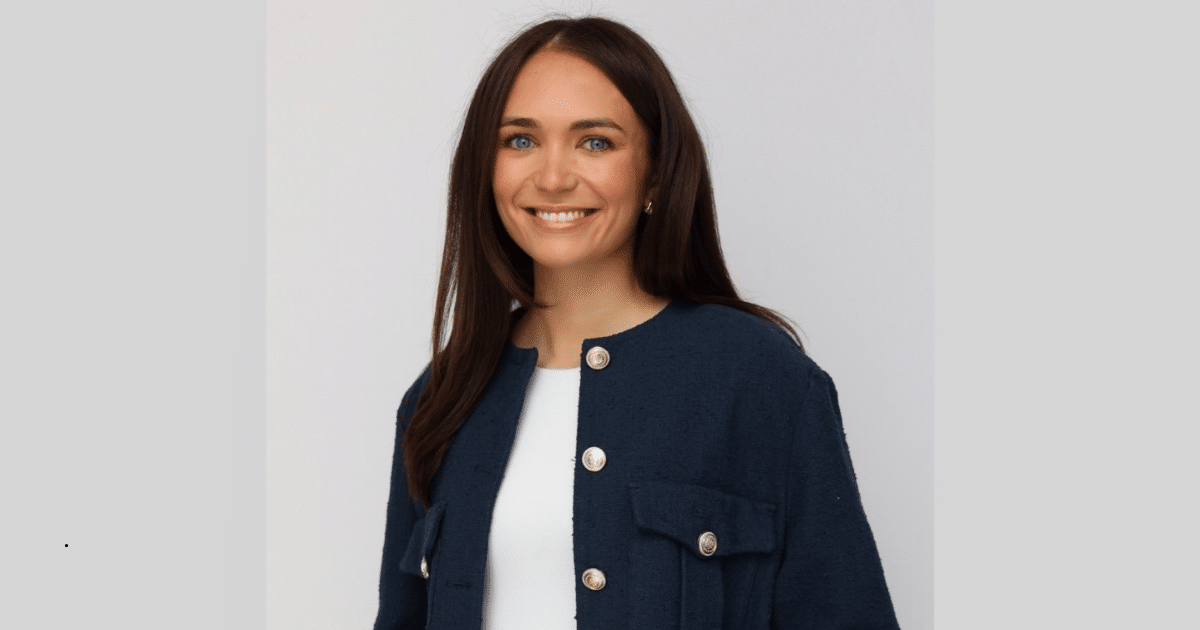
Agentio VP Abbie Sheppard: No Brand Can Tell a Creator’s Story Better Than the Creator Can

Brands know they need to invest in creators. Creators know how to build the audiences brands want to reach. The problem, according to Abbie Sheppard, is that neither side is telling the other what’s actually working, and that problem deepens with every new dollar entering the channel.
Abbie, VP of Creator Strategy at Agentio, made that case on the main stage at VidCon Anaheim, where she joined creators Sambucha and Andy King alongside OLIPOP marketing executive Steven Vigilante for a session titled “Building Authentic Brand Partnerships That Actually Land.” The panel addressed a structural disconnect she navigates daily: brands measuring creator performance without sharing it downstream, while creators build partnerships without understanding what brands actually need to hit.
Agentio, the New York-based platform where Abbie has led creator partnerships since January 2024, was founded around a specific observation. YouTube’s most established creators had built audiences that brands wanted to reach, but weren’t selling through all of their available inventory. The problem wasn’t brand interest. Legacy advertisers like Squarespace, BetterHelp, and NordVPN had proven the channel years earlier. The problem was that the process of running those programs efficiently at scale remained entirely manual.
“The need on the YouTube creator side already existed,” Abbie says. “But the infrastructure didn’t.” She arrived at Agentio after more than six years as employee number two at Cameo, where she scaled the company’s talent network to over 55,000 creators.
Managers Showed Up at VidCon. Brands Mostly Didn’t.
This was Agentio’s third year at VidCon, and the difference from year one was visible. The company’s event drew over 500 RSVPs beyond its capacity. When Agentio first appeared at the conference, the team spent most of its time explaining what the platform was. In year two, early users were believers, and some attendees still hadn’t heard of it. This year, the conversation had shifted.
The composition of attendees carried a signal of its own. Senior agency and management executives had migrated toward Cannes, which ran the same week. The managers building day-to-day creator businesses filled Anaheim. For a platform focused on moving media budgets toward YouTube creators, that audience was the point. “Your boots-on-the-ground, day-to-day manager who’s helping these creators build the business was at VidCon,” Abbie says. “It was great to get in front of them.”
She also identified what was missing. Brands were largely absent, and creators and managers, in her observation, are “starved” of direct brand relationships. Agentio brought OLIPOP’s Steven Vigilante to the panel to provide a brand-side perspective. “There wasn’t enough of that this year,” Abbie says, “and I think that could continue to get much better.”
No Brand Tells a Creator’s Story Better
The panel’s central premise, that audiences can immediately detect a misaligned sponsorship, landed without resistance from the room. What generated more discussion was why that misalignment happens and what it takes to prevent it.
Abbie’s position is direct. “No brand can tell a better story to an audience than the creator that built it,” she says. “If you’re a brand and you’re trying to tell a story to Andy King’s audience, let Andy tell it. He built that. He knows what resonates.”
The bar for a genuine integration, in her framing, is more flexible than it might seem. A creator doesn’t need to personally use a brand’s product for a partnership to land. What they need is alignment with either the product or the mission behind it. A creator who doesn’t use Farmer’s Dog can still advocate for fresh pet food as a category. One who doesn’t use Chime can still be aligned with financial accessibility as a value.
“You have to be aligned with one of them,” Abbie says. That distinction, she argued on stage, is where many creator-brand conversations break down before they begin.
What Long-Term Partners Do Differently
Creators winning sustained brand relationships, the panel concluded, treat sponsorships as partnerships rather than billing events. That means investing time to understand what a brand is actually trying to accomplish, not just negotiating a rate and delivering content.
The performance logic for repetition is structural. Creator integrations operate across the full purchase funnel, not as single-exposure ads. Early reads in a relationship establish awareness, later ones drive consideration, and sustained programs generate the purchase intent that one-off campaigns can’t replicate. Abbie pointed to OLIPOP’s partnership with Sambucha as an illustration of what that arc looks like in practice.
OLIPOP has run more than ten integrations with the creator. Early reads established what the brand is and why it’s positioned as a soda alternative. Later ones moved his audience toward consideration. Now his fans ask whether he has equity in the company. “He has people who send him pictures in the store holding their OLIPOP cans,” Abbie says, “saying, ‘Hey Sam, I’m buying this because you told me to.'”
The data behind the argument is specific. Internal Agentio data shows that 40% of views and 30% of clicks from a YouTube integration happen more than 30 days after the video goes live, meaning a deal evaluated in its first week is not the full picture of what it produced. “You’re likely not going to see any material shift by doing one-off integrations,” Abbie says. “The most effective integrations let the creator tell the story over time. That’s where brands see the most success.”
The Transparency Wall
The more persistent obstacle, in Abbie’s framing, isn’t misaligned creative or differing expectations on rates. It’s that neither side shares enough information for the relationship to compound.
“Everybody kind of still has their walls up a little bit,” she says. “Creators and managers haven’t had an open relationship with brands for the most part. And the transparency is really important.”
This was the central takeaway she carried out of VidCon. Brands entering the creator channel, she argues, need to share performance data in both directions: which integrations worked and why, what top performers did differently, how a video tracked over 30, 60, or 90 days rather than just the launch week. “Brands should be sharing their performance insights with creators in a way that’s helpful for them,” Abbie says. “Why did you not perform? What did the top performers do that you don’t do?”
Without that feedback loop, creators optimize toward what they assume brands want rather than what the data shows is effective. Brands cycle through new partners without accumulating the knowledge that makes sustained programs work. As more media budget shifts to the channel, Abbie says the problem deepens rather than resolves on its own. “It’s only going to continue to compound as more brands invest in creator,” she says.
The Education Problem That’s Coming Next
Abbie’s path from Cameo to Agentio follows the pattern she describes as recognizing an existing need before the infrastructure to address it has been created. When she joined Cameo in 2017, fan-to-talent monetization was happening informally through direct requests and fan mail. The behavior was there; the infrastructure to make it scalable was not. The YouTube creator advertising market, she says, is at a structurally similar point.
Everything Agentio has built was designed around documented friction. Discount codes buried in 50-email chains. Brief updates that creators weren’t notified about. Performance data that brands tracked internally without sharing it downstream. “We build around the things that are slowing people down,” Abbie says. That same principle, she argues, now extends to the information layer: using the platform’s data to close the knowledge asymmetry between brands and creators, not just to streamline the workflow between them.
As more brands shift media budgets toward YouTube, the question Abbie is focused on is whether education can keep pace with investment.
“These media budgets are the ones that should be accessible to creators,” she says. “And they can grow exponentially if creators can show performance.”
Subscribe to Our Newsletter
Check Out Our Podcast