



Influencer
How Noah Miller Made the Hot Take Into a Business Model

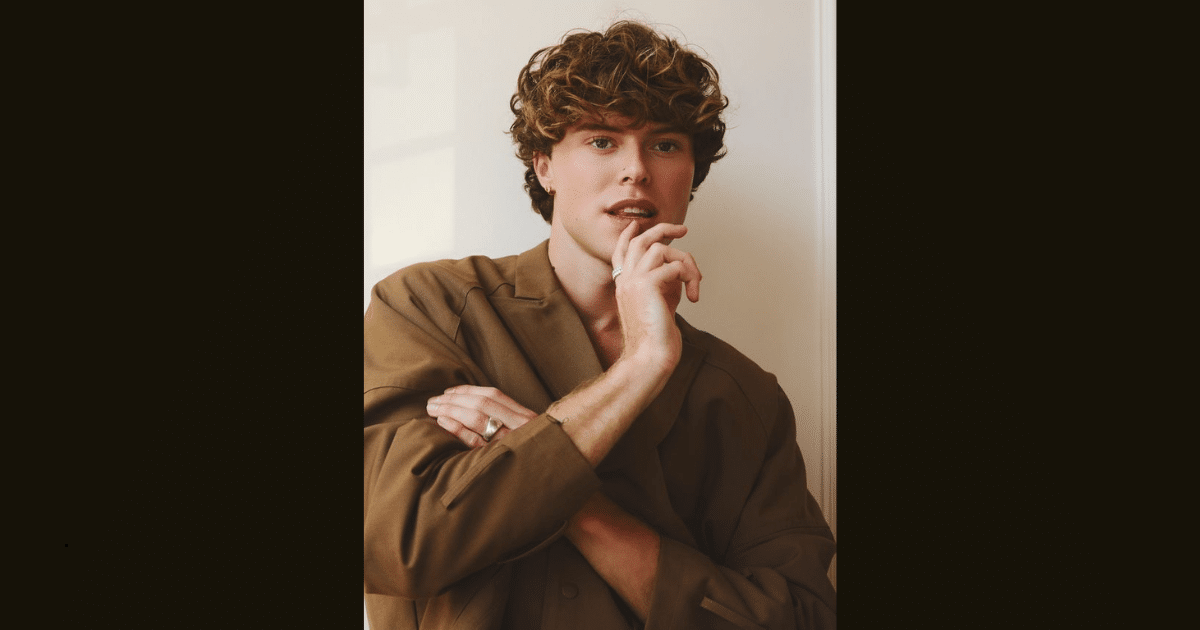
At 16, Noah Miller was reselling secondhand clothes on Depop out of his childhood bedroom during the COVID-19 lockdown. A few months after he started posting on TikTok, Depop reached out with a sponsorship offer.
That inversion set the tone.
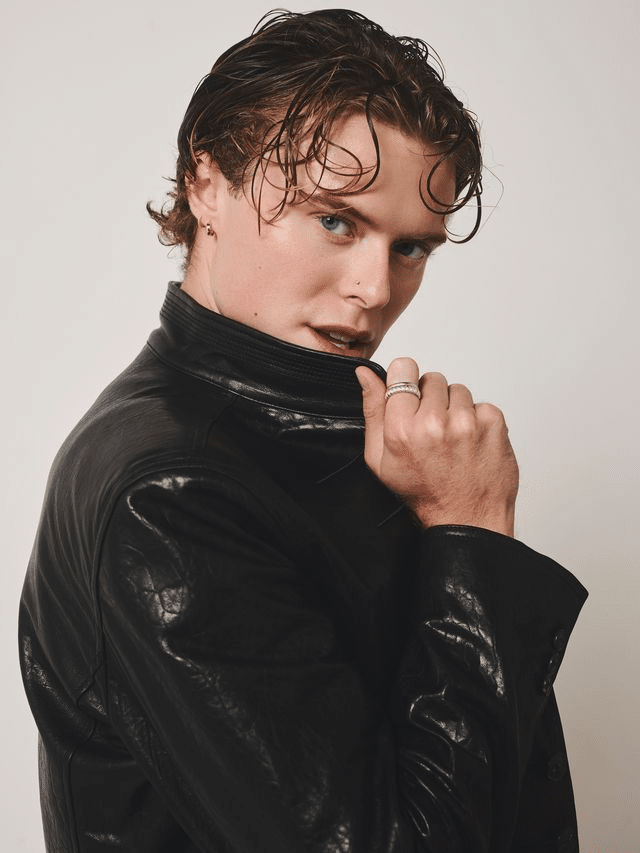
Now 23 and a recent UCLA graduate, Noah has built a creator presence of more than 7.5 million followers and over 1 billion likes across Instagram and TikTok. His content is not skincare routines, lifestyle hauls, or sponsored product posts. It is something closer to real-time cultural criticism: fast, opinionated takes on music, celebrity, and fashion delivered with the comedic confidence of someone who has never doubted that his perspective is worth hearing.
He calls his approach “strong opinions, loosely held,” and his audience has come to expect both the conviction and the reversals. When years of publicly dismissing K-pop collapsed after he watched Netflix’s “Pop Star Academy: KATSEYE” documentary, the flip did not alienate his followers. The reversal confirmed what they had already sensed: the takes are the point, not the topics.
Five Years In, He Still Does Not Know What Goes Viral
The unpredictability of what lands has been, five years in, the most consistent feature of Noah’s creative experience. He describes never approaching a pop culture post with a fixed expectation, and the results have routinely surprised him. A few years ago, he uploaded a video asking whether viewers remembered a particular Fifth Harmony song. What followed was a cultural resurgence of the group’s online presence, a momentum that spread far beyond his account and that he did not anticipate.
“You’ll never know what’s going to perform well,” Noah says. “I’m five years in, and I really don’t know.”
His response is not to optimize against that uncertainty but to move through it. “I think there’s a lot of beauty in saying your opinion and then just moving on, jumping ship, next thing,” he says. For commentary creators, that velocity is the practice: deliver a point of view, release it, and find the next one.
The physical restlessness that characterizes his personal life has fed his creative process in much the same way. From his childhood bedroom through college dorms and a sequence of Los Angeles apartments, the changing environments have kept his perspective fresh. “I think the constant kind of change of space makes me feel very creative,” he says.
The Pressure to Be First, and Why He Stopped Worrying About It
Cultural commentary is time-sensitive by nature, and Noah is honest about the pressure that creates. He describes watching “Love Island” dominate digital conversation and feeling the pull to have a take ready, to post before the moment passes. In a space where timing can determine whether an opinion finds traction, the anxiety is occupational.
His position has shifted. A dedicated audience built over five years means he can arrive late and still find traction. The K-pop trajectory is the clearest example: years behind much of the fandom, but received as a genuine discovery rather than irrelevance.
“I can be a few months late to something, and people still will value my opinion,” he says. “Apparently, I’m years late to some of these songs or albums, but I’m showing love, and people are like, ‘Yes, you finally get it, you know?'”
The Backup Account That Became a Marc Jacobs Deal
The account @whiteboyonthebeat did not begin as a creative project. In the early months of TikTok, when the platform’s content moderation was unpredictable and accounts disappeared without explanation, Noah created a second account as insurance.
“I didn’t have a direct representative at TikTok yet,” he says. “I didn’t know who I could ask for help.”
People started following the backup account anyway. Then, out of boredom, Noah began staging a public feud between the two personas, a running comedy bit his audience found durable enough to follow for years. Eventually, it attracted the attention of Marc Jacobs, which commissioned a campaign in which both accounts competed over the same outfit.
“I had my main account and my spam account wearing different outfits for Marc Jacobs, saying, ‘I wore it better,'” Noah says.
The collaboration illustrated something brands working with comedy-first creators frequently miss: engaging with a creator’s existing world, rather than imposing a campaign brief on top of it, tends to produce content that actually fits the platform where it will live.
What Brands Actually Buy When They Commission a Commentator
Brand deals remain the bulk of Noah’s income. Affiliate linking, through platforms like ShopMy and an Amazon storefront, is something he views as central to where the creator economy is heading and an area he is actively developing. He has watched other creators build affiliate revenue that rivals their brand deal income after years of consistent product tagging.
“I honestly see that as the future of this industry,” Noah says.
His current timeline on affiliate work also maps a real structural distinction between commentary creators and lifestyle or beauty influencers. A creator whose audience follows them for purchase guidance can demonstrate a product and move inventory in ways that are quantifiable and familiar to most brands. A commentary creator operates on different terms. The value is not product trust but cultural adjacency: an audience tuned in to what is happening right now, and a voice they trust to interpret it.
“Someone like me can’t really rely on a traditional get-ready-with-me video to sell a product,” Noah says. “There’s still selling power. I have a large audience that will listen to what I say, but I can’t use, maybe, the tactics that the brand wants.”
The more productive question for brands is what commentary creators can do that lifestyle influencers cannot. At events like Coachella, where Noah has partnered with InStyle on the “Bieberchella” franchise, the value proposition is specific: a creator physically comfortable in a crowd, fluent in the cultural conversation surrounding the event, and capable of producing content that reaches both audiences at once. “With features like collaborative posts, it’ll be shown to my audience and theirs,” he says. “It’s like a melting pot.”
That in-person fluency is harder to find than it appears. “Sometimes, people are very eloquent and well spoken and read well digitally,” he says. “But in person, they’re kind of shy, or they’re scared to approach people. That’s never something I’ve really struggled with.”
Growing Up Means Knowing Who You Are Punching At
Noah’s early content carried a sharper edge. Commentary on celebrities and established influencers could tip toward trolling, a natural byproduct, he says, of being a teenager making videos from a position of outsider remove.
The shift did not come from a single incident. It came from recognition. “I kind of realized suddenly I wasn’t punching up anymore,” he says.
As his following grew, the distance that had made the jokes feel harmless collapsed. He began moving in the same professional circles as people he had previously lampooned, meeting them, finding them human.
“Now, I’m in rooms with these people, interacting with them,” Noah says. “Oh, wait, this person that I used to make fun of is actually really kind. I can’t make the same jokes that I would have.”
The practical logic reinforced the ethical one. A creator who wants sustained brand partnerships cannot afford a reputation for cruelty. “Maybe the path to success is not necessarily being mean to other people,” he says.

A Run Club, a Marathon, and a Longer Game
The return to real life that Noah predicts for creator commentary is already visible in his own immediate plans. He is training for the New York City Marathon in November, and before his summer travel schedule grew too dense, he had been planning a pride-centered run club in Los Angeles, a community space for followers who had been inspired by his marathon coverage to take up running.
“Maybe it’s a one-off experience,” he says. “Maybe it could build into something that’s once a week, once a month.”
Noah sees that kind of in-person gathering as the next phase for commentary content, the take moving off the screen and into a shared physical space. And he is thinking further ahead still. His stated ambition for the six-year horizon is philanthropic work centered on LGBTQ youth or underprivileged communities, possibly in the running world.
“Maybe something with more giving back to my community and planting the seeds for the next generation,” the creator says.
Photo credit: Ssam Kim
Subscribe to Our Newsletter
Check Out Our Podcast