



Platform
Instagram to Limit the Reach of Unlabeled AI-Generated Profiles

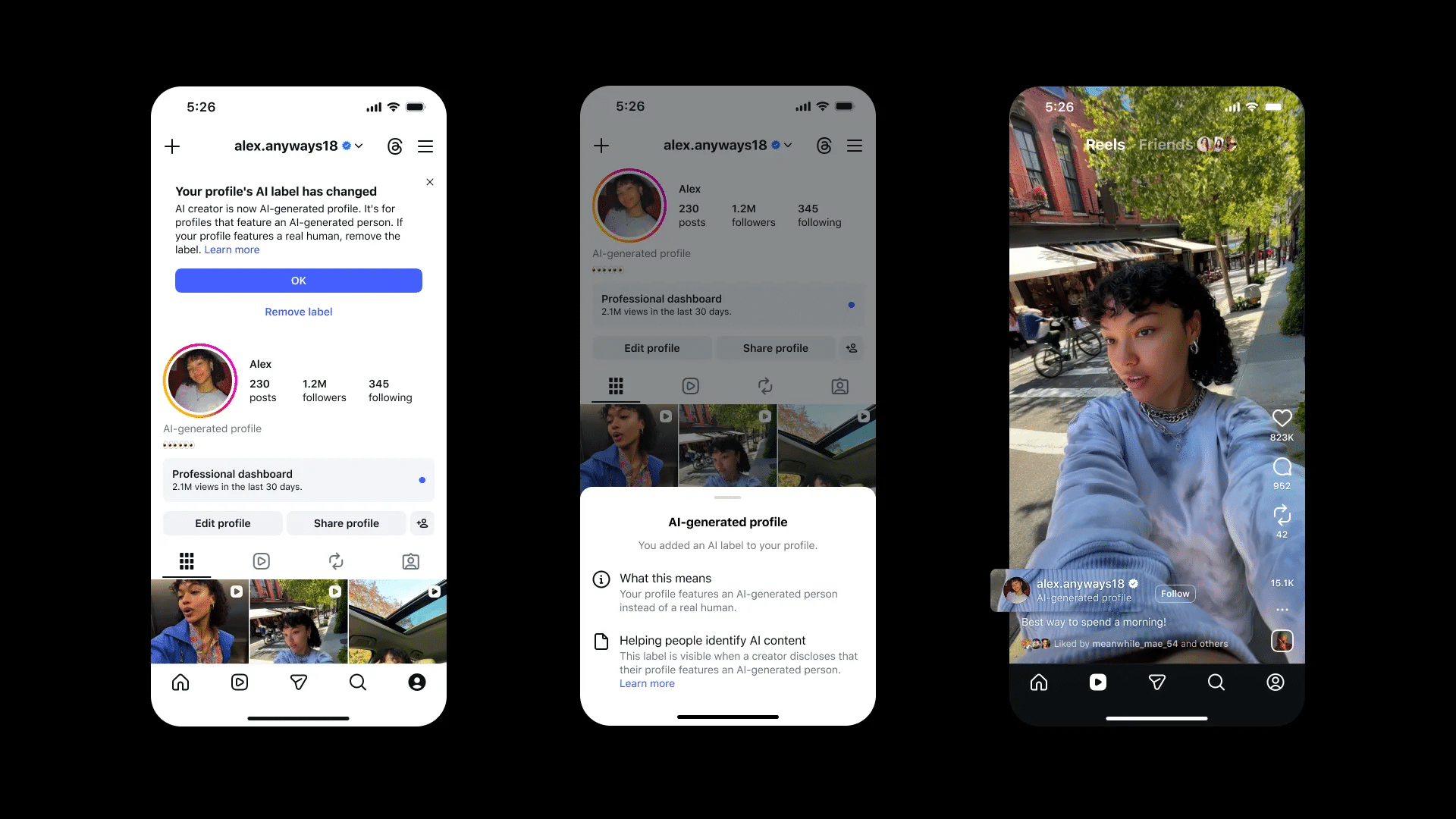
Instagram has announced that it will rename its “AI creator” label to “AI-generated profile” and begin reducing the reach of accounts that feature an AI-generated person without applying the label, tying identity disclosure directly to recommendation eligibility for the first time.
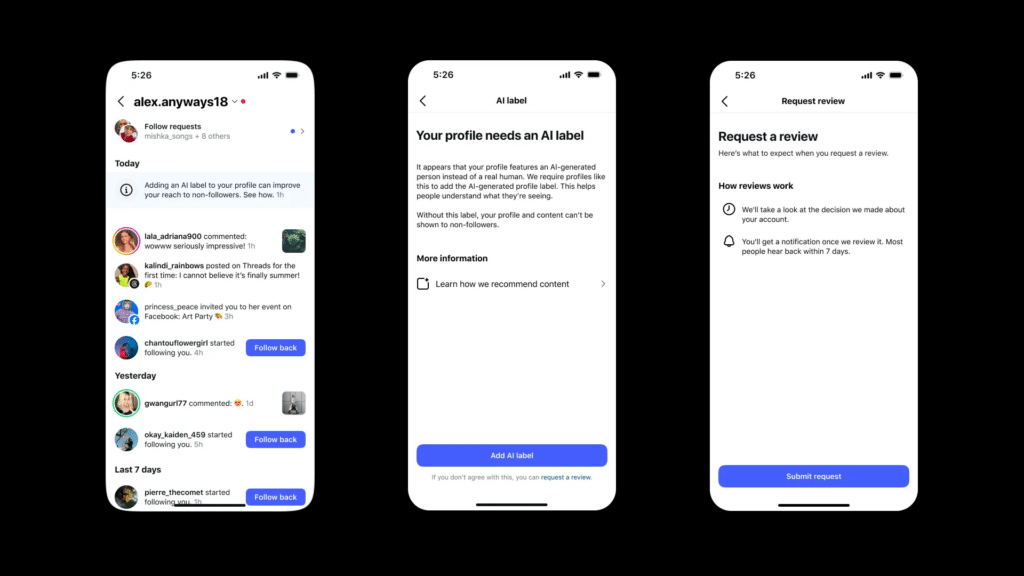
The label is meant to tell users when the person featured on a profile “was generated or substantially created with AI,” Instagram said in an announcement on its creator blog. Profiles that add the label proactively will not see any change to their distribution. Profiles that Instagram detects as unlabeled will be notified and can check their Account Status to see whether they have become ineligible for recommendations in surfaces such as Reels and Explore.
Creators who lose recommendation eligibility have two ways back: apply the label so the profile “accurately reflects their AI-based identity,” or appeal the decision through Account Status if they believe the enforcement was made in error.
The policy applies only to profiles built around a synthetic person, not to human creators who use AI tools during production. “Creators who simply use AI tools as part of their creative process don’t need to add the label,” Instagram said, specifying that photo editing, caption assistance and other creative tweaks fall outside the requirement.
Instagram framed the change as a response to user frustration. “As generative AI becomes a bigger part of how people create, we’ve heard that people don’t like seeing a profile that seems human, only to find out later that the person featured is AI-generated,” the company said. “They want to know when a profile features an AI-generated person.”
TechCrunch reported that the update follows growing scrutiny of undisclosed AI personas on social platforms. The outlet cited a WIRED investigation that found more than two dozen apparently AI-generated male influencer accounts promoting the dating app Goose, some of which reportedly used direct messages to solicit sign-ups. TechCrunch also pointed to New York Times reporting that identified hundreds of AI-generated doctors, healers and wellness figures on social media promoting supplements or making health claims.
The latest change builds on an AI creator label Instagram introduced in May, which let creators voluntarily flag accounts that regularly use AI tools. That earlier rollout followed comments from Instagram head Adam Mosseri, who wrote in December that “authenticity is fast becoming a scarce resource” as synthetic content spreads across feeds and argued that individual creators would grow more valuable as a result.
The policy also lands after a difficult stretch for Meta on AI and trust issues. In July, the company disabled an Instagram Stories tool that let users generate AI images by tagging other public accounts, after CAA and SAG-AFTRA objected on consent and likeness grounds. CAA had said “no one’s name, image, likeness, voice, or creative work should be used by any third party, including AI models, without clear, documented consent.” Meta pulled the feature days after launch while keeping more than 30 other Muse Image-powered effects live.
Last week, Meta agreed to pay up to $16.7 billion, with the company citing an approximate $18 billion total value, to settle child-safety claims brought by 29 state attorneys general, part of a broader settlement requiring daily usage limits and age-assurance measures for teen users on Facebook and Instagram.
Instagram said the AI-generated profile label is part of its “ongoing effort to improve transparency” and pointed users to its Help Center for further detail on how the label works.
Subscribe to Our Newsletter
Check Out Our Podcast