






Agency
Unscrippted Creative Caps Its Creator Roster at Five to Keep Management Creative

Scaling a creator management roster to dozens of clients, Jordana Ripp found, has a predictable outcome. The manager stops being a creative partner and becomes a deal-broker. Unscrippted Creative, her dual-sided Los Angeles practice, is organized around a different premise.
The practice operates on two tracks. On the brand side, it delivers digital marketing services ranging from strategy and ideation through content production and campaign packaging. On the creator side, it now manages a capped roster of five clients that, at its peak, reached roughly 25 million followers across entertainment, comedy, film, fashion, and beauty. The ceiling is by design.
“As a solopreneur, I don’t have the bandwidth to handle mass creators that just want deals over creative development,” Jordana says. That conclusion emerged from eight years in marketing at Sony Pictures Television, followed by two years of freelance consulting that included building the digital talent division of a traditional talent agency and scaling its creator roster to a collective reach of more than 50 million followers. When she decided last year to build Unscrippted Creative into a standalone business, she brought the brand-side discipline developed at Sony and the creative management experience that followed.
Her working view? The Creator Economy is still improvising its infrastructure, and the managers inside it are too.
Scaling a Roster Trades Creative Depth for Throughput
Jordana believes that a creator management firm that grows by signing more clients shifts its operational center of gravity, spending less time on content strategy and portfolio development, and more on executing deals.
“Most creators are justifiably very focused on the monetary side of things, and they just want brand deals, over creative development,” she says. “But to get brand deals, they also have to be putting out the content that brands are going to be attracted to.”
The five creators Jordana manages are selected specifically for their interest in developing their content portfolios beyond brand partnerships. That distinction shapes what she can offer them. A manager running 30 clients at deal volume cannot also function as a creative producer or spend significant time on the strategy behind what those creators are building. For Jordana, those two functions are the same job.
Creator Contracts Routinely Undervalue the Work
Jordana has worked on both sides of creator deal-making, pricing talent as a brand-side strategist and protecting clients as a creator-side manager. The recurring pattern she observes is undervaluation, tied to contracts that creators sign without reading the specifics.
She describes one client who came to her after signing an agreement with no cap on content revisions. The brand exercised that clause without limit. “What he should have been spending a couple of hours on was now taking weeks to do, and that’s money out of the creator’s pocket,” Jordana says.
She highlights extended usage rights as another consistent blind spot. Whether the brand plans to amplify the content with paid media, include it in a newsletter, or place it on its own website all affect the appropriate rate, and creators who do not know to raise those questions often do not charge for those uses. Jordana publishes a rate card roughly every six months, calibrated to follower-count brackets, niche, and what she observes brands actually paying.
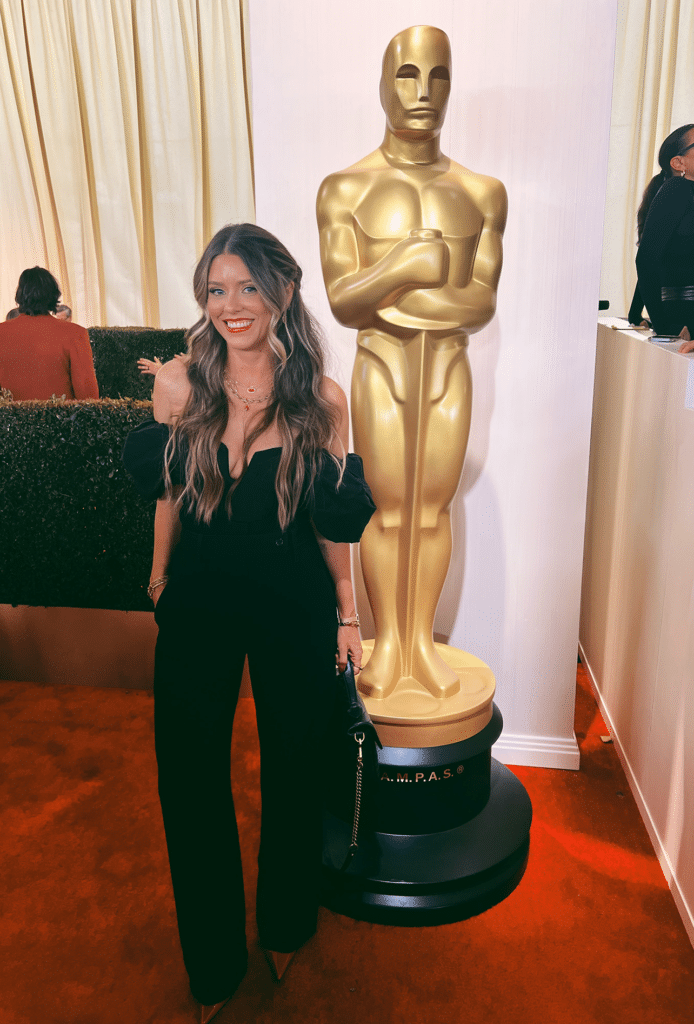
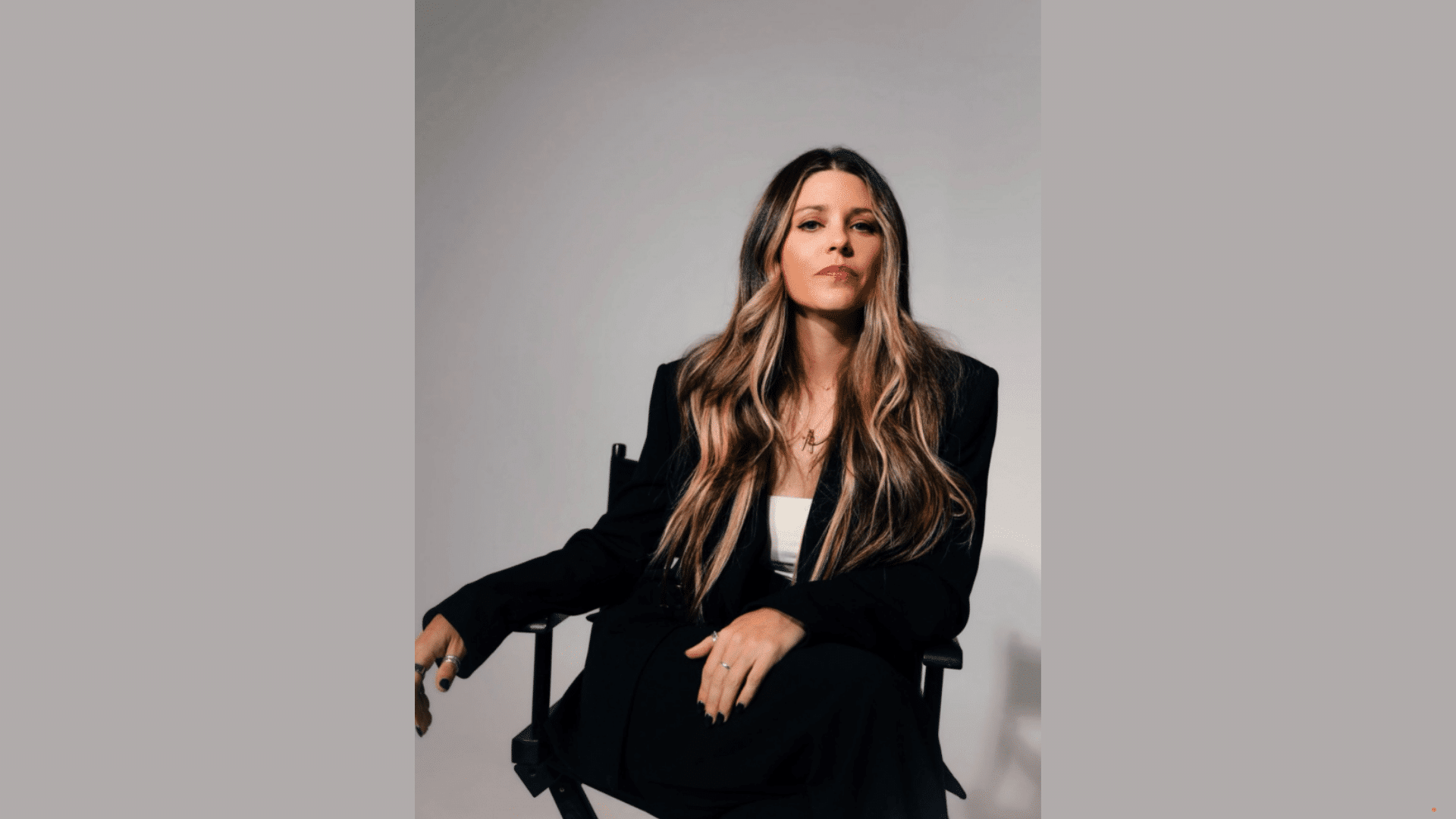
Photo: Jordana Ripp at the 2024 Oscars
AI’s Value Stops at the Draft Stage
Over the past year and a half, Jordana has tested both generative and workflow AI across her practice and drawn a consistent line between the two. Generative AI is a process input, not a finished output; treating it as the latter is, in her view, where audience trust breaks down.
For workflow, she considers it reliable. Her systems automatically sort and file daily production materials, a task she estimates would otherwise consume about an hour a day. For content development, she uses AI to sketch structural drafts and initial frameworks. She does not use it to produce finished work.
“AI should never be the final output,” Jordana says. “Where I save time with AI is more on the admin front.” She points to science creator Hank Green, a prominent voice in online science education, who recently faced backlash over his use of AI in his content process.
“He’s had over 10 years working in the science creator space, very revered, popular, and suddenly he got caught out using AI. Then there was all this audience mistrust, for a creator who is otherwise very trustworthy,” Jordana says. The tell, she argues, is the formulaic signature AI-generated text carries across platforms.
More Posts Without Better Content Is a Treadmill
Platform logic on content cadence generally runs one direction. Higher posting volume gives algorithms more data and extends reach. Jordana does not dispute the mechanism, but the conclusion many creators draw from it.
“If you’re just putting out content for the sake of content to try and boost your reach, you’re spinning your wheels,” she says, adding that quality has to drive volume, not the other way around.
Jordana recently told a client directly that they were posting too much. The pace was unsustainable, and the content reflected it. She recommended cutting to three posts a week the creator could execute without stress, rather than six or seven that eroded both output quality and wellbeing.
Mental health is built into Unscrippted’s content strategy process from the start. Jordana plans contingencies for viral moments in both directions, including a prepared response for hostile comment pile-ons, so that creators have a framework ready rather than absorbing the pressure in real time. Tying self-worth to engagement metrics on what she describes as “a business with its own agenda” is, in her view, a risk creators are rarely warned about when they start.
Scripted Brand Briefs Undercut the Deal
The most consistent friction Jordana encounters in brand relationships comes from creative control. Scripted briefs, specifying creator dialogue, delivery, and structure, are common enough that she says they come across her desk regularly, and she views them as a problem for both parties.
“The reason you’re partnering with a creator is that they’ve built their own voice and brand,” Jordana says. Giving them a script instead of a brief does not serve either side.
Her preferred deal structure follows a sequence. The brand issues a brief, the creator develops a concept in response, the brand approves the concept, the creator produces it, and the brand takes one to two rounds of adjustments. That sequence preserves what the creator brings to the partnership while giving the brand oversight at the points that matter. When brands resist that structure significantly, Jordana says Unscrippted has had to weigh whether the fit is right, and some relationships have not moved forward.

Building a Two-Sided Practice Toward a Production Arm
Jordana’s near-term plan for Unscrippted targets both tracks simultaneously. On the brand side, she intends to expand services from strategy and ideation into fuller production and packaging. On the creator side, the roster stays small, selected for creators oriented toward portfolio development over deal throughput.
The longer-term objective is a vertical content production division, which she describes as the convergence of her Sony entertainment background and her years in digital and social. Streamers building out vertical format slots on their platforms represent a distribution window that did not exist during her studio years, and she intends to develop short-form scripted series positioned for that market.
“Streamers are jumping into the vertical game,” Jordana says. “Maybe we develop a series that we can then pitch to streamers.”
Subscribe to Our Newsletter
Check Out Our Podcast