






Agency
Recurrent Turns Military Spouse Influence Into a Business for Brands

Recurrent Military & Defense, the media division of Recurrent Ventures, is building the creator infrastructure around a community that mainstream consumer media has largely treated as an afterthought. General Manager Katherine Torres-Pummill runs five brands designed to serve military families and connect advertisers to them, including The War Zone, Task & Purpose, We Are The Mighty, Military Influencer Conference and MilSpouseFest. She sees military spouses as one of the most misunderstood audiences in consumer media.
“I hate the word niche because niche makes it feel small,” Katherine says. “The military community is actually much larger than that.” The division reaches 18 million people per month, according to Katherine, who joined Recurrent in 2022 and manages the portfolio from Los Angeles.
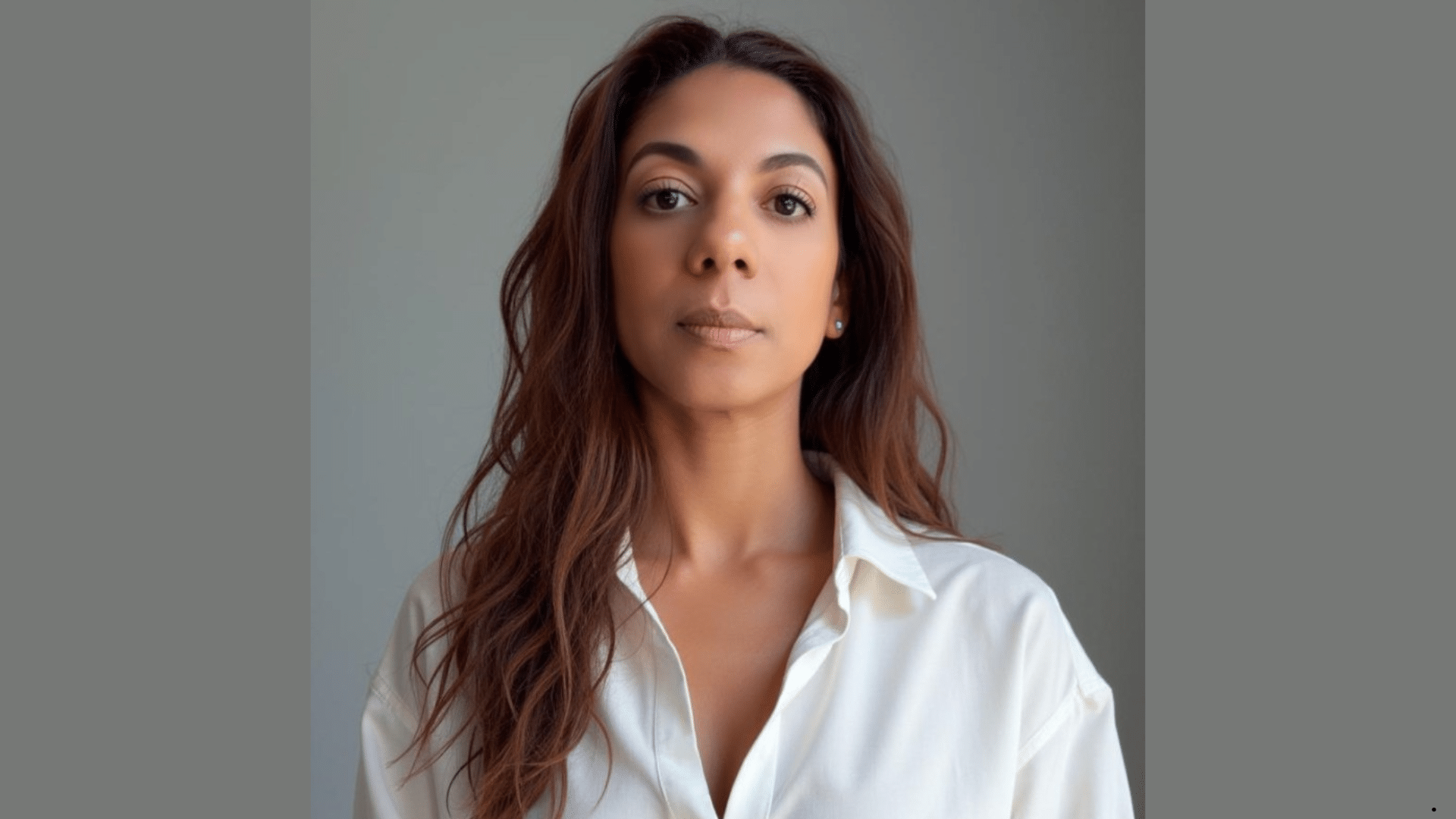
The creator strategy runs through figures like Kendall Dunn, a brand strategist and author who built nearly a million followers as a military spouse content creator under the name @kendallmariah. During 2020, having just gone through the adoption process, with her husband deployed and a newborn at home as the pandemic began, she began documenting her life online. The audience that found it recognized something that was not being covered elsewhere. That recognition points to the market Katherine is building around: brands want access to the military community, she argues, and consistently underestimate what it takes to earn credibility there.
The Military Spouse Has Been Written Out of the Story
For most of the Creator Economy’s history, military content has meant veteran and active-duty content. Katherine built a dedicated spouse vertical, Mighty MilSpouse, within We Are The Mighty in 2024, responding to what she describes as an absence in how the community was covered. “There’s a lot of veteran representation in different places,” Kendall says. “But the spouse has kind of been on the back burner, as we are in all areas of life.”
Katherine, who married an Air Force veteran as he was transitioning out of service and later experienced a deployment while pregnant, describes the spouse’s situation as an invisible compounded workload. The practical management of finances, health care enrollment, and household logistics frequently falls to the spouse, on top of careers and child-rearing, without the on-post support infrastructure that living on a base provides. “The amount of things that these spouses need to manage every single day, on top of things changing around you constantly, it makes this demographic unique, and it makes them powerful,” she says.
Kendall puts specificity on the invisible labor: planning a deployment at 22, sitting down with a new husband to write his will; explaining war to a five-year-old during back-to-back deployments; carrying a book launch and school transitions while solo parenting. “Women carry so much as it is,” she says. “It is certainly another layer that we cannot escape.”
Brands That Want Military Fluency Have to Earn It
The military community’s relationship with mainstream media is strained, and Kendall draws a direct line between that distrust and why creators have become the preferred information channel for military families. When VA benefits change, the community “turns to influencers like myself, content creators and platforms like Task and Purpose for the information,” she says. “They are not driven by politics.”
Brand campaigns that miss the community’s internal culture get noticed quickly. Kendall describes military humor that plays well inside the community but reads badly outside it: a joke framing a deployment as “you’ve got an annual pass to Disney, you’re going to be fine” draws comments of recognition from military spouses who understand the coping mechanism. The same clip, reaching civilian audiences, reads as irreverence. “There is a subculture within the military community,” she says. “Sometimes, our humor is different.”
Katherine frames this as something brands cannot fix through generic audience research. Recurrent’s creator vetting looks for people whose content aligns with the division’s mission, not just creators who have logged brand deals before. “Brand safe doesn’t just mean that you can’t voice your opinions on your platforms,” she says. “It means that they carry the same mission that we do, that they’re helping, not harming the community.”
The Access That Recurrent Offers
When a brand approaches the military community through Recurrent, it enters a three-party arrangement: the content creator, Recurrent’s editorial brands, and the advertiser. Katherine’s media agency arm has handled media and marketing strategy for TrueCar and Aetna, and currently holds a military and veterans agency-of-record position with CareSource, according to Katherine.
For creator campaigns, Recurrent takes on administrative and amplification work. Creators maintain control of their creative line while Recurrent handles brand-safety review and distributes content across its own editorial brands. “We take all of that admin work off of the content creator’s plates,” Katherine says, “and extend that reach for the content creator.”
Kendall manages her partnerships primarily through inbound outreach, supplemented by a management team that pitches selectively outward. Her income combines brand partnerships with book publishing contracts. “When it comes time for a military-minded campaign, I’m on their radar and it’s not a cold pitch to a random brand,” she says. Her partners and collaborators include Fortune 500 companies alongside advocacy organizations such as the VFW and USAA.
Military Life Forces a Different Kind of Content Business
Standard creator career advice assumes a planning horizon that military spouses often cannot maintain. Kendall’s husband completed two deployments in a year and a half. She launched a book during one of them while managing her daughter’s school transitions and solo parenting. Planning a major content push 90 days out, let alone mapping a Q4 strategy in January, is not compatible with the life, from her experience. “Honest to goodness, don’t know what I’m doing in two months,” she says.
The response is a business model built on shorter windows. Kendall plans her business in 30 to 60-day windows, with brand partnerships representing her primary source of income. Affiliate revenue requires sustained attention to links and inventory, which does not fit the available bandwidth. “That is my biggest money maker,” she says of brand deals. Affiliate links, by contrast, “are not paying any of my bills.”
Consumer brands often arrive wanting to be military-friendly, Kendall says, without yet knowing how to be.
Recurrent’s Event Brands Are Its Fastest-Growing Area
Katherine identifies events as the division’s fastest-growing segment. These provide direct dialogue that feeds back into how the brands are edited and positioned. “Through the Military Influencer Conference and MilSpouseFest, we get to actually connect with the community in person,” she says. “It’s not just us pumping out stories. This is us learning about the community as we go.”
Kendall sees live events as the payoff of what creators have been building online. The digital community gives military spouses a foundation of shared experience; the in-person event provides mass. “Being able to get knee-deep and into conversations online and authentically share makes you that much more confident in buying a plane ticket to another city for a three-day event,” she says. “But you need those events.”
Advocacy and Consulting Are the Next Phase
Both Katherine and Kendall describe the present moment as infrastructure-building for military spouse creators to operate professionally and be reached by brands.
Kendall says her next career phase will shift toward consulting and advocacy, helping organizations understand what approaches to military families will actually land. “The strategies that worked two years ago aren’t going to work, much less ten years ago with your MBA before TikTok or these platforms were built,” she says. “Let me help you figure that out because I am boots on the ground.”
Katherine’s near-term focus is brand education. She says that too many marketers still treat the military community as a demographic accessible through general-market buys. “If you’re a brand trying to reach a community and you’re just advertising in the general spaces, I think you’re throwing spaghetti at the wall,” she says. “You have to get in front of that community.”
Subscribe to Our Newsletter
Check Out Our Podcast