






Strategy
How Astral Tequila Built a Five-Episode Microdrama That Drew 6M YouTube Views

When a growing tequila brand earns a tie-in with a film franchise, the obvious move is a product placement. Astral Tequila used its partnership with “Practical Magic 2” to build something larger: a five-episode original story designed to extend the film’s world while putting its signature Midnight Margarita at the center.
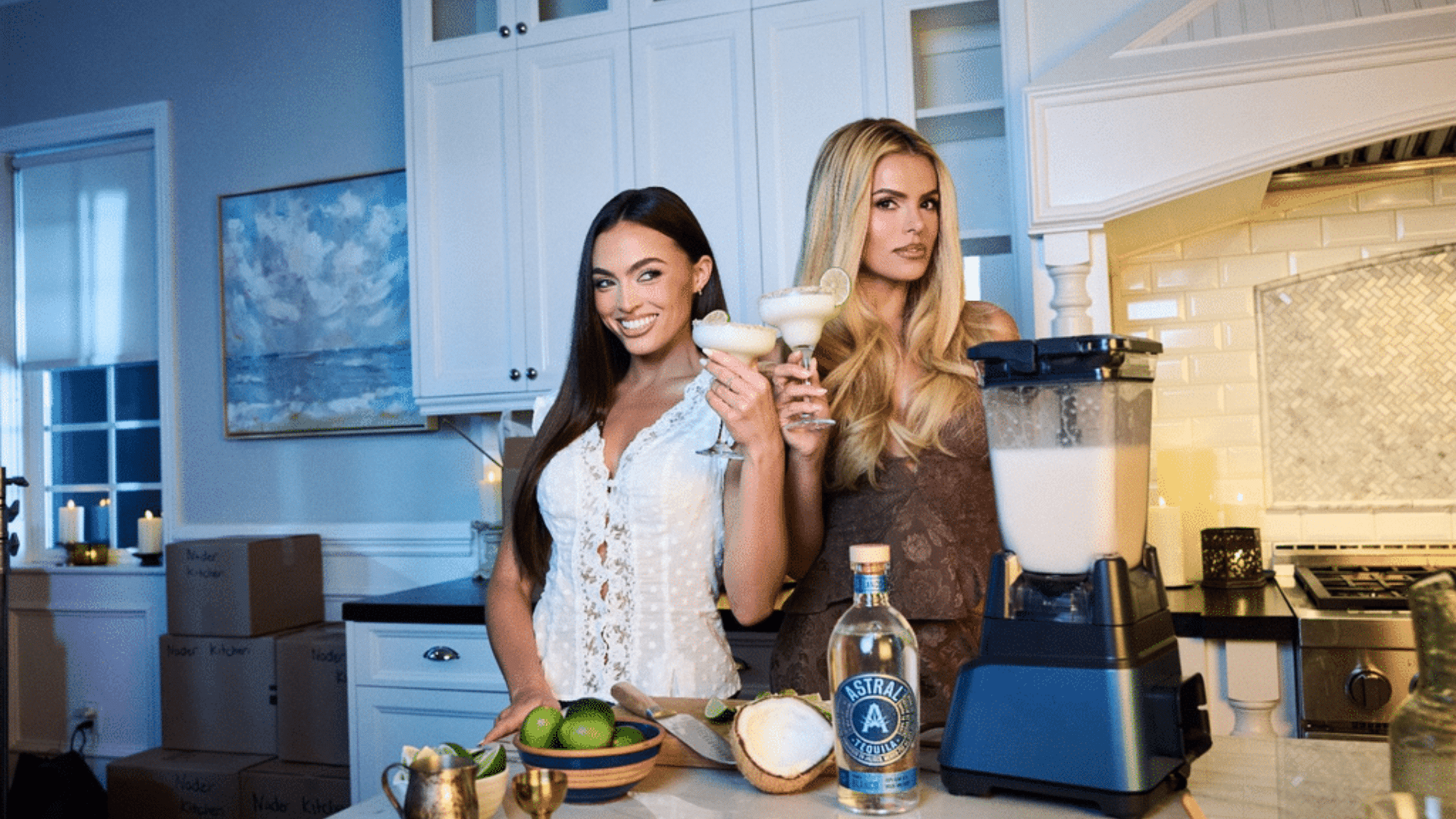
Astral, a Diageo brand still building national awareness, secured an on-screen placement in the Warner Bros. sequel to the 1998 cult classic starring Sandra Bullock and Nicole Kidman and developed a social microdrama around the partnership. “It’s Midnight Somewhere” follows two sisters navigating the Owens family world over a Midnight Margarita-making evening that takes an unexpected turn. The five-episode series launched across Astral’s TikTok, Instagram, and YouTube channels on August 26, 2026, and has since drawn more than six million views on YouTube alone, with the opening episode reaching 2.4 million. The campaign also generated more earned media impressions than any previous Astral effort, according to the company.
“We’re growing, there’s tons of momentum, and we felt like this was our moment to break through a little bit more into culture,” says Jennifer Rapp, who has led Astral for more than three years and oversees additional brands in Diageo’s broader tequila and mezcal portfolio. Diageo maintains a dedicated entertainment team in ongoing conversations with major studios; it was through that function that the Practical Magic 2 opportunity surfaced.
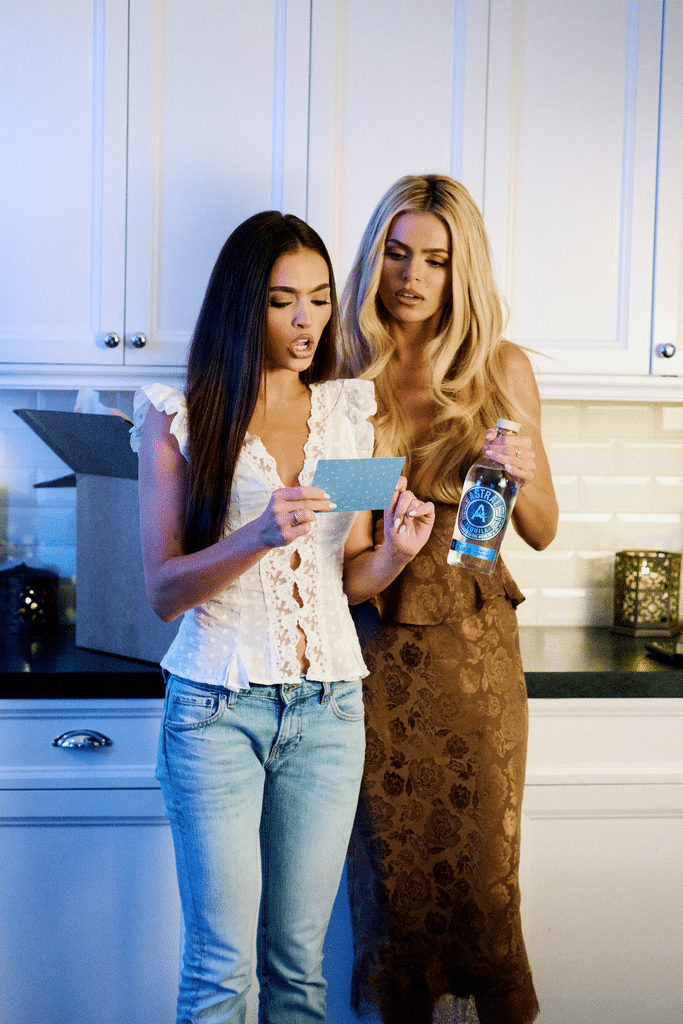
The creative lead was Madelaine Turner, a Los Angeles-based writer and director known for viral parody videos and commercial work for brands including Target and Walmart, as well as collaborations with Gucci, who came on through production company Merman to concept, write, and direct all five episodes. The series stars real-life sisters Brooks and Grace Ann Nader, models and television personalities known for the Freeform and Hulu reality show “Love Thy Nader.” “My big goal,” Madelaine says, “was making it as contained as possible and as interesting as possible, keeping sisterhood and magic at the forefront.”
A Margarita Scene That Took 28 Years to Sponsor
The partnership’s product-level logic starts with a category match: a margarita, made with tequila and lime, is Astral’s core serve, and the franchise’s most recognizable scene is built around one.
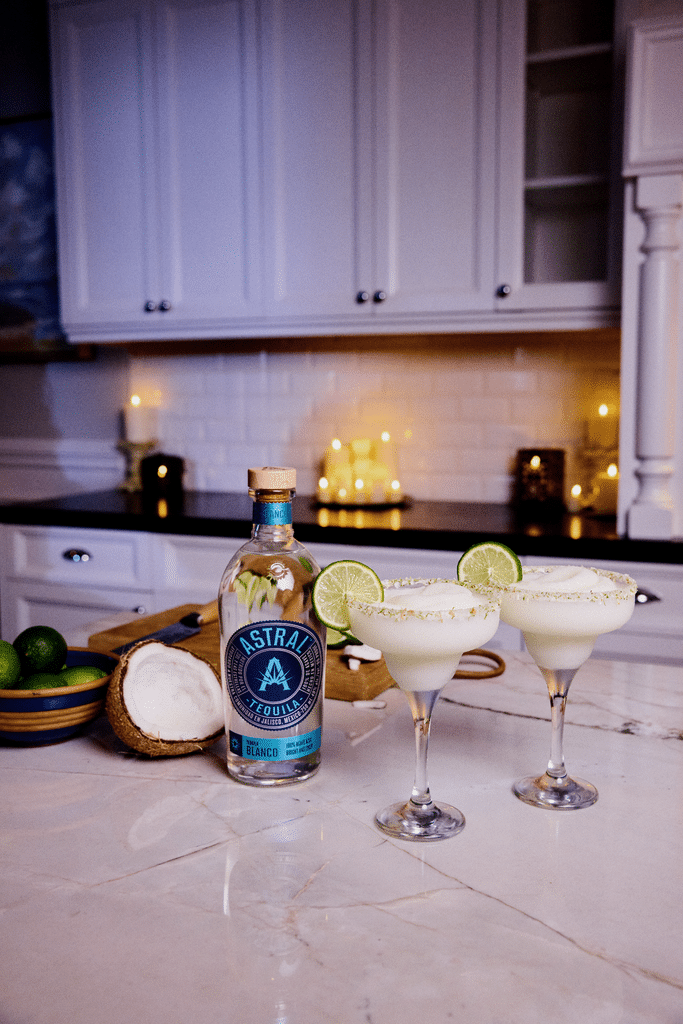
“We can all agree there’s no more iconic moment in film history than this midnight margarita scene,” Jennifer says. The scene’s cultural longevity, however, came with a practical complication for a brand building toward younger consumers: as Jennifer acknowledges, the moment is “probably something that’s quite unfamiliar to that generation.” Whether to lead with the scene’s nostalgia or design around its unfamiliarity became the creative problem the microdrama had to solve.
She frames the brand’s connection as extending past the product category. “Is it just about the margarita or is it about what that moment represents? It’s about making your night brighter by the people you’re able to share it with. These themes of sisterhood, of collective joy are very much tied into the Astral brand,” she explains. The brand’s product story also resonated with the film’s talent: Astral uses the traditional tahona milling process and upcycles its agave byproduct into adobe bricks used to build homes in Jalisco, Mexico. “Sandy particularly heard about this and was really endeared to the brand,” Jennifer says.
The Campaign Needed to Reach Two Different Audiences
The central creative challenge was one of dual audiences. “Practical Magic” carries a fanbase that has sustained the original for nearly three decades, many of whom would recognize the blender in the first frame of any Astral content. Any campaign touching the franchise would be measured against those expectations.
At the same time, Astral was building toward consumers who had never seen the film. “You wouldn’t really understand where that is coming from or why we’re doing this without any context of having seen the original,” Jennifer explains. Recreating the blender scene directly would have left younger audiences without entry points.
The casting decision was where both priorities converged. Jennifer’s brief to the team was specific: real sisters with “natural, sparky chemistry,” capable of carrying a standalone story without franchise backstory. Madelaine approached the brief by studying the Naders’ existing content before writing a single line of the script. “I wanted them to feel really seen,” she says, “giving both of them an opportunity to be funny and campy and a little bit over the top.” The design held across both groups, Jennifer says. “We’ve been able to delight franchise people who’ve been fans for decades and also people who are coming into it for the first time.”
Why the Team Pushed Against the Microdrama Formula
Multiple concepts were developed before “It’s Midnight Somewhere” reached its final form. Some were creatively strong but set aside because they failed to center the Midnight Margarita prominently enough.
“We made some hard decisions about content that we felt could have been compelling,” Jennifer says, “but wasn’t allowing us to focus on the Midnight Margarita as squarely as we knew we wanted to.”
For Madelaine, the more fundamental choice was to push against the format’s existing conventions. “There’s a preconceived notion of what a microdrama is,” she says. “We were always trying to push less for the prescriptive version and more for something narrative and cinematic.” In practice, that meant building characters with enough depth to carry five episodes and designing each one to end on an open question rather than a moment of resolution, so viewers had a reason to return. The series leaned into the visual language of the Practical Magic world rather than defaulting to the quick-cut, attention-chasing structure more common in the category.
That philosophy extended to product integration. Rather than staging standalone product shots, Madelaine built Astral into the narrative at the opening of each episode, with the bottle appearing as part of the action. “Respecting the audience,” she calls it. “This is a world we’re building. This isn’t just a product shot.”
Five Episodes, One Shoot Day
The five-episode structure was not fixed in the original brief. Three episodes felt narratively thin; five provided enough runway for cliffhangers and the kind of character momentum that brings viewers back.
“That’s the mechanism that makes a microdrama really fun,” Madelaine says, explaining that each episode needs to end with something that makes viewers want to continue.
All five were shot in a single day in July 2026, a constraint the team reframes as a discipline. “It’s heavy on the pre-production,” Madelaine says. “But being able to strategize and communicate exactly what we wanted to everyone, the whole thing went through with basically no hiccups.” The script was approximately 95% finalized before the shoot, with improvisation surfacing primarily in the confessional-style segments.
The Microdrama Is a Closer, Not an Opener
Jennifer is direct about what a five-episode series cannot do without prior context. A viewer arriving cold, she argues, has less to work with than one who has already encountered the brand through faster formats.
“Prior to the microdrama coming out, we had a series of lighter, quicker opportunities to introduce the partnership and the brand within this cultural moment,” she says. “Then take them into this story and allow them to go deeper.”
The touchpoints layered around the microdrama included the on-screen placement in the film, a Joey King appearance in the series finale coordinated with Warner Bros., a Joey King and Jimmy Kimmel YouTube integration, and a four-city experiential margarita tour with on-site sampling at festivals and theater events. Bartender screenings at theaters nationwide added on-premise reach. The microdrama, in Jennifer’s framing, was designed for the viewer who had already cleared those earlier touchpoints. “The most important thing behind getting people to be aware of the brand,” she says, “is to try it.”
What the Campaign Established
The campaign runs through Halloween 2026, timed to an important season for tequila brands focused on bars and restaurants. Six million YouTube views across five episodes represent the floor: TikTok and Instagram distribution ran concurrently, and the campaign generated more earned media impressions than any previous Astral effort, according to the company.
“While we’re still assessing the campaign’s full impact, we’ve seen strong momentum on the brand overall, with Astral up more than 20% in bars and restaurants over the summer period,” says Jennifer.
The view pattern across the five YouTube episodes carries its own data: the opening episode drew 2.4 million views while the fifth reached over 700,000, a drop of more than 70% from opener to closer. Whether that reflects standard behavior for a branded short-form series or a ceiling on how far a microdrama can pull new audiences is a question the campaign leaves open.
Two principles emerge from how both subjects describe the campaign’s construction. For Madelaine, the creative test for any microdrama is whether the story stands on its own, independent of IP and brand familiarity. “Don’t underestimate your audience’s attention span,” she says. “If you present an interesting story, people will want to watch it.”
For Jennifer, the structural lesson is about sequencing: a five-episode narrative is a destination, not an entry point, and it performs best when lighter awareness formats have already done their work. “If there are stories that Astral wants to tell and a microdrama fits, absolutely, 100%,” she says. “We’d approach it the same way with anything else.”
Subscribe to Our Newsletter
Check Out Our Podcast