


Influencer
GigaStar Makes YouTube Revenue Tradable as Its Creator Economy ‘Nasdaq’ Works to Build Liquidity

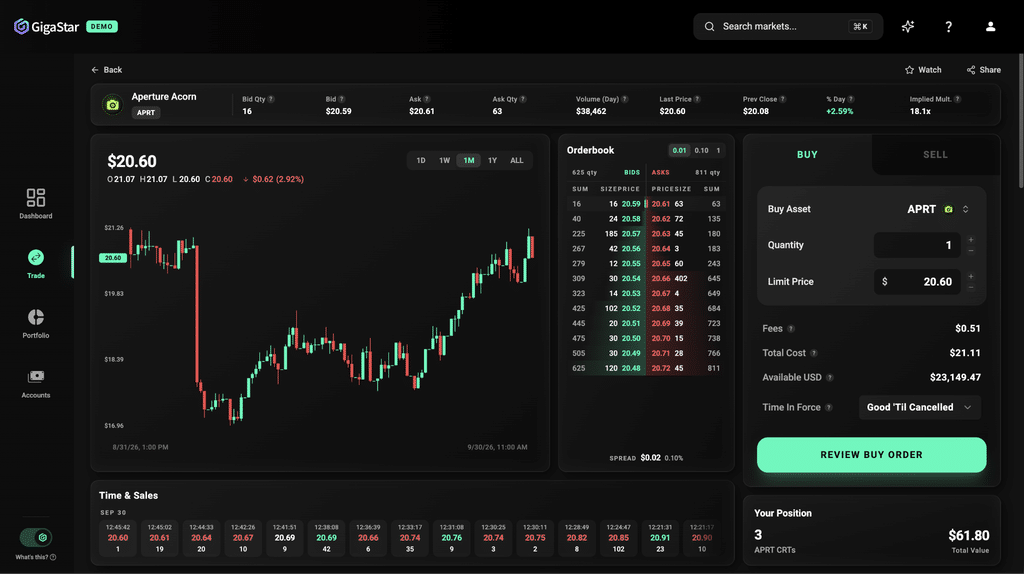
Until this summer, fans who bought a share of a YouTuber’s future ad revenue on GigaStar had one option: hold it and collect monthly payouts. Now they can sell it, as long as someone on the other side wants to buy.
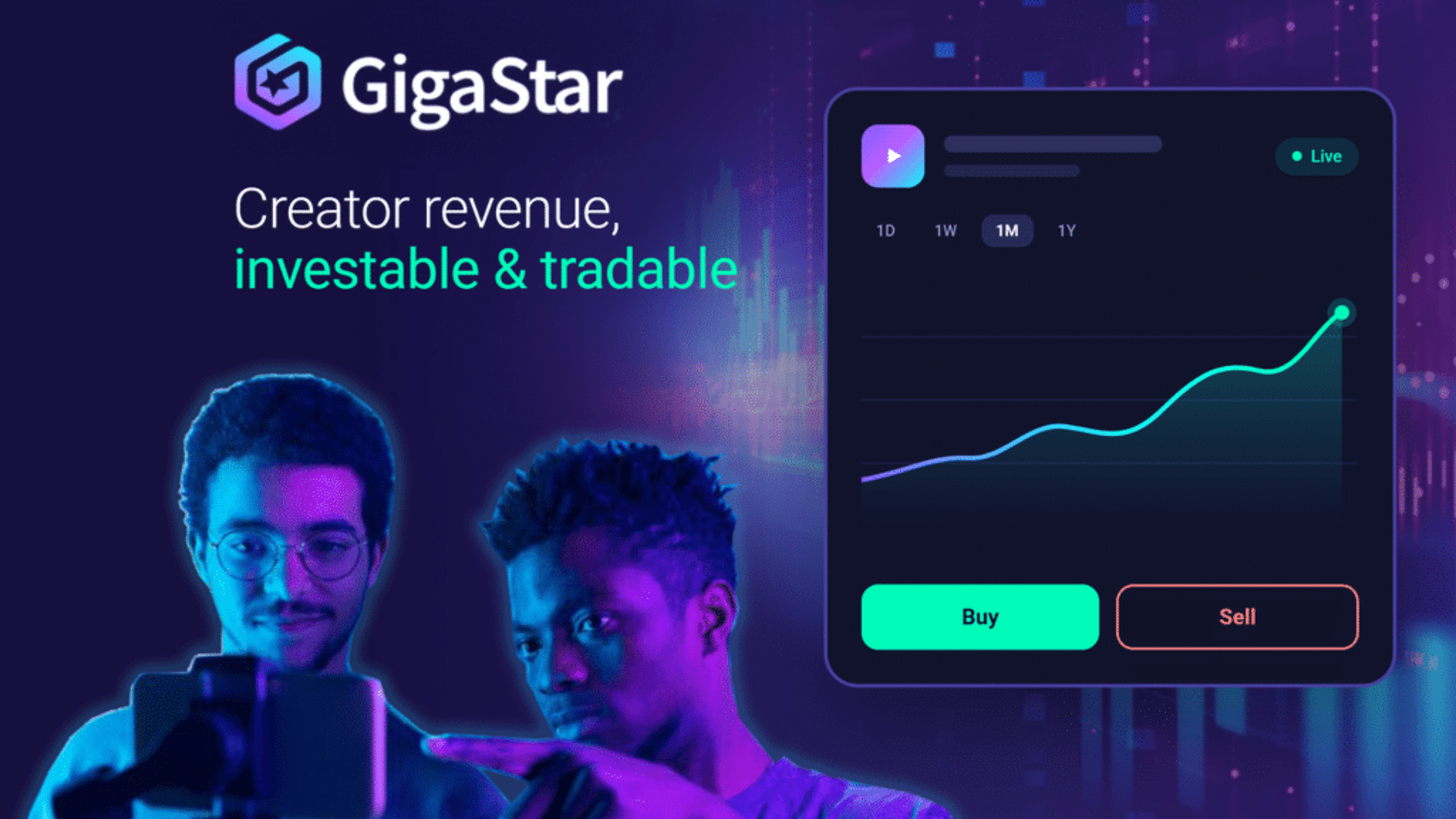
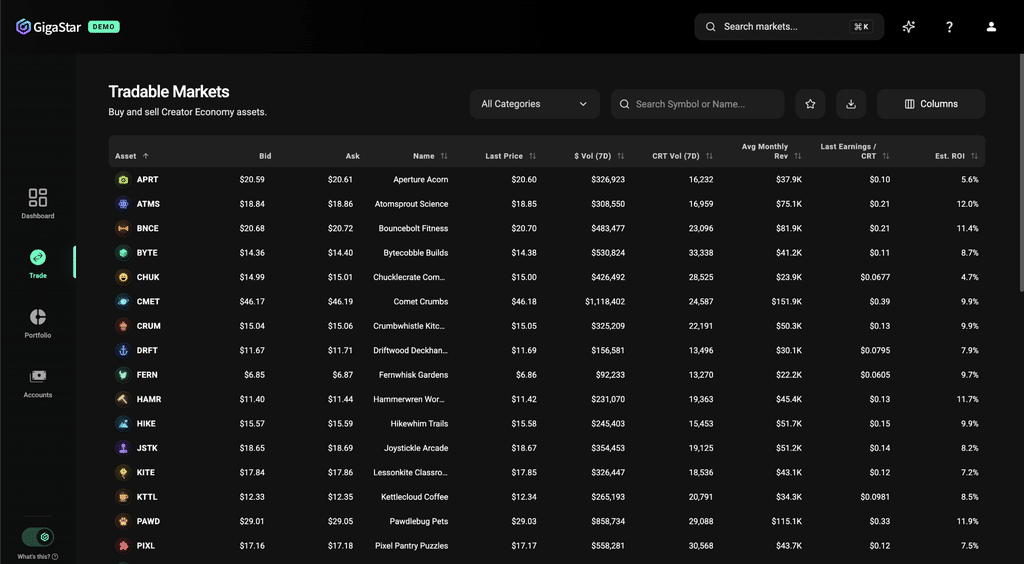
That shift is the core of GigaStar Trading, the secondary market the company soft-launched to the public in July. “It’s almost like we have built the NASDAQ for the Creator Economy,” says Sarah McNabb, GigaStar’s Chief Marketing Officer. “Before, we had positioned creators’ future revenue as something that people could invest in, and now it can be traded.”
GigaStar, based in Chicago, works on two sides. Creators list a percentage of their future YouTube revenue on GigaStar Market, its SEC-registered crowdfunding portal, to pay for equipment, staff, or other growth. Individual investors over 18, many of them fans, buy in. Sarah has run marketing at GigaStar since June 2022, after more than a decade marketing trading and financial firms including Tradovate, OptionsCity Software and PTI Securities & Futures, where she handled FINRA filings and regulatory-compliant marketing.
She describes the fan proposition as “Patreon on steroids.” A fan helps fund a creator’s raise and gets a potential return, which she argues makes it “more of a partnership in this growth.”

Two Years of Licensing Gave GigaStar Its Head Start
To run a secondary market, GigaStar needed to register as a broker-dealer and meet regulatory requirements to operate a digital alternative trading system (ATS). Sarah says the process took “about two years” and “roughly a million dollars in legal and compliance fees.”
“We thought it would happen sooner,” she shares. Because the product was new, regulators came back with additional questions, and the company needed approval in all 50 states before launch, each with different requirements. “You would think that things would be a little bit more digitized and modern working with the states. No,” she says.
The payoff, in Sarah’s telling, is a moat. She says GigaStar is “only one of 10 U.S. platforms cleared to trade digital asset securities” and the only secondary market for creator revenue securities operated by an SEC-registered broker-dealer, adding that “the regulatory licenses really provide us with a very strong first mover advantage.”
The process also cost time with customers. Sarah says trading arrived about a month and a half late, a delay she attributes to getting compliance right, and says the community extended “a lot of grace and understanding.”
Early Trading Shows Repeat Users, With Volume Still Small
Since the soft launch at the end of July, GigaStar Trading has handled about $130,000 in trading volume and more than 1,000 executed trades, according to Sarah. About 73% of traders come back to trade again.
One pattern she can’t fully explain: “Wednesdays are the biggest trading days of the week somehow.”
The secondary market sits on a larger primary base. In its September announcement, the company said GigaStar Market had registered more than 30,000 investor accounts and distributed more than $1.5 million in YouTube revenue to investors, and that GigaStar Trading had added more than 1,000 accounts since late July.
Against that base, trading is an early-stage business, and Sarah describes it that way herself. “It’s a newborn, it’s still small, still growing and still delicate,” she says.
Many Fans Are Holding, and Their Biggest Question Was How to Cash Out
Not every token holder wants to trade. Sarah says many investors who backed a creator “are not willing to part with their channel revenue tokens because they love the creator,” treating them as “a buy and hold situation.” The platform shows historical revenue for each channel so investors can judge whether selling makes sense.
The more pressing question has been practical. Investors receive monthly payouts in USDC, a stablecoin pegged one-to-one with the U.S. dollar, distributed through smart contracts on the blockchain. Many had been accumulating it with no clear next step.
“The biggest question was, ‘How do I cash out?’” Sarah says. Investors can now transfer USDC to a bank account in dollars, use it to trade, or buy more channel revenue tokens.
Because many users tell GigaStar it is their first time investing in anything, Sarah says the company is adding education alongside incremental product improvements.
Liquidity Is the Open Risk, So GigaStar Is Bringing In Market Makers
Selling still requires a buyer, and Sarah doesn’t dispute it. “There’s no guarantee for the person who wants to sell to find a buyer on the secondary market,” she says. “That’s actually part of the risks of participating.”
She describes liquidity as “still small, but it’s building,” and says GigaStar is bringing in “a couple of outside market makers” to help make markets so sellers can find counterparties.
The company’s own disclosures spell out the same risk. The investments are speculative and can be lost entirely, past payouts don’t guarantee future returns, securities bought on GigaStar Market must be held 12 months before they can trade, and there is no guarantee of an active or liquid secondary market.
The holding rule also shapes supply. As more primary-market positions pass the 12-month mark, Sarah expects “a rolling line of new assets” to reach the trading platform.
Creators Earn Fees, Not New Capital, When Their Tokens Trade
When tokens change hands, the creator raises no new money. Instead, creators receive a small technology platform fee each time their securities trade, paid out quarterly, so heavier trading in a creator’s tokens means a larger payment.
Sarah also points to where GigaStar’s incentives sit. “We, as a company, don’t make any money unless the YouTube creator’s offering closes successfully,” she says. She positions GigaStar as a YouTube creator services partner that stays involved after a raise, helping with issues such as impersonation or channel strikes that could endanger revenue.
Her advice to creators is to plan before they need the money. “Creators are entrepreneurs, and they should absolutely think like entrepreneurs,” she says, arguing they should line up resources ahead of ad revenue drops or algorithm changes.
For now, offerings cover only YouTube ad revenue, not brand deals or other income. Sarah says GigaStar aims to expand to platforms such as TikTok and Instagram over the next six to 12 months.
GigaStar’s Next Phase Depends on More Traders and Institutional Money
Sarah’s 12-month goal is to “10x our current data points” and onboard 5,000 traders. As more securities clear the holding period, GigaStar plans to invite institutional traders onto a platform that currently serves individuals. Further out, she floats “exchange-traded funds for creators,” such as a basket of financial YouTube creators.
In the near term, her focus as CMO is closing GigaStar’s own community round on Wefunder this quarter, then putting more marketing behind GigaStar Trading and attracting larger creators like “Craftee,” which she calls one of the biggest Minecraft YouTube channels in the world.
“You buy it, you get paid while you hold it, trade it when you’re ready,” she says.
Subscribe to Our Newsletter
Check Out Our Podcast