






Influencer
How Aliyah Bah Turned #Aliyahcore Into Fabtopia, Extending Her Creative Universe Into an Apparel Brand

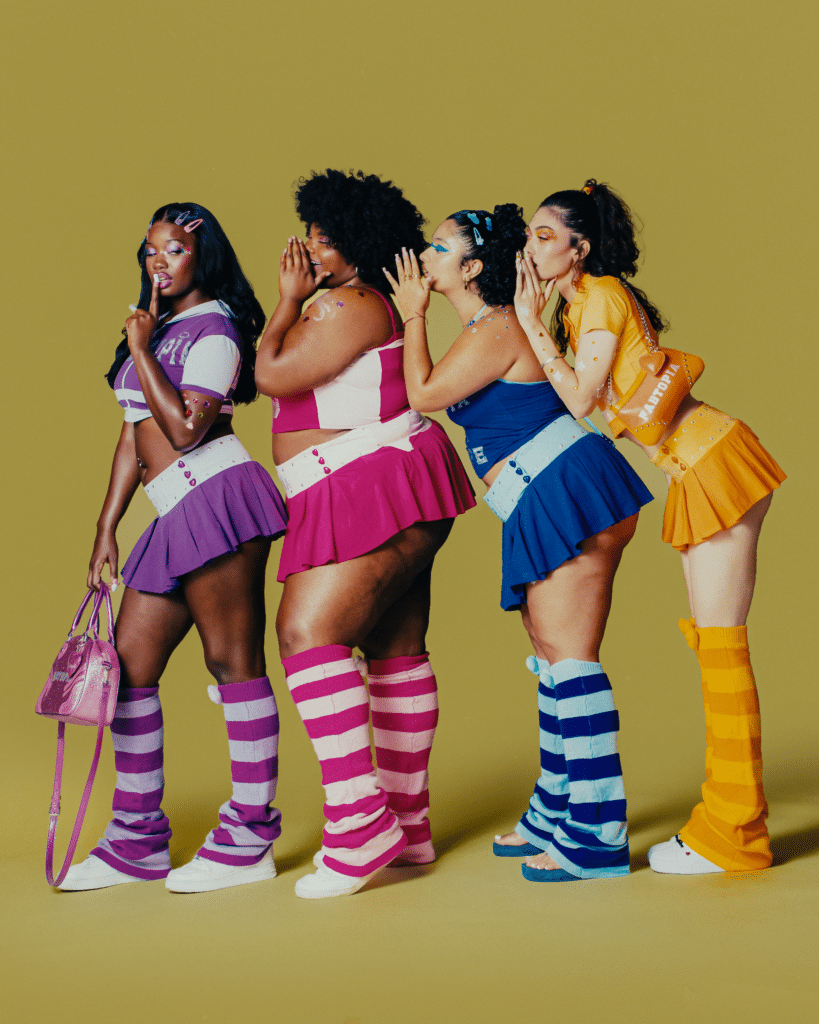
Aliyah Bah did not launch her personal brand Fabtopia the traditional way. The Atlanta-based content creator and multi-hyphenate artist introduced the apparel line in 2026 via countdown stories, a fake teen magazine universe, and a pop-up in her home city. There was no retail partner, no press campaign, and no conventional rollout.
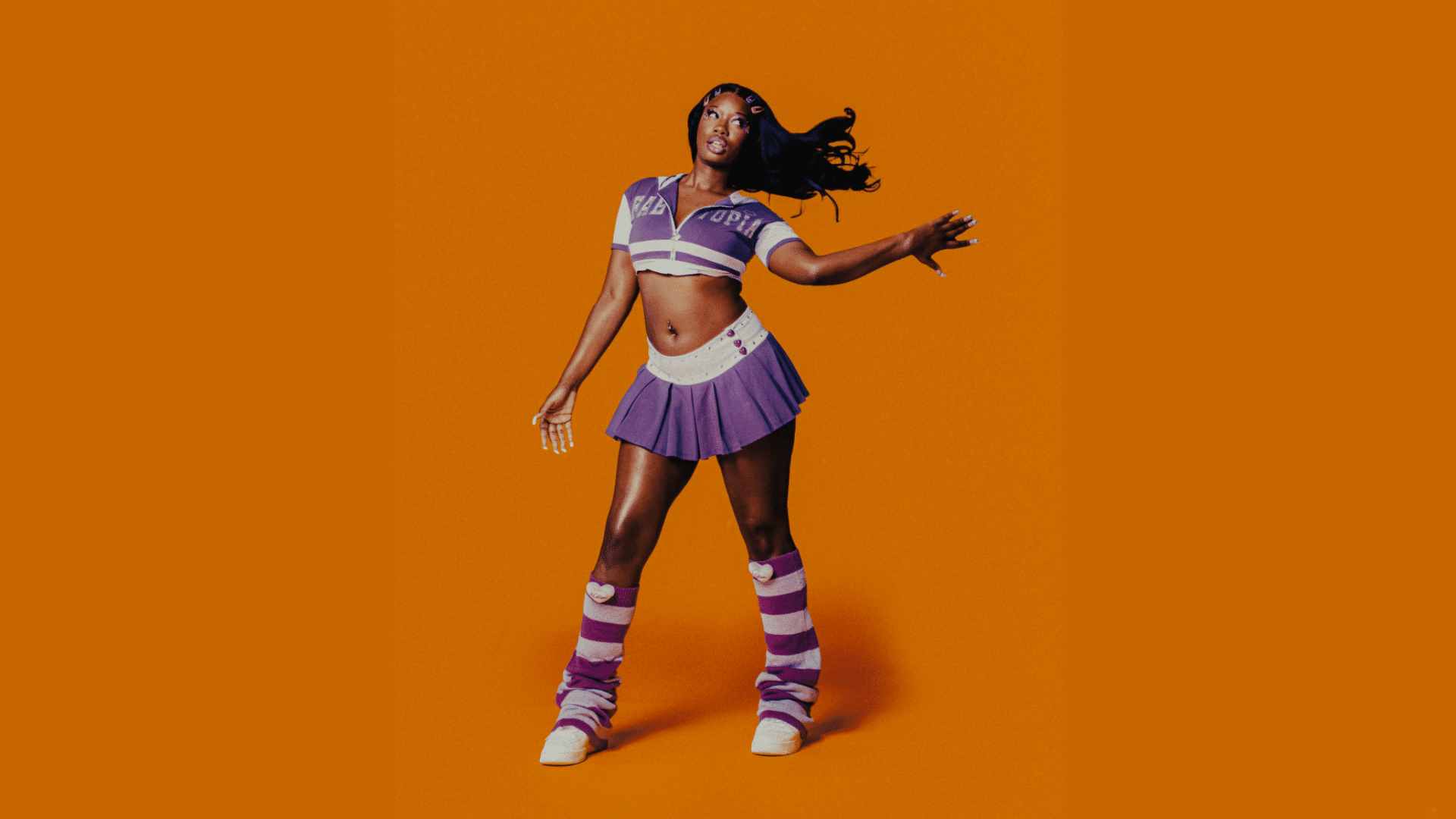
Known online as @aliyahsinterlude, Aliyah built her following around the fashion movement #Aliyahcore, which has since been taken up by Doja Cat, Kali Uchis, and stylist Law Roach. She has walked for Mowalola Ogunlesi and Dominnico; her single “It Girl” has surpassed 202 million streams; her debut EP, Kuntology 101, dropped earlier this year.
She describes her creative output as a solar system. Every piece of art she has released is “kind of like a little planet or a star. And Fabtopia is just another extension of that,” she says. The logic applies whether the medium is music, fashion, modeling, or a pop-up.
The Clothes She Made at Fifteen
Aliyah grew up around fashion before she could name it. Her parents, Sierra Leonean immigrants, ran a clothing recycling business, and she has been thrifting since childhood. Around 15, she started making her own clothes, learning to sew, upcycling what she found, and cutting garments apart to reassemble them. The style that would eventually become #Aliyahcore was forming long before any audience was watching.
What clarified everything was the discovery that the bullying she experienced did not depend on what she wore. “I’ve been bullied my entire life. It didn’t matter if I dressed up or if I dressed down or if I was different or even if I tried to assimilate myself, I would still get made fun of,” she says. The conclusion she drew was simple: “I might as well just do whatever I want.”
COVID lockdown in 2020, when she was home from Georgia State University, created the conditions for something new. Posting on TikTok for the first time with no audience, she says the freedom was immediate. “When you first start making content without an audience watching you, you really do feel like nobody is gonna see it. So you’re way more adventurous with the things that you post,” she says.
What the Hashtag Was Actually Telling Her
Her early TikTok content was comedic and relatable, with fashion incidental to the humor. The shift came when she started centering her outfits, and viewers began recognizing the aesthetic as consistent and replicable.
“I saw the number of views on the hashtags rise. Millions and millions of views, like, every single week,” Aliyah says. “That’s when I knew, ‘Okay, this is not just something that’s on social media. People are really connecting with this in real life.’”
What she says #Aliyahcore actually is has never been about specific clothes. “It’s just about not caring about being perceived, being yourself no matter what, and just not caring about people’s perception of you,” she says. In 2022, a Twitter post of her in a bikini and moon boots reached a global audience, drawing hate comments from people who had not previously followed her and, by her account, an outpouring of support from those who had. “It really just made me realize how many supporters I have and how many people really stick up for me even when I don’t ask them to,” she says.
A Portfolio, Not a Platform
Aliyah approaches the platforms she uses with distinct strategies. “I view Instagram as my portfolio, especially through fashion.” She thinks carefully about backgrounds and outfits in every photo, and says Instagram Reels gave her an outlet to be “more personality driven” rather than just presenting images.
Her TikTok routine is more spontaneous. “I open my TikTok, I make a random video, I put away my phone, and then I’ll do it again sporadically another time,” she says. “It always has to be my thoughts in the moment.” Volume, she is clear, would break the whole thing: someone running her account without her would get it wrong immediately by posting too much.
X, she says, is “the most unserious app ever,” a place where casual posting is expected. The platform currently driving her audience growth is none of these. Fabtopia is the engine right now, pulling in new viewers from the Explore page who are encountering her for the first time as a founder, not just as a creator.
The Brand She Built From a Childhood Memory
The inspiration for Fabtopia came directly from Aliyah’s own formative media memories. “I was really just inspired by the really good and happy memories of my childhood,” she says, describing tween culture, girl groups, and teen magazines as the reference points. “A central place that you could get all the juicy drama, but also see all the cute clothes that your favorite celebrities were wearing.”
The brand’s first pop-up was held in Atlanta, as a return to the community that followed her from the beginning. “I want to do an event here so that the people that I grew up with and the people who really supported me from the very beginning can see that I truly appreciate that love,” she says.
The operational realities are less cinematic. Fabtopia runs in sizes extra-small through 3X, and maintaining that range has required warehouse space Aliyah describes as still insufficient. “We have to pay more money for space. We have to pay more money for shipment,” she says. “But I definitely feel like it is worth it because everyone deserves to see themselves look fabulous in Fabtopia.”
Music Doesn’t Pay the Bills
Brand deals are the commercial foundation of the entire system, and Aliyah says that has never changed. “Music does not pay the bills. It never pays the bills. It’s always going to be the brand deals,” she says.
That calculus shapes how she evaluates every collaboration. For artist appearances, personal enthusiasm is the filter. “If I am going to feature myself in somebody’s video or be a part of somebody’s world within their rollout, it has to be an artist that I genuinely enjoy their music,” she says.
The mistake she says brands consistently make when targeting Gen Z is overwriting the brief. “What brands really mess up with a lot of times is thinking that they know better than the person that they’re paying to do the job,” Aliyah says. “But if that was the case, they wouldn’t have even reached out to them in the first place.” Brands that insist on strict creative control, she adds, have asked her to reshoot content over an outfit they considered too explicit or a single profanity.
The Universe Is Still Expanding
For now, Fabtopia is her primary focus, the filter through which she evaluates every brand deal, fashion show invitation, and outside opportunity. Anything that does not align with the “Aliyah’s Interlude” universe does not make the cut, she says. The brand’s next iteration may include original music as Aliyah wants to make Fabtopia theme songs, though the form is still being worked out.
If her approach became a standard playbook for how creators launch products, she says, one principle would define it. “Authenticity wins. It always wins, forever and always,” she says. Building an audience before launching any product, she adds, is equally essential.
Aliyah still carries the 15-year-old who was made fun of for how she dressed. Her message to that person, and to anyone watching now, is unhurried. “The sooner you start to be yourself, the sooner you’ll get everything that you’ve longed for in life,” she says.
Subscribe to Our Newsletter
Check Out Our Podcast