





Strategy
OLIPOP’s Steven Vigilante Says Brands Are Misreading Creator Marketing: ‘One Video’ Is Not a Test

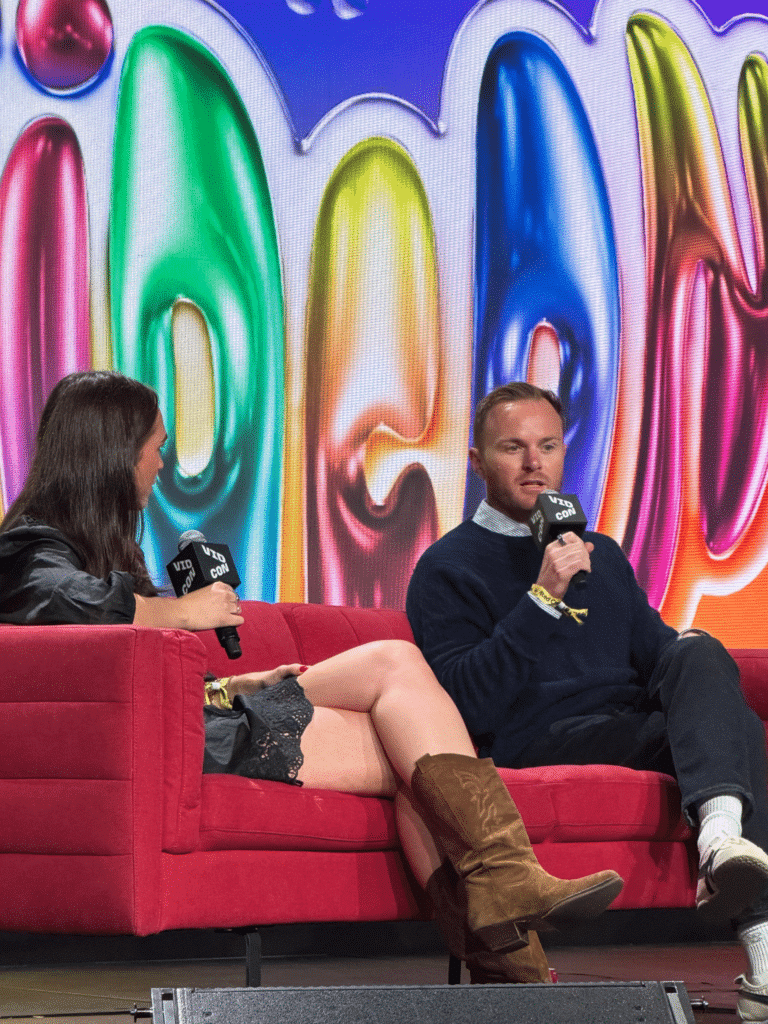
OLIPOP Director of Media and Partnerships Steven Vigilante said at VidCon 2026 on Friday that most brands are structuring their creator marketing tests wrong, and laid out the creator partnership framework OLIPOP has built as the brand has grown into a billion-dollar company.
“I would personally fire someone who thinks they could learn how a channel works from one test,” Vigilante said during a featured session titled “Building Authentic Brand Partnerships That Actually Land” on June 26 at the Anaheim Convention Center. “I personally think you need to invest like $25,000 to $50,000 in a channel over a month or three months to figure out if it actually works for you as a brand.”
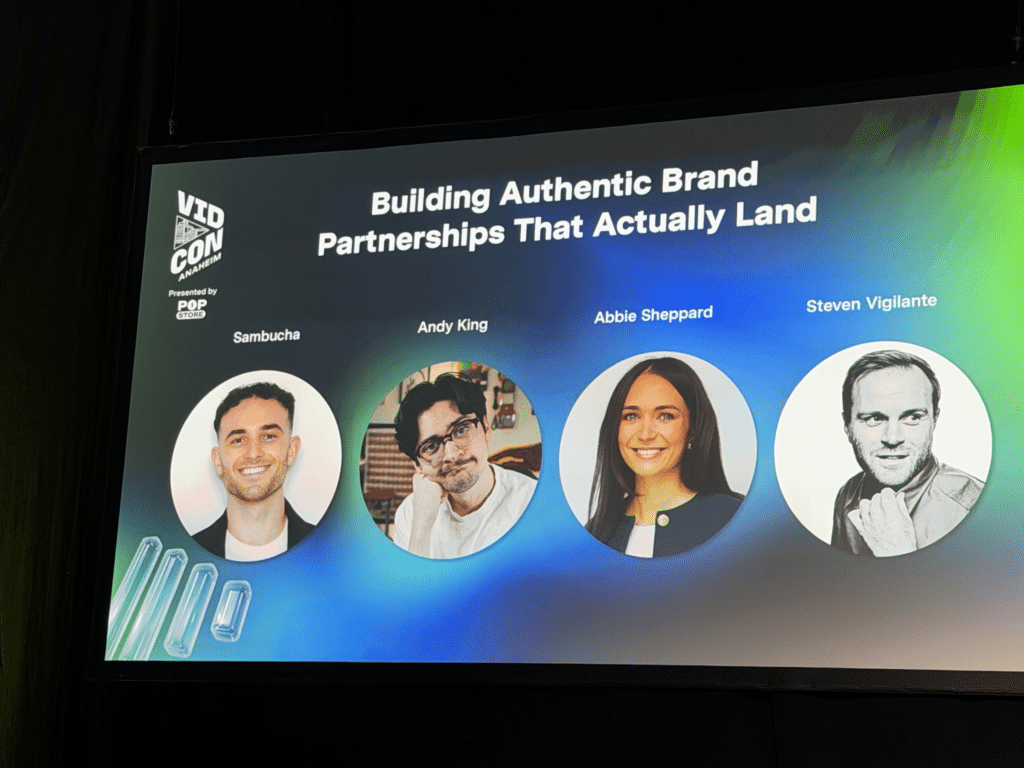
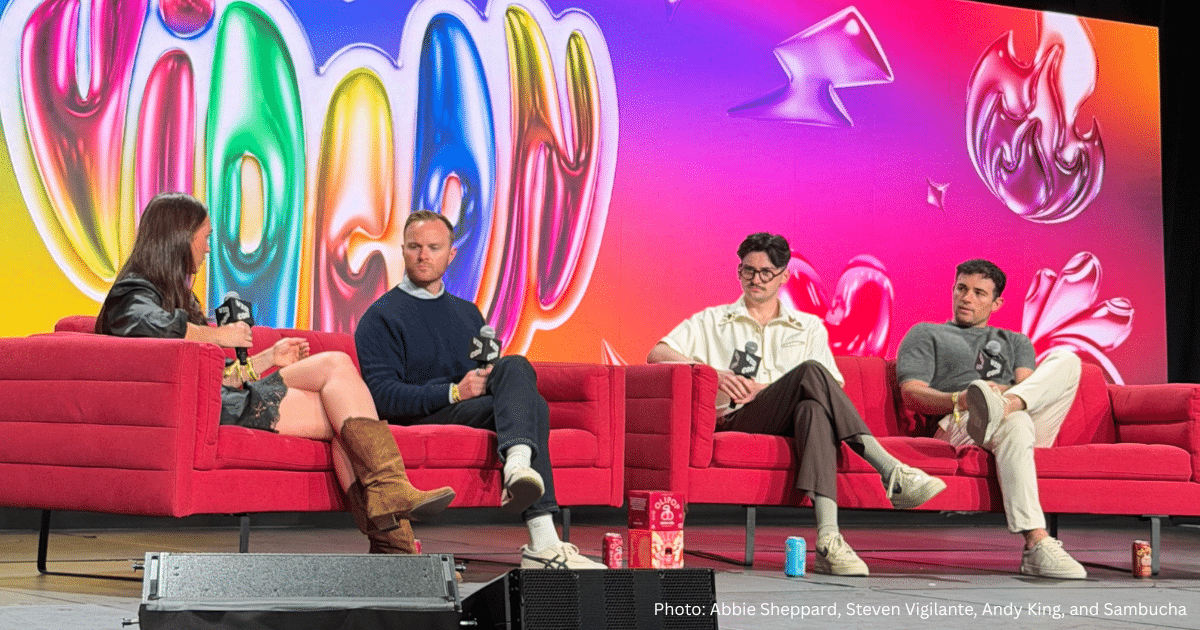
The session, moderated by Agentio VP of Creator Strategy Abbie Sheppard, brought Vigilante together with creators Sambucha and Andy King, both active OLIPOP partners on the Agentio platform. That setup made the panel a live case study: where most brand-creator conversations are theoretical, this one drew on direct commercial relationships between the brand executive and the two creators alongside him. Agentio, a creator marketplace connecting brands including OLIPOP, Uber, and Chime with creators, hosted the session as part of its VidCon 2026 presence.
Vigilante, a founding team member who has spent eight years at OLIPOP, traced the brand’s case for creator marketing to a personal conviction about advertising itself. He said he has disliked advertising throughout his career and built OLIPOP’s marketing strategy around an alternative premise.
“I’ve kind of always strived to integrate naturally into content that people want to watch instead of just interrupting the content that they’re watching,” he said. That philosophy, he argued, is why creator partnerships outperform traditional ad formats for OLIPOP: a creator who genuinely uses and understands the product can integrate it in a way that adds to the viewing experience rather than pausing it.
OLIPOP, which reported more than $400 million in annual sales in 2024 according to company statements, now invests more heavily in YouTube than in Instagram, a reversal from where the brand started following its COVID-era pivot into digital marketing.
Product Fit Before Creative Freedom
Vigilante argued that product simplicity is a prerequisite for creator marketing to function. OLIPOP’s positioning as a better-for-you soda low in sugar and high in fiber can be communicated in two to three points, which he described as step one in determining whether a brand is ready for creator-led marketing at all.
“If you need 60 seconds to explain what it is that you are or what the brand is, it’s really hard to make creative marketing work,” he said. Before signing any creator, Vigilante said he asks them to explain OLIPOP the way they would explain it to a parent. Creators who cannot do it unprompted are unlikely to produce integrations that resonate. “If they can’t do that on their own, it’s probably not going to work.”
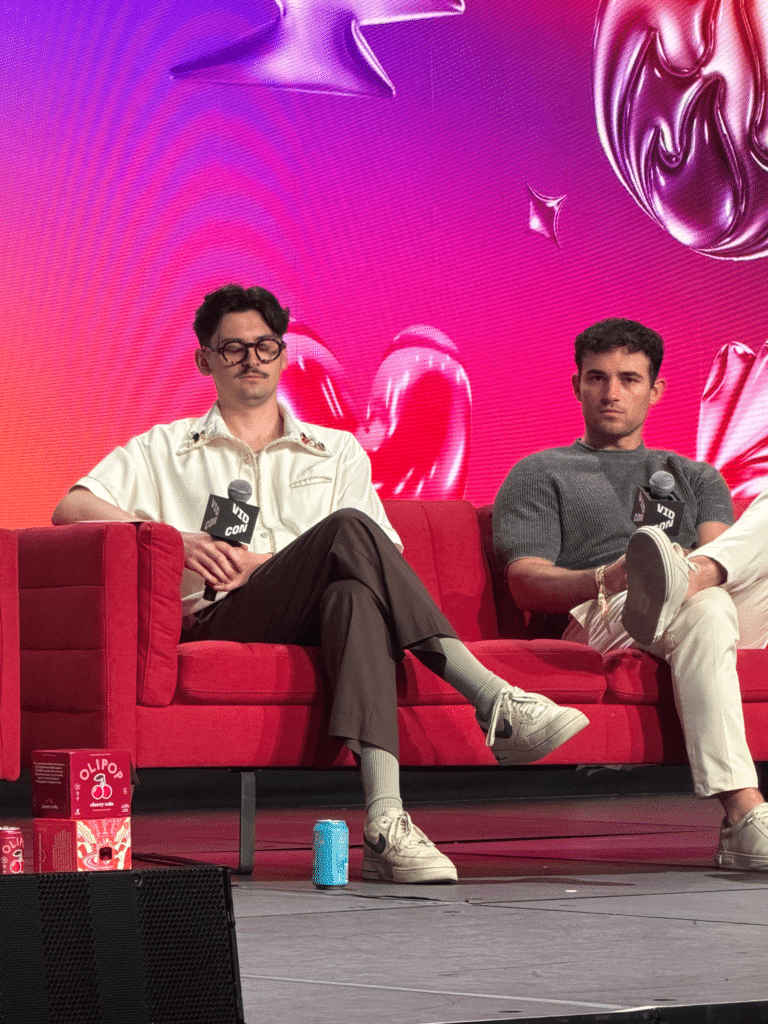
Photo: Andy King and Sambucha
Sambucha, whose YouTube channel has nearly 12 million subscribers and generates more than 250 million views per month, organized his approach to brand partnerships into three categories: products he uses personally and can integrate organically, products he has not used but considers genuinely worth promoting to his audience, and category blocks he declines regardless of the fee offered.
“On my channel, I won’t take gambling deals,” he said, citing that as an example of an absolute block. He placed OLIPOP firmly in the first category. “I drink one a day with my dinner, and so I’m just naturally holding it.”
Andy King, whose YouTube channel has just over 500,000 subscribers and centers on commentary and satire, framed inauthenticity as the primary driver of audience disruption in creator advertising. He argued that leaning into what an ad is, rather than obscuring it, produces more effective results.
“I think a lot of what interrupts is inauthenticity,” King said. “Taking risks, having fun, and leaning into what advertising is – that’s kind of the most effective way to do it these days.”
Both creators described the early pressure to hit every brand talking point as producing the opposite of what brands intended. Sambucha said he used to take verbatim scripts without questioning them, which predictably failed. King said his early instinct was to focus on whether he was doing well for the brand, a framing he said he has since reversed in favor of thinking about how his work can genuinely serve the brand’s goals rather than deliver its bullet points.
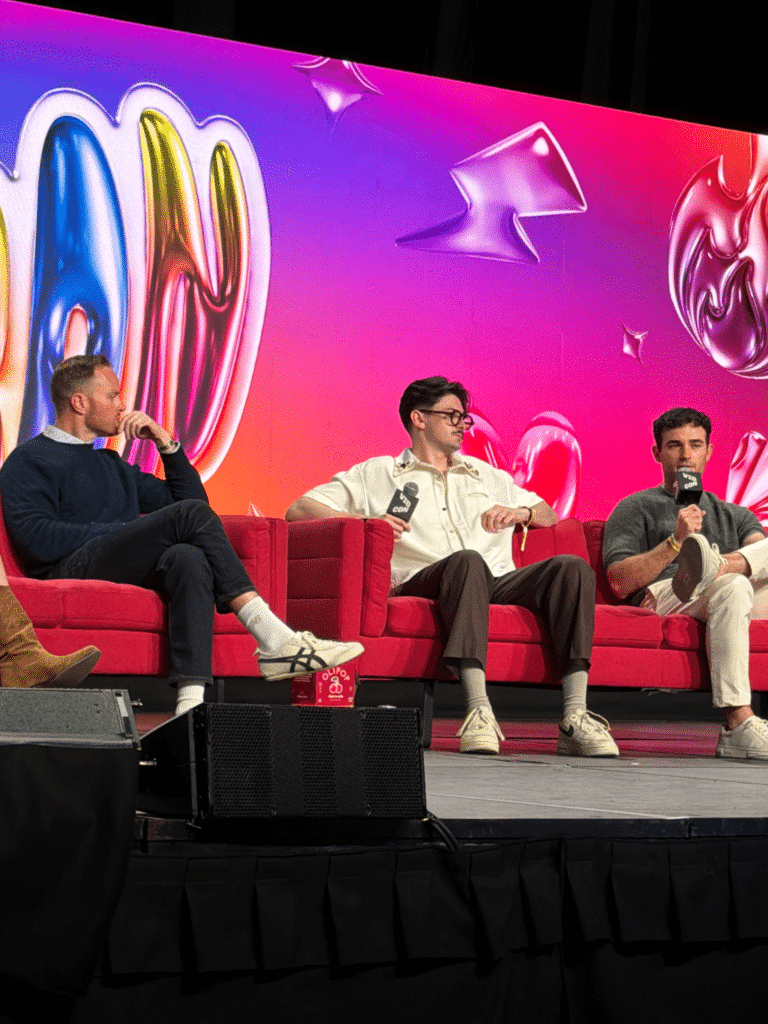
Photo: Vigilante, King, and Sambucha
From Integration to Association
Vigilante said brands looking to build a case for YouTube creator advertising should run campaigns across at least half a dozen creators over the course of a month before drawing conclusions, and need a clear definition of what success looks like before they start.
“Is it a lower CPM? Is it clicks to a landing page? Is it conversions on your website? Is it conversions at retail?” he said. “You’ll never learn all those things from one video.”
Sustained investment creates something that single placements cannot: a creator-brand association that compounds over time. Sambucha described his ongoing OLIPOP partnership as having moved through three distinct stages. Early integrations functioned as top-of-funnel introductions, reaching viewers who had never encountered the product. As familiarity accumulated, it produced brand association. By the third stage, segments of his audience began treating him not just as a promoter of OLIPOP but as a representative of it.
“There are people who legitimately think I’m like a co-owner of OLIPOP,” he said. “I think I have, like, my own flavors and stuff because of how often I talk about it.” He described fans sending him photos from Target and Walmart of what they call his drink, an audience behavior he said he had not anticipated and now considers a meaningful signal of genuine integration.
King described a three-video campaign built around OLIPOP’s limited-edition Pineapple Paradise flavor, a 2025 collaboration tied to “The SpongeBob Movie: Search for SquarePants,” as an example of how narrative continuity across multiple integrations sustains audience participation beyond any single placement. Vigilante noted that the ongoing relationship through Agentio keeps the content strategically current, with the brand flagging new flavors, retail pushes, and specific talking points between videos rather than treating each placement as a standalone buy.
“When you have an ongoing relationship, and you have content coming out every month, we can keep tweaking what we’re talking about to keep it fresh for the audience,” he said.
Measuring What Actually Moves
To build a direct attribution chain from creator content to in-store sales, Vigilante said OLIPOP places custom links in video footers driving to a landing page that offers a buy-one, get-one coupon redeemable at retail. The system tracks page visits, coupon sign-ups, and redemptions, producing a funnel the brand presents to retail partners as evidence that creator campaigns drive foot traffic.
“We can show that to our retailers to show that we’re leveraging these channels to actually drive foot traffic in their stores,” he said.
He benchmarks YouTube creator buys against connected TV and linear television rather than against TikTok or Instagram, because YouTube’s storytelling capacity more closely resembles broadcast than social. A higher CPM on a creator integration that delivers 90 seconds of sustained attention, he argued, may represent better value than a lower CPM on a shorter-form placement where the brand receives only passive exposure.
Sheppard highlighted a gap in how most creator partnerships handle performance feedback: brands frequently withhold conversion data from creators, leaving them without the information they need to improve integrations over time. She described renewal conversations as typically one-sided, with creators learning after the fact that they did not hit a benchmark without understanding what drove the shortfall. When brands share that data openly, she said, the feedback loop produces better results on both sides rather than guesswork on the creator’s end.
Vigilante also flagged an emerging complication for brand marketers evaluating deals in adjacent categories. Prediction market platforms and AI companies are directing large sums toward creator partnerships, but some creators are declining those offers because of anticipated audience backlash. He cited the criticism directed at actor Timothée Chalamet following his commercial for Kalshi, a regulated prediction market platform, which drew negative attention in the days immediately before the panel.
“I know creators are getting massive checks from Anthropic and OpenAI and turning them down because they’re afraid of the audience backlash,” Vigilante said, “which is kind of interesting.”
The session ended with each creator naming the brand they said they could most effectively integrate into their content. Sambucha named Starbucks, citing the natural on-camera presence of a beverage throughout his outdoor, unscripted format. King named DUDE Wipes, arguing that creative risk in advertising consistently outperforms caution.
“The riskiest ads are some of the most successful ads,” King said. “We need to do more risky brands.”
Subscribe to Our Newsletter
Check Out Our Podcast