



Strategy
HotStart’s Scott Van den Berg: Build a Better Product, Pay Celebrities in Equity, Hire Operators Who’ve Scaled

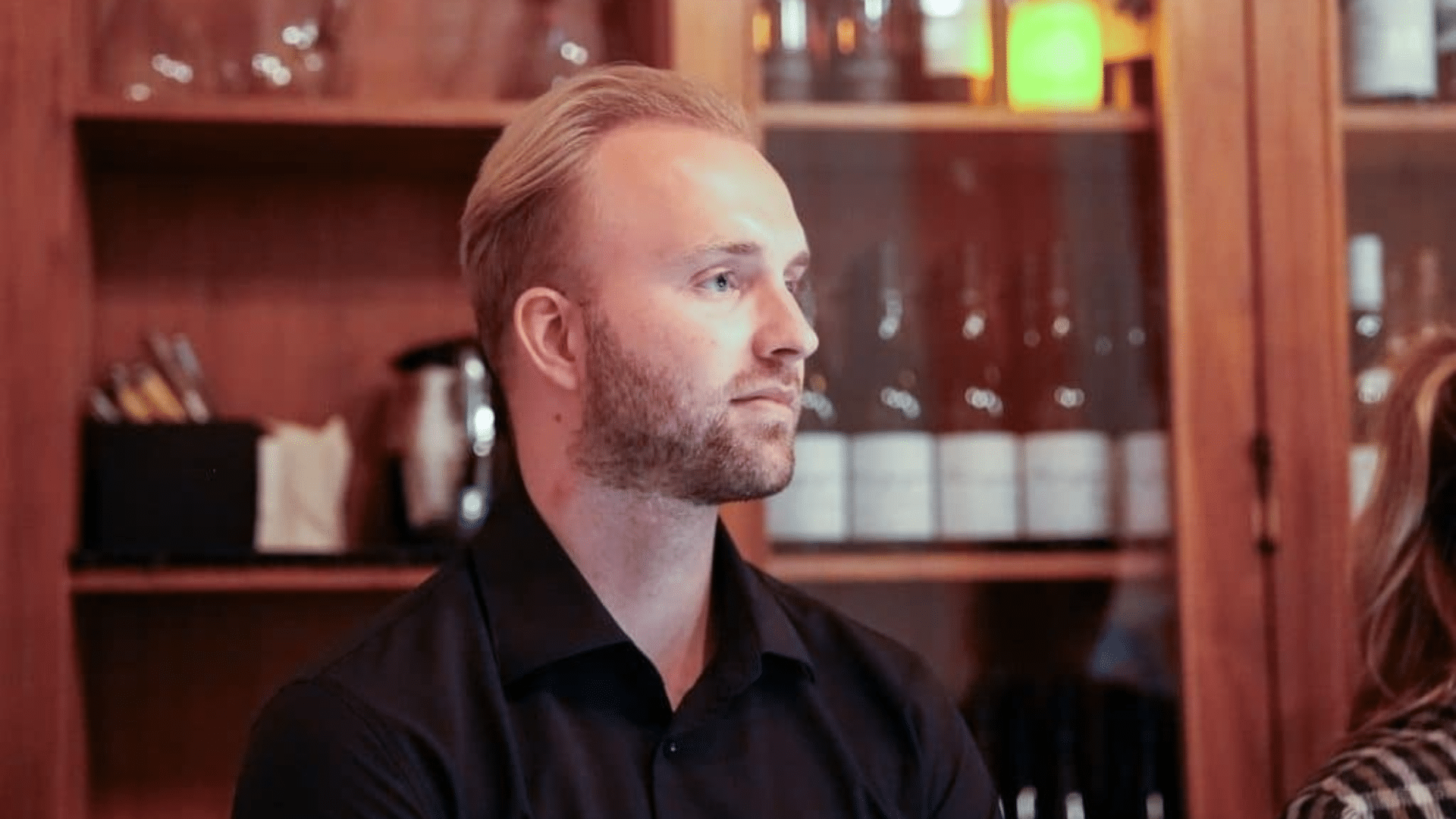
A famous co-founder can sell a brand’s first product. Keeping the customer depends on the product and the people running the company. Scott Van den Berg, who invests in celebrity- and creator-founded brands through HotStart, backs only those that pair a better product with experienced operators and a celebrity who works for equity rather than a fee.
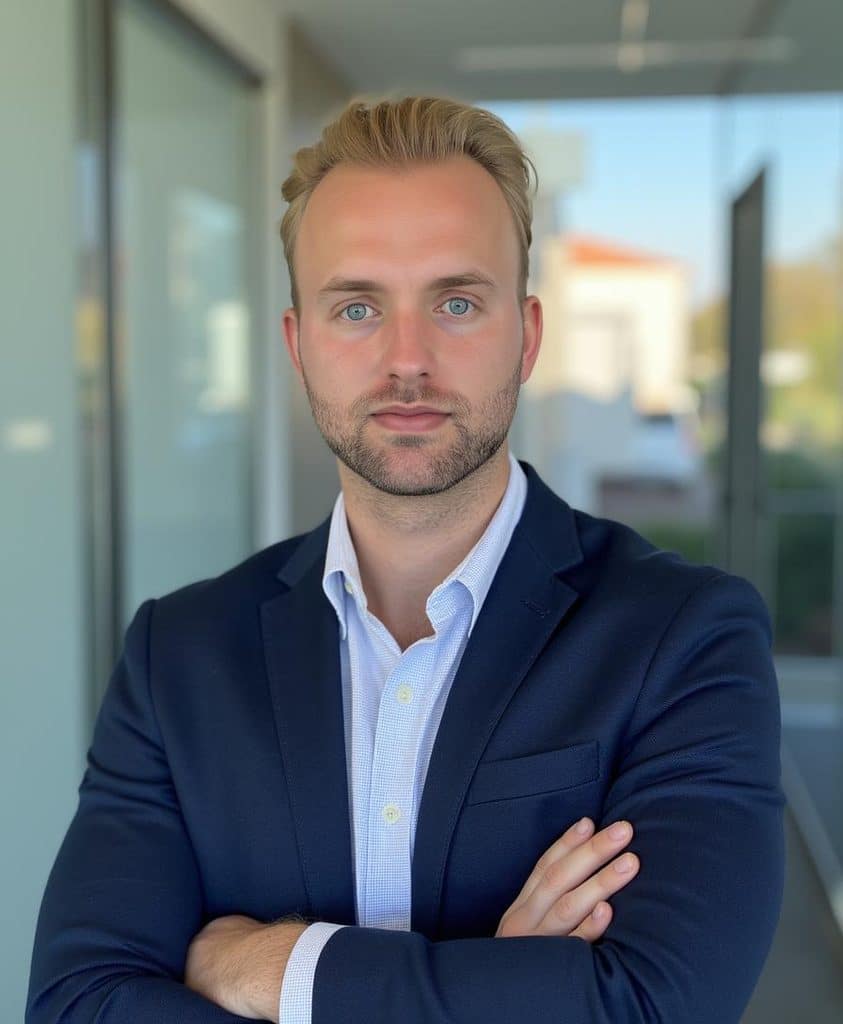
“Equity is always the right answer when you want celebrities to really be involved in your company and really lean in with their full platform,” he says.
Putting celebrities on cap tables is the work Scott did before HotStart. His previous firm, Influencer Capital, worked on more than 30 such equity deals and is now part of HotStart, which he launched in New York in 2024 to invest in brands founded by celebrities and creators. Its partners include Jessica Alba’s The Honest Company and MrBeast’s Feastables, operators who have built celebrity brands from the inside. Scott says that experience lets the firm advise founders on what it takes to build a billion-dollar brand with a celebrity.
Not every celebrity brand gets there, and failures draw scrutiny. Scott estimates that 90% of companies without a celebrity founder also fail within three years, largely unnoticed. “When a celebrity brand fails, everyone will write about it,” he says.
Fame Only Wins the First Purchase
The brands that closed, Scott argues, led with fame as the business model. Some celebrities watched Rhode and Casamigos sell for a billion, decided their millions of followers were enough and asked what product might fit their audience, instead of asking what problem many people have.
“We don’t need another hydration beverage. There are already tens of thousands on the market,” he says. Without a product that beats the competition, he argues, a celebrity brand has “no right to win.”
He points to Logan Paul’s Prime and Alex Cooper’s Unwell Hydration, where he says customers complained about quality, tried the drinks once and did not return. Sales spiked early, then slid. “The celebrity might help you sell the first product, but the quality of the product is going to determine if people are going to buy the second, third and fourth time,” Scott says.
Positioning compounds it. Shoppers think of Prime’s famous founders first, in Scott’s view, while Once Upon a Farm, co-founded by Jennifer Garner, calls up quality products and a mission. That puts the weight on the product, and on who runs the company day to day.
Famous Founders Have to Give Up Time
Day-to-day involvement is how Scott explains the closures of Unwell Hydration and Lionel Messi’s Más+. Alex Cooper’s media business and her beverage brand competed for her focus. “Just because she’s a great media entrepreneur doesn’t mean she is a great beverage founder,” Scott says. Messi, still playing at a high level, had no time to visit retailers and sign bottles.
By contrast, Scott says, Jessica Alba stepped back from acting for seven years to build The Honest Company. For creators, the trade is costly, because hours in supply chain meetings are hours not spent making the videos that give the brand its edge.
HotStart screens for commitment by asking famous founders why they want a company, since many already have tens of millions of dollars in the bank. Scott cites Kaley Cuoco’s pet care brand Oh Norman! as a pitch where the reason was clear. She has rescued hundreds of dogs long before launching the company, by his account. “She would even do this without the company. So I’m quite confident that she’s gonna lean in for the next five to 10 years,” he says.
Hedging celebrities show up in HotStart’s records. Of roughly 1,000 pitched brands tracked in its CRM, Scott says 280 never reached the market, often because a celebrity agreed to join as co-founder only if the team first raised millions of dollars. The firm invests in only 1% or 2% of the brands it reviews, and when a deal reaches diligence, the contract shows how committed the celebrity is.
Cash Fees Erase the Celebrity Advantage
One term Scott treats as a red flag is cash on top of equity. He has seen deals where a celebrity takes a 10% stake and also wants $3 million upfront to serve as co-founder. “I’m not gonna pay anyone to be an entrepreneur. Either they want to do it, or they don’t,” he says.
His objection rests on margin. A celebrity co-founder puts the product in front of millions of people for free, so the brand keeps the marketing margin and can reinvest it to scale faster. “If you are a celebrity, you come on board, and you get equity, and I still need to pay you $3 million, the whole USP actually disappears,” Scott says.
Equity also changes behavior. In Scott’s experience, a creator paid $25,000 for a post delivers what the contract specifies, while one with a stake might make an introduction or show up at a retailer even though that wasn’t contractually agreed. “When they have equity, they start to act like owners,” he says.
Vest the Stake and Date Before Marrying
Equity carries its own risk for the startup granting it. Scott sees founders get starstruck by a celebrity with 20 million followers and hand over 20% of the company with no protection, only to learn the celebrity does not convert followers into customers.
Vesting is his first fix. The same 20% can be split over four years, so a partnership that fails after one year costs only part of the stake. “There’s unfortunately no one-size-fits-all,” Scott says of how large that stake should be. A co-founder like Kim Kardashian, Rihanna or MrBeast commands more equity than someone with a million followers, and a long-term co-founder takes more than an ambassador on a smaller deal.
The second fix is to test the relationship first. Scott compares taking on a co-founder to a marriage that may run five to 10 years before an exit. “You’re not able to find out if someone is the right fit by meeting them three times over Zoom,” he says. He recommends meeting in person, testing the celebrity in a smaller role and sending product to see whether they will promote it for free, or, if not, on an affiliate basis or a small cash deal.
Even $25,000 per post makes sense at that stage. “That is still cheaper than actually giving up 20% of your company to the wrong partner,” Scott says. In that sequence, cash pays for a trial, and equity goes to a partner who has shown fit.
A Celebrity’s Reach Needs Operators Behind It
Fit includes whether the celebrity can move sales, and follower counts alone do not show that. Scott describes pitch decks that assume 5% of a celebrity’s 20 million followers will buy. “That’s not a go-to-market strategy. That’s a prayer,” he says.
A famous founder’s value, he argues, runs past posting. Celebrity founders can poll the audience on product and messaging, insights Scott says “normal companies have to pay hundreds of thousands of dollars for.” Celebrities also land press exclusives, recruit other celebrities with PR boxes and open retail doors. “If you work together with MrBeast, the CEO of Walmart is for sure going to listen to you,” he says.
Turning that demand into a business takes operators who have scaled companies in the same vertical and care enough about the mission to stay motivated when things go badly. Scott’s requirements for the team mirror his test for the celebrity.
The Commitment Test Extends to the Exit
Scott applies the same test to exits. George Clooney’s Casamigos sold to Diageo in 2017 in a deal worth up to $1 billion, with up to $300 million contingent on meeting sales targets over the following decade. Prime, in his view, made a big mistake by not selling part of the company when it could.
He disputes that investors are pulling back, saying he sees more deals than ever, while acknowledging his bias as an insider. He cites Tom Holland’s BERO and Glen Powell’s Smash Kitchen as brands that scaled to tens, sometimes hundreds, of millions of dollars within months, and expects exits of $10 billion or more if the next wave is built on real innovation.
The celebrities Scott defends are turning down easier money. A $2 million check from L’Oréal, Dior or Nike requires a photo shoot and a post, while building a company takes years and may never pay out. “We should have a lot more respect for and appreciation for celebrity founders that are genuinely doing it for the right reason,” Scott says.
Subscribe to Our Newsletter
Check Out Our Podcast