




Strategy
Brands Waste Creator Budgets by Missing the Goal, Says Influencer Consultant Lauren Roth

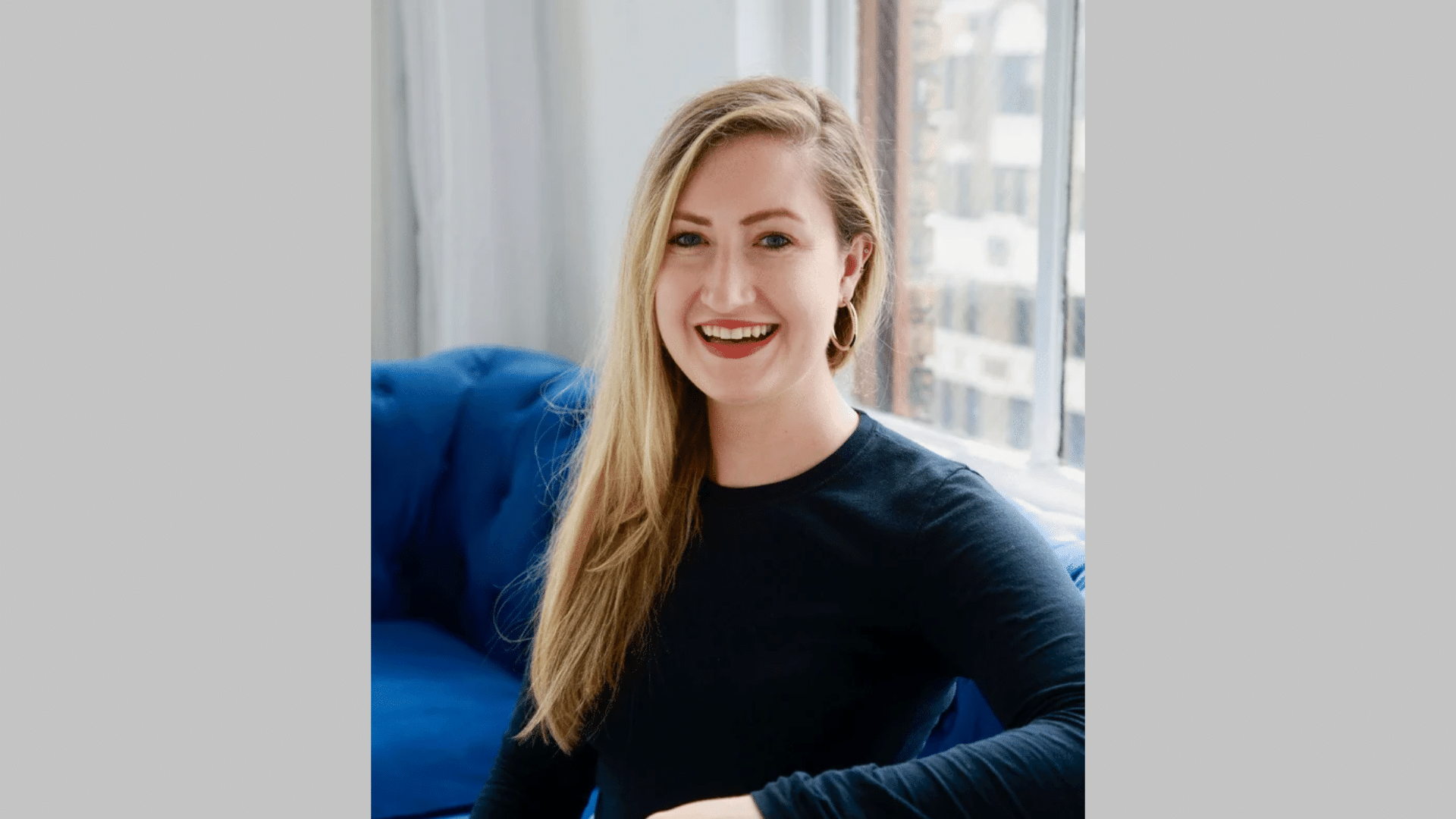
A brand arrives with a budget, a plan to work with X creators, and an instruction to spend every dollar, with no performance target and no room to negotiate. Lauren Roth, an independent Influencer Marketing consultant in New York, wants brands to start from a goal instead. Her playbook then works through rates, usage rights, and content review – the points where she sees brands waste money and strain creator relationships.
The waste starts with a misreading of what brands are buying. Lauren is constantly explaining to clients what an influencer is, and why handing one a script like a UGC creator defeats the purpose of the hire. “We’re using them because we like their content, we trust what they do, and they know their audience,” she says.
That view comes from working both sides of the deal. Lauren started in customer experience at Rent the Runway, then brought Influencer Marketing in-house at candle startup Otherland and built the influencer and UGC program at United Sodas of America from scratch. Since going independent in 2024, she has carried four to five brand and agency clients at a time, running influencer campaigns and social community engagement for consumer brands.
Agencies bring her the larger names. Jellycat, Candy Crush, Lululemon, and Delta came through agency engagements, mostly gifting or one-off collaborations for social teams, and she has handled community engagement for “Candy Crush” for three years. In her experience, brand clients are “pretty blindsided” by how the influencer world works, and her network of creators and talent managers puts her in the middle.
“I feel like every day I’m trying to benefit the influencer and benefit the brand,” Lauren says.
A Creator Budget Needs a Goal First
That middle position starts with the brief. Lauren argues a budget should be built around a target, such as a CPM or a set number of creators, with negotiation used to free up money that can go behind paid media. “I think the overall goals really need to be discussed before starting any Influencer Marketing program,” she says. “Because the full success of a program has to be measured by the goals.”
Her own United Sodas program shows what she would change. The brand had never run Influencer Marketing, so she began with gifting through the platform Aspire and tested genres from bookstagrammers to athletes. Rebuilding it today, she would set goals on day one, gift content, see how it performs, then move the strongest creators into long-term partnerships that can grow into affiliate deals, measuring conversion as well as awareness so collaborations stop being one-off.
That sequence gives the goal two jobs. It identifies which creators earned a longer deal, and it puts the next question on price.
The First Quoted Rate Is an Opening Bid
Price is where Lauren sees brands quit too early, hearing a number and walking away without a counteroffer. “I’ve started out with an influencer saying they’re $40,000 and we get them down to 12,” she says. “And it’s the same deliverables.”
Her method reverses the usual opening. She lays out the deliverables and lets the creator price the package. On a tight budget, she offers slightly below what the brand can pay. Talent managers, she notes, push for the highest figure because they earn commission.
At United Sodas, Lauren used the same package approach to secure reuse rights. Paid deals went mostly to UGC creators, with several deliverables bundled into one rate to get the most for the brand’s money and test. The result was a library of a couple hundred assets the brand could run on social and in paid media whenever it needed them, which she says saved production costs.
Usage Rights Should Match What Gets Run
Those rights are also where Lauren sees money disappear. “I think there’s a lot of wasted money because people are like, ‘We just want the usage, but then it never gets used,’” she says.
Her rule is to start from how the content will be used and work backward. If a contract includes syndication to TikTok but the brand has no plan to boost there, she drops TikTok to bring the deal within budget. Brands asking for six months of paid usage get a question about whether they have the budget to use it. She recommends one month of paid and one month of organic, with a clause to buy more usage at an added rate if the content performs.
The opposite error is underpaying. Lauren points out that a single UGC video can take three hours before rounds of edits. “Don’t assume that these creators will take a $50 deal for one video for perpetual usage,” she says.
Both errors trace to the same instruction she gives clients: be clear about usage before settling a rate. Once the content is bought, the next cost comes in review.
Endless Review Costs Scale and Repeat Partners
Review is the step Lauren says keeps big-brand programs small. She reviews, the brand reviews, and at large companies, three different teams can sign off on one piece of content, down to a caption tweak. “I think the creative control has to be let go,” she says.
In a recent campaign, a client of lauren’s called out a fingerprint on a story selfie promoting a campaign on an influencer channel. Her test is whether an ordinary consumer would notice, and her bar is content that meets legal and FTC guidelines even if it is imperfect. “If we’re nitpicking these tiny things, first of all, they’re not going to want to work with us again,” she says.
The lighter touch depends on vetting up front. Lauren judges content quality and storytelling before anything else, then uses a platform to check engagement rate, follower location, and competitor work. “If it’s not good, if it’s blurry, if it’s inappropriate, I’m not going to go for it,” she says.
A brand that picked a creator for their content has already made the quality call, which is her case for letting go. When big brands second-guess it, creators pay. On one agency project, a client dropped a planned collab post after judging the content unfit for its main feed, costing the creator the recognition on a big-name brand and the brand tainting the relationship with the creator for not following through with the full deliverable they were promised.
Lauren Credits Community Engagement for Soda Growth
Creator goodwill at United Sodas also ran through comments and DMs. Lauren worked with upwards of 600 influencers and UGC creators over her tenure; the program generated upwards of 75 pieces of content a month, and the brand’s Instagram following grew 45% and engagement 60% in under a year, according to Lauren.
She says the growth was hard to attribute to email and other channels running at the same time, but she credits community engagement for the gains beyond the creator posts themselves. “The social community engagement is what drove the further impressions, the followers, the engagement on the organic posts because we were bringing people to our profile,” Lauren says.
Her tactic is what she calls “digital romancing,” a term borrowed from an acquaintance. She commented on creators’ posts that did not feature United Sodas, and on celebrities’ accounts, to keep the brand’s name in the comments. “So many brands just don’t do the community engagement part and just do the posting and the influencer,” she says. “And that really does, I think, affect the overall results.”
The habit traces back to her customer-experience start. In customer experience and influencer work alike, she says, the hope is that the influencer is already a customer, so each interaction extends a relationship.
Lauren Expects Awareness Work to Outlast Affiliate
That relationship work is what Lauren expects to hold up. She thinks affiliate will fade again as brands pile into TikTok Shop hoping to go viral, which she says requires a certain kind of product at a certain price, and she likens the TikTok rush to an earlier PR bubble. Lauren does not expect AI influencers to take over, though brands are already writing AI restrictions into creator contracts.
Instagram’s move into longer-form video, in her view, will give storytelling a larger role. Each lever in her playbook, from the goal to the comment section, is built to keep creators willing to work with a brand again.
“I think brand awareness influencers will always be around because I think there is a storytelling element because humans are always here for a story,” Lauren says.
Subscribe to Our Newsletter
Check Out Our Podcast