







Strategy
Florida Resort Makes Itself the Lead Character in Episodic Microdrama Starring Creators

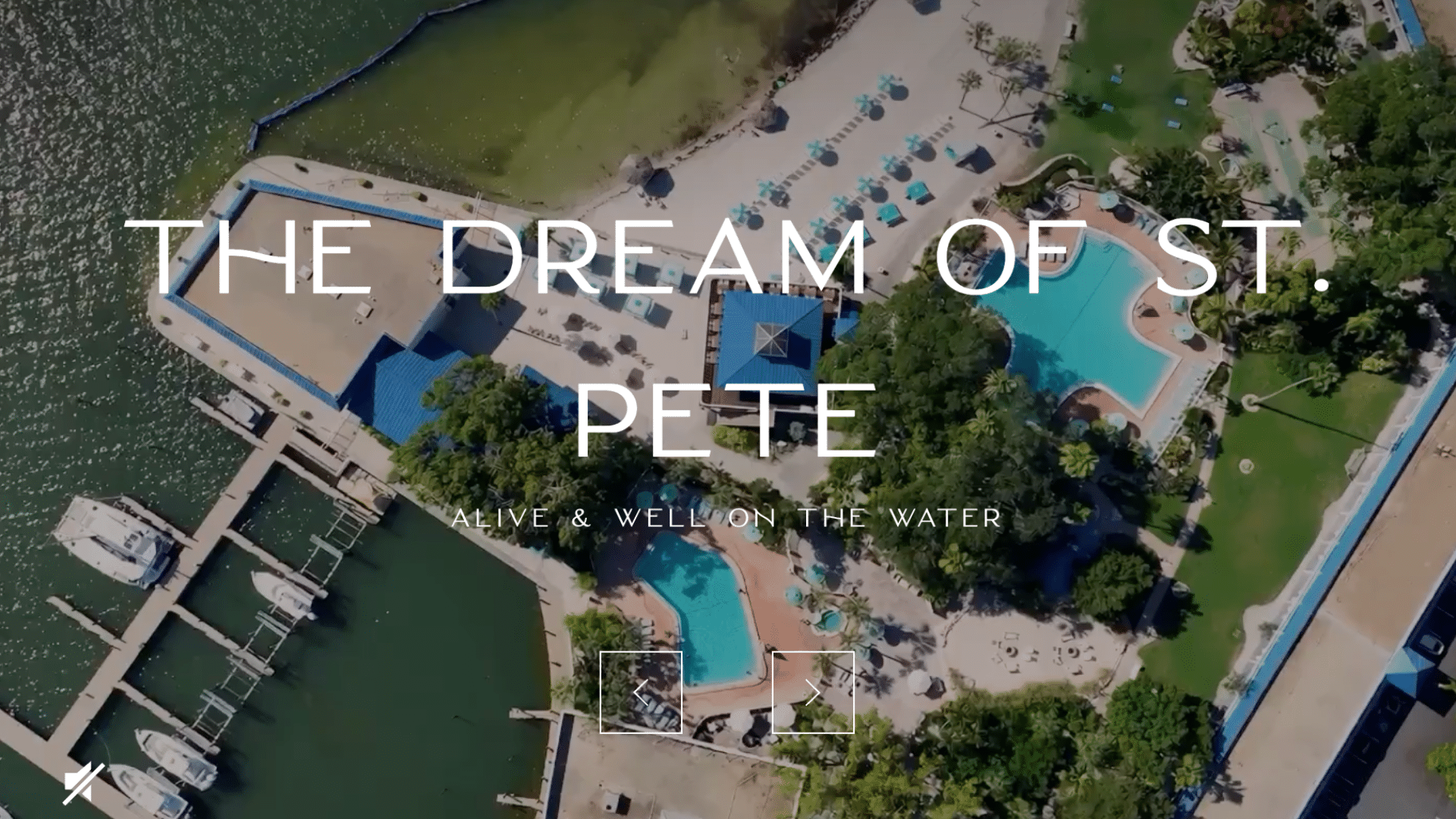
SkyBeach Resort in St. Petersburg, Florida, released an eight-episode vertical microdrama in which the resort is the lead character and creators play themselves around it. The producers started with the location and then wrote the script.
Cris Molina designed that sequence. A photographer and creative director who has produced hotel advertising for 30 years, he proposed a story in which the hotel carries the plot. “It’s an interesting branding tool, and it’s paid off really well,” Cris says.
He took the idea to Allie Singer, VP of the hospitality division at Willner Realty and Development Company (WRDC), which owns the 113-room resort. The property dates back to 1952, and its current owners have repositioned it around experience-first travel for locals and visitors alike. Allie argues a storyline makes a property easier to remember than another set of hotel photos. “The emotion connects viewers to bookings, frankly. That’s the goal,” she says.
Social media platforms increasingly shape trips. A 2025 Expedia survey of more than 11,000 consumers across 11 markets found that 61% of travelers find trip ideas on social platforms, up from 35% in 2022, and 73% say influencer recommendations have influenced a booking. SkyBeach’s answer was a scripted series built largely from relationships it already had.
The Location Came Before the Script
Cris reversed the usual order of production. A conventional project moves from script to location to cast. “We went all the way opposite because I wanted this to be a hospitality tool,” Cris says. He says the inverted order was “a nightmare” for his writer.
Allie supplied the resort’s priorities. She wanted the restaurant it opened in January featured, partly because it sits on the marina and waterfront, which lets the story promote the marina and a boating experience. Cris then chose the creators, working with his producer, Alicia, who discussed with Allie the kinds of people the story needed. The script came last, built around what the team had assembled.
Existing Relationships Filled the Cast
The cast came largely from people the resort already knew. “We had longstanding relationships with a lot of local creators,” Allie says, and the series drew on them. Alexia Gonzalez, a well-known personality in the area, plays a podcaster and news reporter, and Cris built her storyline around what she does.
Every cast member played a version of themselves under their real name. Cris frames the logic through a hypothetical creator with 150,000 followers. “I wanted those followers to be able to relate to the reasons why they follow you,” he says. The script incorporated each person’s wardrobe, interests and quirks.
Lee, who plays the resort’s general manager, is a Miami model Cris has hired for past campaigns, and Allie calls him “a friend of the hotel at this point.” Resort employees also appear on screen.
Allie says the pilot ran on buy-in. Participants understood its goal was to help develop a business model for Cris and his team, she says, and the resort benefits as well. “I’ve worked in many hotels and resorts where you could have brought a project like this and people would sigh,” she says. At SkyBeach, she adds, landscapers with 15 to 20 years at the resort asked each week when Cris would return.
Vertical Framing Pulled Against the Property
Cris kept the crew to eight people. “I don’t like big crews,” he says, and each member took on several roles. The team shot during a slower, off-season week in August and told guests who might appear in the background what was happening.
Vertical video created a different problem. Cinematographer Dolph van Stapele wanted tight shots on faces, and Cris acknowledges that dialogue needs close framing to be understood. Cris says he kept asking Dolph to pull back so the resort stayed in the frame. “Our main actor is the hotel,” he says. After repeated arguments, they settled on a middle point.
Allie, who says she had not considered vertical video before Cris raised it, calls it a “no brainer.” The content the resort wants to make goes on Instagram and TikTok, where vertical is the format.
Two Episodes a Week Fit the Resort’s Feed
The team debated how to release the eight episodes. “This was a pilot and none of us have done this before,” Allie says. Posting all at once would lose the anticipation the story builds, she says, while one a week would stretch across eight weeks and risk losing interest. They settled on two a week, preceded by teasers.
A meet-the-cast post, which Allie says performed incredibly well, drew direct messages asking for more. The series also had to share the resort’s Instagram grid with posts about its restaurant, marina, and event space. Once all episodes were out, the team archived and reordered posts so the story reads in sequence. The episodes run on Instagram, TikTok and YouTube, and the YouTube channel keeps them in one place.
The Resort Points to Views and Engaged Visitors
One of the resort’s social channels recorded 440,000 views over the past 60 days, Allie says, though she cannot isolate the series from other content. By her math, that is about 65 views for each room night available to sell at the resort.
Instagram is a small share of traffic to the resort’s website, she says, but 94% of social visits are engaged sessions, the highest of any channel. The resort has just over 16,000 Instagram followers, and she says those followers are the ones booking.
Allie did not set a specific target before launch beyond raising demand. She says guests, especially repeat guests, have watched the series. “I can see that the pickup is coming in,” she says, despite a short booking window in general. She also sees a slow shift in guest demographics toward the audiences the cast was chosen to reach.
The Cost Case Rests on Shelf Life
Allie puts the cost at about what a professionally produced campaign would run. The difference, she says, is volume. The resort gets multiple episodes it can keep sharing, and she says photography and video are judged on shelf life. “It’s certainly doable and well within resorts’ marketing budgets,” she says.
Cris uses a different comparison. He says the cost is about a quarter of what a master brand spends quarterly on traditional advertising, which runs in airports, magazines and on television and, he says, delivers hits inconsistently. “This is a consistent story that we’re telling,” he says. Neither put a dollar figure on it.
The Pilot’s Backers Want a Full Season
Cris sees the format reaching beyond hotels, to “every kind of brand, regardless of the size,” provided the story is interesting and the characters are charming. He also names product placement, including celebrity cameos, as the largest income opportunity and says it remains untapped.
The pilot itself drew on ties that predate it, among them Cris’s history with Allie and the resort’s connections with local creators. Allie wants to extend the story. “I would absolutely love to see us carry on from the pilot and move forward into creating a full season,” she says.
Subscribe to Our Newsletter
Check Out Our Podcast