




Strategy
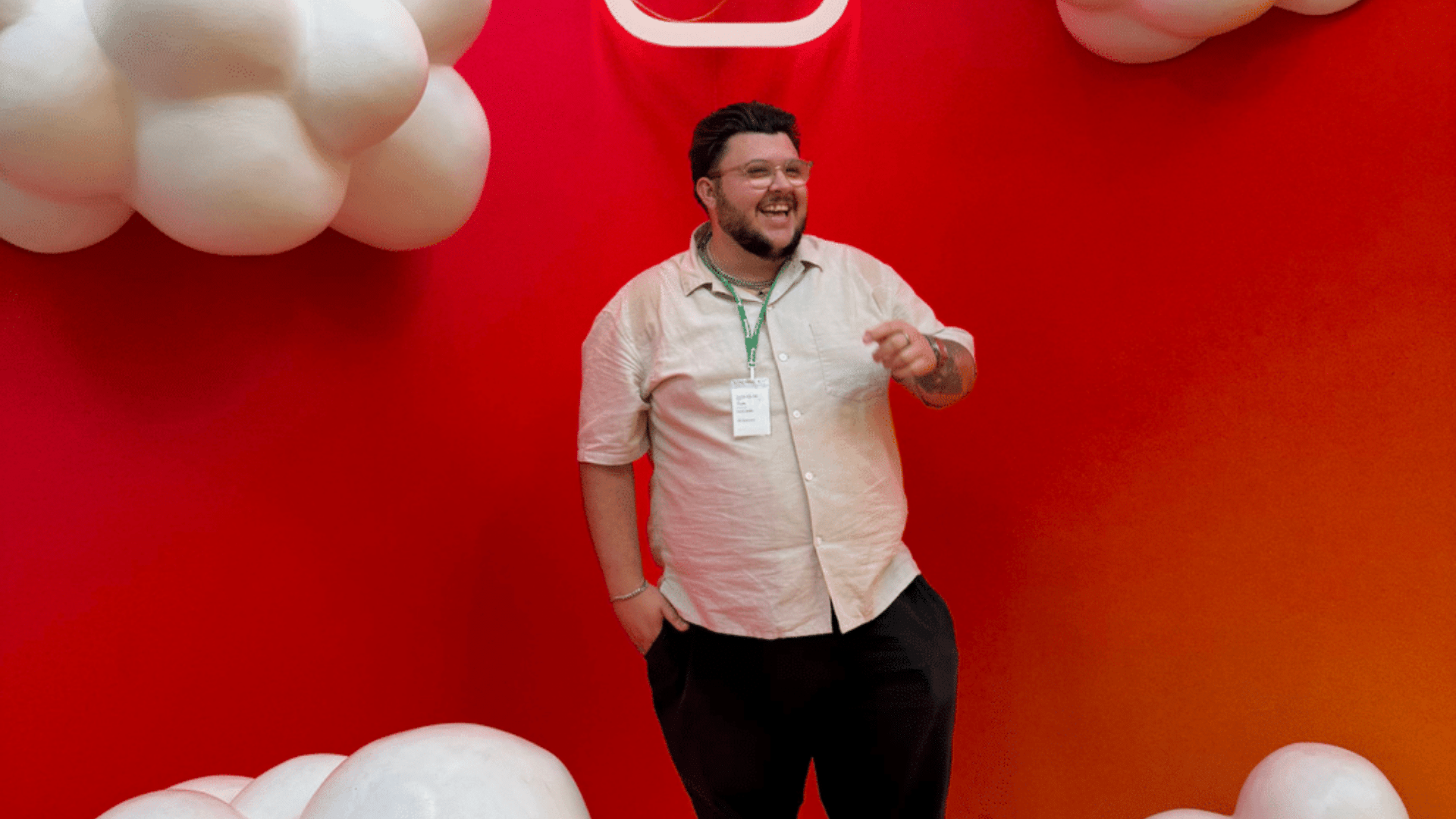
Great Creators Need Great Teams to Build Lasting Businesses, Says Tom Sharman

New Waves, Who Dis, the London production company Tom Sharman co-founded, made videos for UK YouTubers such as Niko Omilana and The Burnt Chip, including a Niko prank now at 48 million views. It never grew beyond its two founders and one producer. Tom says the business failed because its creator clients would fund big ideas but would not invest in the teams behind them.
That lesson shapes The Content Operators, the consultancy Tom launched in September 2026 to help creators, entrepreneurs and brands build in-house media teams. “Everyone, whether it’s a brand, whether it’s a creator, whether it’s an entrepreneur, needs to think of themselves as media businesses more than just a creator,” he says.
His case rests on 12 years behind UK creators, starting at 13 as a talent scout for gaming network Machinima and later running content for entrepreneur Sam Stoffel, the “Secret Leaders” podcast and Ben Heath’s Heath Media. Across that work, he found creators to be strong creative directors and poor operators, left to manage editors, designers and production with no one steering.
That steering role is the one Tom now sells. He set up The Content Operators, based in London, as a consultancy because creators at Waves turned down the junior staff an agency’s economics require. “The creators want expertise from you. They don’t want to pay for your junior team that you’d end up having to hire because of the economics,” he says. The end goal is a team the client owns. “If that creator can build great internal teams, that is the solution,” Tom adds.
YouTube’s TV Ambitions Reward Repeatable Formats
Internal teams matter more as YouTube pushes creators to operate like TV studios. Tom argues the platform has positioned itself against Netflix and tuned its algorithm so creators build show formats over open-ended experiments. He notes that YouTube viewing on connected TVs in the UK is bigger than Netflix and traditional TV.
“If the big bosses of YouTube are trying to kill TV, they will make decisions about the platform that then have knock-on effects on the creators,” he says. Formats offer security. Viewers of a successful channel can often predict the next video, and the creator knows an audience is waiting for it.
The cost, in Tom’s view, is originality. He points to YouTube’s A/B tests for thumbnails and titles, and to the YouTube strategist, a job he says barely existed when Waves started. “Because it’s such a data-led approach, I think it’s impossible not to kill an aspect of creativity,” he says.
He expects the cycle to turn, as it did in film when A24 began winning with original titles after years of sequels. Shows, though, are production work. Waves first tried to raise money to build branded show channels with creators as joint ventures, until an investor pulled out at the last minute. “We were just too early is the honest truth,” Tom says.
Entrepreneurs Fund the Teams Creators Avoid
Without that money, Waves became a production partner to creators, and Tom later moved toward entrepreneurs as clients. “Creators by and large love money in, hate money out,” he says. Many are too scared to take the risk, he notes, because their channel is often the only job they have ever had.
Entrepreneurs, in his experience, tolerate risk and will put hundreds of thousands of pounds into media teams. For Sam Stoffel, Tom built the team, strategy and formats from scratch, and he says the accounts went from zero to 500,000 followers in 10 months. Sam is nearing 1 million followers six months after Tom left, with the same team and systems.

Photo: Sam Stoffel & Tom Sharman
At “Secret Leaders,” about £500,000 a year in sponsorship funded the team, according to Tom. He says brands including Wise and HP signed for three 15-week seasons, roughly a year, after being pitched as long-term partners.
In each case, the owner treated the team as an investment. Spending is only half of Tom’s argument, though. The other half is who gets hired.
Creators Overrate Editors and Underhire Producers
An editor is the most common first hire, and Tom disputes the thinking behind it. “So many creators still to this day have this mindset of their edit is the reason this video works,” he says. “I promise you, there’s far more talented editors out there.”
His test is what the creator cannot replace, which is the face, personality and humor the audience follows, along with the ideas. Editing locks a creator into hours of execution, time he argues is better spent on ideation.
Tom traces failed editor hires to unclear expectations. Creators assume a talented hire will deliver what they want, then let that person go instead of developing them. “You have to be able to communicate to me what you like and what you don’t like,” he says, recalling what he told a TikTok musician he recently took on as a client.
Producers are where he wants the next hire to go. They need not be senior or expensive, but the role must be honest. Entrepreneurs in particular hire a PA and then hand them production work, and Tom’s rule is never to change a role after hiring for it.
Salary Plus a Small Stake Keeps Talent Invested
Keeping a good producer is a pay question, and Tom favors a hybrid. “I love this kind of equity/salary play,” he says. The stake need not be equity in the whole business. It can be a small percentage of a channel, or of AdSense or media income, paired with a salary and clear milestones.
The salary covers rent and car payments for staff who chose employment as a safety net, Tom argues, while the stake gives them something to build. “It literally ties them into having a stake, an asset that they want to grow,” he says.
At Heath Media, he inherited two staff members and redeployed them instead of rebuilding. Toby, hired as social media manager, was really a creative producer, and videographer Luke was suited to a creative director role, so Tom mapped a long-term path for each. Creators rarely plan talent that way, in his view, and see a hire as a privilege for the employee. “If we partner together, actually one plus one equals 11,” he says.
Hiring Around Weakness Keeps Creators Creative
That same role-mapping, Tom argues, should start with the creator. “Any creator that’s in a position to be building a team will have been through burnout,” he says. The fix is to separate what a creator enjoys from what drains them, keep the parts they cannot hand off, like being on camera, and hire for the rest.
That might mean sponsorships, editing or packaging. The aim is a creator who stays in the creative director seat and never has to work out what happens when the editor goes on holiday before a big release. That decision, Tom says, can belong to a producer.
His work with Niko shows the split. For a prank on Thomas Robb, a Ku Klux Klan leader in Harrison, Arkansas, Niko secured an interview on 90 minutes’ notice, and the team built fake “UK stands with KKK” fan pages so Robb would read out insulting names. Tom credits Niko with the storytelling, including the video’s portrait of Richard, a local man who hosted the crew and became the subject of a GoFundMe, pinned to the video, that raised about $13,000 toward surgery.
“The creator is there for a reason. The creator needs to be the creative director,” Tom says.
Creators Need Teams Before They Need Scale
Tom uses The Sidemen to make the case for timing. Around 2022 or 2023, he says, the UK group had one woman producing for them behind the scenes. About three years later, it is a business of roughly 100 people on the channels alone. “They should have invested years ago in that team,” he says.
He sees the U.S. as five to seven years ahead of the UK, citing Disney’s purchase of Maker Studios and the infrastructure Mark Rober and Mythical have built. Some creators, he accepts, simply want a lifestyle business. For the rest, his advice is to put money into people early.
“I want creators to take the risk earlier on if they are very determined that they are going to build something unbelievable,” Tom says.
Subscribe to Our Newsletter
Check Out Our Podcast