






Influencer
Two Dental Office Coworkers Built a Following by Posting the Lowlights Everyone Edits Out

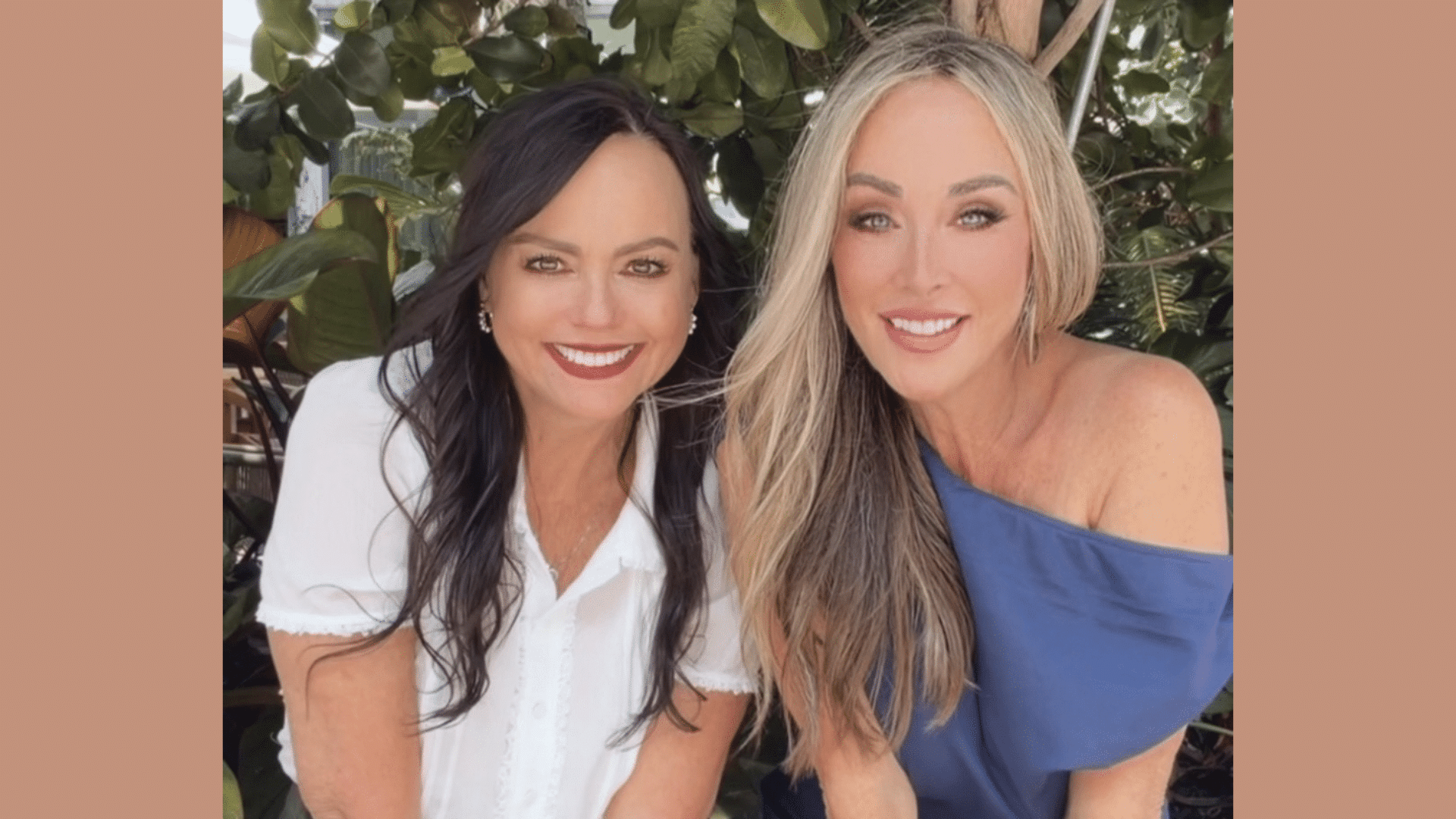
Suzanne Moss had laryngitis and mismatched scrubs on one of her worst days in dentistry when her coworker and best friend, Lorie Pindle, filmed her laughing about how awful she looked. The clip was among the pair’s first TikTok posts, and it reached five million views. It also taught them the rule their business still runs on – the more real the moment, the better it lands.
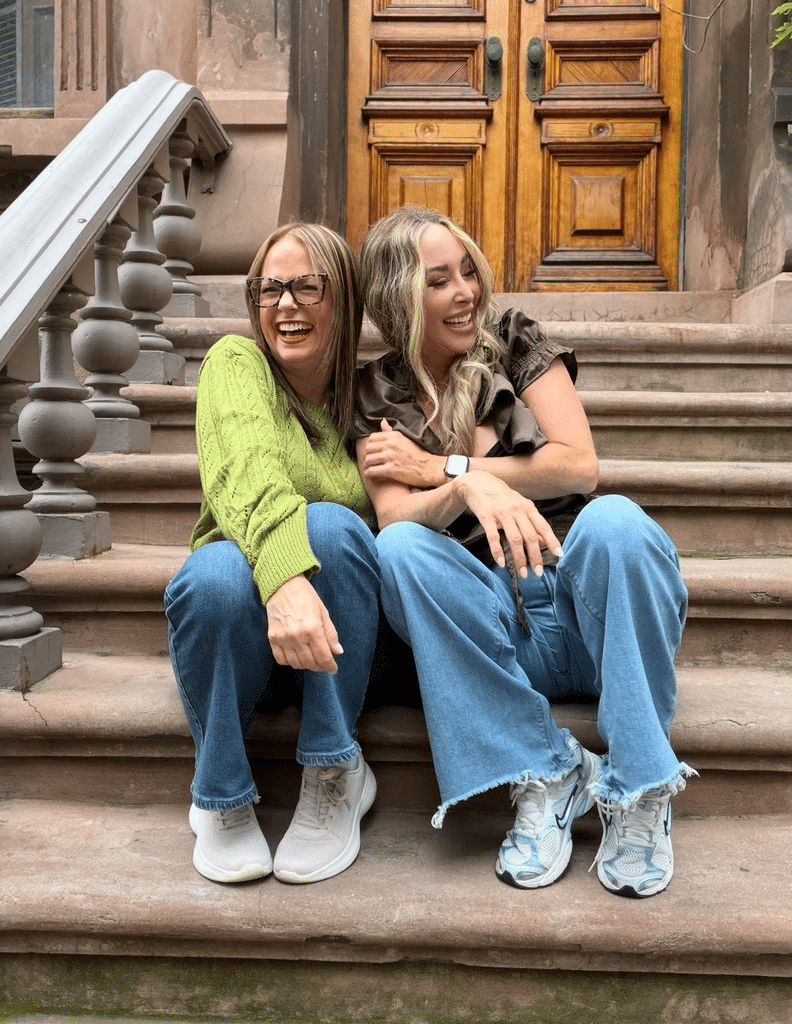
That rule now drives Potty Mouth Chix, the comedy brand Lorie and Suzanne run across TikTok, Instagram, Facebook, and YouTube, where no embarrassment is off limits. The two have worked side by side at the same dental office for more than a decade and still do, filming and editing every post themselves.
Those posts are the exact opposite of the filters, vacations, and luxury Suzanne associates with social media. “They show the highlights; we show the absolute lowlights,” she says. Lorie sees a demographic payoff in that choice, because so much of social media skews young and their audience does not. “I think we bring something for the older crowd,” she says.
The low lights have started to pay. Suzanne and Lorie now have a talent agency and a run of brand deals, and both want to leave dentistry once the creator business outperforms their day jobs.
The Dare That Started It All
The account began as a private joke. Lorie and Suzanne filmed silly videos to send each other until someone suggested, on a dare, that they post them. “Lorie and I said, ‘Well, who would care?’ And apparently over a million people right now care,” Suzanne says.
They were so new to TikTok that Lorie called it “Tic Tac.” The laryngitis video set the standard Lorie describes as “warts and all,” meaning nothing gets cut for being embarrassing. “I think we’ve posted every bodily function that I’ve ever had,” she says.
The comments confirm the strategy. Suzanne says the most common reply they receive is “been there,” and that fans thank them for “making my worst day funny.” Some followers have written that the page helped them through severe depression, and Suzanne now corresponds with two of them.

Instagram Was the Backup Plan, and It Became Their Biggest Audience
Instagram was never part of the plan. The pair moved there only when a potential TikTok shutdown threatened an audience they had built before earning anything from it. Suzanne was hesitant, so Lorie posted a batch of videos anyway, and the account took off.
Suzanne argues the contrast is why it worked. “Everyone else is going one way, and we’re going downstream, and everybody wants to know where we’re going,” she says. Instagram is now their largest audience.
Facebook followed the same pattern when Lorie began posting there six or seven months ago. “We thought it was a dying dinosaur, and it certainly is not,” Suzanne says. “We are an equal opportunity poster,” Lorie says.
YouTube anchors the podcast, which Lorie calls “our first love.” It also hosts a paid membership featuring “See You Next Tuesday,” a rundown of whatever annoyed the two that week.
Winging It, Then Pinning the Cruelest Comment
Almost nothing they post is scripted. Suzanne says they “wing everything,” sometimes letting ChatGPT pick a podcast topic seconds before recording, and their most popular episodes are unstructured conversations they call “Shoot the Shit.” “Our most viral ones, we just hit record,” Suzanne says.
That instinct also produced their hardest lesson. A video of Lorie “pooping her pants in the neighborhood,” with Suzanne arriving on a golf cart to pick her up, went viral and drew their first wave of negative comments. Commenters attacked Suzanne as a horrible friend for posting it, even though Lorie had edited and posted it herself.
They deleted it, which Suzanne says disrupted their algorithm, then reposted it and never got another negative comment. Now, when a hostile comment appears, they pin it and let followers respond, which Suzanne says creates engagement. “Our true fans kind of come in like vultures,” she says.
They accept that their humor repels some viewers, as when a video of confessions to their late parents drew comments calling it disgusting. “We like to laugh at things that most people find disturbing. But I also think that’s why we’re so popular,” Lorie says.
The $500 Offer They Answered With $4,000
Money came slowly. Lorie says they tried to monetize for a long time but struggled, “being older and not really knowing technology very much.” The turn came with the podcast’s debut about a year ago, when Suzanne says they decided to “make this year count” and lean on ChatGPT to run much of the business.
Roughly six months later, Outloud Talent reached out, and they signed right away. About three months in, they are on their fifth brand deal through the agency, including a Staples campaign Suzanne puts at around $10,000.
Their first accepted deal began with a $500 emailed offer from a drink company, and Lorie countered at $4,000. “I couldn’t believe they accepted it,” she says. The brand was Daily’s Cocktails. “We want to do content and brand deals that feel like real content, not a commercial,” she says.
Their Own Voice or No Deal
Their central condition for any partnership is control over how the product gets pitched. “We know our audience so much more than the brands do, more than our agent does, more than our manager, more than our boyfriends,” Suzanne says.
They have walked away to protect it. Their first brand offer was for bras that came with a script calling the product “buttery soft,” and the bras were so unflattering that Lorie said she looked like her old Aunt Ruth with “torpedo boobs.” They sent them back. “We really wanted it so bad to start monetizing,” Suzanne says, but neither would push a product they disliked.
They recently told a company they were not interested after it asked them to say specific lines. Lorie says most briefs now ask for their own voice, and those that do not go back to Outloud. “And if they want us to do like a used car salesman. No,” she says.
The approach carries risk. A deodorant brand ended up not loving their content because it gave too little product information, Suzanne says, though their manager called it “genius.”
A 24-Hour Story Still Takes 10 Hours
That deodorant job taught them a second lesson. The pair used to accept every story request, reasoning that a story disappears after 24 hours. It took as much effort as the Staples campaign, roughly 10 hours of shooting and editing by Lorie’s count. “We did that for 800. What are we thinking?” Suzanne says.
She accepts that stories warrant less than permanent posts, but argues the effort is the same. “Don’t lowball yourself,” she says.
Volume mattered as much as price. Lorie says growth accelerated when they went from roughly one video every two weeks to at least four a week, with reposted older videos often going viral a second time.
Suzanne handles the analytics, saving their funniest material for Friday nights and releasing podcast episodes on Saturdays for listeners cleaning the house. The harder problem is creative drought, which Lorie says can last a week. “The lights are on and nobody’s home,” she says.
Keeping the Day Jobs Until the Business Outearns Them
Dentistry remains the safety net. “We have to make more than we make now,” Suzanne says, adding that both want a comfortable nest egg before they leave. Lorie jokes that hers so far amounts to “four twigs.”
The ambitions beyond that are large. Dr. Brady Smith has invited them to open for him at a show in Los Angeles. “We never looked at ourselves as comedians,” Lorie says. Suzanne names a sketch on “Saturday Night Live” as a goal. “We will not stop until we see our name in lights,” she says.
Two full-time workloads wear on them, and Lorie was complaining about exhaustion the morning of the interview until Suzanne relayed her sister’s question about whether they were finally getting what they wanted. “You’re tired because all of these great things are happening,” Lorie says.
Suzanne hopes their story shows that anybody can be a creator, and she still marvels at it on their carpool home. “How are you and I, these little silly dental office girls, making over a million people laugh? How did we get here?” she says.
Subscribe to Our Newsletter
Check Out Our Podcast