





Tech
Creator Ad Platform Billo Bets Brands Will Move From One-Off UGC to Long-Term Small Creators

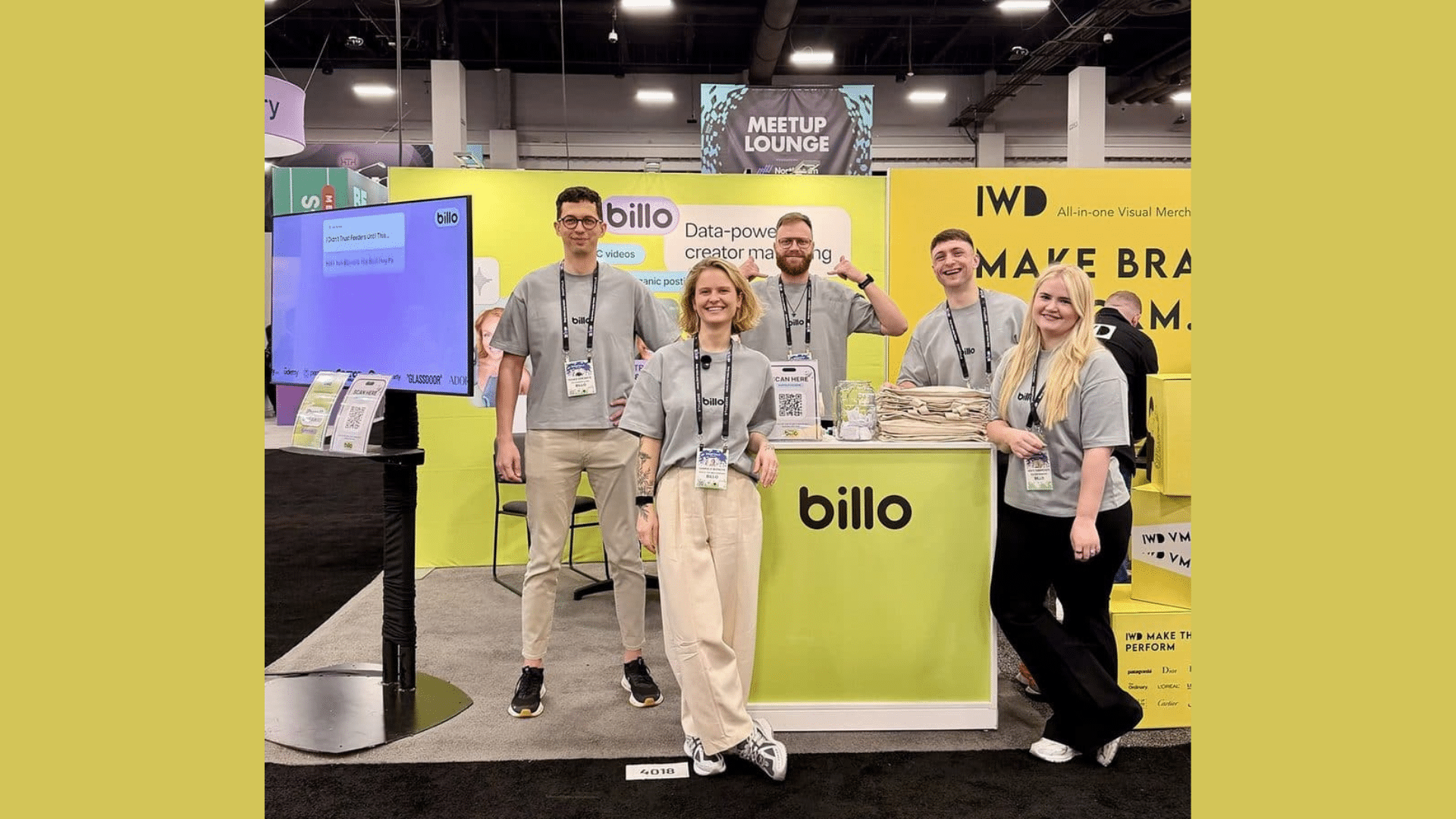
Billo used to be a place to buy creator ads. A year after Billo 2.0 reached its top clients, CEO Donatas Smailys says the platform is betting that brands will move from one-off UGC deals to small, consistent creators over the long term.
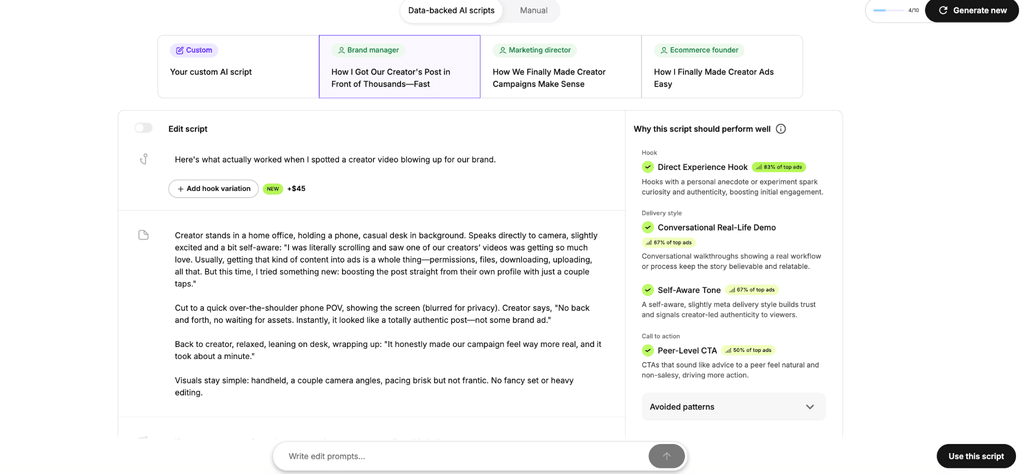
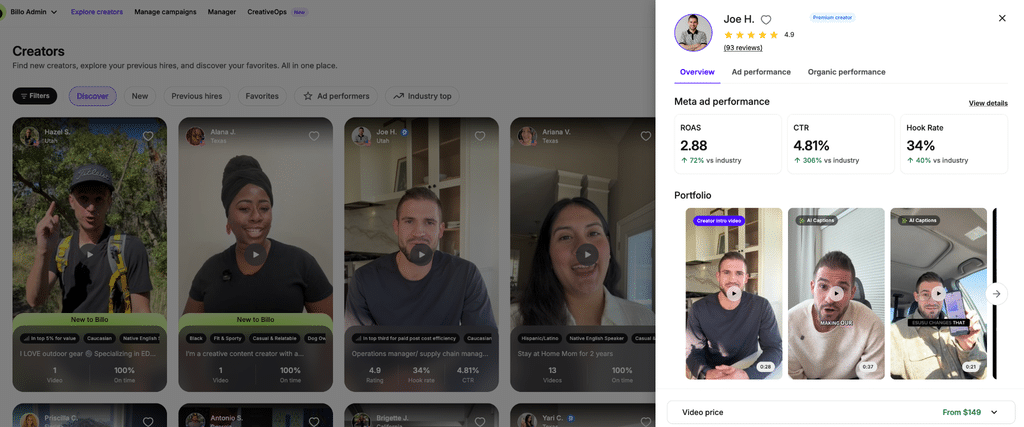
A performance-data layer, which went live in January, now suggests the next script and the next creator. Brands can paste a product link and get scripts back, along with creator recommendations based on each creator’s actual ad performance. Billo can also post organic content to collect performance signals and run partnership ads on Meta and Spark Ads on TikTok.
The layer rests on a view of where creator content is heading. With what Donatas calls “UGC slop” now filling feeds alongside AI content, “these authentic small creators really are going to be a long-term thing for brands,” he says. One-off deals “will likely fade and get lost in algorithms.”
Billo, which Donatas co-founded in 2020 and which is based in Lithuania, aims the layer at performance marketing teams in the United States, its main market. He says it automates work brands used to do themselves. Q3 set company highs for revenue and traffic and was a fifth straight profitable quarter, according to Donatas, even as larger brands entering the market raise the competition. The test he offers for the layer is Billo’s own comparison with the other ads clients run.

Billo Says Its Ads Beat Clients’ Other Ads
That comparison starts when a client connects its Meta ad account. Billo can see how the account’s ads performed before Billo ads ran and compare results afterward, Donatas explains. On the company’s numbers, Billo-made ads delivered a 11% lower cost per acquisition than non-Billo ads in 17 of the last 20 months.
Click-through rates ran about 25% higher, while hook rates were about six percentage points better across Billo’s top five categories, which include sporting goods and home and garden. Results vary too much by category to compare across them. “It’s a mistake if you’re comparing some beauty category with some sports category,” Donatas says.
Behind the benchmarks sits $2.5 billion in purchase value, according to Donatas. Each performance signal feeds back into the system, which suggests the next script and flags patterns to avoid. Benchmarks currently run on Meta only, with TikTok and other platforms to follow because “we’re following our customers.”
None of that guarantees results. “We want to be right more than we’re wrong,” Donatas says, adding that brands can rely on creative direction but should keep testing. The data has also pointed Billo toward a market it has since left.
Billo Closed Australia After Creator Jobs Fell Short
The market was Australia. Clients asking for Australian creators were the signal, and Billo ran the market for a while, watching how it performed and how many jobs existed for creators. It recently stopped.
“It’s not worth the development. The opportunity is not big enough, and we’re not comfortable that we’re providing enough jobs for creators there,” Donatas says. He calls it “data assumption versus reality.”
Billo also said no to two other things. It declined to broaden its list of services for creators and brands, and it chose not to develop its creative analytics dashboard further. “Visualizing analytics now is so easy on these AI models,” Donatas says. Billo is putting that effort into the back end and the data instead.
“I’m super proud that we’re saying no to things as well,” he says. Software is now easy to copy, he argues, so the effort goes into production.
Creators Earn Flat Fees Today, With Performance Pay Planned
Production work pays creators a flat fee per video. Billo has two tiers (“Basic” and “Premium”) that Donatas says will change soon. He puts beginner pay at roughly $30 to $40 and advanced creators at $80 and up, depending on video length. Billo handles payments and pays creators weekly.
Organic posts and partnership ads work differently. Creators negotiate those fees directly with the brand, and Donatas estimates the average partnership ads deal at $250 to $300.
Creators are not paid on performance today. “There will be performance pay, and there’s going to be way more ways for creators to earn,” Donatas says. He acknowledges that Billo has not delivered all the creator opportunities it wanted to, and says more will roll out late this year and next.
Brands Should Favor Consistent Creators Over Volume
A volume mindset has become popular among the brands that fund those jobs. Post as much creator content as possible, then keep what converts. “It may be working short term, but it’s not a good framework to think mid and long term,” Donatas says.
He says he has seen signals that Instagram moved first and YouTube followed, toward favoring original content from original handles. The shift is tied to clipping, where content is distributed across creators who did not make it, and to creators opening a separate account for each brand. “I would focus on consistent profiles of creators that are not spammed and using their original handles to post content,” he says, but allows that he could be wrong about how algorithms respond.
Data-built scripts raise the question of whether a creator’s voice survives. Donatas concedes that a highly scripted ad leaves “very minimal creator voice,” but says not every brand wants that and many creators prefer a script. He hopes a big part of Billo’s script feature is used to generate new ideas.
Creators who use AI tools for ideas still keep their voice, he argues. “If they look at different ideas and they’re like, I like this one, I alter it,” he says. “That is kind of their voice because they choose.”
Donatas Sees Lasting Demand for Specialized Platforms
Long-term creator relationships need management. Donatas expects that work to keep specialized platforms in business even as Meta and TikTok each run a creator marketplace and, he predicts, Snap, Pinterest and others follow. A creator may disappear, he says, or outgrow a marketplace once managers take over.
Meta has little reason to mind, Donatas argues. “Their goal is to increase ad spend. Ad dollars are like the North Star.” Advertisers also run across several platforms, and a large marketplace leaves vetting unsolved. “So what if there’s 50 million creators? How do you know if they’re not going to disappear?” he asks.
Billo’s agency offer rests on a different problem. Agencies are organized so differently that some keep creators and paid media under one roof while others split them across departments, and many are short on resources, he says. The platform is about 80% self-serve, with customer success managers involved in the remainder, and agencies get a person who guides their workflows.
“For agencies now to stand out, managed services is not enough,” he says. Agencies that do not add technology risk losing work to brands’ in-house teams and to brands using tools directly, he argues.
Billo Plans to Keep AI Behind the Camera
Billo’s own use of technology stays in the back end. Donatas says it will not generate a video that does not exist, change what was filmed or said, or clone a creator’s face or voice. AI handles performance modeling, scripts, post-production, and matchmaking. He calls matchmaking one of the most important topics for Billo, since AI can now read everything in a video to make better matches and predict personas for a brand.
Billo argued early that AI-generated UGC is a poor use case, Donatas says, and more of the industry now agrees. His concern is trust across the sector. “My fear was that it can damage the industry as a whole,” he says. “And I still have that fear.”
The same division applies to the data layer, which shapes briefs while creators stay on camera. Donatas describes the direction as unchanged. “Creator in front of the camera, AI and data behind,” he says.
Subscribe to Our Newsletter
Check Out Our Podcast