Influencer
UGC Creators Should Get the Reps In, Pitch Like Strategists and Stay Human, Says Paula Hlavacek

Paula Hlavacek tells new UGC creators that their rates will follow their skills, so the first step is getting the reps in: posting the cringe videos and treating early projects as practice. The co-founder of Wovvo has built the company’s app to train editing, scripting, and on-camera skills alongside a feed of paid work.
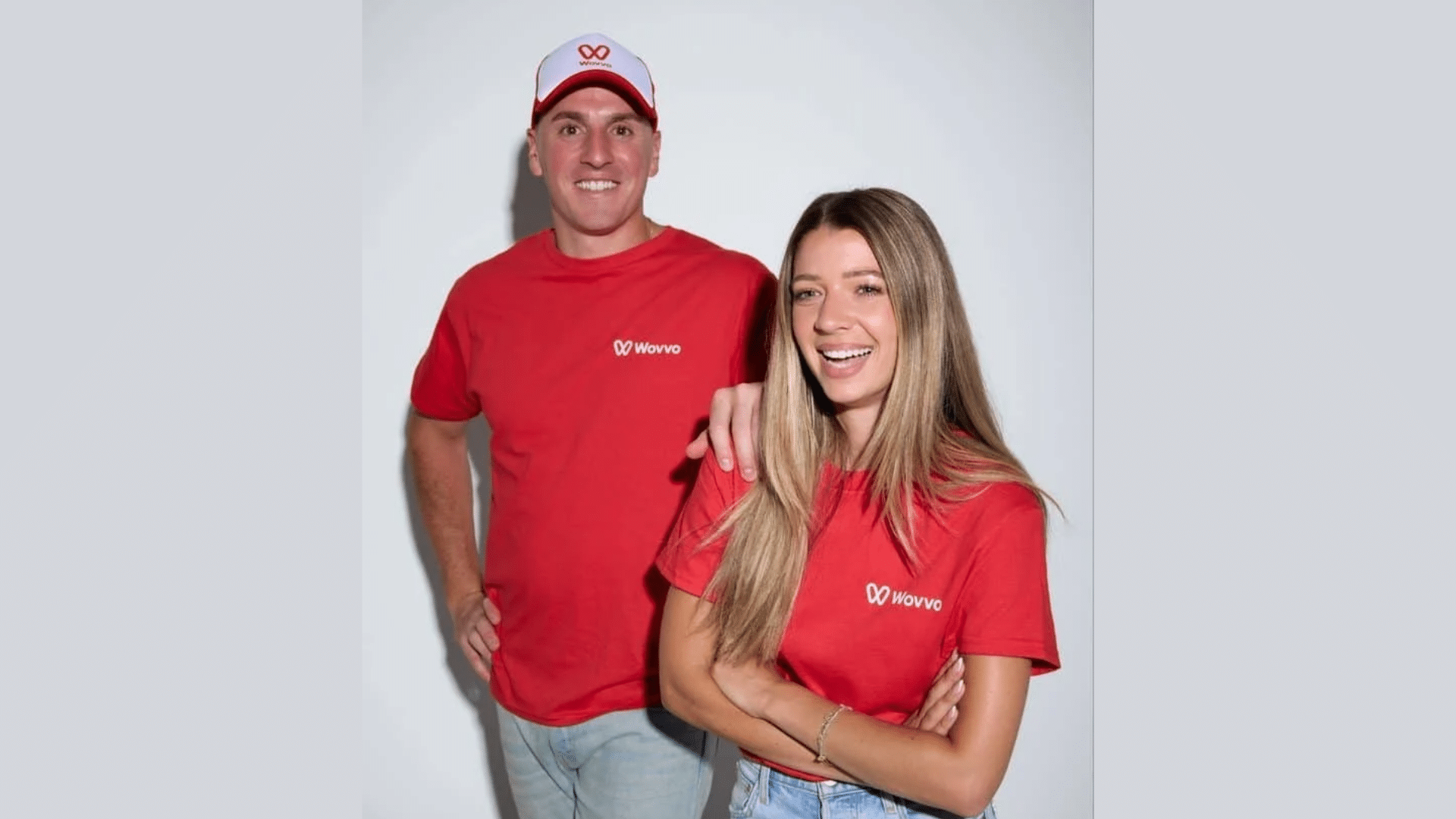
That order of operations comes from Paula’s own route into the work. A Vancouver-based UGC creator since 2022 whose clients have included Magic Spoon and Sown Beauty, she built a startup’s brand from scratch during three years as its brand manager, work that won “Best in Show” at Planted Expo, before co-founding Wovvo in 2025 with Ian Slater.
“You can’t leverage bad editing, you can’t leverage non-confident to the camera, you can’t leverage weak script writing,” she says.
Wovvo serves UGC creators in the U.S. and Canada, from beginners to creators stuck at single-video rates. Its entry point is a jobs feed that the company says pulls 1,000 to 5,000 postings a month from more than 10 platforms, updated hourly, with partner UGC agencies giving Wovvo Pro members priority access. Courses, coaching calls and a private community sit in the same app, because lessons on their own wear off, Paula argues.
“I could give you the best advice in the world, and you can be motivated for a minute,” she says. “But my 50/50 rule is 50% being delusional and 50% taking action. That equals 100% trululu, which simply means results.”
The size of the market is part of her case. Goldman Sachs projects the Creator Economy could reach $480 billion by 2027, yet a 2026 CreatorIQ study found that 67% of creators earn less than $10,000 a year. How Wovvo began shapes how she proposes to change that.
Wovvo Validated Demand Before It Built
Wovvo started as a free WhatsApp group. Between jobs in 2023, Paula found a stream of UGC postings on X and began sharing the best opportunities with other creators. The group ran for two years and grew past 500 members, many of whom she says are now full-time creators.
When the group got too big to run for free, Paula asked its members and her X followers whether they wanted a paid platform. The answer was yes. She pitched Ian, whom she had met a month earlier, and the two incorporated two months later. Paula’s motto is “ready, fire, aim,” but she waited for the community’s answer before firing, and the group later voted on the logo. “The most important part about our journey, and also about business, is don’t build until you have confirmed demand,” she says.
The first 80 buyers, whom the company calls “Forever Founders,” each received a Loom portfolio and X audit. Wovvo launched in beta in April 2025, then raised the price and sold out 350 lifetime passes. By January 2026, membership had passed 4,000, according to the company.
“I didn’t want to go the funding route. I wanted to do it all myself because I’m stubborn and I like to learn the hard way,” Paula says. Revenue goes back into the business. The sequence put a paying community in place before the product existed, and she applies the same proof-first logic to creator pricing.
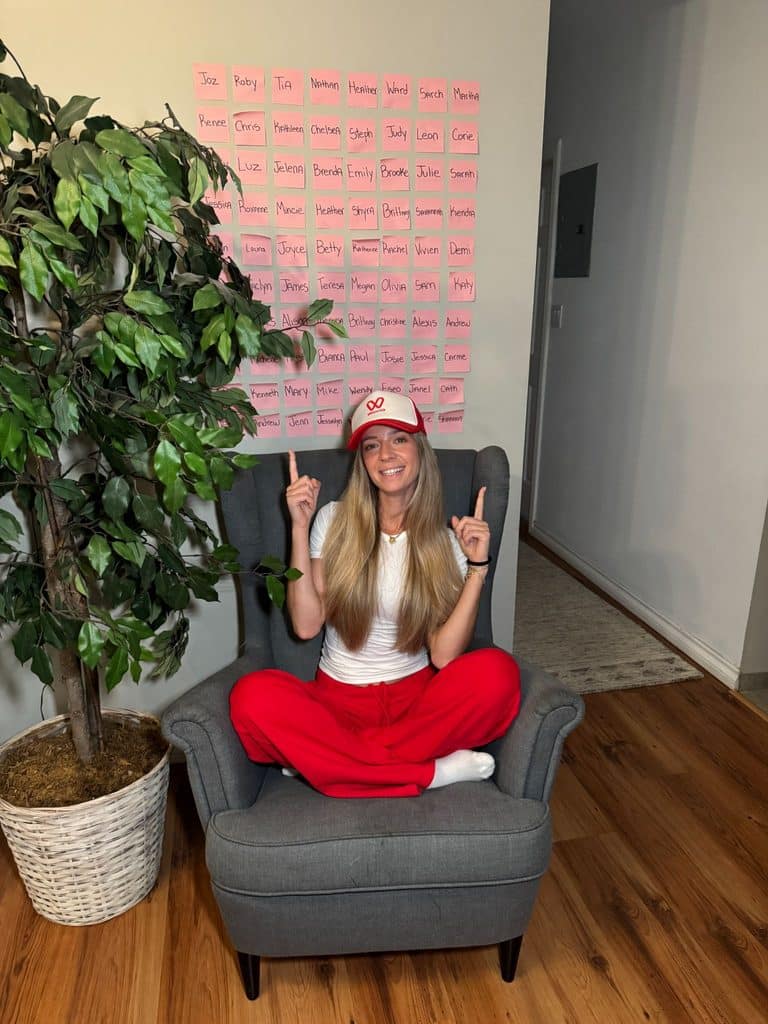
Photo: Wovvo’s 80 Forever Founders on Paula’s wall
New Creators Should Build Skill Before Raising Rates
Pricing, in Paula’s account, starts with what the brand wants. “A brand is reaching out to a creator; what do they want? The lowest price possible, right?” she says. For a new creator, she adds, the first jobs are about building skill.
She accepts the get-paid-what-you’re-worth principle but puts output first, comparing an overpriced beginner to a roofer who charges top dollar for a roof that leaks. “It doesn’t deliver the results. So you have to get better at the skill,” Paula says.
She reverses the usual coaching sequence. Where coaches tell creators to build a portfolio and then pitch, Paula recommends posting imperfect videos on social media and taking a few unpaid jobs early. “You do a few jobs for free, and then you land a paid gig because you’ve gotten better at scripting, editing, and talking confidently on camera,” she says.
Creators she has worked with who started at $25 to $100 a video now make about $1,500 per package, by her account, and the company reports an average of $514 per UGC video. The jump is from per-video to package pricing, which her next piece of advice addresses.
Top-Earning Creators Pitch Like Strategists
Packages are where Paula sees creators lose money without noticing. “It’s all these little gaps that the creator just doesn’t see, like upsells,” she says.
Her model pitch starts with research. A creator studies the brand, identifies what it is missing, and offers more than a single video. After the content goes live, the creator checks how it performed and suggests improvements for the next round. “You’ve got to operate as a business, as a strategist and as a brand partner,” Paula says. “And that’s the difference between $10,000, $20,000 a month creators and the $500 a month creators.”
“If you can position yourself as a team player, why wouldn’t brands want to leverage that and pay you what you’re worth?” she asks. Being a team player assumes the brand is doing its share, and Paula argues that often isn’t the case.

Photo: Paula at Creators Collab
Brands Owe Creators Better Briefs and Data
“Sometimes, the brands don’t know what they’re doing, and they’re coming to creators as a solution when it really takes team effort,” Paula says. Beginners without ads experience depend on the brand’s briefs and data, in her account.
Without data, she argues, a creator told to “make us a video” has no way to know what is working, and a new creator’s ideas often come from ChatGPT. “That disconnect is where there’s the biggest breakage right now,” she says.
Job posts show the same problem. Paula wants more detail and an end to what she calls catfishing, such as listings that promise between $1 and $10,000 with no context. Those posts draw weak applicants and leave creators believing UGC is a scam, in her view. “Be transparent about your rate. Don’t do between 1 and 10,000, but be really specific,” she says.
On Wovvo’s side, AI flags suspect posts and members flag what it misses. “We will do our absolute best. But are we perfect? No, of course not,” she says. Screening posts is one use of AI Paula embraces. AI-made content is a separate question.
AI Content Makes Real People More Valuable, Paula Argues
AI-generated UGC doesn’t worry Paula. “It’s inevitable,” she says. In her view, the more AI content people see, the more they will want human creators.
Trust is the reason she gives. “If a brand is to go and post AI content, why would I trust that? I want a real human with real acne scars and real body shapes and real hair,” Paula says.
That preference for unfiltered people extends to a segment Paula says brands need more than ever: older creators. “Do you think a 20-year-old is going to sell life insurance?” she asks, naming heart medication and wrinkle cream as other categories. Older creators are unfiltered because they have lived their lives, she says, though many need help with the technology, which Wovvo offers. Paula coaches creators 35 and older, and her oldest member is 70.
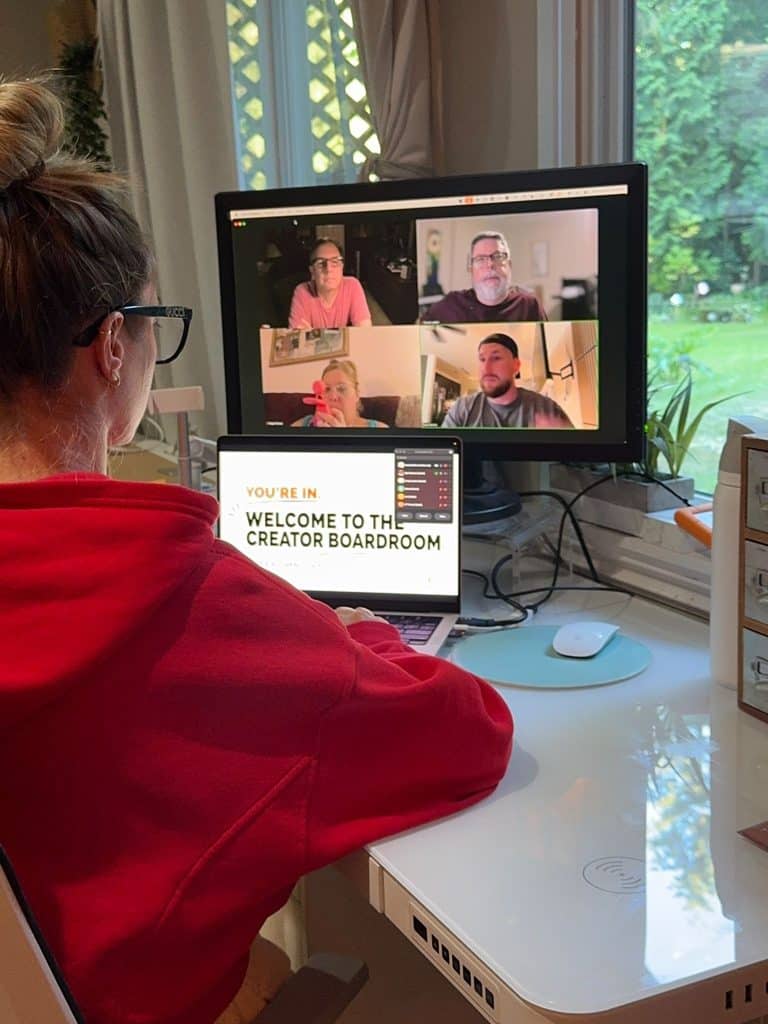
Photo: Paula on a Wovvo Creator Boardroom community call
Paula Measures Wovvo by the Skills It Builds
Wovvo plans to launch version 4.0 of its app in January 2027. Paula describes the company’s aim as building creator skills, from showing up confidently on camera to negotiating and writing better emails.
Her own timeline informs that goal. “I’m 31. I wanted to be a content creator when I was 16,” she says. The jobs feed brings creators in, but her case for the company rests on skills that carry from one deal to the next.
“There’s one investment that is the best investment ever, and that’s your mind,” Paula says. “No one can take that away from you.”
Cover photo: Ian Slater & Paula Hlavacek
Subscribe to Our Newsletter
Check Out Our Podcast