



Strategy
SCWB Media’s Kirstie Nicole: LGBTQ+ Audiences Reward Brands That Commit and Hold Their Position

Kirstie Nicole wants brands to treat LGBTQ+ audiences as an annual commitment shaped by people from the community, and to keep that commitment when the political climate shifts. The founder of She Comes With Baggage Media (SCWB Media) argues that audiences can tell which brands appear only when a moment is culturally relevant, and that the brands holding their position earn their support.
She sees that distinction from both sides of a brand deal, as a creator who vets her sponsors and as the head of a media company that sells them formats. The advice she gives clients starts with timing. “You don’t have to only put all of your focus in one month. You can sprinkle it in year-round,” she says.
That dual role grew out of her travel platform, built over more than a decade on the road, which brought Kirstie an audience of more than 800,000 people and partnerships with brands including National Geographic and Virgin Atlantic. She launched SCWB Media in early 2026 to build beyond her own channels. “I really wanted to share something that could scale to a place that I probably could never take it,” she says.
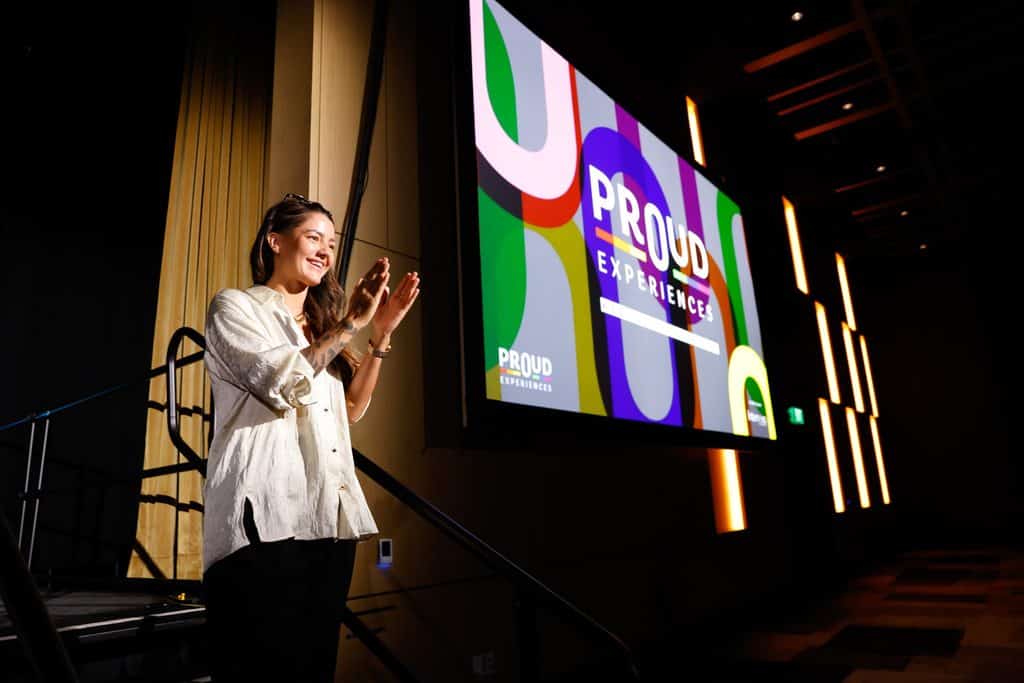
The Los Angeles-based company now runs a podcast, a publication and The Amistara, a friendship platform, alongside Kirstie’s own channels, all aimed at LGBTQ+ audiences and the brands that want to reach them. She argues the range matters because shifting politics have left some brands unsure how to visibly show up. A brand can commission a one-off creator campaign or, if it prefers, sponsor a podcast or an event. Her advice to those brands starts before any format is chosen.
Lived Experience Comes Before the Campaign
The first step Kirstie recommends for a brand moving past Pride-only campaigns is consulting people who already do the work. “If you don’t have people with that lived experience in the room, at the table when you’re discussing these campaigns, I think it might fall short,” she says.
A campaign built without that input rests on assumptions about the community, she argues. A brand does not need a finished plan before it reaches out, either. Some arrive wanting only a consultation on how to begin adding representation, and Kirstie treats that as a reasonable place to start.
“When you start having conversations with someone from that marginalized community, you can ask opinions and then make your campaigns from there,” she explains. For a brand unsure of its footing, that makes consultation a lower-commitment entry point than a campaign, and one that puts the community’s view first. One misreading she raises with clients is how narrowly brands define the audience.
The Audience Is Wider Than One Identity
Brands that address LGBTQ+ consumers as a single group misread how varied that group is. “Being LGBTQ plus is not just one type of person,” Kirstie says, pointing to trans and non-binary people, gay men, lesbian women and the identities in between.
Identity also connects to everything else a person cares about. Her examples include families, the environment, pets, sustainability and education. “Whenever I speak with brands, I don’t want them to just think about surface-level identity,” she notes.
For a brand, that means a brief can start from an interest the audience shares, such as sustainability or family life, and treat identity as one layer of the person it is speaking to. Breadth across interests has a counterpart in breadth across the calendar, the other change she presses on clients.
Audiences Notice June-Only Support
A few years ago, brands often showed up for LGBTQ+ communities only when the moment was something they could capitalize on, according to Kirstie. The familiar version was a rainbow flag or logo that ran throughout the month of June. “People are really paying attention to the brands that reflect their own values,” she argues.
She calls the June-only pattern pinkwashing and sees a broader version in what she terms purpose washing. “It’s not just limited to the queer community,” she notes. Her response is direct dialogue with clients about what her audience cares about and what she cares about. “So that means this is what you should potentially consider caring about, because I think it’ll create a more authentic campaign,” is how she puts it to them.
The campaign she holds up as a model came from an airline.
KLM’s Pride House Gave Creators a Story
KLM flew LGBTQ+ creators from the U.S., the UK, and Canada to WorldPride in Amsterdam to cover the parades and floats, a campaign she worked on. Kirstie describes that part as good creator awareness. What set it apart for her was the KLM Pride House, which brought people from countries where openly expressing their identities or celebrating Pride was not always possible to the event so they could feel seen and safe while taking part.
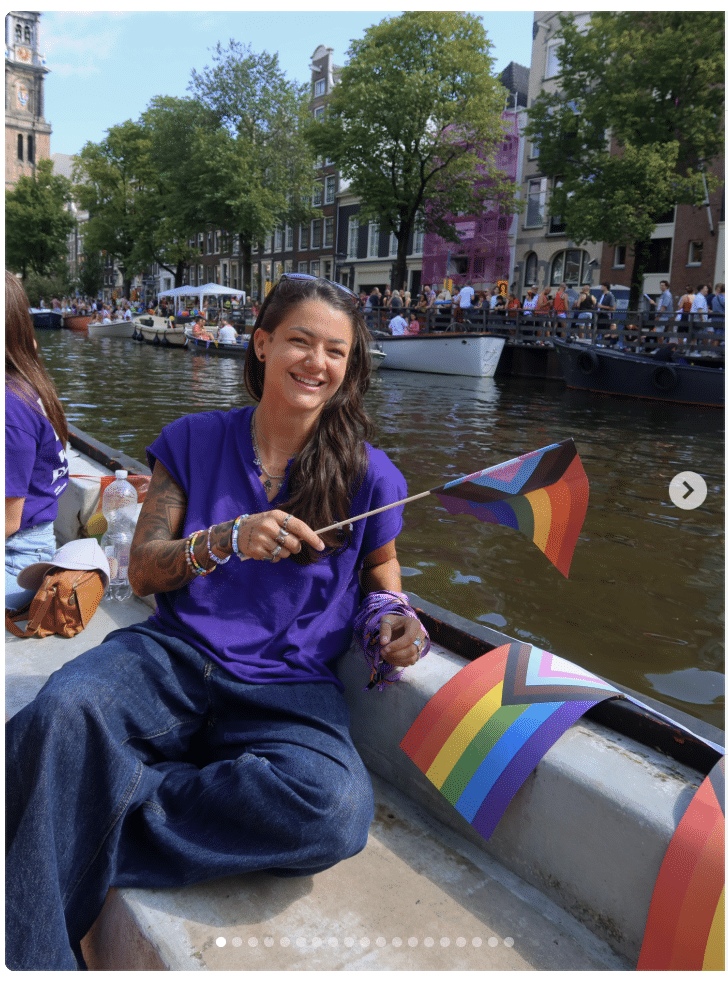
Kirstie links the creator payoff to the airline’s motive, which she guesses was to help people feel seen and celebrated. “That also gives the content creators something really good to share,” she says. The Pride House also puts her consulting advice into practice: the people the campaign celebrated were part of it.
She asks creators for the same clarity about motive. A creator who knows why they want an audience, and what journey they are taking it on, connects better with brands, she argues, partly because audiences recognize an ad when they see one. “Whenever you know exactly why you’re sharing your content, you’ll be able to create more authentic campaigns which create better engagement and KPIs for the brand,” she says.
Backtracking Shows the Support Was Conditional
Kirstie applies that test of motive to her own deals. She recently turned down a brand because of its history on labor practices and fair pay, as she considers fair compensation a basic human right. She also reads a large budget from a poorly matched brand as a premium paid for a weak fit. “It doesn’t work, and it doesn’t correlate, which means it’s not going to speak authentically to the audience and it’s going to create distrust,” she says.
Kirstie sees the same logic in what brands are doing now. She describes companies pulling their funding from the LGBTQ+ community, Pride campaigns being withdrawn, and some Pride parades shut down after sponsors left. “They are very clearly indicating that they were only there when money was involved, not because the values are deeply part of the company culture,” she argues.
For brands that have already stated their values publicly, which she thinks they should, her advice is short. “Don’t backtrack, stand on it,” Kirstie says. “And people are going to appreciate that, and they’re going to support you in that, too.”
SCWB Media Is Betting on Community Next
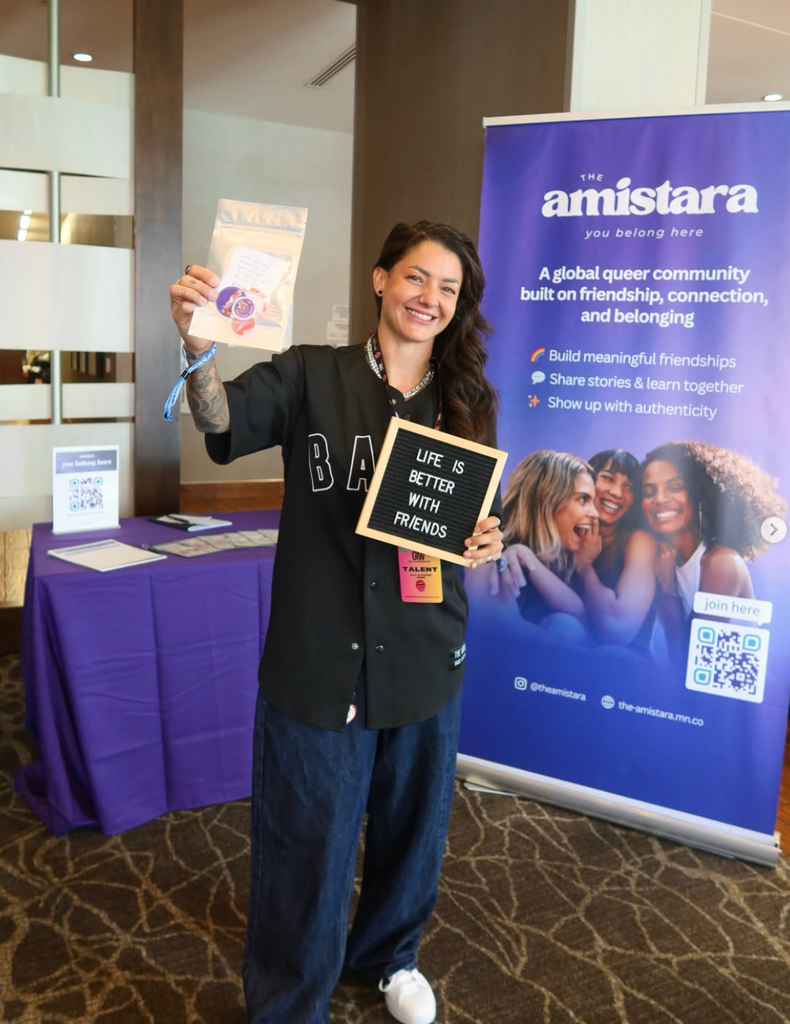
The Amistara, SCWB Media’s community platform, rests on a premise Kirstie also brings to brand clients: people are craving human connection. She built it after concluding that people seek out stories because they want to feel seen and find community. The platform runs on desktop, with a phone app in development. According to Kirstie, 27 members from around the world met in person for the first time at WorldPride in Amsterdam and have since traveled together.
The company is also moving outward. Kirstie is moving to London after Christmas to expand SCWB Media in the UK, and she hopes to reach South America and parts of Asia within five to ten years. The stated goal is to make it “one of the most impactful lesbian-owned media companies in the world,” though she says the team is still working out what that impact looks like.
Her closing point was about what creators owe the people who follow them. “We are the new voice, we are the new platforms that people are turning to and trusting,” Kirstie says. “And with that comes a responsibility.”
Subscribe to Our Newsletter
Check Out Our Podcast