




Influencer
Who Should Own the Influencer Budget? 16 Experts on the Right Structure and Why Most Brands Struggle to Build It

Creator marketing investment is surging, but many brands are still struggling with a structural question: who actually owns the influencer budget?
As creators increasingly touch communications, social, paid media, and commerce, organizations are divided over whether the answer is a dedicated creator team, shared ownership, or letting business objectives determine where budgets sit. Each department measures the channel on its own terms – communications through sentiment and earned media, social through engagement, paid through conversions, leaving brands with competing scorecards and diffuse accountability.
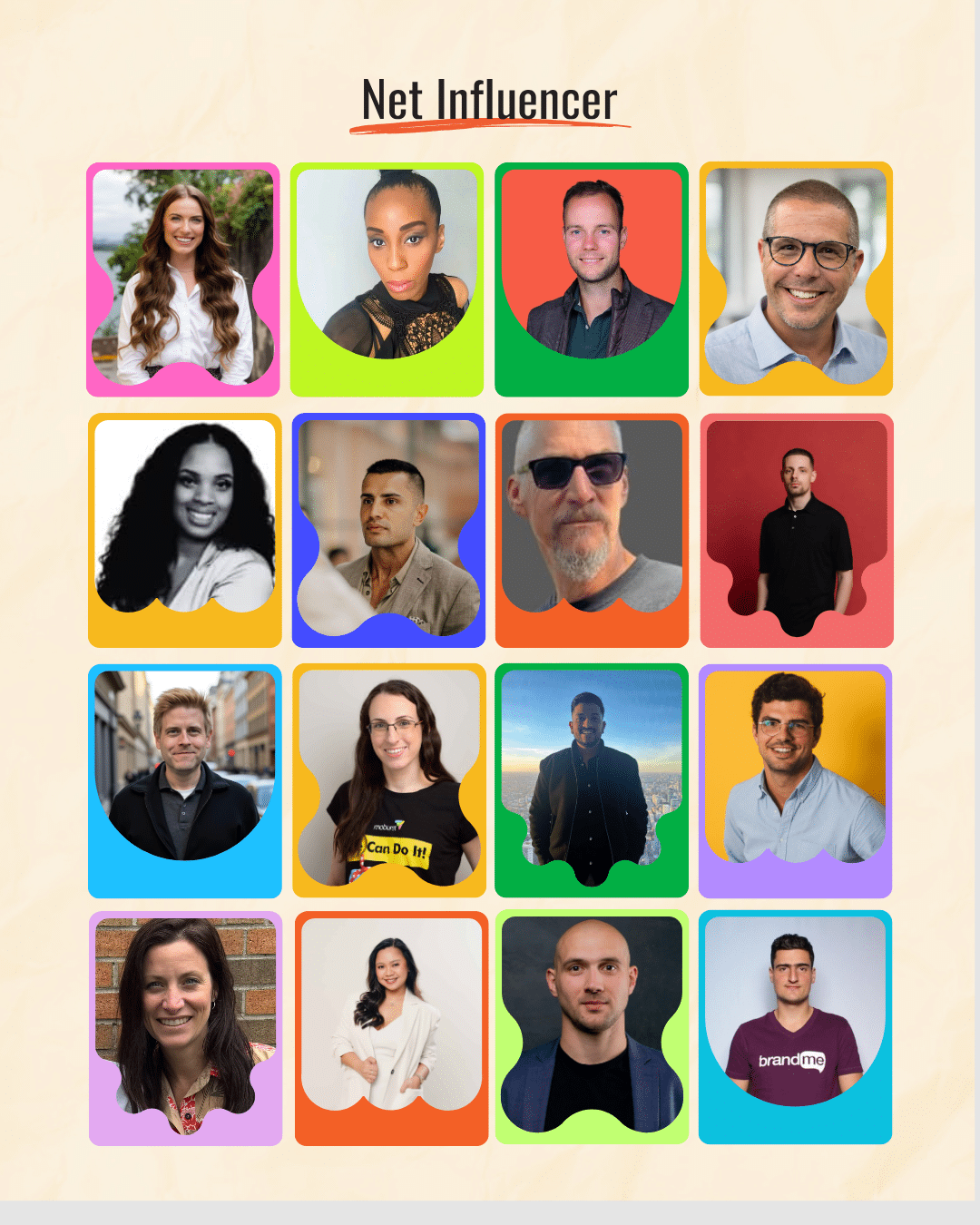
With ownership still contested, we asked 16 agency founders, executives, and marketing strategists what internal ownership model they recommend to brands and where those structures most consistently stall.
Kate Fleming, Director of Influencer, PartnerCentric
The owner is chosen by the metric, not the org chart.
If influencer is measured on impressions, it naturally defaults to communications. If it is measured on revenue contribution, it belongs closer to performance, with analytical support to match. Many brands appoint an owner first, then realize three teams are still operating with three different currencies and no clear exchange rate between them.
The model I recommend starts before the org chart. First, align on the primary metric. Then define what the secondary metrics are worth in relation to it. Only then should ownership be assigned, and that owner needs real budget authority. A dotted line to finance may create a cleaner title, but it does not create accountability.
The metric tells you who should own influencer. Rights reveal who actually does.
Whoever negotiates usage windows, manages licensing, and controls where content can appear ultimately determines what the brand can do with the asset.
That is where the work stalls: in the handoff between teams. One group writes the brief, another reviews the contract, media buyers deploy the asset wherever targeting performs, and six months later, the creator’s agent calls about expired usage rights.
That is the ownership question, arriving as a bill.
Qianna Smith Bruneteau, Founder, Executive Director, American Influencer Council
When I advise brands, I tell them ownership isn’t the real question – coordination is. Four functions typically touch the same creator: social runs day-to-day campaigns, listening, and native advertising; PR manages seeding, brand safety, and events; paid social runs amplification through display and out-of-feed placements most teams never see reflected in organic reporting; and acquisition manages affiliate economics. The model that works isn’t consolidation under one team, it’s a shared creator CRM and calendar that all four functions plug into, so gifting, paid boosts, and affiliate placements are logged and executed jointly, not reconciled after the fact.
But the real blocker is KPI misalignment. Social, paid social, and acquisition are usually judged on financial performance, while PR is judged on placements and impressions, so PR ends up speaking a different language than the other three. The fix isn’t forcing PR into a revenue metric that doesn’t fit. It’s a shared cross-functional goal, sitting above each department’s fiscal targets, that all four leads are jointly accountable for hitting.
Tobias Hoss, Co-Founder & Senior Advisor, 30 Dishes, TopFan, Copyright Capital, Talentir

Influencer Marketing gets stuck because it was born inside orgs that treat every channel as paid, earned, or owned. Influencer is all three, which is why nobody owns it and everyone claims partial credit.
The model that works: one owner, cross-functional authority, sitting close to the CMO. Not inside comms, social, or paid. A dedicated creator function with its own P&L, its own metrics, and buying authority across brand deals, always-on programs, affiliate, and paid amplification.
The metric problem solves itself once ownership is real. Three teams measuring the same creator activity against three different KPIs means everyone is right and nobody is accountable. One owner, one scorecard.
Where it stalls is politics. Comms won’t give up earned narrative. Paid won’t give up media budget. Social won’t give up the creator relationships. The CMO who forces the reorg wins the decade. The one who negotiates a shared model gets a slower version of the same channel that isn’t working.
Eric Schultz, Co-Founder, World’s Fair Communications

Influencer Marketing should sit with communications. An influencer’s value isn’t the post, it’s the credibility transfer. That’s building reputation, and reputation is what comms teams are built to manage.
The model we recommend at WFC is simple. Comms owns creator strategy and messaging because we’re the ones accountable when a partnership goes sideways. Social owns the content calendar and community response. The marketing team owns amplification and performance targets.
Another compelling factor: AI search engines now pull heavily from earned and creator content when they generate answers about brands (84% of AI citations come from earned media). Influencer content that reads like authentic third-party endorsement feeds that visibility. Content that reads like an ad gets ignored. Comms teams understand that distinction instinctively. Media buyers often don’t.
Where does it stall? Measurement. Marketing teams want CPMs and conversions. Comms teams want to build reputation through sentiment and share of voice. When each party grades the same campaign on different metrics, it’s tough to agree on what worked. The fix is agreeing on two or three shared factors “before” the first creator is signed.
Jerrica Long, Community Partnerships Lead, Creator Match

The model that works best is a centralized creator/influencer team that owns the budget and the relationship with talent, while comms, social, and paid each brief into it and pull creative or amplification rights for their own channels. Ownership stalls when brands split budget by function instead of by outcome: paid wants performance metrics, comms wants brand safety and sentiment, social wants content volume, and nobody agrees on what “success” means. The fix isn’t picking a single owner and walking away; it’s agreeing on the one KPI that matters most and building the structure toward that, otherwise whoever controls the budget just optimizes for their own metric.
Shawn Munir, Founder & CEO, Yamammi Influencer Marketing LLC
Unclear ownership isn’t the disease, it’s the symptom. Influencer spend gets bolted onto whichever budget had room, not because anyone designed it that way.
The model I push brands toward: one owner, one KPI, everyone else advises. Usually social or brand, sometimes performance marketing if the whole program is direct-response. What doesn’t work is shared ownership, because shared ownership means shared credit, and shared credit means everyone optimizes for their own metric instead of the campaign’s actual goal.
Where it stalls is always the same place: measurement. Comms wants sentiment, paid wants CPA, social wants engagement. No one wants to agree on one number before launch, because whoever picks the metric basically picks the winner. Fix that conversation, and ownership sorts itself out. Skip it, and no org chart will save you.
Keith Pape, CEO, YellowPike Media

In the twelve years I’ve been doing Influencer Marketing (coming from the agency side), I’ve seen the most success in a two department setup.
A dedicated “Influencer Marketing team” to handle all paid and earned influencer activation.
And …
A paid media team where there are dedicated staff to support the Influencer Marketing team for supporting media rights buyout executions in support of the best content (to be repurposed as pure advertising) as well as boosting of the most scalable content that is performing.
I’ve found this combination ensures cohesiveness and consistency across the paid and earned creators through the dedicated influencer team, and then having the expertise of the paid media department with specific folks who specialize in the boosting and repurposed content areas. (I’ve found that trying to have paid media folks in the Influencer Marketing dept is just too tough to have all the right skillsets without duplication).
This allows comms to focus on journalists, and social media to focus on the “UGC” side of community and content creation. It’s a hybrid that allows for focus and flexible support between activations to still create a cohesive “campaign” throughline.
Oleg Bevz, Co-Founder, INPUT Global
Influencer budget should sit wherever its role lives inside the specific marketing system.
In enterprises with a mature brand management function, Influencer Marketing is also top of funnel. It builds brand awareness, and here the brand and comms teams own it.
In SMB, where a dedicated brand function doesn’t exist yet because the company hasn’t grown into one, influencers get viewed through the lens of the audience they bring through social as a channel: influencer to page, page to sale. Here the social media manager owns it.
In industries with complex regulation and funnels, like Fintech or iGaming, Influencer Marketing is most often user acquisition. Its effectiveness gets measured as a performance channel, which is why media buying usually owns it.
So there’s no single right answer for which department influencers belong to. It depends on the type of business and its stage of growth.
Matt Peters, President & Managing Partner, 71 West

Like all things, the context around a brand’s goals is key to determining how influencer campaigns should be planned and managed. But we see the most success when creator and influencer partnerships are owned and managed by the social media team within a brand.
That team is the closest to the platforms and is better able to get the necessary alignment and buy-in from other stakeholders like e-commerce, media, and PR who are often at odds. That said, a smart social media team will heavily involve the relevant other departments depending on the nature of the influencer program. A brand building, broad inspiration campaign should be measured very differently than a lower funnel social commerce program designed to drive direct clicks to specific products.
At larger companies, we’re also increasingly seeing the partnerships team become involved. And this makes sense as the Creator Economy matures and brands are increasingly forming long-term, complex partnerships with small groups of influencers. But even in this case, we advise that primary ownership and management of influencers rests with the social media team because at most organizations, they are the only team equipped to move at the pace that modern social platforms require.
Orad Eldar, VP Media, Moburst
The most effective model is a centralized strategy with shared execution. One cross-functional owner – typically within integrated marketing or brand – should own the influencer budget and overall strategy, while PR, social, paid media, and performance teams collaborate on planning, activation, and measurement. This prevents duplicate creator partnerships and ensures Influencer Marketing supports broader business objectives rather than individual channel KPIs. Where organizations most often stall is around attribution. PR measures earned impact, social focuses on engagement, paid media optimizes for conversions, and each team naturally advocates for its own metrics. The solution isn’t assigning ownership to one department in isolation – it’s aligning stakeholders around shared business outcomes and establishing a unified measurement framework before campaigns launch.
Craig Vallado, Senior Campaign & Talent Manager, Clicks Talent

Most brands don’t have a budget ownership problem, they have an accountability problem. When influencer marketing sits across social, PR and paid media, everyone contributes, but no one truly owns the outcome.
From what we see at Clicks Talent, the strongest model is having one team own the strategy, creator relationships and campaign execution, while partnering with the other functions where they add value. Social should shape content, paid should scale what performs and PR should amplify the story but there needs to be one team accountable for results from start to finish.
Where it usually stalls is measurement. Every department defines success differently: PR looks at earned coverage, social focuses on engagement, paid cares about ROAS and influencer teams are often measured on creator performance. When everyone is optimizing for different KPIs, campaigns become fragmented.
The brands that execute influencer marketing best don’t treat it as another channel. They treat it as a business function with a single owner and shared goals across teams. Clear ownership doesn’t limit collaboration, it makes collaboration work.
Nicolas Bon, CEO, Clark Influence

Influencer Marketing doesn’t have an ownership problem. It has an alignment problem.
Too many brands still manage creators as a channel. They’re not. They’re a growth lever that impacts brand, social, PR, paid media, and commerce at the same time.
That’s why I don’t believe influencer budgets should belong to one department. I believe influencer strategy should.
The brands pulling ahead are building an Influencer Center of Excellence: one team setting the vision, governance, measurement, and creator strategy, while every other function activates creators through its own objectives.
Where does it break? When every department asks, “What’s in it for my KPI?” instead of, “What’s best for the business?”
The future belongs to brands that stop debating who owns Influencer Marketing and start treating creators as a shared business asset, not a departmental expense.
Jessica Thorpe, CEO, partnrUP
One of the biggest mistakes was treating Influencer Marketing as an extension of PR. Communications teams are exceptional at shaping brand narratives, managing reputation, and creating cultural moments. PR boxes and gifting also introduced many brands to creators. They deserve a voice in the strategy, but ownership is different from participation.
As creator budgets evolved from product seeding into media-level investments, accountability had to evolve too. The team responsible for spending those dollars to achieve a measurable business outcome should own that portion of the budget. That could be brand marketing, e-commerce, retail media, or performance marketing, depending on the objective.
I also think we ask the wrong question. Instead of asking who owns the influencer budget, ask what business outcome you’re trying to improve. Communications may measure awareness and share of voice. Social teams focus on engagement and community growth. E-commerce and retail teams own traffic, conversion, and sales. Paid media teams optimize creative performance and return on ad spend. Creator investment should follow the KPI, because ownership without accountability rarely delivers the best results.
Ace Gapuz, CEO, Blogapalooza

Influencer Marketing has outgrown any single department. It influences awareness, consideration, conversion, and advocacy, so treating it as purely PR, social, or paid media limits its impact.
The model I recommend is cross-functional execution with one accountable owner who aligns strategy, budget, and measurement across teams. Creator marketing works best when it’s treated as a business capability, not a channel.
Where it usually stalls is when teams optimize for their own KPIs instead of shared outcomes. The conversation shifts from “How do we make this campaign successful?” to “Whose budget does this come from?” That’s where momentum gets lost.
Andrii Salii, Media Executive, MIA Studio
A model that works well is centralized strategy with distributed execution. One team should own the influencer program, budget governance, creator standards, measurement, and reporting, while PR, social, paid media, and brand teams contribute campaign goals and activation plans. This prevents competing KPIs and fragmented creator relationships.
The biggest mistake is treating influencers like another media buy. You’re not buying reach or impressions alone – you’re buying trust.
That changes how success should be measured.
Programs usually stall when brands:
Optimize for follower count instead of audience quality, views, and conversions.
Prioritize the biggest creators instead of those with the strongest audience fit.
Force scripted ads instead of authentic content that matches the creator’s style.
Run influencer campaigns for products or niches that don’t naturally fit creator audiences.
Lack a repeatable system for creator sourcing, onboarding, deliverables, performance analysis, and long-term relationship management.
When ownership is clear and everyone aligns around audience trust, business outcomes, and consistent operational processes – not departmental metrics – Influencer Marketing becomes a scalable growth channel rather than a constant internal tug-of-war.
Gerardo Sordo, CEO & Founder, BrandMe
Influencer Marketing shouldn’t belong to PR, social, or media – it should belong to whoever owns business outcomes. The biggest mistake brands make is treating creators as a channel instead of a business capability.
At BrandMe, we’ve seen the best results when influencer strategy is centralized under one owner with cross-functional collaboration. PR, social, paid media, and e-commerce all have different KPIs, but creators shouldn’t be forced into those silos. One strategy, one budget owner, many execution partners.
Where it usually stalls isn’t organizational – it’s cultural. Every team measures success differently, so they optimize for their own metrics instead of the customer journey. Until brands align on shared business objectives, Influencer Marketing will continue competing internally instead of compounding its impact.
Subscribe to Our Newsletter
Check Out Our Podcast