


Influencer
Meet Lauren Paley, the ‘Stairwell Siren’ Behind the Creator Economy’s Multigenerational Music Playbook

What happens when two of the Creator Economy’s most commercially valuable audiences, millennial parents who grew up on pop-punk and children who will only accept Rapunzel, turn out to live in the same car?
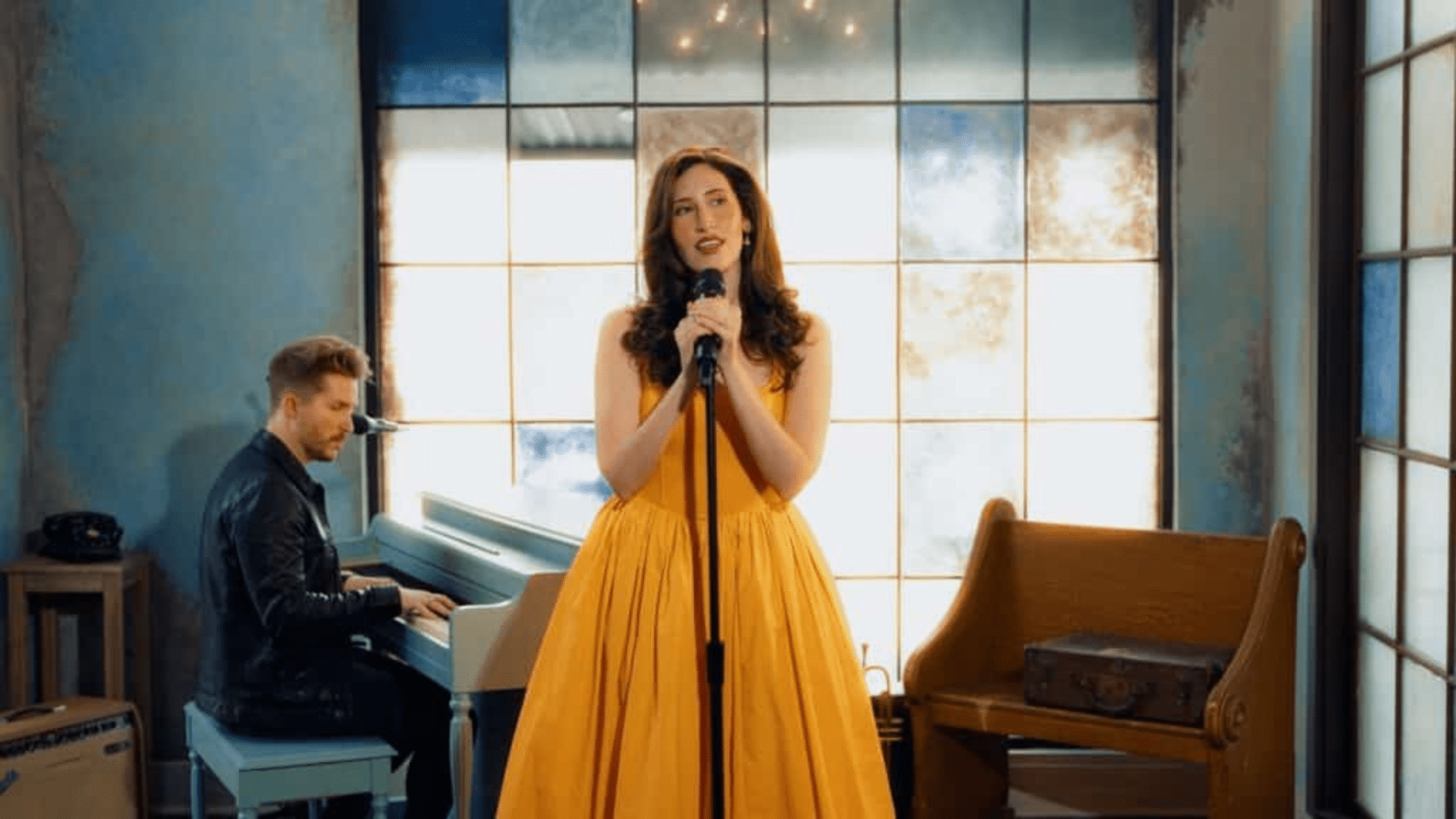
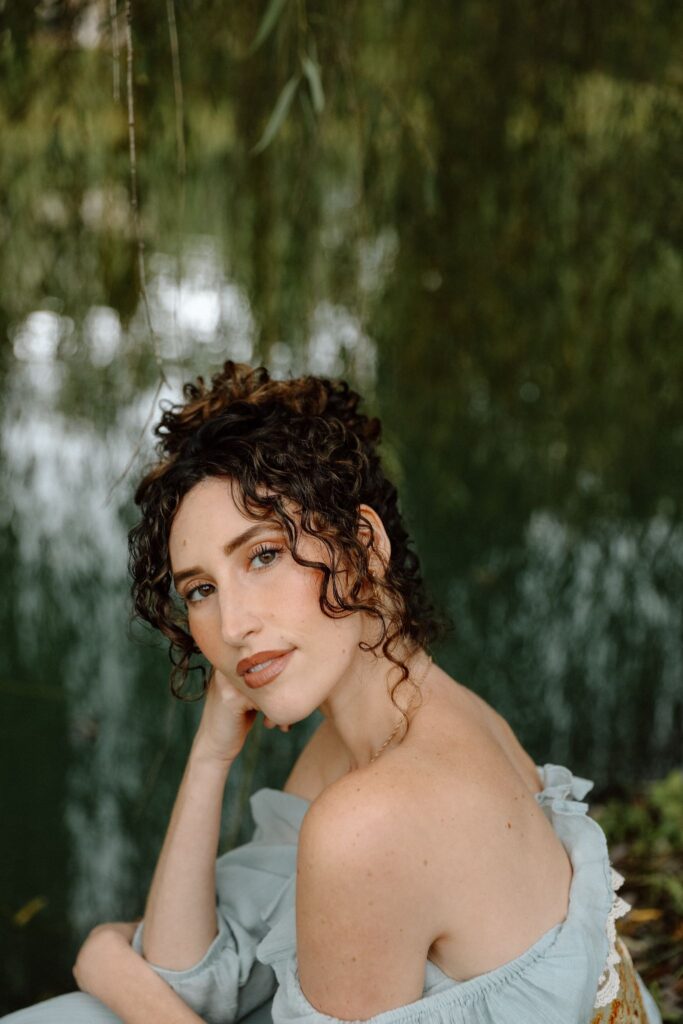
Lauren Paley has been working on that answer since 2020, from a hot garage stairwell in Nashville with a phone propped against the wall. She is a singer, content creator, and mom to a four-year-old daughter. Her BFA from the Boston Conservatory was supposed to take her to Broadway; instead, it gave her the vocal foundation for a creator career spanning 11 million TikTok followers, 1.7 million on Instagram, and 2.7 million YouTube subscribers.
Lauren’s series “Punk Goes Princess,” which takes pop-punk and emo songs and reconceives them as cinematic Disney-style productions, is where both audiences in that car finally share the same playlist. The concept is also a commercial proposition: her brand’s multigenerational reach, parents and young children watching together, is the kind of audience that partners like Disney Family, Pixar, LEGO, and Funko rarely find in a single creator.
“I feel like I have my foot in a bunch of different doors, and I don’t want to label myself in one way,” Lauren says. “So I’m just kind of a multifaceted content creator.”
The Stairwell and the Start of Something
Lauren was already on TikTok before the pandemic. Her first viral video, a Lizzo cover reinterpreted in the style of a Disney princess, reached roughly a million views in a couple of days before the stairwell chapter began. But 2020 built the audience.
When her husband went fully remote, their one-bedroom Nashville apartment had no room for a singer. The solution was the garage stairwell. “My singing and making TikToks wasn’t going to be happening while he was working,” Lauren says. She set up with her phone, started posting covers of movie soundtracks, Disney songs, and video game scores, and went live to take requests. The name “Stairwell Siren” arrived, and it stuck.
The setup was intentionally minimal. No production budget, no ring light, no editing suite. “This is what you’re getting. Everything I have is on my phone. The audio is coming out of my phone. It’s not perfect because I’m not perfect, and no human is.”
In an era of polished YouTube production, that registered differently. “I think that kind of stripped-down authenticity is what people wanted in the moment,” she says.
She stayed consistent through the videos that underperformed. “Even if a video didn’t do that well, I didn’t care. The next day, I’m gonna go back, and I’m gonna keep doing it.” Two years of stairwell content, folded over time into pregnancy content and then motherhood content, produced the audience that brands now compete to reach.
Building a Community, Not Just a Following
Lauren’s argument about her platform’s commercial value comes down to a distinction she draws precisely: reach without connection is a different asset from reach built on relationship.
“The reason I am where I am is that I’ve developed a community that’s gotten to know me,” she says. “If I just got on my page and sang a song, people might like it, but it takes a little bit more depth for someone to truly connect.” That depth was built through the ordinary: a pregnancy documented in the stairwell, a house purchase, a daughter learning to sing. When Lauren recently lost her voice and posted about her ginger shot recovery, followers responded like people in her circle.
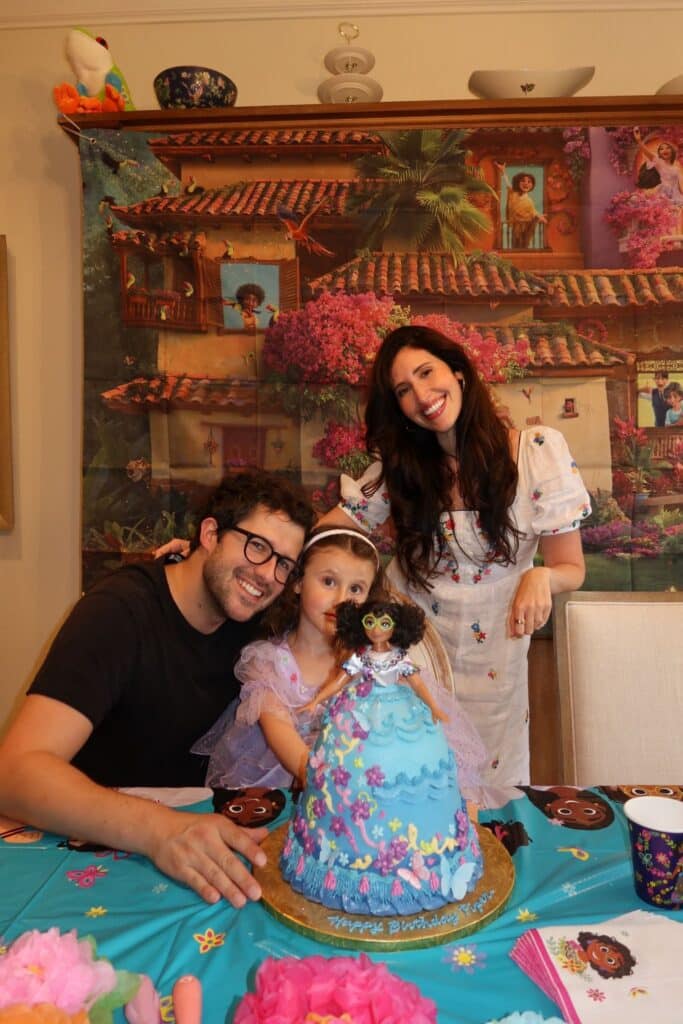
The audience Lauren built during the stairwell years is now her daughter’s age. Parents who found her account when she was singing through a pandemic pregnancy have four-year-olds who watch alongside them. That accidental multigenerational reach, the mom who grew up on emo and the daughter who wants princesses, is the foundation the “Punk Goes Princess” series was built to serve.
Instagram now demands the most of her strategic attention. TikTok gave her scale, but for community maintenance, she sees a structural difference. “When I’m posting on stories, I know my followers are going to see it,” she says. TikTok’s reach can disappear without notice. Instagram holds the relationship.
The ‘Punk Goes Princess’ Calculation
For years, Lauren’s comment sections had one recurring note: would she sing something other than Disney?
The question was fair. She had built her audience around Disney and family content, but her own taste ran toward pop-punk and emo. The domestic standoff she describes is familiar to millions of millennial parents: she wanted to play Fall Out Boy in the car, and her daughter wanted “Tangled.”
“How can I mesh these two while also creating something that millennial parents can listen to with their kids and both enjoy?” Last year, she tried it, covering “Teenage Dirtbag,” the Wheatus single, reinterpreted in the style of a Disney princess. The series launched from that video.
“I’ve created something really interesting because my daughter, now she knows all those songs finally,” Lauren says. “I was just trying to create a little bridge to get them to finally want to expand their music taste.” The series is now heading into an EP of punk songs reconceived as cinematic productions.
The format also changed what brands could do with her. “Brands, they’re looking for ways for me to incorporate their product, but make it so me,” she says. A running series with a defined aesthetic gives brand partners a world to enter rather than a feed to interrupt. “I love making something feel like it came from me and it came organically, instead of ‘I was paid to do this, and it doesn’t really make sense, but here it is.'”
The Brand-Safe Premium
Lauren’s content occupies a category brand teams rarely find intact: family-safe, not engineered for the designation. Her past partnerships include Disney Family, Pixar, LEGO, and Funko. Her ShopMy storefront covers apparel, makeup, skincare, wellness, and children’s clothing.
Children’s clothing and sale-priced beauty staples convert best. Her affiliate approach reflects how she reads her audience. “I love sharing those deals, and I feel like that converts really well,” Lauren says. She flags promotions and sale windows rather than pushing full-priced products at a following she knows is price-conscious.
On brand deals, her filter is direct. “I have to align. I can’t fake it and pretend that I love something,” Lauren says. “My audience trusts me, and I’m not a good liar.” One category carries no nuance at all: AI music platforms.
The AI Line She Will Not Cross
Lauren’s opposition to AI in music is specific. She has checked: her recordings were used to train AI software without her consent. “It scares me,” she says. “I have a bunch of songs that have been used to train AI.” Offers from AI music companies have come as brand deals. She has declined every single one.
“To me, it just takes all of the art out of it and all of the humanity,” Lauren says. Her argument for why human creators will outlast the proliferation of synthetic content is not technical. “We want to hear stories from people, and we want to hear music from people because it’s not interesting otherwise. The storytelling is coming from a robot. I want to hear the emotions and the stories from somebody’s heart and experience. And I think that’ll always surpass AI.”
The community is the competitive moat that will “separate creators from synthetic alternatives.”
From Stairwell to Disney
Lauren recently signed with CESD Talent Agency’s Digital Department and Voice Over roster. The goal she names is precise. “My ultimate dream has always been to voice a Disney character,” she says.
An unannounced collaboration, due for release later this month, is the project she uses to measure how far the path has come. “If this is the last thing I do, I will be proud of that,” Lauren says. She is not being falsely modest. She is measuring against a specific starting point: a stairwell, a phone, a pandemic, and a decision to keep going when the views were not there.
“I already feel successful because I’ve done things I never thought I would do,” Lauren says. What comes next is measured not in follower counts but in the specificity of what she is trying to become.
“I just hope that I’m able to keep making a career out of what I love.”
Subscribe to Our Newsletter
Check Out Our Podcast