





Influencer
Content Creator Dylan Nabeth on Learning To Think Like A Businessman

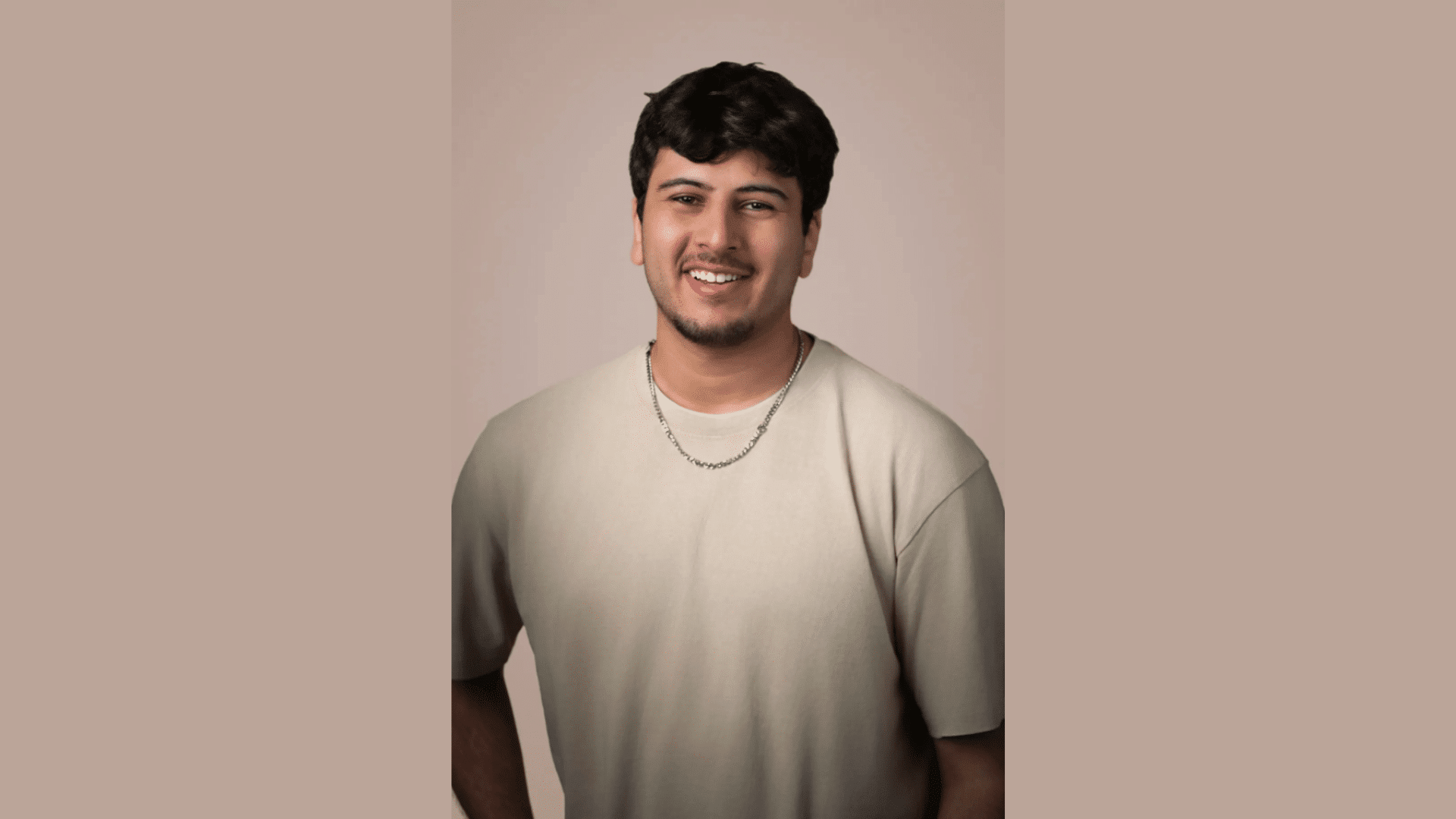
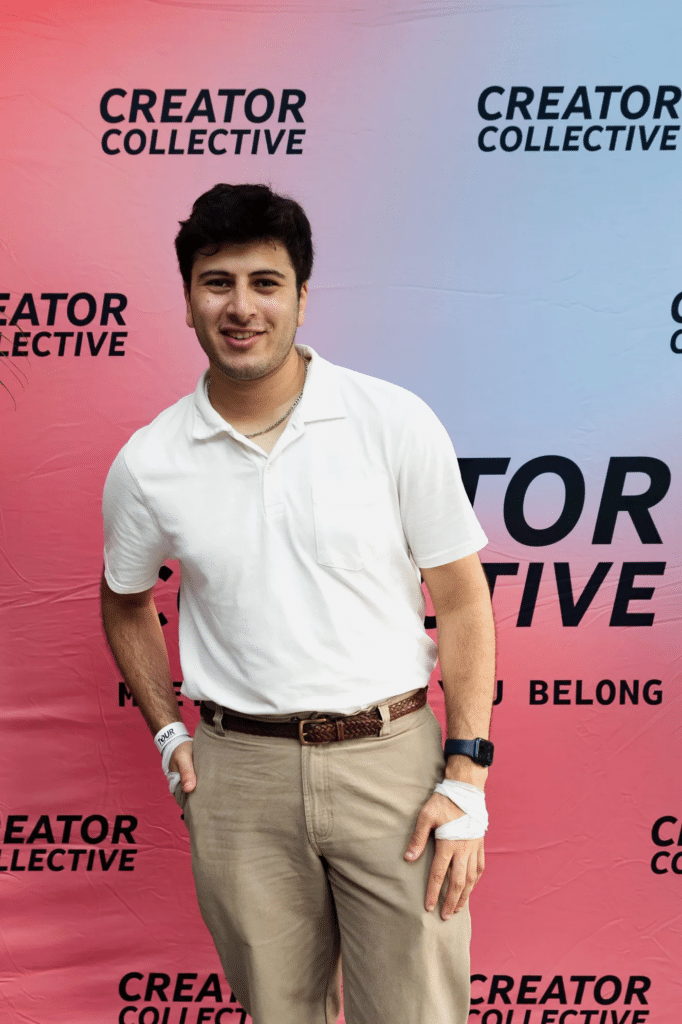
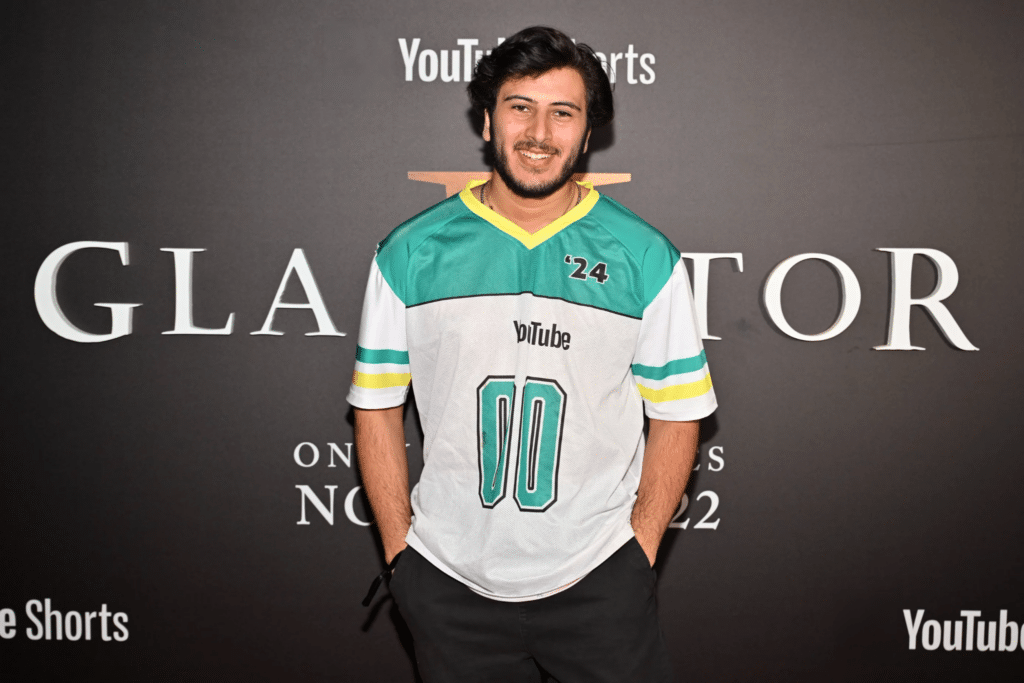
Dylan Nabeth’s path to success was not a straight climb. It took restart after restart before he found a niche that worked, and he still says the real story only started three years ago, when he stopped thinking of himself as just a creator.
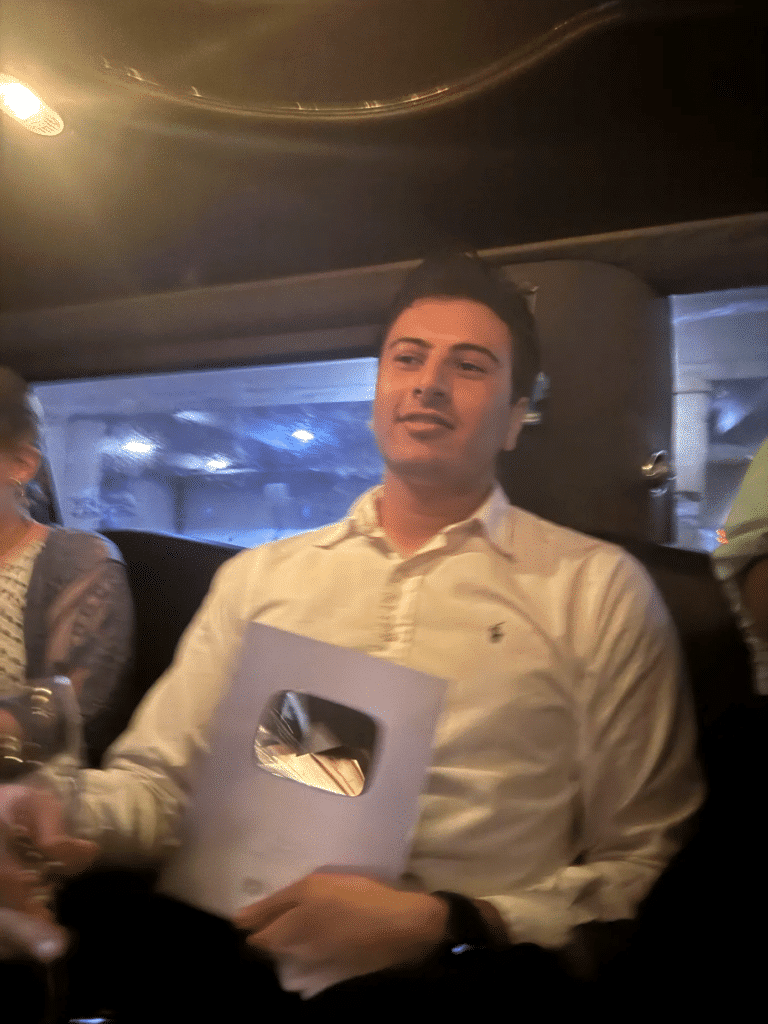
Dylan started making videos in 2013, at nine years old, filming himself playing outside, going to class, and playing games because he loved YouTube. Today, he runs a Minecraft channel called “Dylannnn” and Dynamic Media, a production company he founded this year to formalize a business he had already been running on instinct.
Dylan holds a BFA in “Acting for the Stage and Screen,” a degree he pursued to help him chase a dream of one day performing on Broadway. Alongside his acting ambitions, he posts Minecraft content across YouTube, TikTok, and Instagram and has built a combined following of over 500,000. Dynamic Media has since taken on paid editing clients beyond his own channels.
“As much as I want to be a YouTuber, I also need to be a businessman,” Dylan says.
Thirteen Years Of Work Before Restarting From Zero
Dylan’s channel history is a case study in relaunching. “DylanLIVE,” his first channel, launched in April 2023 with Minecraft comedy and skits, reaching 40,000 subscribers in four months.
An early scare shaped how he has operated since. As a preteen, Dylan was doxxed, meaning strangers published his family’s personal information online. His family received threatening texts from the people behind it, and Dylan feared it could escalate into swatting, a hoax emergency call meant to draw an armed police response. In the aftermath, he privated every video on his channels and blacked out his profile pictures. “I wanted to be a ghost after this happened,” he says.
“DylanLIVE’s” next growth spurt came from a Roblox pivot in 2025, suggested by a creator Dylan met at TwitchCon. Subscribers jumped from 40,000 to 300,000 in four months, until the specific Roblox game he covered fell out of trend and took his momentum with it. “Things on YouTube die. They get oversaturated,” he says. “Once everybody is making videos on your thing, it’s a pot, and all these viewers are going to be spread out instead of all the views going to you.”
At the start of this year, rather than pause again, Dylan left “DylanLIVE” behind to launch his current channel, “Dylannnn,” where he and business partners Nathan and Cubix run three collaborating channels: “Dylannnn,” “NathanLIVE,” and “CubixTube.” The venture has grown by roughly 100,000 subscribers in three months and is nearing 200,000. It is now his full-time job.
Turning Every Trip Into A Write-Off
Dynamic Media began as a bookkeeping fix. Every platform now pays Dylan through the business’s bank account, which keeps his receipts organized and lets him write off travel he already does for conventions.
The company has since grown into paid editing work. Dylan edits travel documentaries for his business partner Nathan and has taken on outside clients including YouTube and Fourteen Media Group, the talent agency founded by actor Blake Michael. “Without stories, we wouldn’t have entertainment,” he says of the instinct he traces to his acting degree.
His next project doubles as tax strategy. Dylan is planning a vlog channel documenting a road trip through all 48 contiguous states in a Tesla Model Y he intends to buy through the business, sleeping and editing in the car along the way. “I can write off every single mile that I drive. I can write off the entire car, and I can also write off the equipment that I’m buying for it,” he says. “My whole life is going to be spent in it, and it’s all going to be documented for YouTube.”
Posting For Revenue, Not Just Reach
Dylan posts to YouTube first, then uses Repurpose.io to push videos automatically to TikTok and Snapchat, and manually reposts his back catalog to Facebook to qualify for its posting-volume bonus. “We want to maximize our revenue,” he says.
YouTube remains his best-paying platform, and he credits audience geography for the swings in ad rates he has seen. “If you go to your YouTube analytics and you see your demographic, if that says majority United States, you’re going to be getting the most RPM,” he says. He checks his analytics daily, more than any other app on his phone.
Why Long-Form Is Where The Sponsors Live
Short-form video built Dylan’s follower count, but for his kind of content, he argues it struggles to build the audience brands actually pay for. Some creators land well-integrated short-form brand deals, he says, but in his experience, it has been hard and limited. “If you do a long form, you’re going to build a true fan base, and you’re going to have true fans that care about you,” he says. “That’s why it’s harder to do sponsorships on just a short-form channel, because sponsors don’t believe that you have an audience that connects with you.”
The gap matters more in gaming than in most niches, Dylan says, because short-form gaming viewers skew young. “My audience is kids, and no brand is going to want to work with me [through shorts], because no kid is able to buy their products,” he says. Long-form content pulls in older viewers, including parents watching alongside their kids.
His advice is aimed at newer brands, especially startups still figuring out their target demographic: check a creator’s YouTube Studio media kit first. “A lot of them just think shorts get crazy views for everyone and assume that will convert,” he says. “They don’t care to know who they’re actually sponsoring; they get one video out of it, and it doesn’t do anything for them. They’re wasting money. That’s the secret sauce that no one talks about.”
Dylan applies the same caution to brand money, saving or investing it rather than spending it. He has watched other creators lose their channels, or just their monetization, after betting on income that never came through, including one friend who ran up credit card debt assuming his next social media payout would cover it. “It wasn’t smart, and I’m making sure I don’t make the same mistake,” Dylan says. “YouTube has the power to ban you at any moment for any reason,” he adds.
He runs Dynamic Media and his own channels alone. “I don’t have a manager. I don’t have anyone who looks over me and my stuff. I do it all myself,” he says.
The Free Spreadsheet That Built His Network
Every year since discovering the convention circuit, Dylan has built a free spreadsheet listing every official and unofficial party around VidCon and TwitchCon, drawing on seven years of relationships. This is his third year producing it. It’s the tool he wishes he’d had when he first started investing in conventions to learn, he says: panels and exhibitors offer real value, but the deepest connections happen off-site, at the networking events. “Being in the room matters,” he says. “I don’t do any sponsorships with the list. I don’t collect people’s emails or numbers. It’s just all for free.”
Dylan says a friend attending VidCon for the first time this year used the list to get into a party. “My friend said, ‘Dude, thank you so much, I just landed a brand deal and a merch deal,’ and all he had to do was know the when and where of the party,” he says, adding that he’s since gotten similar thank-yous over LinkedIn, Instagram, and in person. This year, VidCon staff recognized Dylan by name and invited him to pitch a conference panel.
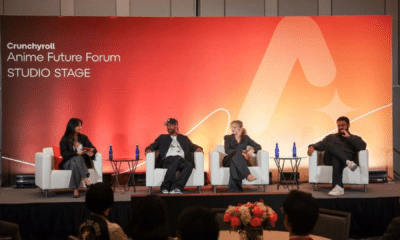
The panel topic breaks from his usual optimism. Dylan wants to discuss the loneliness behind the personas that creators perform on camera. “YouTube is not always sunshine and rainbows,” he says. “There is a loneliness aspect. There is a mental health aspect to it.” He frames the tension directly: “You’re doing a really cool job, you’re a content creator, you’re making great money, you’re doing so well. But what is the cost? What are you trading away?”
Building The Infrastructure Before The Platform Forces It
Dylan treats his first thirteen years online as a prelude, not the real story. The same logic shows up everywhere else in his business: build the infrastructure before a platform collapse or an algorithm shift forces the issue, not after.
He is careful not to call any of it inevitable. “It took me 13 years before I ever made a full-time income,” he says. “Some people started during COVID and got there faster than I did, and people call that luck. But you also have to believe in yourself, because some people just give up after a month of videos, and they don’t get anywhere.”
Subscribe to Our Newsletter
Check Out Our Podcast