



Influencer
How SeanDoesMagic Used Cannes Lions to Move Beyond Being Campaign Talent

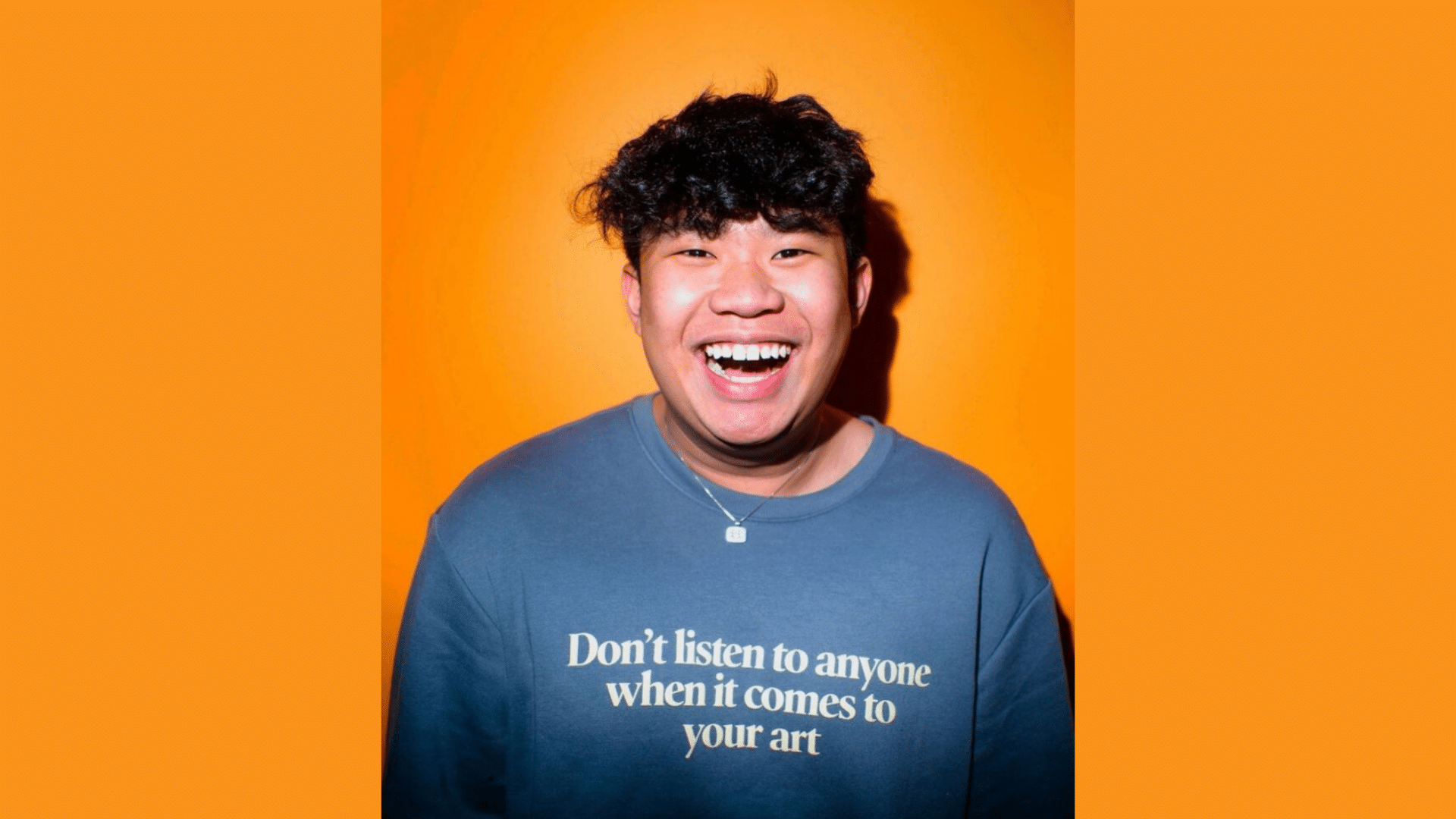
Sean Sotaridona spent this year’s Cannes Lions handing out playing cards. Not standard business cards, but signed cards from card tricks, each one finished with a sticker linking back to his page. It was a small trick, but it captured something larger: for the first time in a seven-year career, he walked into a room full of brand decision makers as someone with something to pitch, not someone waiting to be booked.
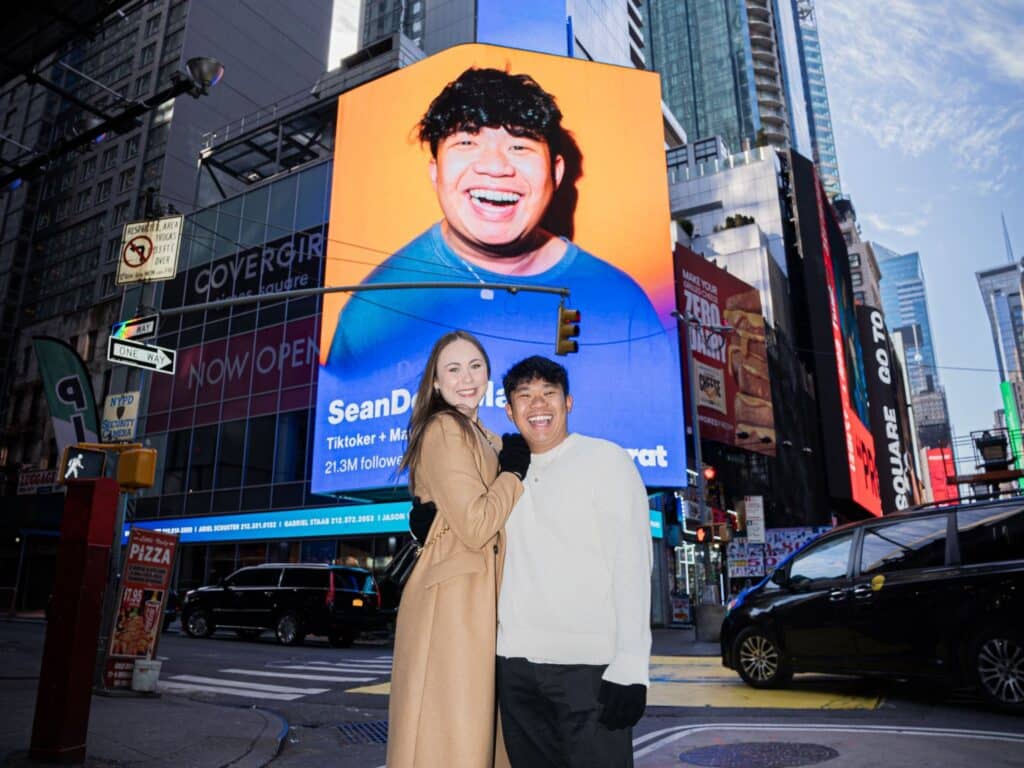
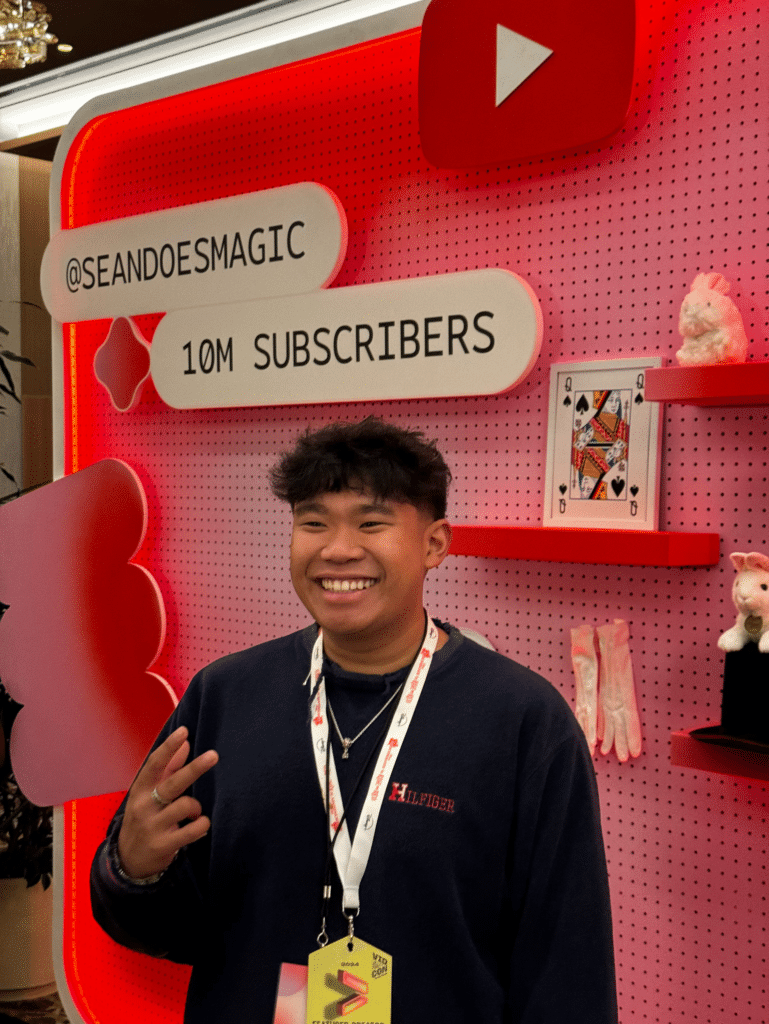
Sean has been making content since he was nine years old, when he posted his first YouTube video in 2012. Now 24 and working under the name “SeanDoesMagic,” he has built an audience of roughly 22 million on TikTok, 12.8 million on YouTube, and another seven million on Instagram.
That instinct for putting himself directly in front of an audience isn’t new. As a teenager, he auditioned for “America’s Got Talent” four times and was rejected every time, then decided to build an audience of his own online instead. This year, that same instinct took him to Cannes Lions for the first time. He arrived without an invitation from a brand or festival partner, prepared to pitch himself instead of waiting to be booked.
What he found surprised him: direct conversations with the CMOs and C-level executives who actually set influencer budgets, face to face rather than filtered through the usual submission pipeline.
“This was such a unique experience for me as a creator because for the first time ever, I think I’m able to have the conversations with people that are running these budgets,” he says.
What Seven Years Actually Buys A Brand
Brands don’t come to Sean for just his reach or his ideas or anything else on its own. “They’re paying for all of the above,” he says, pointing to the years he has spent turning that reach into something repeatable. The job, as he describes it, means translating a brand’s concept into something that performs while staying inside the boundaries of what makes his page recognizable: “keeping it authentic within the brand of SeanDoesMagic and within the pillars of what makes a good piece of content.”
That durability is itself the pitch. Sean has worked full time since 2019, an unusually long run in an industry where, as he puts it, “the life of a creator can be as short as a year, two years.”
Part of the reason he’s lasted is that he hasn’t stayed still. From 2020 to 2024, his account was, in his words, “strictly a magic page.” Over the last two years, he has pushed into relationship content with his fiancée and, more recently, a travel series that now outperforms the tricks that built his following.
The shift shows up in the numbers. “This year, we’ve done over a billion views, and I think the majority of that viewership has come through the new audience,” he says, referring to fans who found him without ever seeing a card trick. One recent video, of him trying a hot chocolate in London, drew three million views on its own.
Six Pitch Decks And No Invitation
Sean had heard other creators mention Cannes Lions for years without knowing what it actually was. “I really couldn’t tell you what it was, and if I’m being honest, I didn’t really know exactly what it was until I even got there,” he says.
No brand or festival partner brought him in this year. He and his team decided to attend on their own terms. “Our theme was to kind of just find our own luck at Cannes,” he says. “I did come into Cannes prepping. I brought six pitch decks myself.”
The gamble paid off in volume. “Every single day, I met hundreds of new people of all different niches, of all different brands, of all different backgrounds,” he says. It’s the kind of access, he suggests, that a formal invitation rarely guarantees on its own.
The Card Trick That Doubles As A Business Card
Sean has been performing magic since he was six, and he treated Cannes like any other room to read. “Being a magician for the last 18 years, one thing that I definitely learned was how to talk to people and deal with people,” he says.
He also came with a prop. He brought playing card-shaped stickers to hand out after impromptu tricks, turning each performance into a lead. “I have them pick a card, they sign it, and then after the trick’s done, they keep the card,” he explains. “I was able to put my business card sticker on top and hand that out.”
The trick draws a crowd and gives him a reason to stay in touch afterward.
A Seat At The Table Instead Of A Line At The End
For most of Sean’s career, brand deals have moved in one direction: an idea gets built, then a creator is found to run with it. “I think historically creators have been at the end of marketing campaigns,” he says. “They build the campaign up, and then at the end they reach out: let me find some creators that are willing to promote this.”
Sean believes Cannes flipped that order. Rather than waiting to be selected, he walked in already asking what he considers the most important question in any brand conversation: “What can a creator do for you?” That framing, he notes, put him on the other side of the table, pitching his own ideas instead of executing someone else’s brief.
The conversations didn’t end when the festival did. Weeks later, the emails, phone numbers, and LinkedIn connections made at Cannes were, in his words, “flowing and going.” Once those conversations turn into deals, they typically run through his manager, Ronit Cohn of Cohn Talent Group.
A Business Built On Turning Down Money
That same leverage cuts both ways. Sean’s clearest example of exercising it isn’t a deal he signed; it’s one he keeps refusing. “A good percentage of my audience is under the age of 18, and they’re very impressionable,” he says.
“We’ve been offered very large budgets within the world of prediction markets and gambling, but that’s just something that we’ll never take,” he says. He’s turned all of them down regardless of the number attached.
For a creator whose younger fans make up a meaningful share of his audience, that refusal isn’t really a values statement. It’s brand maintenance, the same instinct that makes him vet a pitch deck before he brings it into a room.
Betting On Human Content In A Feed Full Of AI
Sean’s Cannes trip and his content pivot trace back to the same instinct that sent him through four rejected “America’s Got Talent” auditions as a teenager: don’t wait to be asked. Walking into Cannes uninvited, six decks in hand, is the same move a decade later, aimed at a bigger room.
That restlessness is why he’s wary of leaning only on what already works, even the format that built him, and why he sees the same pressure reaching the rest of the industry. “In a world where there’s more AI content than human content, I want to make sure that the human content is actually good and delivers a good message,” he says.
It’s a fitting note for someone who spent this year arguing, in pitch decks and in person, that a creator’s value isn’t just distribution, it’s judgment: knowing which deals to chase, which to refuse, and which room is worth walking into uninvited.
As Sean puts it, “That’s what it is to be not just a content creator, but also human.”
Subscribe to Our Newsletter
Check Out Our Podcast