




Influencer
Emma Arletta Built Her Platform Around Fashion’s Blind Spot. Now She’s Sitting at the Design Table

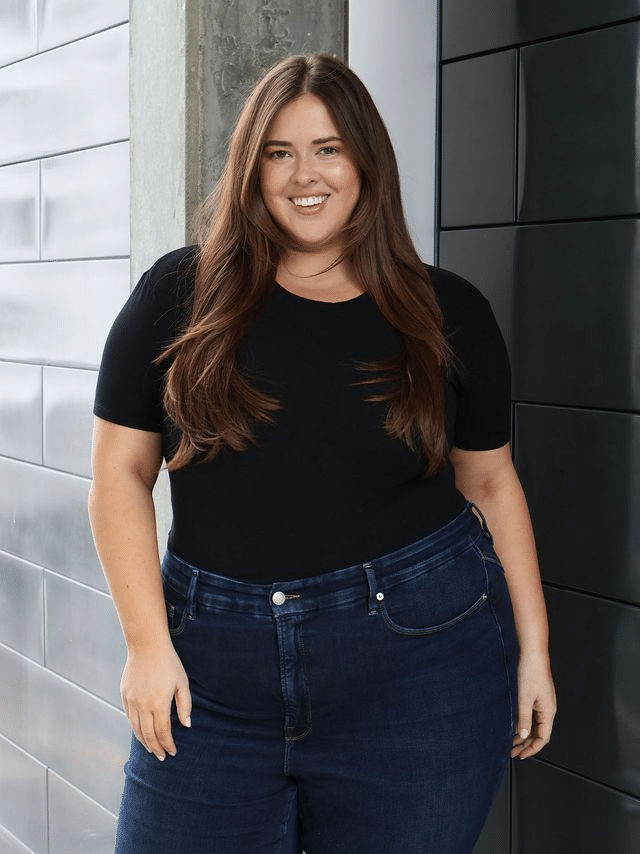
One morning in 2020, Emma Arletta woke up on an air mattress on the floor of her father’s Missouri condo and watched her phone fill with notifications. She was home from graduate school, COVID had moved her classes online, and the night before, she had posted a TikTok about seeing herself modeling plus-size clothing on a brand’s website.
Thirty thousand new followers showed up overnight. The comments made the demand visible: plus-size women were struggling to find clothes that fit, and they were watching a creator who understood why.
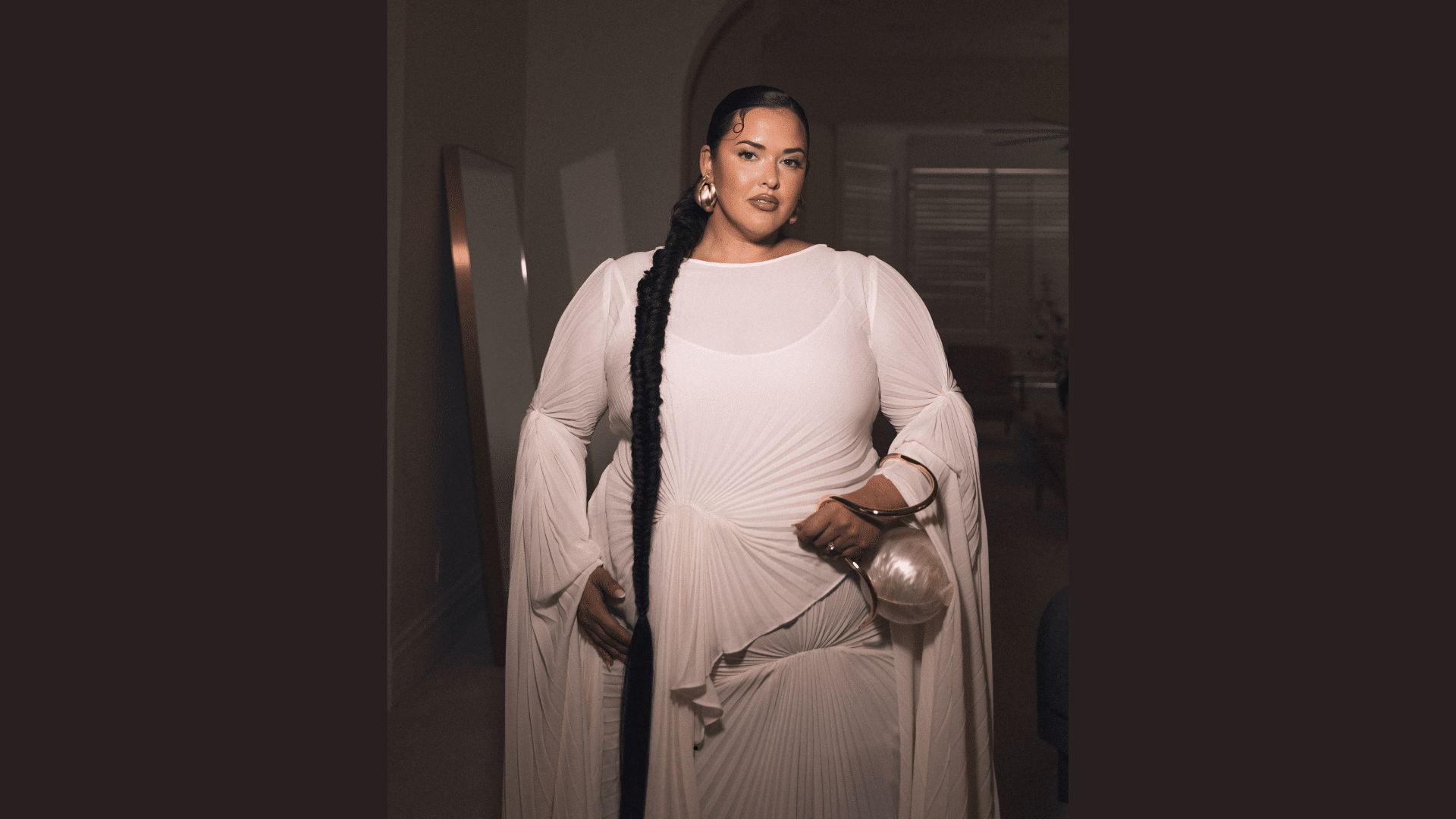
Emma, the Los Angeles-based creator, model, and entrepreneur signed with Wilhelmina Models LA and Natural Models NY, has built that moment into a multi-platform business with more than a million TikTok followers, brand partnerships with Jean Paul Gaultier, Savage X Fenty, Abercrombie and Fitch, Fenty Skin, and Peloton, and a product portfolio that includes a swimwear collaboration with Goldie Swimwear and a bridal collection with GiaIRL. She also holds certifications as a Pilates and Xformer instructor, runs an Amazon storefront, and co-hosts the pop culture podcast “Hefty Gehls.” None of it was planned in advance.
“I didn’t go viral overnight to make money,” Emma says. “I did it because there’s a need for women to see themselves represented in media and social media and fashion and all the spaces.”
For years, Emma built her following by pointing out what fashion was getting wrong for plus-size women. Now, she is the one sitting at the design table, absorbing the same scrutiny she once applied.
The Jump From Clinic to Camera
Emma moved from Missouri to Los Angeles with her younger sister, who wanted a career in styling. Emma would hold the practical job of pediatric speech therapist in the LA school system. Within her first year working in the district, her social media had taken off.
Going viral accelerated the question of whether to leave, but did not resolve it immediately. She was already planning to return for a second year when a single deal changed the calculation.
“I ended up getting a brand deal that was close to my full yearly salary,” she says. The deal was multi-part, structured across several deliverables, and arrived during the summer between her first and second years. She decided not to go back.
The internal conflict she describes is not the familiar story of escaping work she hated. Speech therapy gave her something that cannot be reliably replicated: professional validation untied to appearance.
“I felt so valued for a skill that I had worked so hard for, where this other world was so dependent on what I look like when I show up on the camera,” she says. Emma crossed over anyway. “Anybody in my situation would choose a job where they’re going to be able to live more securely financially and have freedom of time.”
Three Platforms and the Team Behind Them
Emma uses TikTok, Instagram, and YouTube with distinct strategies for each. TikTok is honest and conversational, low-production, and high-frequency. Instagram separates into Stories, which surface daily life, and feed posts, which she treats as permanent and curated. YouTube is where the most durable loyalty forms.
“I have found that my most loyal followers have come from YouTube,” she says. “Even though it’s been a new venture, people feel they really know my life.” The platform has generated nearly 25 million views; the audience it builds follows her across contexts in a way other channels do not.
Running three platforms at scale eventually required a team. Emma works with a high school friend in Missouri who handles cross-posting to YouTube Shorts and a YouTube editor who manages roughly half of her long-form videos each month. “There’s just so much time in the day, I can’t do it all,” she says. “I couldn’t do it without them.”
How She Prices Her Values
Brand partnerships are Emma’s primary revenue source, but she describes the full architecture as interconnected. Commissionable links through her Amazon storefront and other platforms produce sales data she uses to approach brands directly, building a case before outreach emails go out. The products she designs serve a different function entirely. “Having a swimsuit that I designed from start to finish, it feels more connected” than sharing a product link, she says.
The deal she declined was close to six figures, from a weight-loss brand. “I think it’s instant, it’s a gut thing,” she says. “It’s always going back to your why: why did I start this, and why did I do it?”
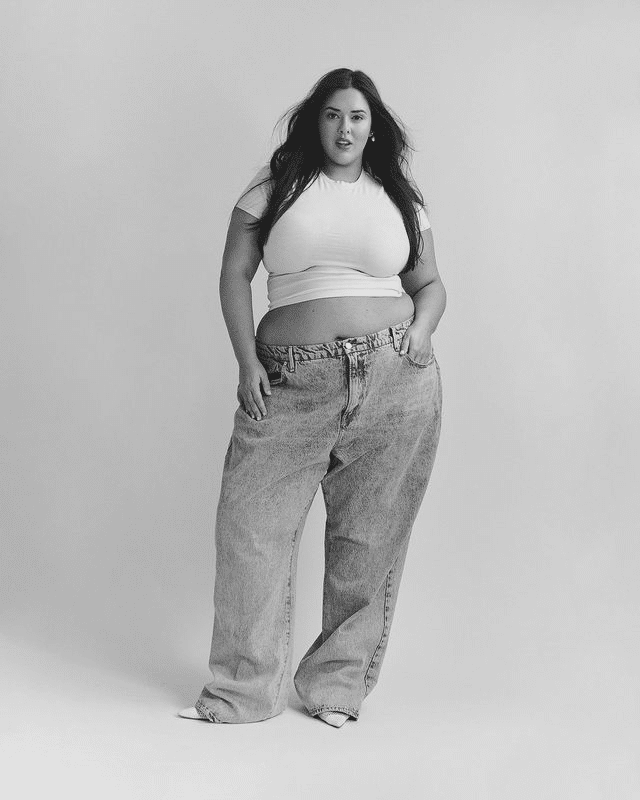
Where she has developed real nuance is in negotiation. “Did I take brand deals in the beginning when I was trying to pay my rent, even though it was a product that I didn’t use? Yes,” she says. “I think that’s part of the process.” Now, when a brand pushes back on her creative direction, she posts both versions: the brand’s requested execution and her own instinct. She sends the analytics from each afterward. The data, she has found, speaks more persuasively to brand teams than any argument about creative freedom.
Emma makes the same point about real-life activation. Two years ago, she organized her first in-person event: a plus-size Pilates class. “I have millions of followers throughout my platforms, and yet I’m scared that 10 people aren’t going to show up to one class,” she says.
They came. A brand-sponsored Pilates event is on her calendar for next month.
The Table She Used to Criticize
Emma’s account of sitting down to design the GiaIRL bridal collection and the Goldie Swimwear collaboration contains the interview’s sharpest self-assessment.
“The plus-size community, me included, loves to criticize,” she says. “It’s so easy to get online and say, ‘This clothing brand just dropped this, and they just don’t get it.’” Then someone turned that dynamic around. “I think about, wow, all the videos that could possibly be made of negative comments.”
Both launches succeeded. But the experience shifted how she reads the broader industry. The brands she chose to design with are small, self-funded operations whose owners live locally in LA. “These are the brands that I’m finding truly care,” she says. “They’re not the ones who want the money necessarily.”
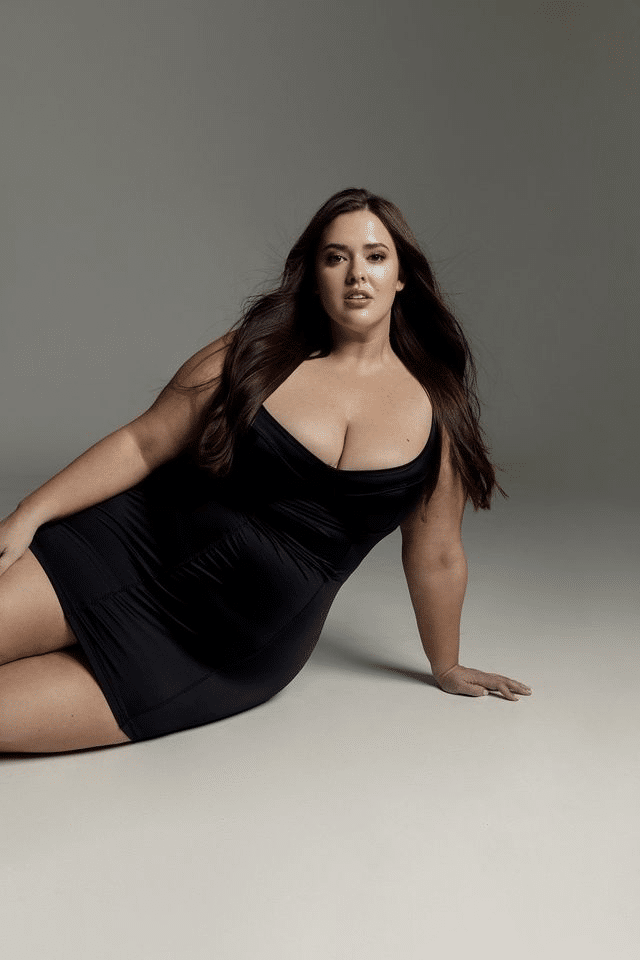
Her concern is that larger brands, with the inventory scale to move the needle on inclusive sizing, are watching smaller operators absorb their credibility without course-correcting. “These smaller brands are going to continue to grow and take over when the bigger brands aren’t listening to their communities.”
The commercial logic mirrors her original viral moment: she built a following because plus-size women saw something they had not seen before. She is now betting that the same gap, reproduced in product form, responds the same way.
Built for a Different Stage
Emma’s five-year plan describes a shift common among creators who have built enough platform to make it possible: away from brand-deal income toward owned products and services. She is working on what she describes as a fitness-focused business, built on the Pilates and Xformer certifications she holds and tested through the live events she has been running. She also wants, by that point, to have started a family, and she wants a business structure that does not require daily posting to keep the revenue flowing.
“I really want to get more into the fitness space for everybody,” she says. “I want to be the representation.”
The platform-to-product pipeline has a recognizable shape in the Creator Economy: following, then brand deals, then something that outlasts the algorithm. Emma is building toward the third stage before she needs it.
“Now, the opportunities have opened up to so much more than just making TikToks in my dad’s condo during COVID,” she says, “to now having a seat at the table and saying, ‘This is what we need, this is what we want.’”
Subscribe to Our Newsletter
Check Out Our Podcast