






Influencer
Jessica Kaylee Wants Brands to Stop Booking Creators and Start Partnering With Them

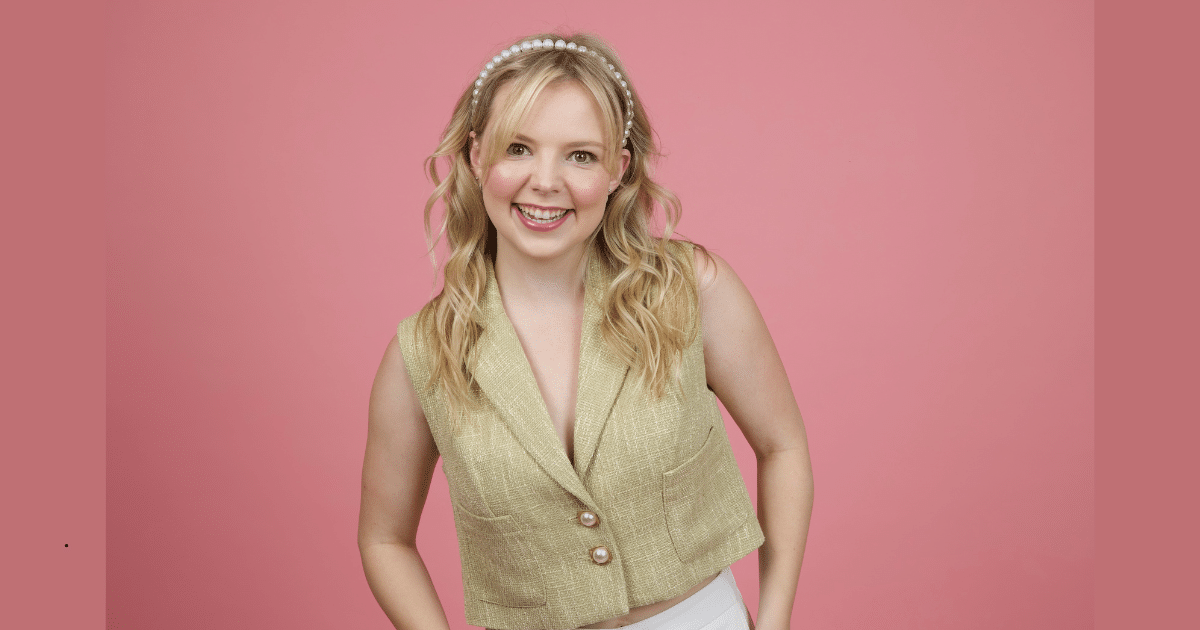
What happens when a creator with more than 20 million followers walks into the room where advertising budgets actually get decided, not as talent to be cast, but as a business to be partnered with? For Jessica Kaylee, the answer arrived this year at her first Cannes Lions, in the lunches and hallway conversations that mattered more than any panel on the schedule. She left with a clearer picture of how far brands have come and how much education the industry still owes itself.
Jessica has spent the last five years building a creator business around a single idea: short-form video does not have to be disposable. Across YouTube, TikTok, Instagram, and Snapchat, she has amassed over 20 million followers with serialized, character-driven micro-dramas about girlhood, identity, and coming of age, stories built to be binged rather than scrolled past.
Her YouTube channel, where she has over 12 million subscribers, functions less like a feed and more like a hangout. “We really are the CEOs of our own company,” she says of creators like herself. “We love to solve brands’ problems.”
That belief, that a creator is a business rather than a placement, is what took her to the south of France this year. Jessica traveled to Cannes Lions with her manager, Ronit Cohn, and a cohort of fellow creators, walking into rooms that were, until recently, built almost entirely for the entertainment industry rather than for people like her.
The Lunches Mattered More Than the Panels
Jessica expected to spend her first Cannes sitting in conference rooms, absorbing industry wisdom from a packed schedule of speakers. That is not how the week actually paid off.
“The number of panels I sat in was far less than I had expected,” she says, explaining that the real value showed up in “the conversations I was having with other attendees.” Panels, she points out, get recorded, so her festival pass lets her watch them later. A one-on-one meeting does not offer that luxury.
Several members of her cohort, she says, paid their own way to be there. “We truly were there because we believe that we should be represented in these rooms,” she says of the group.
That representation still has gaps. On panels stacked with brand marketers and agency executives but no creator in the room, Jessica noticed what went unsaid. “There were things that I wish were said or felt like were still being left unsaid,” she says, a reminder that being invited to Cannes and being heard inside it are not the same thing.
Brands Still Don’t Know Where a Micro-Drama Fits
Inside those conversations, Jessica found genuine appetite paired with real confusion. Brands know creators belong in their marketing plans now. What they are less sure of is how to spend the budget.
“Some of them don’t know whether they want to use a thousand micro-creators to do a campaign or they want to spend that budget on three macro-creators,” she says. The right answer, in her view, depends entirely on what a brand is actually trying to accomplish: awareness, education, or something else.
Format adds another layer of confusion. Executives accustomed to beauty and fashion influencers do not always know what to do with a pitch for a serialized micro-drama. “When they hear like microdrama skits, they don’t understand how that fits into their brand potentially,” she says.
Closing those gaps, one meeting at a time, has effectively become a job Jessica has taken on herself, a tax on being early to a format the industry has not fully priced yet.

A Story Doesn’t Interrupt the Ad, It Becomes One
Jessica’s brand integrations start with a question that has nothing to do with follower counts: does this brand’s goal actually belong inside one of her stories? Her audience skews teenage, but she has learned to think past today’s demographic toward who her viewers become.
“If it aligns with my audience naturally, I see my audience growing up and grabbing a shaving cream, then absolutely, let’s find a way to integrate it,” she says, describing how a product like a razor becomes part of a coming-of-age storyline instead of an interruption of one. The logic, as she explains it, is that a story’s feeling outlives the ad itself, attaching to the brand whether or not a viewer consciously remembers the video.
That thinking has pushed her away from single-video sponsorships entirely. “I don’t do one-off campaigns anymore,” she says, “because I’m bringing my audience along for the journey.”
The Talking Points Trap
The most common mistake brands make, in Jessica’s experience, is knowing better than to hand a creator a script, then doing the equivalent anyway. They arrive instead with a list of talking points and a request to deliver them in the creator’s own words.
“You want me to say all of these talking points in my own way in 60 seconds,” she says. “By the time I get through them all, you don’t even have time for the story anymore.”
The brands getting the best results, she says, are the ones willing to hand over goals instead of scripts and let creators build the narrative around them. She points to conversations at Cannes where brand representatives described some of their best-performing campaigns yet as the ones where they let go of the reins entirely and let a creator run with an idea from the start.
Betting Against the Scroll
Underneath all of it sits a wager about attention itself. Jessica has largely stayed out of TikTok Shop, leaning instead on tools like YouTube Shopping or Amazon affiliate links, and only when a product, like a shirt she is already wearing on camera, adds convenience without derailing the story.
Her case against chasing the scroll rests on a simple test. “I probably scrolled for at least an hour, which means I probably saw at least 20 ads, and I couldn’t tell you one single one,” she says. A ten-minute story with a brand woven through it, by contrast, tends to stick. “Your brain will remember the details better,” she says.
It is a trade-off: reach for retention, virality for narrative loyalty, and Jessica has made her bet. Passive scrollers move on in seconds. An audience that follows a multi-part story is, by definition, still there at the end of it.
The Next Hello Sunshine Is Built on Longer Deals
Cannes gave Jessica a preview of an industry she already believes is arriving, one where creators function less like campaign talent and more like embedded consultants. She predicts brands “really thinking [of] creators as like a third CEO,” and expects the deals to lengthen accordingly.
“I wouldn’t be surprised if five years from now we see a lifestyle creator get a 20-year deal with a cosmetic company,” she says.
She is already building toward that model herself. Jessica is mid-production on her first feature film, a self-funded project with an October deadline, and she is bringing the same integration philosophy she uses on YouTube into conversations with brand and studio partners about the project. The goal, in her own description, is something closer to Reese Witherspoon’s Hello Sunshine, built for a younger, serialized audience.
“I truly believe I will get there, and I truly believe it will mean everything,” she says. “There’s nothing more fulfilling than that.”
Subscribe to Our Newsletter
Check Out Our Podcast