Travel and hospitality brands across Europe and the UK recorded the highest rate of creator program expansion among sectors over the past 12 months, according to new research from Influencer Marketing platform Kolsquare, published in April 2026.
The report, drawn from 39 brand-side respondents in the travel and hospitality sector, forms part of Kolsquare’s broader European benchmark study, conducted in partnership with NewtonX across seven European markets between September and October 2025. Respondents included CMOs, heads of influence, and social media managers with at least two years of experience in Influencer Marketing.
According to the research, 28% of travel and hospitality brands reported a major increase in creator volume over the past 12 months, the highest share recorded across all sectors in the study. An additional 59% expect moderate to strong increases in the year ahead, and 72% plan to expand their creator pool.
Despite that momentum, most brands in the sector still operate with relatively contained programs. Eighty percent collaborate with fewer than 100 creators annually, with 44% working with between 11 and 49 creators per year and 18% working with between 50 and 99. Those figures place travel and hospitality broadly in line with the overall market average rather than among the highest-volume sectors.
“We must constantly convince people of the merits of working with influencers,” said one External Communications Director at a French travel and hospitality company with a budget spend of £20,000 to £40,000. “This sector is also booming, with many opportunities to be seized.”
Micro Creators Dominate, Mega Influencers Used Selectively
A total of 92% of travel and hospitality brands work with micro creators, defined in the study as influencers with between 10,000 and 100,000 followers. That adoption rate ranks among the highest of any sector in the research. Mega and celebrity influencers, those with more than one million followers, are used by only 21% of brands in the sector, a notably lower rate than sectors such as fashion and beauty, where large-scale reach plays a more central role.
Audience demographics rank as the most important creator selection criterion for 62% of travel and hospitality respondents, the highest proportion of any sector in the study. Engagement rate and content style also ranked as notable selection factors. Follower count, by contrast, was cited by 38% of respondents, consistent with the overall market average.
Budgets Remain Modest, but Growth Expectations Run High
Travel and hospitality brands currently allocate relatively modest budgets to Influencer Marketing. Fifteen percent of respondents spend below 10,000 euros annually, while 30.4% spend between 10,000 and 50,000 euros. The sector’s overall spend sits below that of fashion, beauty, and food and beverage. A mid-tier cluster, representing 39.5% of respondents, spends between 50,000 and 200,000 euros annually.
Forward-looking expectations diverge sharply from current spend levels. Seventy-seven percent of travel and hospitality brands expect their Influencer Marketing budgets to increase in the coming year, five percentage points above the cross-sector market average. The report notes that travel and hospitality ranks second only to beauty in the rate of budget growth expectations.
“Audiences are becoming more discerning and with the rise of AI, creating content and partnerships that feel and are real will be more important than ever,” said a Partnerships Marketing Manager based in the UK with a budget of £100,000 to £150,000.
Short-Form Video and Short-Term Activations Take Priority
Sixty-two percent of travel and hospitality brands identify short-form video formats, including TikTok, Reels, and Shorts, as the biggest opportunity in Influencer Marketing for 2026, one of the highest readings across all sectors in the study. Fifty-one percent of brands plan to increase investment in short-term activations such as gifting, sponsored posts, and one-off campaigns.
Travel and hospitality brands over-index relative to the overall market on the use of giveaways and contests, with 31% deploying those tactics compared with a market average of 22%. Content co-creation is used by 72% of respondents, the most widely adopted activation type in the sector.
Paid media boosting of influencer content and user-generated content rank as the two leading areas for planned budget increases, with 56% and 46% of brands planning to invest more in those formats, respectively. Twenty-one percent of brands plan to reduce spending on in-person events, the highest disinvestment rate for any activation type in the sector.
“Short form is still gaining popularity and has generally high engagement, especially amongst younger demographics,” said a Director of Demand Generation Marketing at a Spanish travel and hospitality company with a budget of 150,000 to 200,000 euros. “Authenticity and value-driven marketing are key factors in connecting with audiences in an era of deafening noise.”
Ethical Frameworks Lag Behind Other Sectors
Travel and hospitality applies lighter compliance standards to creator partnerships compared with more regulated categories, such as beauty and food and beverage. Sixty-two percent of brands require that influencers not promote sensitive or controversial products. The sector tracks below the market average for mandating disclosure of sponsored content and adherence to advertising regulations, which the report characterizes as indicative of lower overall maturity in Influencer Marketing governance.
The study draws on 39 travel and hospitality respondents, representing 10% of total brand participants in the broader Kolsquare European benchmark.
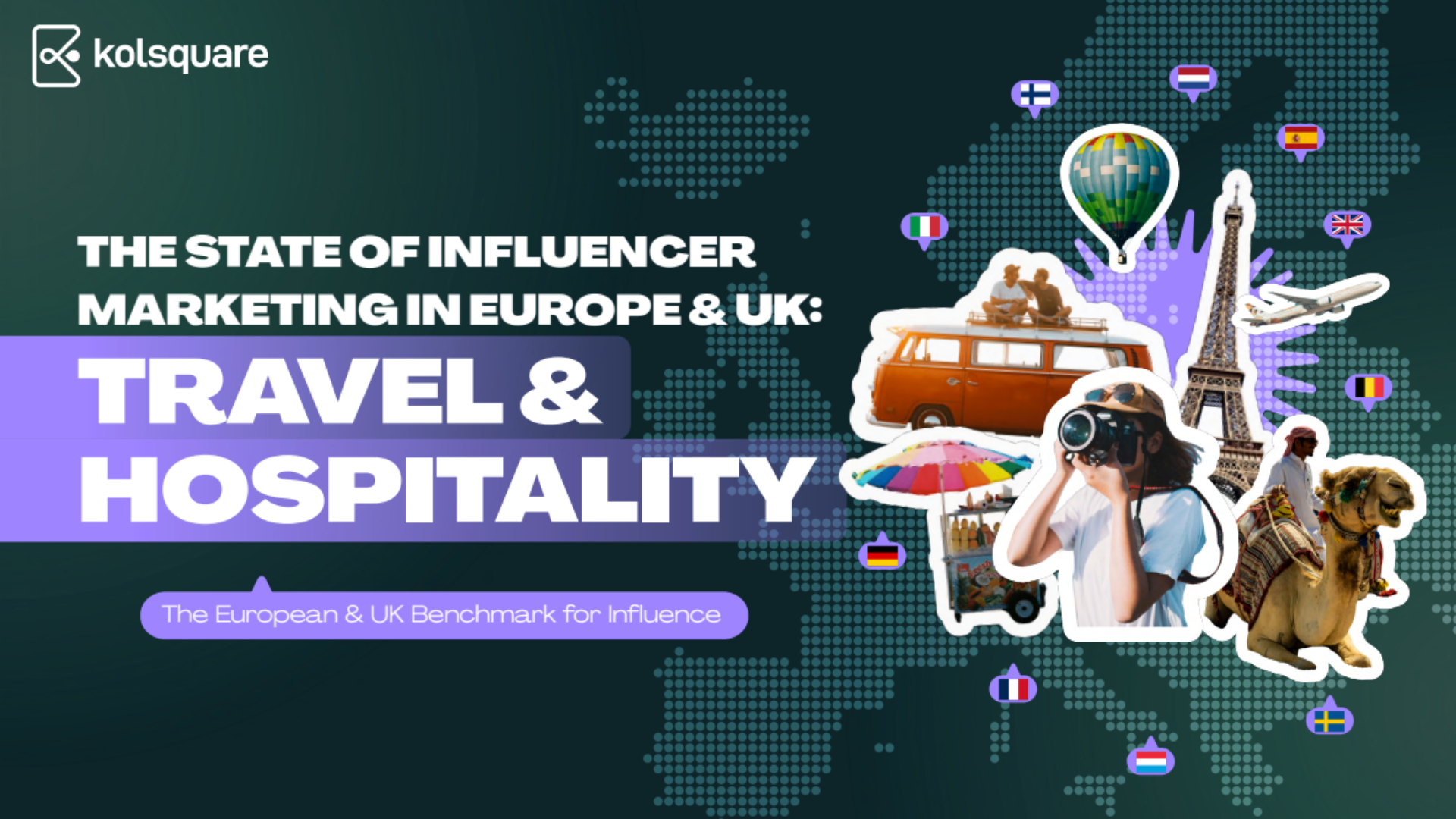
Image source: Kolsquare The full report is available here
Cecilia Carloni, Interview Manager at Influence Weekly and writer for NetInfluencer. Coming from beautiful Argentina, Ceci has spent years chatting with big names in the influencer world, making friends and learning insider info along the way. When she’s not deep in interviews or writing, she's enjoying life with her two daughters. Ceci’s stories give a peek behind the curtain of influencer life, sharing the real and interesting tales from her many conversations with movers and shakers in the space.










Travel and hospitality brands across Europe and the UK recorded the highest rate of creator program expansion among sectors over the past 12 months, according to new research from Influencer Marketing platform Kolsquare, published in April 2026.
The report, drawn from 39 brand-side respondents in the travel and hospitality sector, forms part of Kolsquare’s broader European benchmark study, conducted in partnership with NewtonX across seven European markets between September and October 2025. Respondents included CMOs, heads of influence, and social media managers with at least two years of experience in Influencer Marketing.
According to the research, 28% of travel and hospitality brands reported a major increase in creator volume over the past 12 months, the highest share recorded across all sectors in the study. An additional 59% expect moderate to strong increases in the year ahead, and 72% plan to expand their creator pool.
Despite that momentum, most brands in the sector still operate with relatively contained programs. Eighty percent collaborate with fewer than 100 creators annually, with 44% working with between 11 and 49 creators per year and 18% working with between 50 and 99. Those figures place travel and hospitality broadly in line with the overall market average rather than among the highest-volume sectors.
“We must constantly convince people of the merits of working with influencers,” said one External Communications Director at a French travel and hospitality company with a budget spend of £20,000 to £40,000. “This sector is also booming, with many opportunities to be seized.”
Micro Creators Dominate, Mega Influencers Used Selectively
A total of 92% of travel and hospitality brands work with micro creators, defined in the study as influencers with between 10,000 and 100,000 followers. That adoption rate ranks among the highest of any sector in the research. Mega and celebrity influencers, those with more than one million followers, are used by only 21% of brands in the sector, a notably lower rate than sectors such as fashion and beauty, where large-scale reach plays a more central role.
Audience demographics rank as the most important creator selection criterion for 62% of travel and hospitality respondents, the highest proportion of any sector in the study. Engagement rate and content style also ranked as notable selection factors. Follower count, by contrast, was cited by 38% of respondents, consistent with the overall market average.
Budgets Remain Modest, but Growth Expectations Run High
Travel and hospitality brands currently allocate relatively modest budgets to Influencer Marketing. Fifteen percent of respondents spend below 10,000 euros annually, while 30.4% spend between 10,000 and 50,000 euros. The sector’s overall spend sits below that of fashion, beauty, and food and beverage. A mid-tier cluster, representing 39.5% of respondents, spends between 50,000 and 200,000 euros annually.
Forward-looking expectations diverge sharply from current spend levels. Seventy-seven percent of travel and hospitality brands expect their Influencer Marketing budgets to increase in the coming year, five percentage points above the cross-sector market average. The report notes that travel and hospitality ranks second only to beauty in the rate of budget growth expectations.
“Audiences are becoming more discerning and with the rise of AI, creating content and partnerships that feel and are real will be more important than ever,” said a Partnerships Marketing Manager based in the UK with a budget of £100,000 to £150,000.
Short-Form Video and Short-Term Activations Take Priority
Sixty-two percent of travel and hospitality brands identify short-form video formats, including TikTok, Reels, and Shorts, as the biggest opportunity in Influencer Marketing for 2026, one of the highest readings across all sectors in the study. Fifty-one percent of brands plan to increase investment in short-term activations such as gifting, sponsored posts, and one-off campaigns.
Travel and hospitality brands over-index relative to the overall market on the use of giveaways and contests, with 31% deploying those tactics compared with a market average of 22%. Content co-creation is used by 72% of respondents, the most widely adopted activation type in the sector.
Paid media boosting of influencer content and user-generated content rank as the two leading areas for planned budget increases, with 56% and 46% of brands planning to invest more in those formats, respectively. Twenty-one percent of brands plan to reduce spending on in-person events, the highest disinvestment rate for any activation type in the sector.
“Short form is still gaining popularity and has generally high engagement, especially amongst younger demographics,” said a Director of Demand Generation Marketing at a Spanish travel and hospitality company with a budget of 150,000 to 200,000 euros. “Authenticity and value-driven marketing are key factors in connecting with audiences in an era of deafening noise.”
Ethical Frameworks Lag Behind Other Sectors
Travel and hospitality applies lighter compliance standards to creator partnerships compared with more regulated categories, such as beauty and food and beverage. Sixty-two percent of brands require that influencers not promote sensitive or controversial products. The sector tracks below the market average for mandating disclosure of sponsored content and adherence to advertising regulations, which the report characterizes as indicative of lower overall maturity in Influencer Marketing governance.
The study draws on 39 travel and hospitality respondents, representing 10% of total brand participants in the broader Kolsquare European benchmark.
Image source: Kolsquare
The full report is available here
Subscribe to Our Newsletter
Check Out Our Podcast