



Strategy
How DICK’S Turned Its Varsity Team Creator Program Into a Brand Marketing Channel

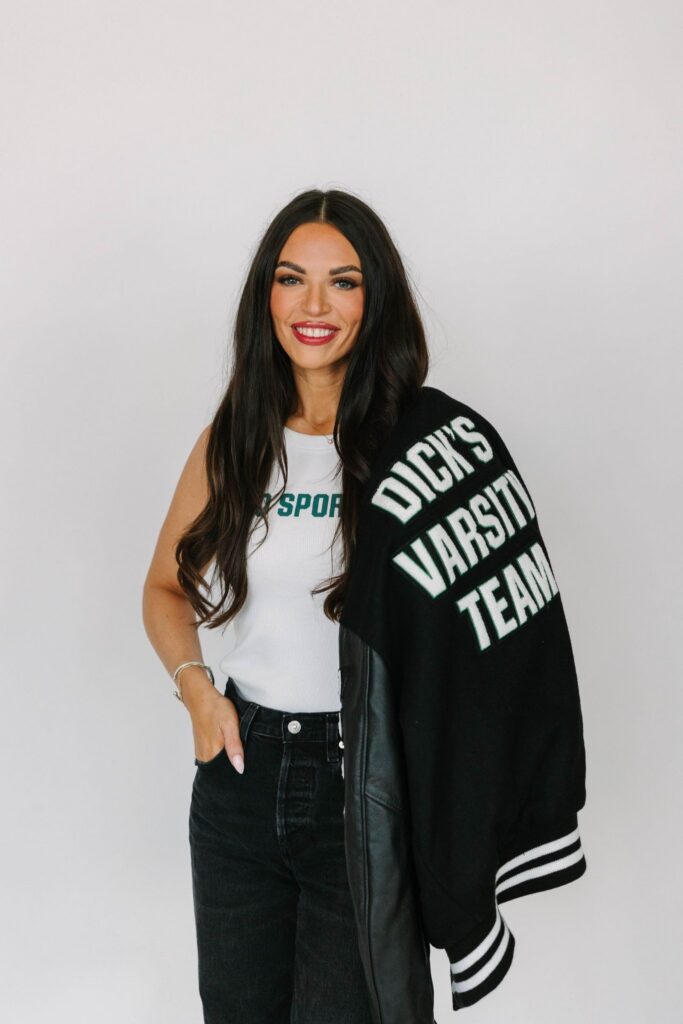
DICK’S Sporting Goods’ creator program began with a problem Nicole Marcus, the company’s Manager of Influencer Strategy, already understood from the other side of the brief.
Before moving from the retailer’s social media team to its influencer operation in 2021, Nicole had run a TikTok account herself. She knew what happened when brands gave creators too much information, too little time, and too little room to make content in their own voice.
“Once you’ve been on the other side and you’ve received a brief that has a ton of information, or the timelines don’t make sense, it just helps bring that strategy over to my side of the house,” says Nicole. “I know the time it takes to produce a video.”
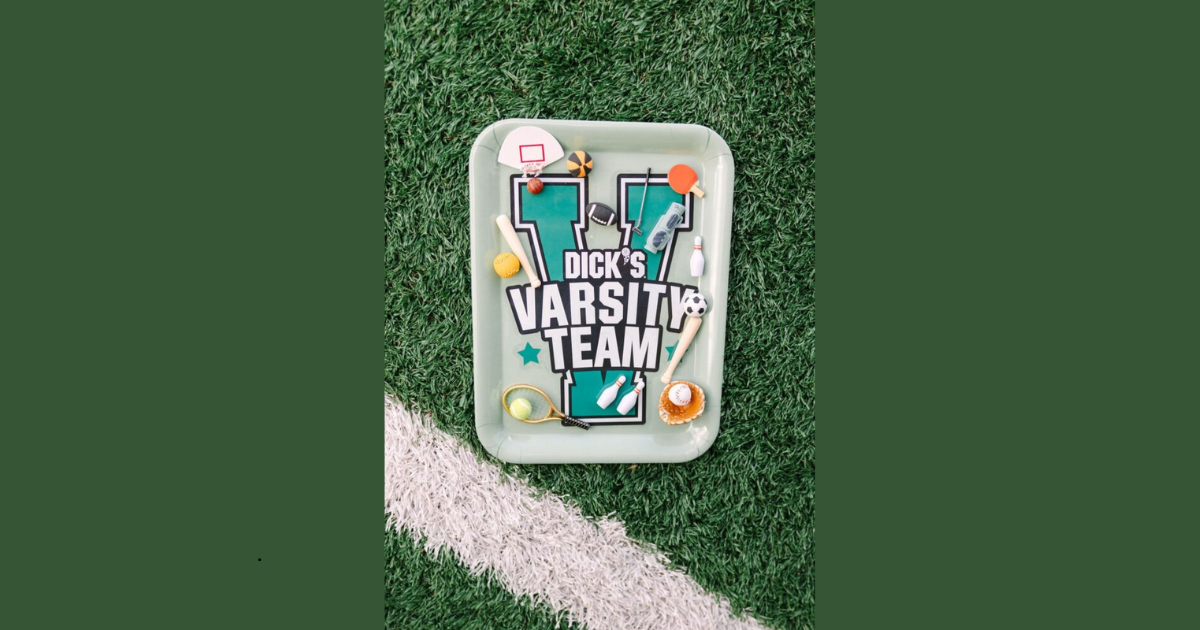
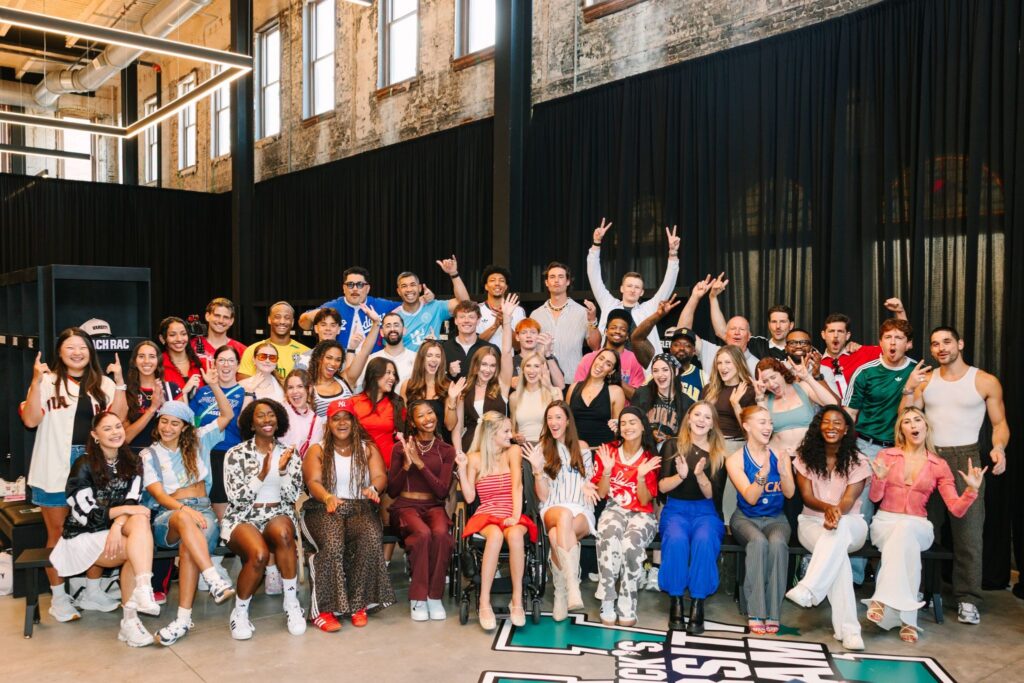
That friction, between what brands want to control and what actually performs, became the operating tension behind the DICK’S Varsity Team. Four years later, the company reports that the program generated more than 40 million impressions and over 2,500 pieces of content in its first year open to external applicants. For 2026, DICK’S expanded the roster and extended its flagship orientation event in April from three days to four after nearly 11,000 people applied.
The program has also become a channel for DICK’S brand partners, such as adidas, New Balance, On, and HOKA, to access a sports creator roster and operating system they do not have to build themselves.
A Program Built on Infrastructure Nobody Wanted to Do First
The Varsity Team did not begin as an outward-facing program. Nicole spent roughly two years on the unglamorous work of building the program before a single creator was invited to apply: conversations with HR and legal, alignment with store managers across 800+ locations, contracts, payment systems, and content management platforms.
“Get your strategy and foundation set up first,” she says. “I would say even if it feels like it’s moving slowly, it’s the right decision. Once you get all of that going, the rest goes really fast.”
The employee-only version launched in 2023 after two years of internal groundwork, before opening to external applicants in 2025. The original insight was simple: DICK’S noticed its own store employees were posting content that looked and performed like influencer content, without a brief or a budget. Rather than hire outward, the company formalized what was already happening inside.
That origin shaped everything that followed. The program still carries roughly 20 employees on the 2026 roster alongside external creators. Nicole calls the approach “Crawl, Walk, Run,” and says she would not have compressed the timeline even knowing the results.
“Before the roster was even signed, we had brands coming to us saying, ‘When can we work with them?'” she says. “I have someone coming to me every single day.”
The Distinction Brands Keep Getting Wrong
The most consistent mistake Nicole sees in Sports Influencer Marketing is conflating athletes who are influential with athletes who are content creators. In her view, they are not the same category, and confusing them produces the wrong brief and the wrong roster.
“There might be a really popular quarterback who has great influence, but they’re not showing a day in the life. They’re not showing you what’s in their bag. They’re not giving tips and tricks,” she says. “We’re looking for sports content creators that we know have the passion for the sport, but are also telling it on social the way other influencers and content creators are.”
That distinction drives every selection decision. When Nicole and her team hand-vet applications, they are not checking follower counts first. They are asking whether the person is a storyteller. A signature editing style, a run club built off-platform, a willingness to show injury and setback alongside the highlight reel.
“We want to see the person, not just the athlete,” she says.
The program includes creators with fewer than 10,000 followers. Several employees on the roster have fewer than 5,000. Nicole argues this is not a concession but a strategy: in an algorithm-driven environment, strong content finds the right audience regardless of account size.
“We’ve had several of our really small creators go viral just because they’ve had great content that the algorithm picked up and reached the right people,” she says.
‘Let Creators Create’ Is a Rule, Not a Slogan
Inside DICK’S, Nicole enforces a standing constraint on briefs going to Varsity Team members: no more than three bullets. Not three paragraphs. Three points. Everything else is left to the creator.
“If we selected them for a reason, why change what we loved about them?” she says. “Let creators create.”
She is explicit that this is a structural protection, not a preference. Briefs coming from internal partners or outside brand partners get the same limit. “I usually push back when we’re receiving briefs. No more than three bullets. Let’s get the three main points across, and then trust them.”
The other half of that philosophy inverts the standard content workflow. Rather than issuing campaign mandates and waiting for submissions, the team solicits weekly pitches from creators. If a creator is training for a marathon, excited about a product drop, or heading to a sporting event, Nicole wants to hear about it before she writes a brief.
“Pitch us,” she says. “Tell us what you’re excited about, because that is usually the content that performs best. If you’re excited about it, your audience is going to be excited about it, and we’re going to be excited about it.”
The practical result is a weekly queue of creator-driven concepts reviewed by the team. Nicole argues this arrangement produces better outcomes for brands, not just creators. Genuine enthusiasm is the one variable a brief cannot manufacture, and over-scripted content in a feed increasingly dominated by polished AI output stands out for the wrong reasons.
“Raw content is okay,” she says. “Social is going back to how it was ten years ago, when it felt like friends. People want that feeling, especially in paid content.”

Orientation as a Content Engine
The 2026 orientation, a four-day event in Tampa, produced unusually strong, ongoing content. Two weeks after the event closed, creators had not stopped posting. Nicole’s team was still pulling daily reports.
“We can only have 100 stories live during the day, and we were going through that so fast,” she says. “It’s a good problem to have.”
The event is structured to produce volume without directing output. Brand partners integrate activations throughout the four days. Team Captains for 2026, Olympic and Paralympic track and field athletes Tara Davis-Woodhall and Hunter Woodhall, Savannah Bananas player RobertAnthony Cruz, and former collegiate soccer player Emily Harrigan, mentor the incoming class on content creation alongside their athletic careers. “Coaches Corner” sessions, run jointly by DICK’S internal team and partner agency Fohr, give creators direct access to industry guidance and platform trends.
The extension from three to four days was a direct result of 2025’s metrics. When social performance data came back strong and brand partners returned with more requests, Nicole used that evidence to make the case internally for adding a day. “The metrics that we look at do actually have real-world impacts on the team,” she says, adding, carefully, that five days is probably too many.
Sports Was Late to This Category. That Became an Advantage.
When DICK’S began building the Varsity Team in 2021, the sports retail category had not caught up to what beauty and fashion brands were already running: structured ambassador rosters, brand trips, and formalized creator programs. Nicole notes that the infrastructure simply did not exist in sports at the same level.
“We saw it as an opportunity to be one of the first to really step into this space and try something new,” she says. She hedges the claim carefully, noting she cannot confirm DICK’S was first, but the competition at the time made the move feel like an open field.
Being early has since produced an unexpected commercial outcome. Brand partners, rather than replicating the model internally, are routing campaigns through DICK’S instead. Through the DICK’S Media Network, major brands have run campaigns against the Varsity Team roster, using DICK’S operational infrastructure in place of building their own.
“It’s easier to partner with us through the DICK’S Media Network rather than setting up your whole internal infrastructure,” Nicole says.
The Metric Nobody Planned For
DICK’S tracks the Varsity Team on standard social metrics, impressions, engagement rate, sentiment analysis, comment quality, and brand partner satisfaction. Nicole reviews all of it. But she describes a different indicator as the one she returns to when measuring whether the program is working.
Past roster members are still in an active group chat with the team. They congratulate each other on their achievements, share content tips, and meet in person when they find themselves in the same city. The 2025 class is still engaging daily.
“I know a lot of people on the team were feeling lost or lonely in their sport or as a content creator and didn’t know who to turn to,” Nicole says. “Now, they have a community they can rely on and lean on, not just for the year the partnership is going on.”
That outcome was not engineered. Nicole describes it as something the program hoped would happen, but could not force. The fact that the relationships emerged naturally, rather than through instruction, is the part she finds hardest to explain and most worth preserving.
“We’re not like, ‘Hey, make sure you guys talk to each other, be friends,'” she says. “It’s just so genuine. And I think that’s incredible.”
Subscribe to Our Newsletter
Check Out Our Podcast