





Influencer
Creator Jazmyn W Built a Comedy Business Where No Single Revenue Stream Carries It

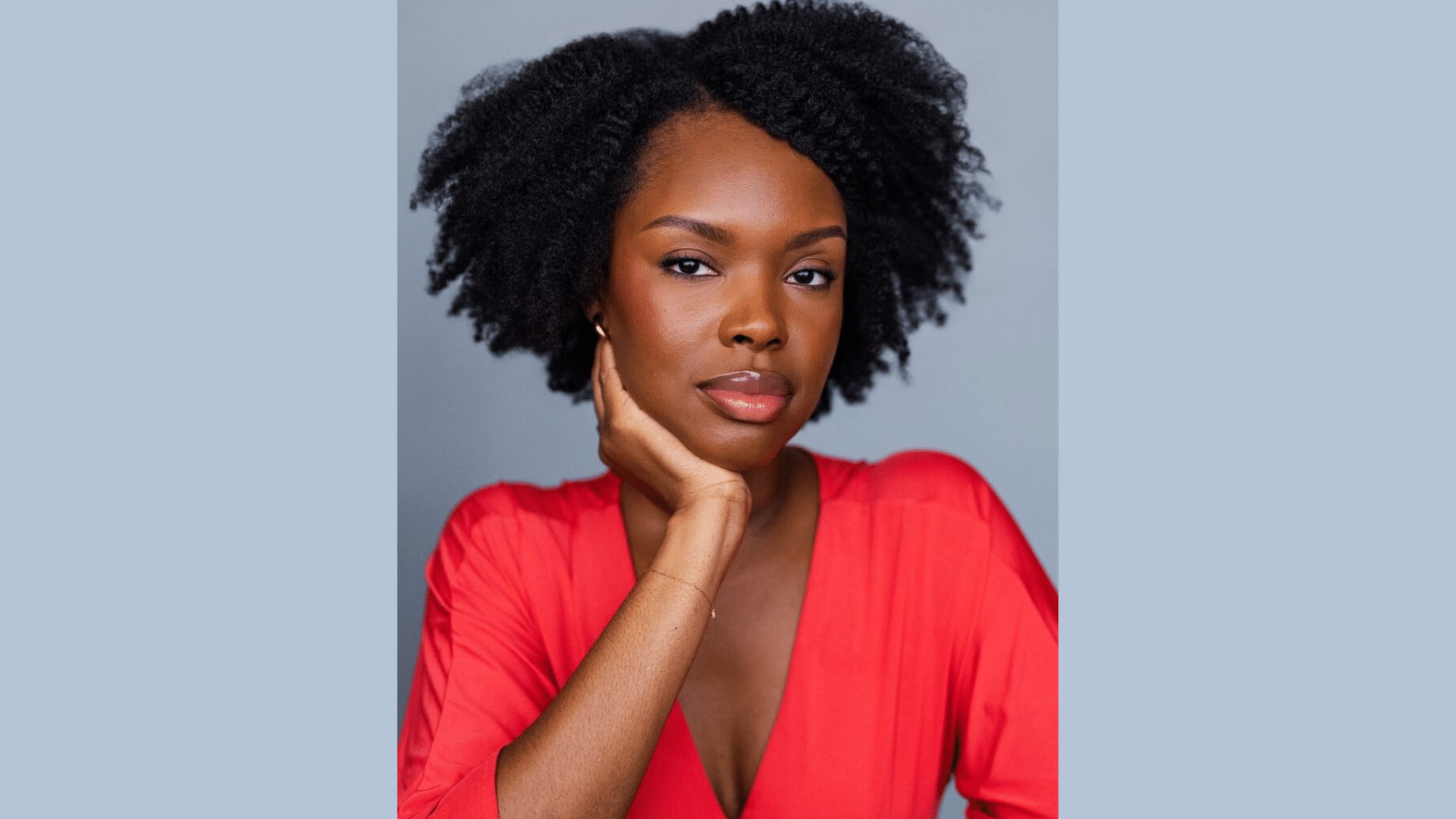
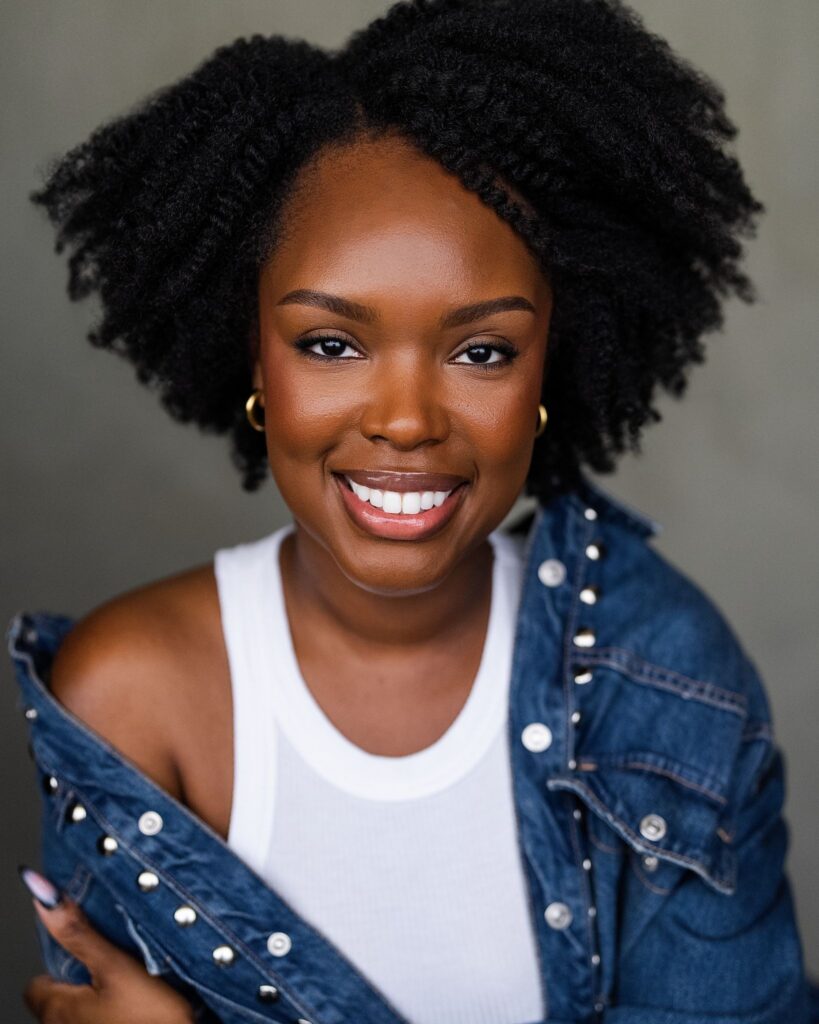
Jazmyn W has spent 13 years working comedy clubs, first in San Francisco and then in Los Angeles, and today performs to a following spread across TikTok, Instagram, and YouTube. She is cautious about the label attached to that audience. “Some people say ‘influencer,’” she says. “Don’t know if I influence anybody, but sure.”
What she has built around the stand-up is less a single career than a small collection of ventures: a national tour called “Soft & Dangerous,” a podcast partnered with Studio71 and executive produced by Purse First Studios, the label run by Bob the Drag Queen, recurring acting work including a second season of “Safe Space” on Tubi, and years of brand partnerships layered on top.
None of those pieces is treated as the main event. “You make a little bit of money from everything you do, and I think that’s a really good strategy,” she says.
The Pandemic Erased the Plan, So She Became an Online Comedian
When Jazmyn quit her corporate job in August 2019, she had already mapped out a plan that kept stand-up at the center of it: post several times a day across platforms, treat social media as promotion, and grind out open mics until she could hold a full set. Then, in March 2020, the clubs closed.
In-person comedy in Los Angeles disappeared, and with it went the format she considered her real work. “Now, I’m an online comedian,” she says. “I don’t do just skits or sketches online, I write.” At first she resisted the label. She had built her identity around writing for a room, not a camera.
“Seeing what resonated with people, making videos I thought were funny, and seeing how people reacted to them is how I grew my following,” she says. The identity she resisted became the method that built the audience she now monetizes through everything else.
The Show People Actually Want Isn’t the One She Set Out to Make
Her YouTube channel runs heavily on reaction videos to the reality show “Married at First Sight,” and by her account, they pull bigger numbers than her scripted comedy. Viewers have followed her commentary on the show for years, through a marriage and, eventually, a divorce.
“I think they love to hear my point of view on things, which is really nice,” she says of the appeal. The format also produced what she considers her one real invention: narrating over her own hour-long reactions, a device she calls her “inner me,” born from the tedium of talking to a camera alone for an hour.
“I’ve been doing it for probably almost ten years now,” she says. “There’s been some people who try to copy it, but it’s entertaining.” The bit she built to survive her own editing process has become the thing most tied to her channel, more than the comedy she originally set out to make.
She Owns the Podcast, Not Just a Seat Behind the Mic
Her podcast, “Quit Playin’ With Jazmyn and Amber,” releases weekly and runs through a partnership with Studio71, with Purse First serving as executive producer. It would be easy to read that arrangement as another comedian working inside someone else’s shop. It is not.
“Me and Amber, we own the IP for the podcast,” she says. “Ultimately, you want to own the things that you create. We created it. We definitely own it.” The studio partners get paid through advertising, merchandise, and live shows; the underlying asset stays with her and her co-host.
“My creativity is like a fountain,” she says. “Sometimes, I give things up, but I know they will replenish with new ideas or new opportunities.”
None of Her Revenue Lines Are Big Enough to Be the Whole Business
The clearest illustration of her portfolio approach is the LTK storefront she has run for about a year. “It’s really hard running an LTK,” she says. “I’ve had it for probably a year, and over the past year, I’ve probably made about $600 from it.” She attributes part of the shortfall to her own habits: she wears clothes for years and rarely buys anything new.
The shop survives anyway, mostly because it answers questions that already fill her comments, about makeup, hair, and outfits, rather than functioning as real income. Attention on TikTok and Instagram pays even less directly. “I don’t really make money directly from views on TikTok,” she says, which is part of why she has watched peers pivot toward TikTok Shop, “because that’s how they’re making money,” even as she uses it only occasionally, for products she has actually bought and liked.
Brand partnerships fill more of that space, and she has clear filters for them. “What makes me say yes is if it’s a brand or a product that I already enjoy, that I already use or that I already trust,” she says. What kills a deal fast is a brand that will not pay but still hands her a list of requirements, or one that buries the ask in a pitch so long it “feels like a resume.” “This is too much. I feel overwhelmed,” she says.
Together, brand deals, the storefront, ticket sales, and a studio-backed podcast add up to something closer to a small company than a single act.
Becoming a Media Company Without Disappearing From the Frame
Jazmyn has a clear theory about when a creator crosses into running an actual business. “Once you start to shoot your own content that involves other people, you become a media company,” she says, pointing to Bob the Drag Queen’s studio and to fellow comedian KevOnStage, both of whom now produce multiple projects rather than a single account.
“When it’s just you, not so much. But when you invite other people into your world and put that content out, it becomes a media company,” she says, since paying collaborators changes the arithmetic of the whole operation.
She is open to following that path herself, on one condition. “I would make sure I was in every single thing,” she says of any future expansion, leaving the back end, the part of running a studio she says she has no interest in or skill for, to people she would eventually need to hire.
Betting on Range Instead of One Big Break
Across stand-up, a studio podcast she owns outright, reaction videos that outperform her scripted material, and an affiliate shop, Jazmyn’s business is built so that no single piece has to carry the whole thing. It is a strategy she says she would repeat, and expand, if she were starting today.
“I would have series, but not just one,” she says. “If you have a few different ones, you’ll get to explore all your passions, and you’ll pull in different audiences.” It is the same logic that has moved her between formats for six years: a Tubi show, a studio podcast she owns, an affiliate shop that hasn’t paid off, without letting any single one decide whether the year worked.
That range is not incidental. None of her revenue lines is big enough to be a whole business on its own, and that is by design: if one platform slows, or one project stalls, something else is already generating income. It’s less a growth strategy than an insurance policy, spreading risk across formats so no single pivot can take the whole thing down.
“I think one of my greatest skills is the ability to pivot,” she says, pointing to a career built on exactly that: leaving a stable corporate job, restarting as an online comedian when the pandemic shut down every club, becoming a mother while running a growing slate of projects. “It would not devastate me,” she says. “I would just keep going and figure out something else.”
Photo credit: Yellowbelly Photo
Subscribe to Our Newsletter
Check Out Our Podcast