



Agency
Darkroom Built a Cannes Villa Around One Thesis: Creators Are Commerce’s Primary Channel

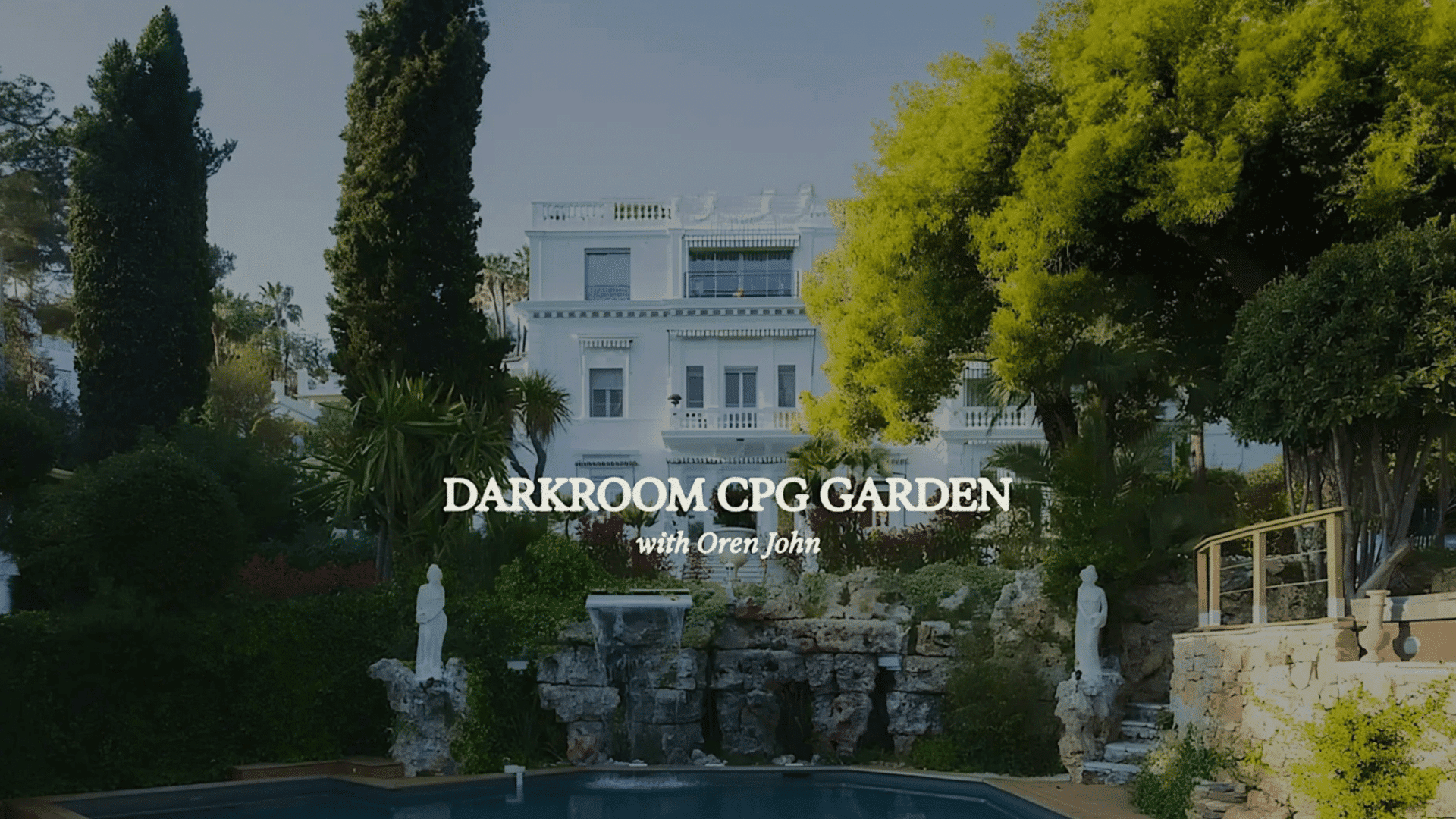
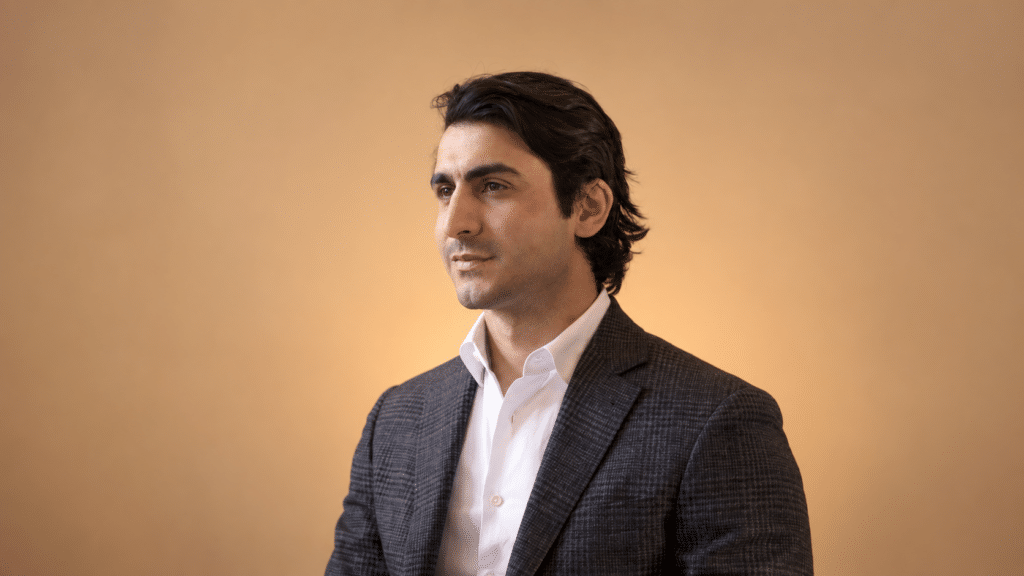
For three years, Darkroom has rented a villa near the Cannes Lions festival to host the conversations the event itself is not having. This year, the New York-based growth marketing agency turned the house into a working demonstration of a thesis it has been building toward for years: creators are no longer just a source of content for brands, but a commercial channel in their own right.
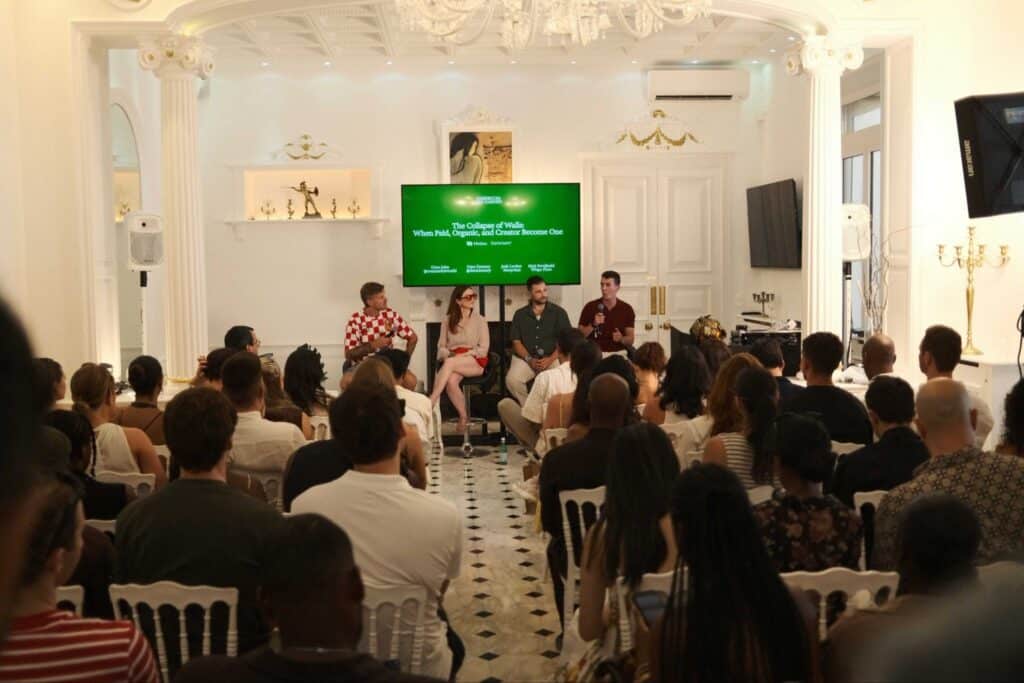
Nine creators lived in the villa for a week, roughly 400 brands attended an open day, and Darkroom co-founder and CEO Lucas DiPietrantonio moderated panels on AI, paid media, and the changing role of creators in commerce. The “CPG Garden,” which ran June 21 through 25, brought together Darkroom’s agency business and a group of consumer brands that the company sees as examples of where creator-led commerce is heading. The activation was co-hosted with internet creative director and Darkroom partner Oren John, who has built millions of social media followers covering creator business and marketing, in partnership with Triple Whale, Motion, and Intuit Mailchimp.
Lucas launched Darkroom in New York in 2017 as a growth marketing agency for consumer brands. Nine years later, the company employs roughly 150 people, reports more than $10 billion in attributable commerce revenue, and counts Adobe, Amazon, Fanatics, and Olipop among its clients. Forbes named Darkroom’s founders to its 30 Under 30 in marketing and advertising in 2024, while the firm is an Inc. 5000 honoree.
The agency now operates two core businesses: a marketing services and consulting operation focused on full-funnel, creator-driven media strategies and performance commerce, and Shadow, a companion software platform Lucas describes as enabling service relationships that resemble “Palantir for marketing.” The Cannes villa was where those two businesses, and the broader argument behind them, were put on display.
The Conference Industry Has a Practitioner Problem
At a prior Cannes edition, Lucas hosted a panel at the villa with C-suite executives from major organizations. The experience reinforced a view he had already been forming.
“Our industry is cooked,” he says. “Most of the people are in it for the resume, and they’re not actually practitioners in their trade.”
For Lucas, the issue runs deeper than individual executives being out of touch. Conference programming tends to reflect the priorities of whoever commissioned it. “If you think about how these conferences get programmed, it’s someone in a marketing department at a company who’s pushing a perspective,” he says. “They don’t really have that vantage point where they can say, these are the five most important things we should be talking about across the industry.”
Darkroom’s response was to build something curated. The panels at the CPG Garden were structured around people actively running campaigns and AI-integrated teams. The brand partners in attendance were largely companies Darkroom works with, invited because their strategies represent what Lucas considers the leading edge of the market.
Three Market Forces, One Villa
The 2026 activation was organized around three concurrent shifts Lucas believes define the current marketing moment. “Technology is eating up the execution layer. Creators are the primary distribution mechanism for media for brands today. And challenger brands are eating up market share from incumbents,” he says.
The villa’s garden was built to make the third point visible. Four brand partners had their hero products fabricated as life-size inflatable sculptures and installed across the grounds: Bero, Sauz, Something & Nothing, and Foulplay. These are not legacy CPG companies. They are challenger brands, and placing their products at monument scale in a Cannes villa was a statement about where commercial momentum is moving.
The house also featured what Lucas calls “Easter eggs and trinkets” throughout, giving creators content opportunities during the week. A Triple Whale-branded cold plunge was among the more photographed elements.
Creators as Residents, Not Just Talent
The nine creators who lived at the villa for the week were not brought in for a single appearance or a panel slot. The house functioned as a working set throughout, producing daily content across Instagram, TikTok, YouTube, and LinkedIn, including the Cannes Tiger Awards and a series of field interviews.
Creator selection, Lucas says, came from existing relationships. “We’re friends with a lot of the creators in this space. We follow their content, we respect their ideas and opinions,” he says. The list mixed established figures in creator commerce with newer voices whose content met the bar even if their connections did not yet.
The nine in residence: Oren John, Ashwinn Krishnaswamy, Blaze Smith, Clayton Chambers, Dara Denney, JT Barnett, Sammi Tannor Cohen, Tatum Brandt, and Vår Aunevik. Their combined audience across platforms exceeded four million.
The informal exchange that happens when creators work in proximity was part of the point. “Within the house, we provided a space for people to actually make videos and make content,” Lucas says. “There’s definitely idea and knowledge transfer that we think is really important, especially at an event like Cannes.”
AI Shifts the Work, It Doesn’t End It
The panel Lucas moderated in partnership with Triple Whale, “How AI Is Evolving the Org Chart of Commerce,” opened on a data point designed to reframe the conversation. At one of the largest DTC brands in the country, three of a four-person paid media team were displaced by AI systems. All four still work at the company. The three whose roles were automated moved on to building TikTok Shop, Walmart Marketplace, and new international markets.
Lucas’s read is not alarmed. “I’m hiring more than I’ve ever hired, even with AI, because there’s just so much more that you can actually get done and do,” he says. Automation removes the manual, redundant work. It does not reduce the total workload.
He is direct about what displacement signals. “If it is replacing a function, that’s a positive thing, because that just means that it wasn’t all that valuable to the organization in the first place.”
A second panel, moderated by Oren in partnership with Motion, covered what happens when paid media, organic content, and creator output collapse into a single workflow. One case study presented an ad account running on 250 creators producing three to ten videos per week, with no ad published by hand.
Brand Spend Doesn’t Need a ROAS
Five days at a Cannes villa, with nine creators in residence, two panels, a garden of inflatable sculptures, an open day for roughly 400 brands, and a South African DJ flown in the morning of the event, do not produce a clean ROI figure. Lucas says his finance team asks for one each year. The answer is the same.
“I don’t know what the ROI of this event is, but I know it’s very important for us to do it,” he says. “I think about this as brand marketing. It’s like brand spend. In the same way that other marketers do brand spend, it provides halo effects onto the other activities that your business does.”
The absence of a number has not diminished conviction. Darkroom is already planning the 2027 edition. “We’re going to figure out how to 10x our turnout and the production quality,” Lucas says.
What the Thesis Asks of Brand Marketers
The CPG Garden was aimed at an audience in Cannes, but the arguments it made apply more broadly. Lucas’s prescription for a brand marketer or agency lead who accepts even half of Darkroom’s thesis is practical: identify the top creators in your category, and actually learn to use AI tools. “I hire a lot of people who are AI illiterate. They literally don’t even know how to use the tools,” he says.
The two moves are connected. Creators provide the distribution and content infrastructure, while AI handles execution work that people increasingly do not need to perform manually. Together, they describe the org chart Lucas has been building toward for nine years and the one the villa made physical for a week in June.
The best moment of the week, by his own account, had nothing to do with the panels or the inflatables. “We had a creator dinner,” he says. “Right on the water. Red wine. Just great conversation.”
Subscribe to Our Newsletter
Check Out Our Podcast