


Strategy
IMCX Brings a Deals-First Conference Back to Los Angeles After a Multi-Year Absence

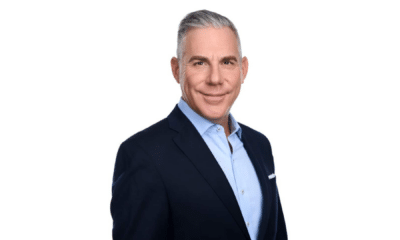
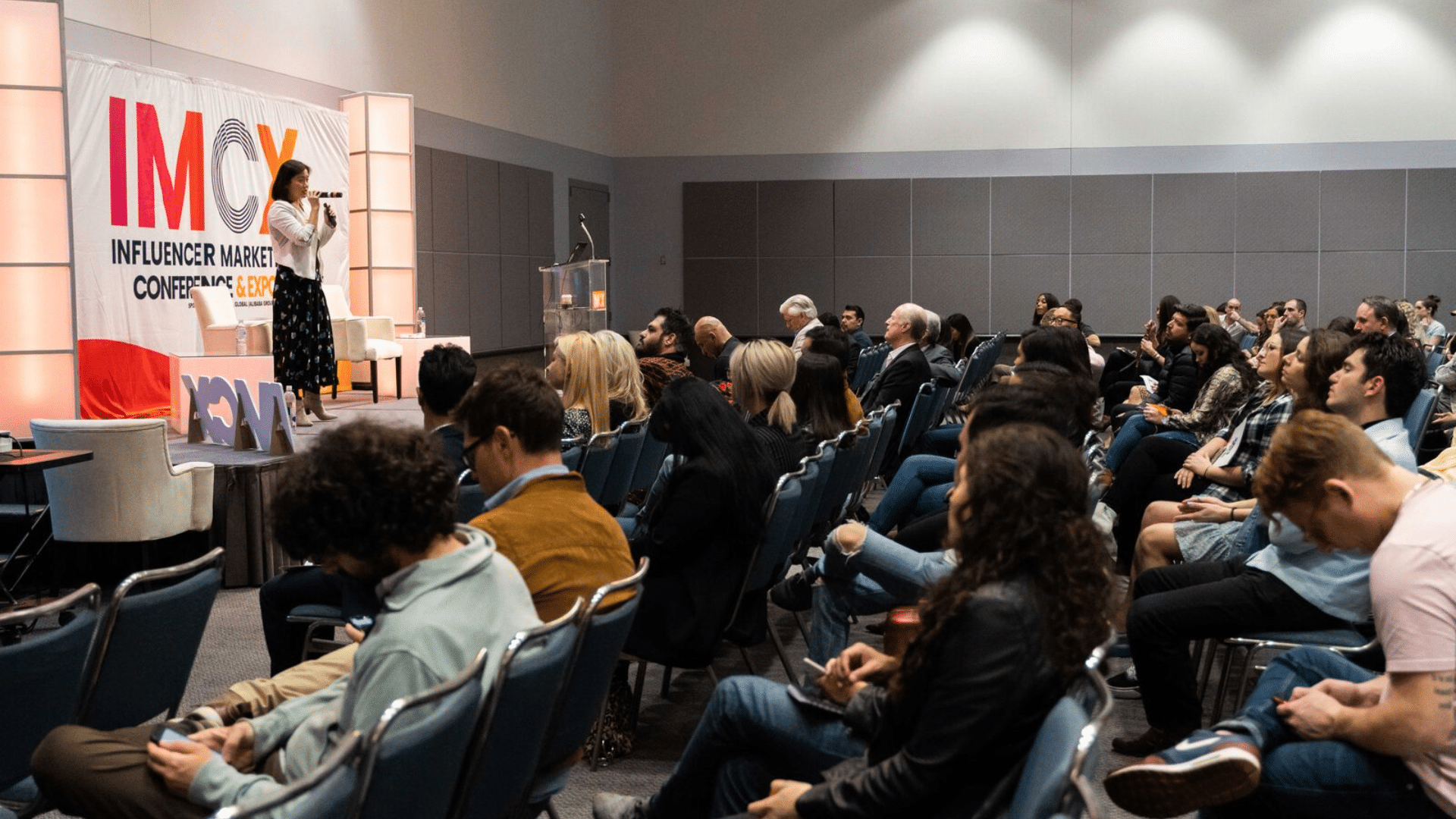
After a multi-year absence, the Influencer Marketing Conference & Expo (IMCX) is returning to Los Angeles in October with a format built around commercial outcomes rather than programming. Ismail Oyekan, the event’s founder and CEO, has spent his career organizing conferences, believing the best ones are measured not by session lineups, but by the business relationships formed in the intervals between them. IMCX 2026 is set for October 13 to 15 at the Broadway Civic Center in downtown Los Angeles.
Ismail has produced events across multiple industries since 2009, a portfolio that now includes a prediction markets conference, a domain investor expo, and an AI agent summit set for December. His method is to find an industry he is personally interested in, build a conference around it, and use the gathering for access and learning. IMCX, which he launched in 2019, is the event he returns to most readily because he believes the Creator Economy has not developed enough dedicated B2B infrastructure for its commercial scale. “If you get Influencer Marketing or the Creator Economy right, you save a lot of money, and you make a lot of money at the same time,” he says.
Ismail chose LA for the 2026 edition for reasons he considers self-evident to anyone in the industry. “Los Angeles is the capital of the Creator Economy,” he says, pointing to YouTube’s campus, Snapchat’s presence, and the concentration of creators and agencies based there.
One goal for this year’s edition is to cap attendance at 500. Alongside programming and an exhibit hall, the conference runs an award ceremony and a structured networking program he describes as more important to attendees than the sessions themselves. The format is designed to serve brands, agencies, creators, and technology platforms looking to make direct commercial connections.
Deal-Making Is the Primary Metric, Not Session Attendance
The most notable choice in the 2026 edition is who gets in for free. Ismail is distributing complimentary passes to brand budget-holders, designed to ensure that agencies, creators, and technology platforms have counterparts with actual spending authority in the room. “We want the brands with the budget to be there so that the agencies and the platforms can justify being there,” he says.
His benchmark for the conference is specific. “We want to be a conference that facilitates deals,” he says. “We want the agencies out there not just to talk about how great they are, but we want them to leave saying, ‘Because of this conference, we signed up another client.’”
The title sponsor is SafeBets, a prediction markets company using the conference to connect with creators who can drive platform awareness. The 500-person cap is intentional. Ismail’s operating theory is that smaller gatherings produce denser networks, and density is what converts a conference from an educational event into a business development environment. A VIP pass tier adds curated one-on-one matchmaking and a dinner with speakers.
The Creator Economy Has Outgrown Its Early Assumptions
When Ismail organized the first IMCX in 2019, the dominant logic in Influencer Marketing was built around reach. Macro-influencers and celebrities commanded the largest brand budgets because follower counts were the most legible performance proxy available. In his consulting work with investors in Creator Economy apps, he still fields requests for high-profile individual creators and redirects them. “I enjoy explaining to them why that could be the wrong approach versus going after an army of micro-influencers and how to go about selecting them,” he notes.
The channel has grown considerably more complex since then. Advertising disclosure requirements vary across jurisdictions, and platform algorithms directly shape campaign performance. “It’s not cookie-cutter,” he says. “Brands in every vertical are trying to navigate it. Some get it right, some get it wrong.” His assessment is that no single formula for success has emerged, and that the cost of figuring it out remains high for brands entering the space without prior experience.
He describes the industry as one that requires practitioners to track multiple overlapping variables simultaneously: creator selection, jurisdiction-specific compliance, platform mechanics, and now AI. “It’s a space that’s always emerging,” he says. “People are always studying what other people are doing or not doing.”
AI Is Forming a Second Track in Influencer Marketing
Ismail’s forecast for AI’s impact on Influencer Marketing is specific. He does not expect it to replace human creators but to run alongside them as a parallel industry with distinct mechanics and distinct audiences. “There’s going to be traditional Influencer Marketing with humans, and there’s going to be AI Influencer Marketing, where the brand, the user, everyone knows it’s AI, but they’re okay with that,” he says.
He marks the distance from 2020 to the present to support the prediction. At that year’s IMCX edition, discussions about virtual influencers like Lil Miquela were exploratory. Today, AI-generated personas are a commercial category, and regulatory frameworks are beginning to respond. He cites New York’s disclosure requirement for AI-generated influencers as an early institutional marker.
The AI session at IMCX 2026 is the one he is most focused on convening. His goal is not to revisit circulating speculation but to surface what practitioners are doing in live campaigns. “AI and Influencer Marketing is what I want to hear,” he says. “What people are thinking, what people are observing, and what people are doing and what people are concerned about as well.”
125 Applications, Filtered for Transferable Expertise
More than 125 people applied to speak at IMCX 2026. Ismail says the selection process removed applicants using the stage primarily for visibility and prioritized practitioners with expertise that is genuinely transferable to the room. “We have to get the best of the best,” he says. “People that can add value, not just come talk about how great they are.”
Returning speakers include Shaun Neff, founder of Beach House Group, a company that builds brands in partnership with celebrities and recently completed a major exit. David Bloom, a senior contributor at Forbes who covered the first two IMCX editions, returns alongside Phil Ranta, CEO of Stealth Talent, and Dan Fleyshman of Elevator Studio. Among the new additions are Olivia Ormos, founder of creator platform mavn, and Alec Wagley of VSCRL, whose prior agency managed more than $500 million in creator ad spend before the firm closed.
Ismail describes the mix as practitioners at different points in the industry’s development cycle presenting alongside each other, rather than a roster assembled purely for brand recognition. He applied the same logic when he took on over 125 applications: LinkedIn and a brief conversation were enough to separate the practitioners from the promoters.
The Benchmark Ismail Uses to Judge a Conference
Ismail’s argument for prioritizing networking over programming is grounded in what he observes conference attendees actually retain. “I remember who I met,” he says. “I don’t know anyone who gets to attend all the sessions.” Sessions are recorded and distributed after the event, which he treats as a practical acknowledgment that their longer-term value outlasts the in-person day.
The closing future panel is the session format he has run at each in-person edition and the one he is most invested in producing. The structure brings together practitioners from brands, agencies, and media after two days of programming to surface their expectations for the next several years. He treats it as a forecasting exercise with a track record: at the 2020 edition, AI influencers were a speculative discussion. Most of what was anticipated then, he argues, arrived on schedule.
Looking past October, Ismail frames IMCX as an annual fixture in a Creator Economy he expects to continue expanding. The relaunch draws on his original case for reviving the conference rather than starting a new one. “It’s better to relaunch something than start from scratch,” he says. “This has history, it has proof of concept, it has momentum.”
His read on the underlying industry is direct: “You have to live under a rock to not respect this channel. It’s bigger than ever.”
Subscribe to Our Newsletter
Check Out Our Podcast