



Strategy
Why a Hollywood IP Investment Firm Is Treating YouTube Channels Like Film Libraries

Content Partners has spent two decades buying entertainment assets that keep earning: film and television libraries, music compositions written for the screen, and the participations attached to them. The Los Angeles firm, founded in 2006, holds rights to more than 800 films and over 3,000 hours of television, including the CSI library and the Revolution Studios catalog. More recently, it has moved into a category that did not exist when the company started: YouTube channels. The appeal is not viral peaks, but the potential for creator-led content to keep generating revenue long after a video stops trending.
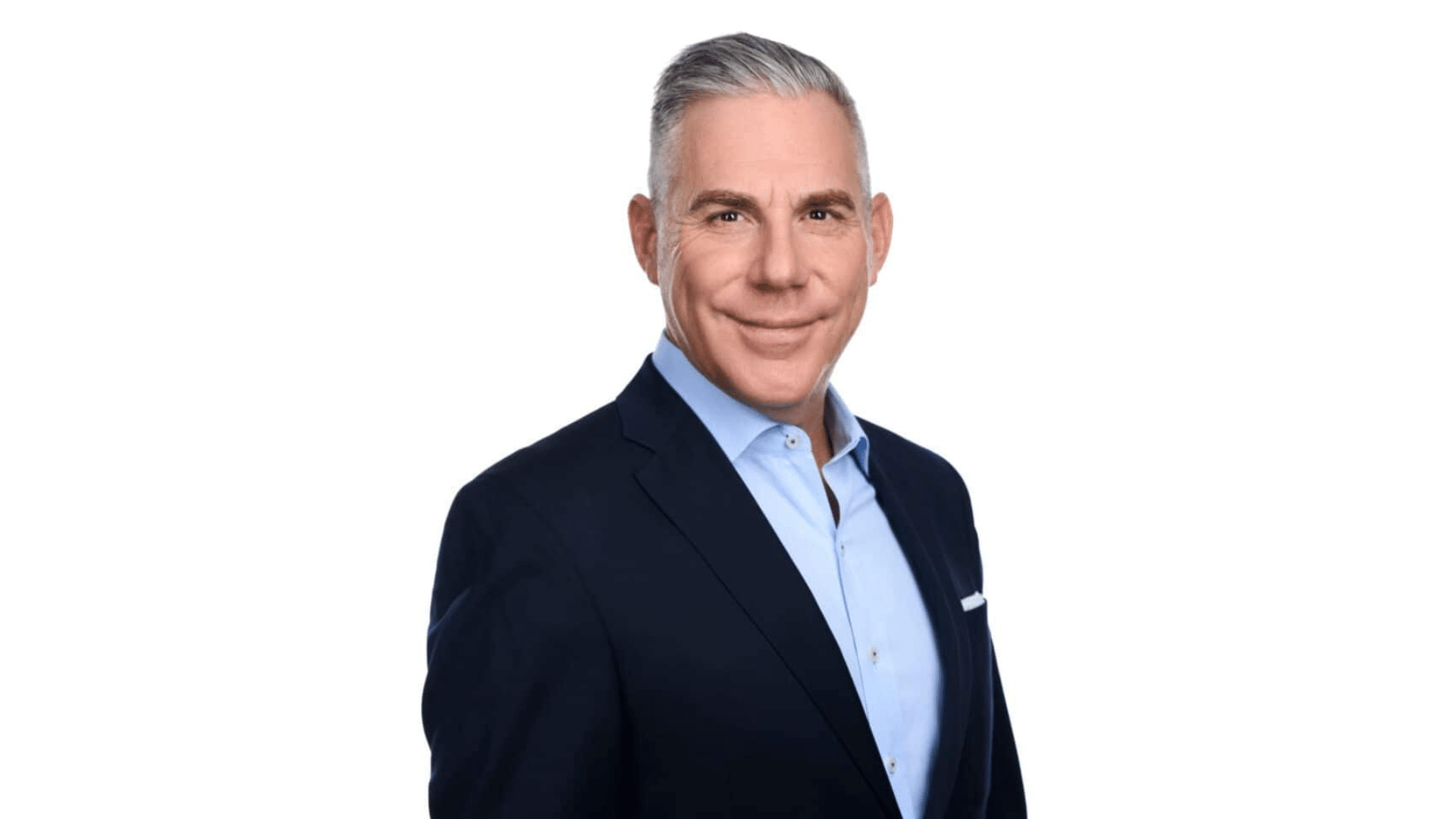
John Mass, the company’s President, who joined in 2014 after 17 years at William Morris Agency, most recently as EVP leading Corporate Development and New Ventures, puts the logic simply. “Content is no longer defined by the media it’s played on,” he says. The same logic that applies to a film catalog (steady cash flow, durable viewership, and the potential for repeated monetization) now extends to YouTube channels with the right profile.
Content Partners’ portfolio now extends to YouTube through Wonderloom Media, a Creator Economy venture Content Partners launched in July. Wonderloom’s first acquisition was “Dr. Insanity,” a YouTube channel with 5.8 million subscribers producing long-form documentary episodes running 44 to 55 minutes. The content, voiced over in documentary style, is, in John’s assessment, indistinguishable from programming on Discovery or History Channel. That proximity to traditional media is, for Content Partners, the point.
YouTube Has Outgrown Its Category
The television in the living room is now the leading device for YouTube viewership. John cites that shift as the clearest evidence that the platform has moved past its earlier reputation as a phone-and-laptop medium for short clips.
“The biggest streaming platform is YouTube and its creator-led, user-generated content,” John says. “It has, by far, more streams than Netflix, which is the largest SVOD platform.”
He tracks the revenue models converging alongside the audiences. As Netflix and other subscription services add advertising-supported tiers, they are migrating toward the AVOD structure YouTube already operates on. From an investment standpoint, John notes, the competition is no longer between formats but between platforms competing for the same audience pool. “Obviously, the content defines the platform,” he says, “but the revenue mechanism is going to be the same.”
Library vs. Landfill: The Repeatability Test
What separates catalog content that keeps earning from content that stops getting watched? For John, the answer is repeatability. “It’s the kind of thing that I could watch today, and I could turn it on five years from now and watch it again,” he says. He measures content against films like “The Godfather” and “The Shawshank Redemption,” i.e., material that draws a viewer in whenever it surfaces, regardless of its release date.
Applied to YouTube, that standard produces specific results. “Hot Ones,” the interview format built around progressively spicier chicken wings, functions as library content in John’s assessment. Episodes featuring guests from several years ago continue to accumulate views alongside the most recent release. “Dr. Insanity” follows the same pattern: videos from two to three years back still draw audiences, indicating the content holds up outside the window of its original posting.
The category most likely to fail the repeatability test, according to John, is news-driven or highly topical material. “Today it’s worth something, tomorrow worth less, two days from now worth even less,” he says. Episodic content anchored to a stable format behaves differently, more like “South Park” or “Seinfeld,” properties that have held their audience value well past their original production runs. That durability is what Content Partners is paying for.
Content Libraries Earn Slowly. Sellers Want Capital.
Sellers reach Content Partners for several reasons, such as estate planning, the dissolution of business or personal partnerships, or the desire to redeploy income from a slow-accruing asset into faster-moving investments.
“I have an asset that’s very illiquid and unpredictable,” John says, characterizing a common seller’s position. “It might throw off cash, but it’s pretty illiquid. And I can’t accelerate that other than talking to someone like Content Partners.”
The tradeoff? Keep the ongoing cash flow, or take a lump sum and redeploy. As John explains, a production company might convert that capital into new projects. An individual creator might diversify into market investments or real estate rather than waiting for a content library to generate the same return over years. Across all cases, he says, liquidity is the common denominator. What varies is what the seller plans to do with it next.
Autonomy Is the Price of a Liquidity Event
John says that creator concerns after an acquisition concentrate on one variable: autonomy. Moving from operating independently and building a following on their own terms to a structure where a buyer holds a voice in creative and business decisions is, in his framing, the defining adjustment a creator makes in a transaction.
The dynamic is not necessarily adversarial, but it is structural. A buyer who stays hands-off when performance holds may not remain so if it slips. “You buy a business, and you could probably have complete autonomy until something goes wrong and then they’re all over you,” John notes.
The liquidity event delivers capital, and alongside it, a change in who has a voice in the output going forward. John sees this as a major shift for creators who have spent years owning every decision about their content.
Purposeful Creators Build Libraries. Hit-Chasers Build Noise.
In John’s assessment, the Creator Economy has two populations: the roughly 1% who build sustainable businesses and a much larger group who chase metrics without developing a lasting relationship with an audience. The market sorts them efficiently, he argues, and younger viewers do the sorting faster than most brands recognize.
“Those who are much more authentic and doing it for the love of creation ultimately connect with an audience,” he says. The inverse registers with viewers before it shows up on any analytics dashboard. John uses his daughter’s observation about restaurant review creators to illustrate the point: creators who post only favorable reviews are easy for their audiences to identify as paid relationships. “They all like the places,” he recalls her saying. What viewers flag as commercial motivation, John reads as an investment signal. Content structured around sponsors rather than a genuine point of view tends not to hold up as library material.
The 1% who succeed are, in his characterization, those who approached the work with purpose beyond the income. “It’s those who are driven more purposefully,” he says, “who might want to make the world a better place, who might want to educate and inform people.” That orientation, rather than the pursuit of a viral moment, is what he associates with content worth acquiring years after its release.
Hollywood Pays Creators for Their Work. YouTube Lets Them Keep the Asset.
In traditional production, directors, writers, and actors create content for studios that retain the IP. “You don’t really have profit participation in shows produced for streamers,” John says. He notes that profit participation, once a standard feature of television deal structures, has become less common as entertainment economics shifted toward subscription revenue.
YouTube inverts that structure. A creator owns the content, distributes it through the platform, and captures advertising revenue without transferring ownership. The barriers that once made independent production impractical no longer apply at the same scale. John cites two examples as early indicators that traditional entertainment professionals are beginning to act on that logic: Shane Gillis, who financed a series independently following a professional setback and then licensed it to Netflix, and the producers of “It’s Always Sunny in Philadelphia” who, by his account, financed their own pilot rather than wait for institutional backing.
“When you take control, and you bet on yourself,” John says, “you can own and determine your future. I hope we see more and more of that.”
Subscribe to Our Newsletter
Check Out Our Podcast