

Influencer
From Every Side of the Table: Emmy Petit on How Creator Partnerships Should Work

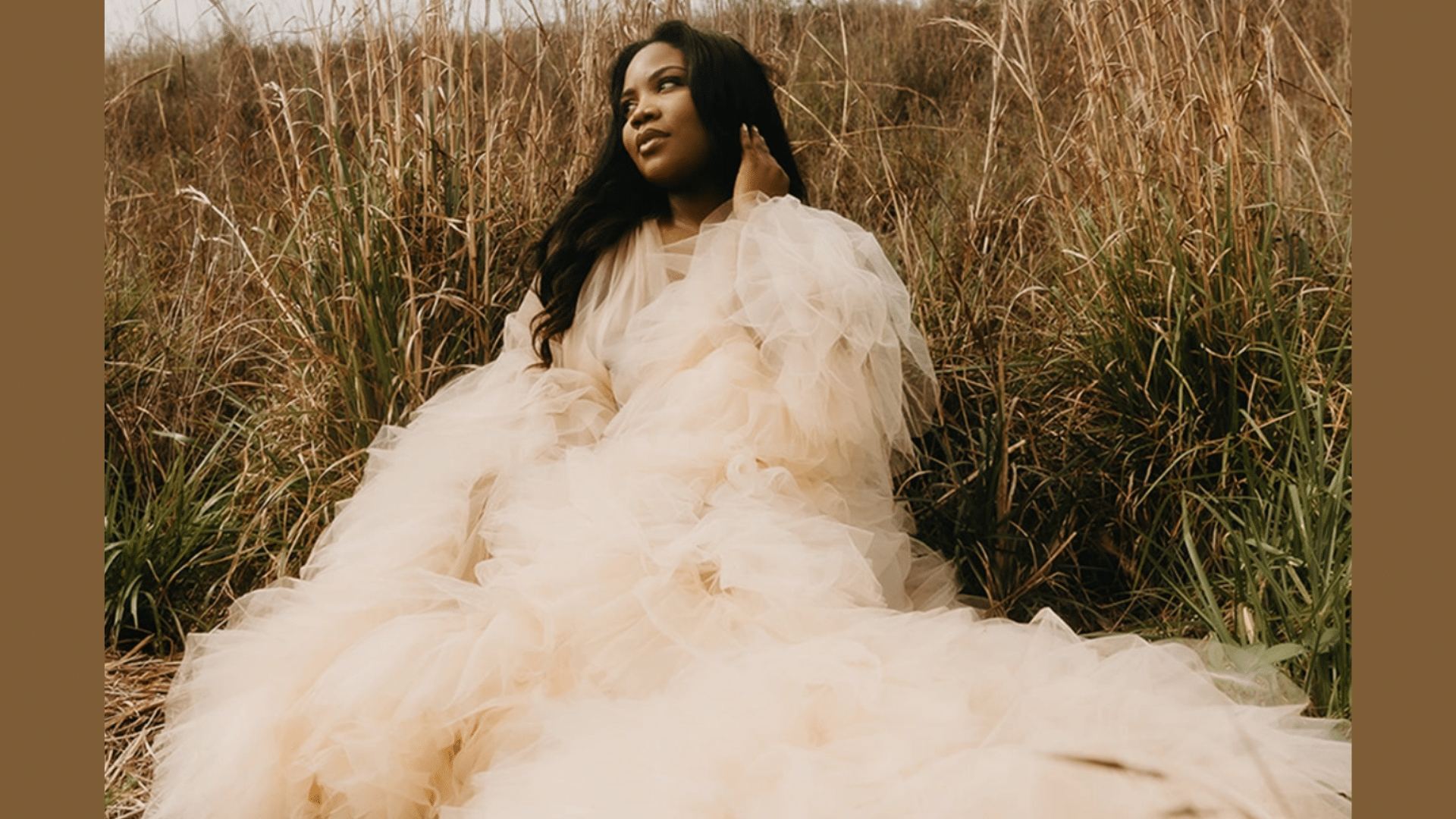
Emmy Petit describes herself as “an entrepreneur, creator, influencer, Influencer Marketing professional, and consultant,” and insists none of those identities can be set aside when another is picked up. In 2020, she founded House of Influence, a consultancy dedicated to helping creators, influencers, and businesses expand their impact and grow their income. Emmy also spent nearly two years as an account manager at the Influencer Marketing agency Digital Voices (now PMG) before building her own creator platform in the plus-size and mid-size fashion space, where she produces the “Shopping Curvy” retail try-on series.
“I can’t remove one identity from the other,” she says. “I am always all of them at the same time.”
That simultaneity is what makes her perspective unusual and, she argues, useful. Most people in the Creator Economy have worked one side of the marketplace. Emmy has worked three (brand, agency, and creator) and carries views about each that are sharpened by the other two.
She Learned the Industry Before She Joined It
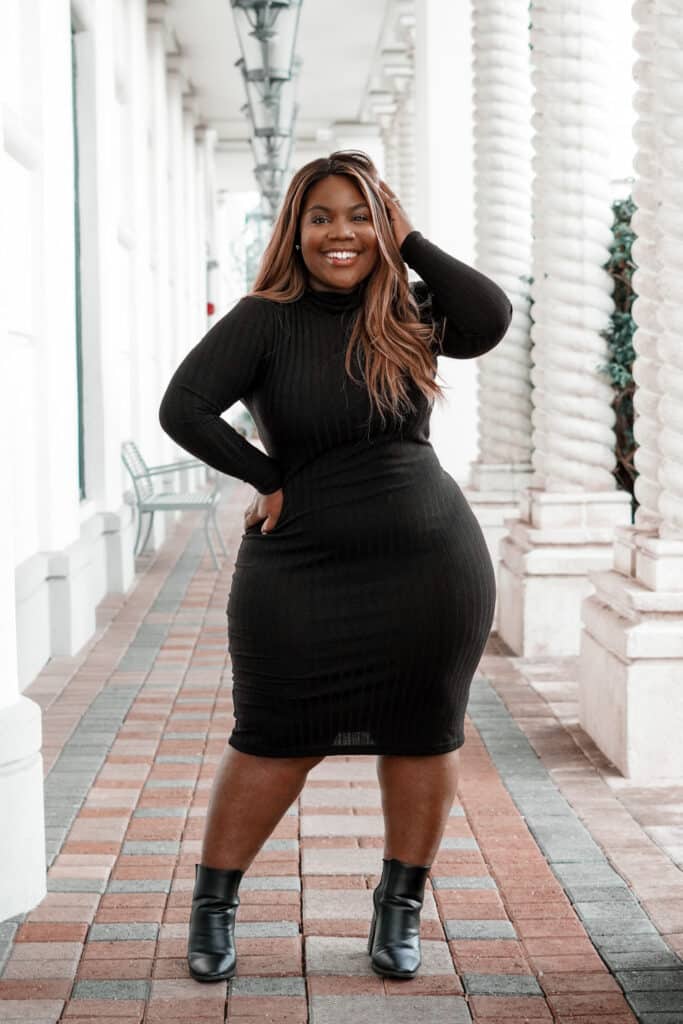
Emmy completed her undergraduate degree at the University of Miami, studying Political Science, Public Health, and Health Sector Management, after years of preparing for medical school. A year in healthcare confirmed the path was wrong. What she already knew was that she had been blogging privately for years without telling anyone, until one post found an audience on its own. When she enrolled in journalism school at the University of Miami, she began posting publicly for the first time, documenting her work producing documentaries for Special Olympics across Uganda, Serbia, and Mongolia.
Journalism school reinforced something she had already suspected. “Storytelling is at the core,” she says. Her Instagram grew to roughly 10,000 followers during that period, and brands began asking how she had done it. She left the program to pursue social media marketing, managing influencer programs for beauty labels at a Miami-area company before founding House of Influence during the pandemic lockdown, after a planned move to New York and a role she was in final-stage interviews for were both suspended. “I was forced into creating House of Influence,” she says. “Bullied almost.”
The decision to build her own social media and brand management agency, which would later become a creator education platform and community, came from a specific reckoning. Emmy had spent years creating content for brands, posting it to their accounts, building their followings. “I show up for these brands, I create their content, I post their content,” she says. “I’m going to start showing up for myself.” Within a year, the platform was generating her full-time income.
The Year the Number Didn’t Move
Emmy’s first real challenge as a full-time creator was demographic. Her early Instagram growth attracted a substantial proportion of male followers, and the beauty and fashion brands she wanted to work with were targeting women.
Every time she gained women followers, she deleted male followers in equal numbers, holding her public count steady at around 11,000. “I’ll stay at this number until I am at 90% women,” she recalls deciding. “And then I allowed myself to just grow and see the number grow on my platform.” The account appeared stagnant for a year. Emmy says she was near $100,000 in revenue during that period, in 2020, with that 11,000-follower base.
She then narrowed her posting to a single content focus: mid-size meets plus-size curvy fashion. “I literally did not post any beauty, did not post anything else,” she says. The result was 160,000 new followers in under seven months. The precision she applied to audience composition before chasing scale is, she argues, one of the most underused decisions available to creators at any stage.
The Stores That Don’t Stock Their Sizes
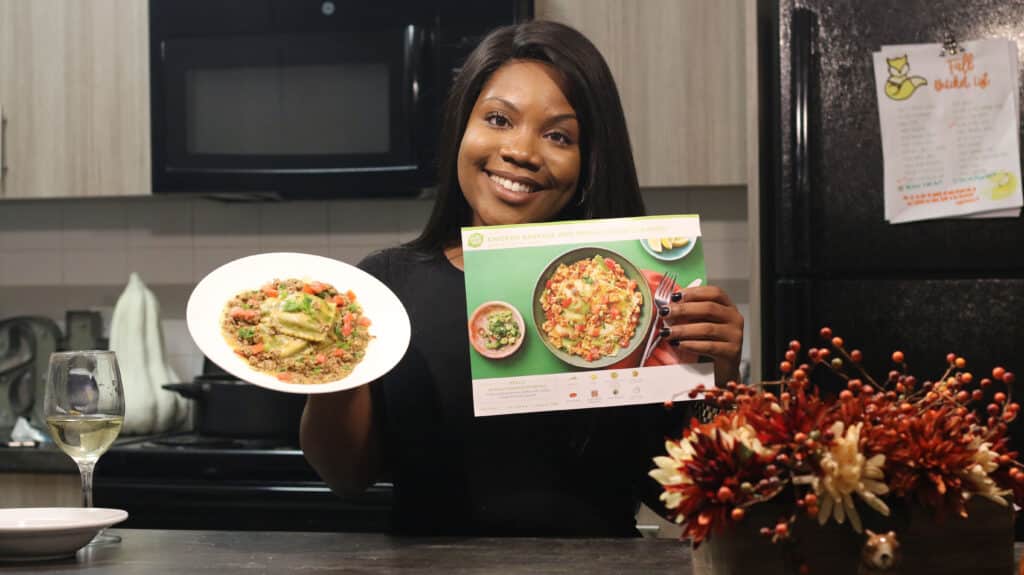
“Shopping Curvy” began after Emmy observed that many mid-size and plus-size women couldn’t find their sizes in physical retail stores. She visits retail locations, tries on current arrivals, and films how the pieces fit on her body. The purpose is to document which retailers carry sizes for curvy and mid-size shoppers and to make visible the disparity when they do not.
“At times we don’t have our sizes in store,” she says. But the series also addresses a more practical problem. Women scrolling product pages cannot always tell whether a garment will work for their body. Emmy makes that visible. She recalls a message she recently received: a follower had scrolled past a retailer’s item without stopping and wrote, “It wasn’t until I saw it on you that I realized that it could work for my body.”
After reviving the series more consistently this year, Emmy says an Old Navy segment drove close to one million organic views within its first week and, she estimates, more than $200,000 in sales.

The TikTok Content That Performed Better on Instagram
Emmy’s most counterintuitive platform move came from ignoring what most creators in her space were told about where different content belongs. The prevailing guidance was to keep Instagram curated and polished, reserving the unscripted material for TikTok. She tested that assumption and found it was costing her reach.
She began posting raw, first-person content on Instagram, the kind she describes as “I’m just yapping, I’m just talking,” and found her Instagram audience responded. The content performed and produced brand partnerships that crossed both channels. “It led to a lot of brand partnerships that were syndicated on TikTok and Instagram,” she says, “because I was putting out this authentic content on Instagram where everybody else was kind of still sticking to the rigid curated content.”
Emmy frames this as a principle about how platforms change: users and creators push them in new directions before any official guidance acknowledges the shift. Waiting means missing the window. She also notes that roughly 95% of her brand partnerships now include some form of content usage rights, meaning brands run paid spend behind her organically produced content or incorporate it into other marketing formats. That figure, she argues, shows that creator content is being treated as a proprietary marketing asset, not a one-time placement.
Brands Are Vetting the Wrong Party
Emmy’s sharpest critique of the industry is that brands carefully evaluate creators before campaigns. They do not, she argues, apply the same rigor to the agencies through which those campaigns run.
“Brands put a lot of energy into vetting creators for campaigns,” she says, “but don’t put enough energy into vetting the agencies that are working on their campaigns.” When an agency briefs poorly or communicates dismissively with creators, those creators form opinions about the brand itself. “A creator may say, ‘I’m no longer going to work with this brand because of my experience with them,’ not realizing it’s not them; it’s the agency.” Brands often cannot correct what they cannot see. “They don’t see what their agency is presenting to the creator, or they don’t see how the agency is communicating to the creator.”
She identifies a separate problem in how agencies scale. As firms take on more campaigns, they standardize their processes, and that standardization produces work that looks alike across clients. “It’s making a lot of campaigns look the same,” she says, “and also not allowing for creators to really have that engagement with the brand.” The brands performing best, she argues, are the ones that have preserved genuine creative collaboration with the creators they work with.
Talk to Creators Before You Run the Campaign
Emmy is equally impatient with the recurring claim that Influencer Marketing is in decline. Headlines calling it dead or dying are, in her view, “lazy work,” a characterization she traces to ignoring what the year-over-year growth numbers actually show. The industry, she argues, is expanding and evolving, but the structure through which it operates has not kept pace.
The change she advocates most consistently requires a shift in timing. “Brands, agencies, strategists, they’re not talking to creators enough, even before developing their strategy,” she says. She envisions creators integrated as consultants at the concept stage, contributing the platform and audience knowledge that only comes from doing the work every day, not arriving at onboarding to receive instructions.
For creators, the parallel instruction is to build broadly enough to move as the industry does. “Really learn the industry,” she says. “Tap in. Learn the industry and evolve with time.” The Creator Economy, Emmy argues, is a shared enterprise. “We are a mutualistic, symbiotic relationship,” she says. “We all need each other.”
Subscribe to Our Newsletter
Check Out Our Podcast