





Agency
Creator Media Company Everywhere Launches as a Single Commercial Partner for Creators Across Every Channel

Creator audiences now follow their hosts across podcasts, YouTube, Instagram, and live events simultaneously. The commercial infrastructure designed to monetize that reach runs on separate audio, video, and social budgets, managed by different teams and brokered by different partners.
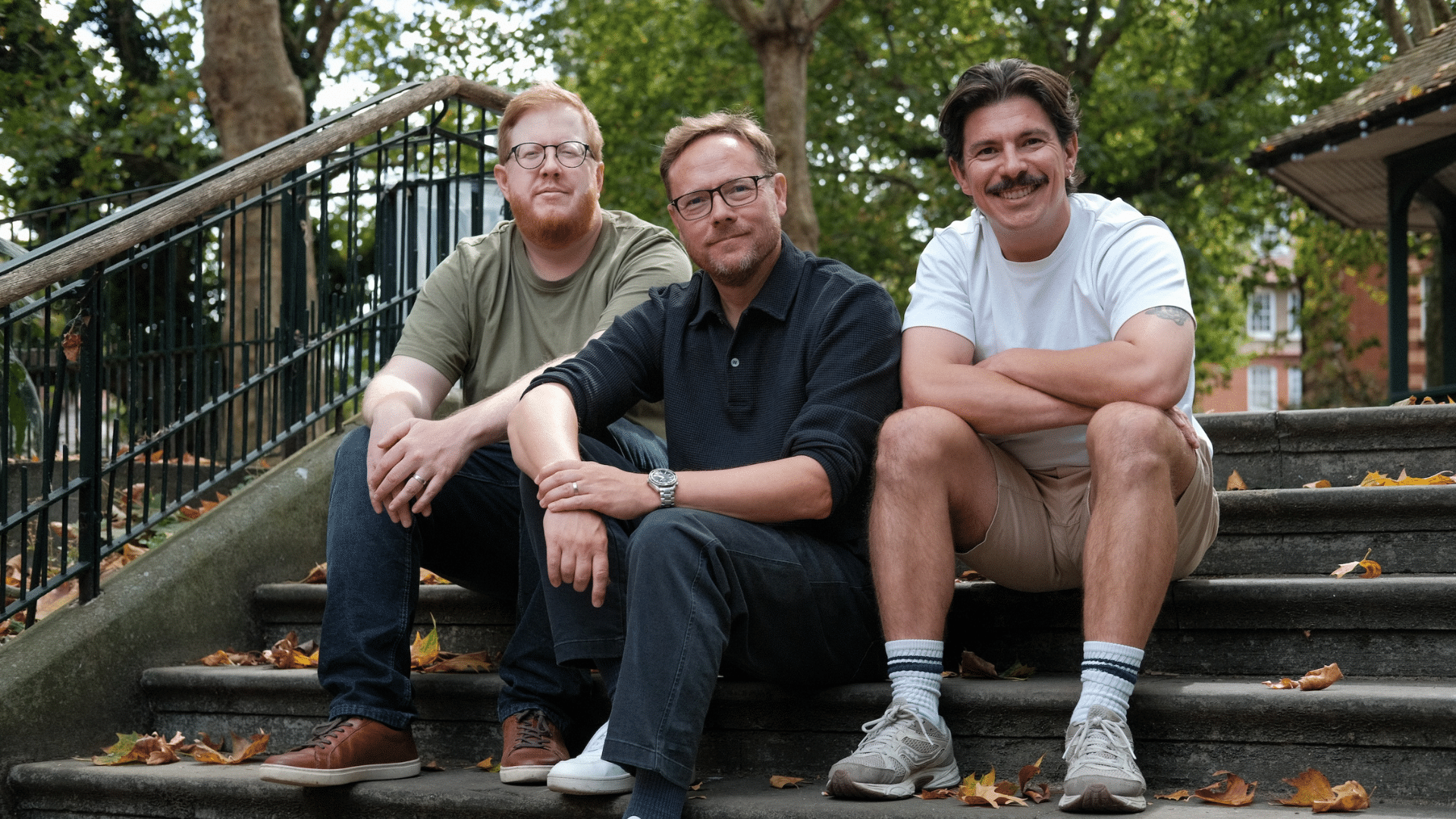
That mismatch is the founding argument behind Everywhere, a London-based creator media company launched in September 2026 by media operators Andrew Goldsmith, Mike Wooller, and Craig Eastwood. The company positions itself as the exclusive commercial partner for creators across every channel they occupy, and as a single point of access for advertisers seeking to reach those audiences through one relationship rather than several.
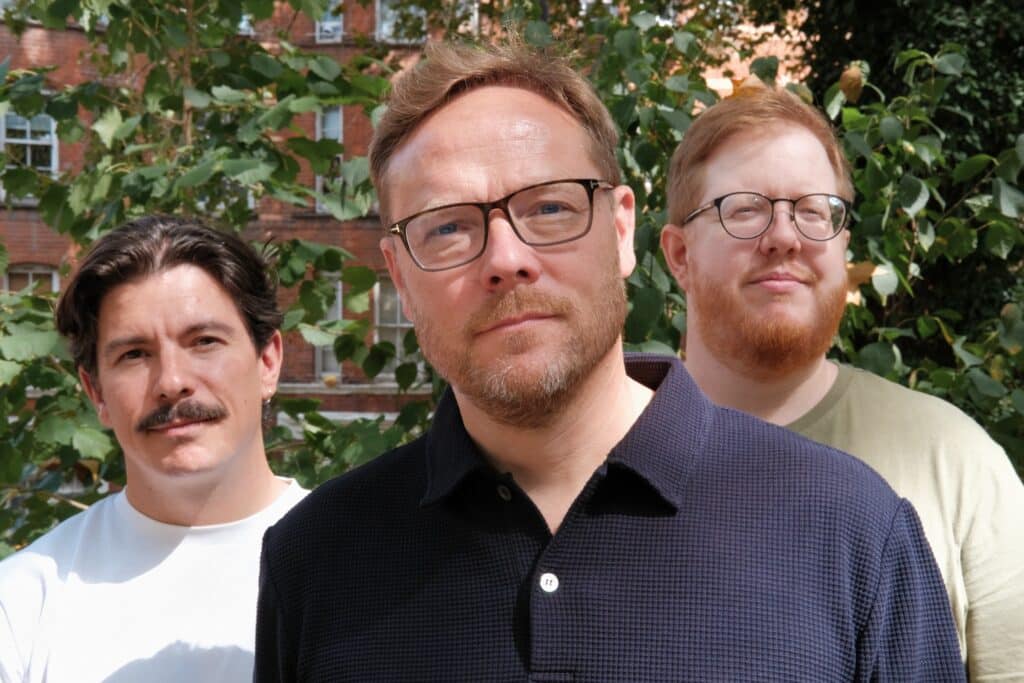
“We provide the commercial sales infrastructure for creators to monetize their content across every single channel that they have,” Mike says. “Audio, video, social, newsletters, live, whatever.”
The three founders bring careers spanning Adelicious, Audioboom, the BBC, Acast, Global, DMG Media, RadioWorks, and The Guardian. Andrew built Adelicious into one of the UK’s leading independent podcast networks before its acquisition by Audioboom in 2025, where he then served as UK President. Mike most recently led podcast strategy and platforms at DMG Media after earlier roles producing content at the BBC and signing creators at Acast. Craig oversaw planning and buying across radio, digital audio, and podcasts at RadioWorks before joining Adelicious as their first employee. All three arrived at the same diagnosis from different positions inside the same industry.
“When we got together and realized we all had the same thinking, it validated it on the spot,” Mike says. The market, they believe, has now caught up.
A Creator’s Audience Is One. Their Commercial Infrastructure Is Not.
The fragmentation Everywhere is built to address has a clear structure. A creator with a podcast, a YouTube channel, an Instagram presence, a newsletter, and live events may be reaching the same community across five surfaces. The companies managing their commercial relationships, however, are organized by channel rather than by audience.
The cost runs in two directions. From the creator’s side, Mike describes it as “effectively running several separate businesses around what is essentially a single audience.” Revenue opportunities fall between entities, and no single partner holds the full picture. From the advertiser’s side, assembling a multi-platform campaign requires briefing multiple vendors and managing separate reporting chains. “If they’re lucky enough to get to that point,” Andrew notes, “they’ve still got to deal with all that cost” in time and headcount.
Craig adds that the fragmentation undermines campaign effectiveness. When different brands appear across a creator’s channels because different partners manage each one independently, audiences read it as incoherence rather than endorsement. “If you have a brand that’s running everywhere on all the channels, then it clearly shows that creator is genuinely invested and interested in that brand,” Craig says. “There’s more of a cohesion there, which then works harder for the advertiser as well.”
Organized Around Creators, Not Channels
Multi-channel creator media sales is not a new concept. What Everywhere is staking out is a different architecture for how the work gets organized.
“We don’t have an audio team, a video team, a social team,” Mike says. “If you are selling for us, you will be selling everything.” A brand or agency briefing Everywhere receives one point of contact and one unified campaign across whichever channels the creator occupies, priced and reported as a single plan. Mike contrasts this with a traditional sales house that acquires multiple channel capabilities but keeps them in separate teams, so advertisers are still effectively briefed by channel even under one roof.
The company plans to build a curated roster rather than pursuing scale through volume. Andrew describes the curation as a prerequisite: agencies need to know in advance that creators in the network meet their brand safety and suitability standards rather than auditing each partnership individually. Creator names are to be announced in the coming weeks.
Everywhere launched with a partnership with Sounds Profitable, a podcast industry network, formalized from day one. Craig describes it as both access to the industry’s knowledge infrastructure and a statement of commercial intent.
Creator Media Needs to Become More Commercial
The founders note that their ambition requires creator media to meet the same accountability standards as other established channels, and that resistance to doing so is part of what has kept the category on the edges of media plans.
“Creator media needs to become much more commercial,” Craig says. The absence of measurement, scale, and accountability is, in his view, among the primary barriers to a significantly larger share of advertising budgets, not the quality of creator relationships. “Brands shouldn’t have to choose between the effectiveness of a creator relationship and the accountability they expect from every other part of their media plan,” he adds. “They should be able to have both.”
Andrew identifies the planning assumption this challenges. “You have TV budgets, out-of-home budgets, digital budgets, audio budgets, social budgets,” he says. “You’ve probably created some sort of creator budget, but you don’t quite know what it means.” His stated goal is for creator media to sit on those plans as a legible line item, priced on its own merits and evaluated against the same KPIs.
That commercial argument coexists with a constraint Mike raises: the underlying value of creator audiences rests on the trust creators have built with their communities, and that trust is degraded by poorly matched or excessive commercial integration.
Mike describes Everywhere’s obligation as operating across three levels simultaneously. Creators must trust that deals being secured reflect well on them. Advertisers must trust in brand-safe placements. And audiences must encounter commercial messaging that is, at minimum, “entertaining, informative, or at least somewhat valuable.” Success on the audience side, he says, is measured indirectly: if campaigns are working, creators stay, advertisers renew, and audiences don’t push back.
The Market Moved, Then They Did
All three founders acknowledge the problem they are building around predates the company by at least two years. “This is the first opportunity we’ve had to do something about it as us three,” Craig says.
Mike points to 2026 as the year the market shift stopped being theoretical. Goalhanger, a creator-driven podcast and media company, became the fastest-growing company in the UK. Established creators are converting their audiences into formal business structures. Major agency groups are beginning to organize teams around multi-channel creator partnerships rather than managing audio, social, and video separately. “This year is the year where it’s become totally real and something you just can’t ignore,” Mike says.
The founders describe the response since their September 1 launch as more positive than they had projected, with creators and publishers reaching out ahead of any outbound effort.
One Brief, One Campaign, One Creator Ecosystem
Everywhere’s goal, according to Andrew, is for brands to buy “the audience, the idea and the creator relationship” across a creator’s full ecosystem rather than channel by channel. The underlying ambition is a creator media market in which a single brief and a single commercial conversation produce a campaign built around how a creator actually connects with their audience on each platform, rather than the same ad replicated across surfaces.
Whether that market is two or three years away depends partly on whether media buyers restructure their planning assumptions alongside their vendor relationships. The founders are betting that building the commercial infrastructure will do more to move that process than arguing for it from the outside.
“Creator media becomes something media buyers can plan seriously alongside other major media channels,” Andrew says, “rather than something that sits on the edge of the plan as an influencer activation.”
Subscribe to Our Newsletter
Check Out Our Podcast