






Tech
A Music Agency’s Campaign Management Problem Became the Blueprint for a Creator Clipping Marketplace

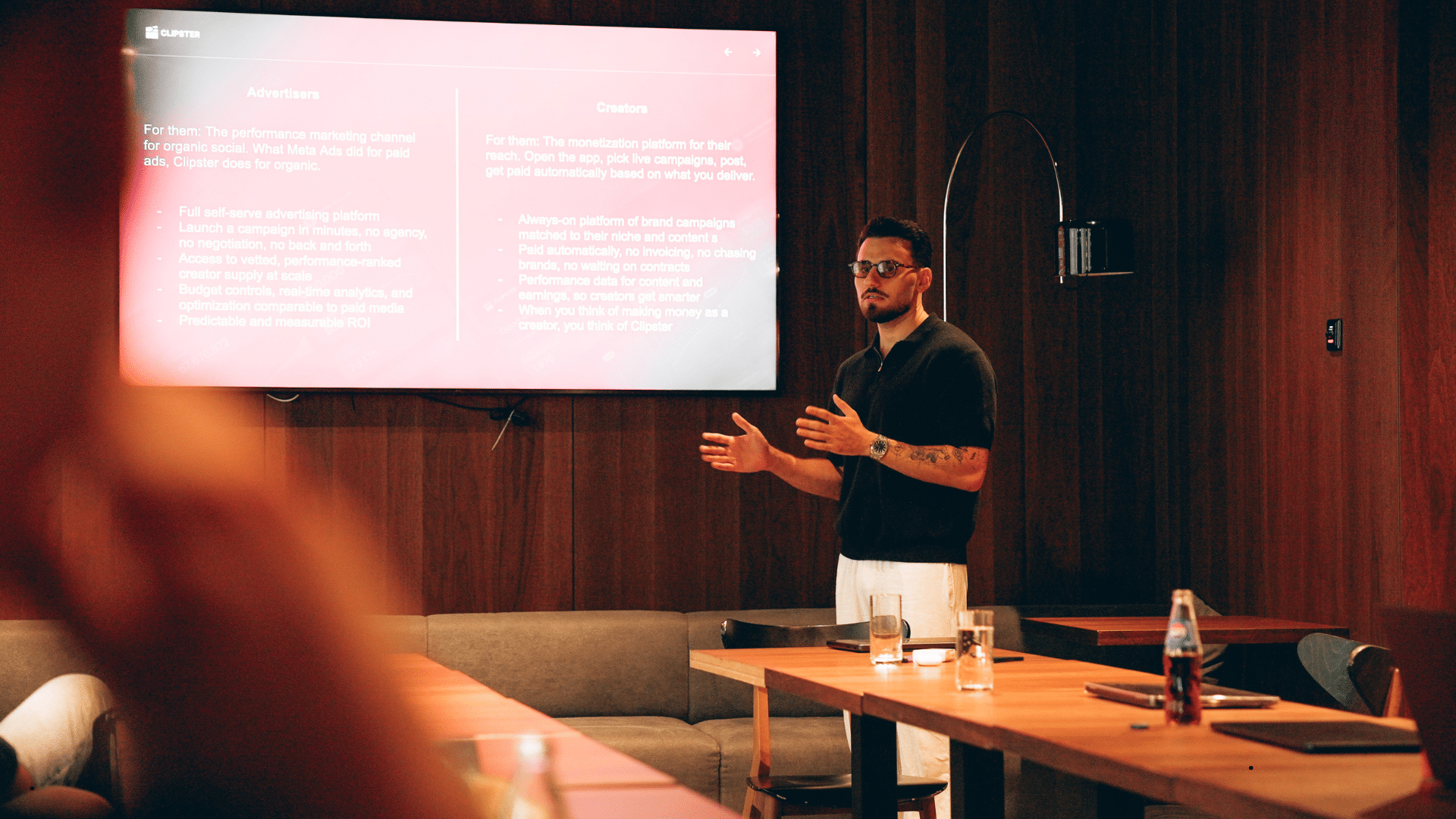
Clipster is a Dubai-based clipping marketplace where creators clip brands’ content into short-form posts and earn per view rather than per post. Turan Selvi, 24, launched the platform in March 2025 after three years of running Sketch Media, a TikTok marketing agency for major music labels. The agency’s central operational problem was manual and fraud-prone campaign management with no software to streamline it. That became Clipster’s product.
Before entrepreneurship, Turan was a creator. Gaming channels he built starting in 2019 reached millions of followers with almost no revenue until record labels began paying him to embed their songs in his content. The transaction revealed something he hadn’t understood before: viral moments in music were being engineered, and a quiet industry of paid creator seeding had already existed for years. At Sketch Media, he expanded from managing his own channels to managing thousands of creators. Eventually, it became clear the agency couldn’t scale without simply hiring more people to do repetitive manual work. He built software instead.
Clipster now counts 400,000 registered creators across a mobile app and web platform, a Discord community of 100,000, and has processed more than 2,700 campaigns since launch, according to the company. For brands, Turan describes it as “a place where they can run viral campaigns on demand 24/7” and “a marketplace where you can buy virality.” The company reports paying out more than $10 million to creators, with music labels as the primary client base alongside game studios, podcast networks, livestreamers, and igaming companies.
Music Labels Came First, and Still Drive Most of the Model
Turan traces the fit to creative structure. Labels send audio; creators decide how to use it. There are no face requirements, no scripted mandates. “They have more creative freedom,” he explains. “They just have to use the audio and use it in a neat way.” That latitude produces content that performs organically, which is the condition Clipster requires. Labels that see results refer the platform to other labels.
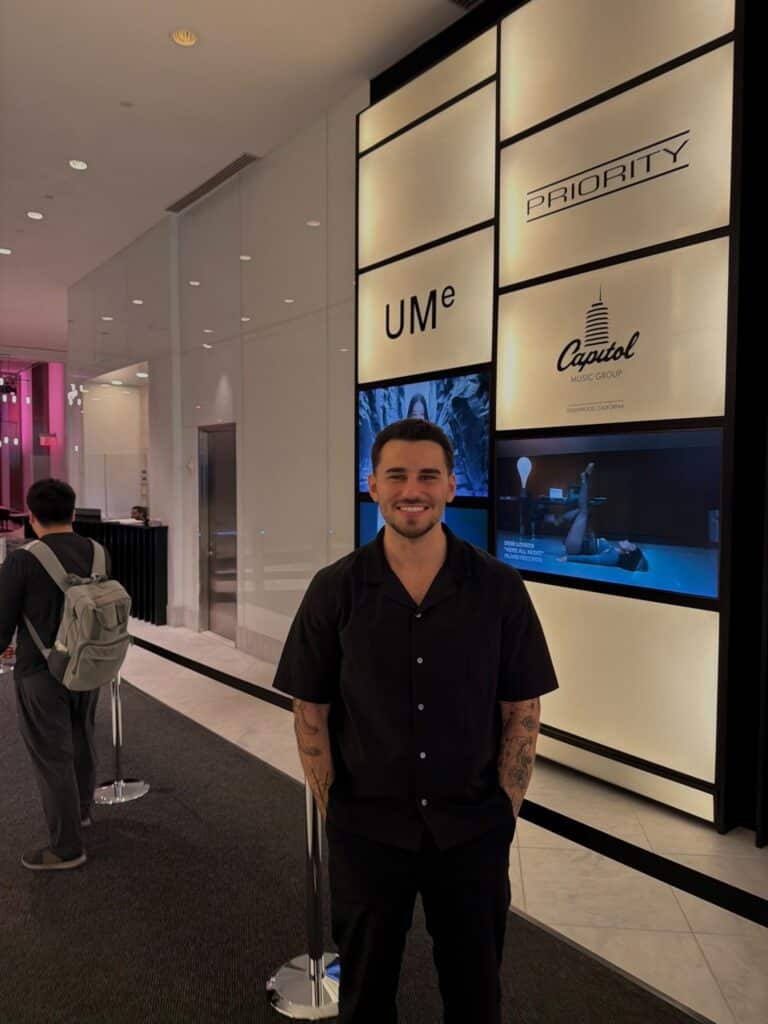
The clearest proof is a campaign for an unnamed U.S. rapper, conducted under a client NDA, in which the client spent $5,000 and received what Turan describes as the equivalent of $160,000 in views, a 40x overdelivery on targets. The song charted after that single campaign. “Miracles like that happen,” he says. “And these are the success stories in music.” Clipster has also worked with Kendrick Lamar, and Turan estimates the platform has partnered with approximately eight of the top ten U.S. rappers.
How the Marketplace Works for Brands and Creators
Brands can set a CPM rate and total budget, then specify content guidelines and audience parameters. Creators can join through the mobile app, either browsing a discovery feed or receiving push notifications when a new campaign matches their profile. The per-creator earnings cap is typically around half the total campaign budget.
The audience filtering layer runs through official TikTok and Instagram API connections. Because Clipster requires creators to authenticate via OAuth, the platform can read actual demographic data, including the geographic distribution of a creator’s views. “We’re the only platform that allows you to actually filter by audiences,” Turan notes. A brand can require that only creators with at least 50% U.S.-based views are eligible to join a campaign. Clipster tracks views in real time rather than on daily scheduled refreshes, closes campaigns when the budget is consumed, and processes payouts automatically via bank transfer, PayPal, or crypto.
Brands can choose between two modes: a fully managed service run by an in-house strategy team with experience across more than 2,000 campaigns, or a self-serve dashboard for brands that want to execute independently. Turan says the platform delivers between 52% and 70% average overdelivery on view targets.
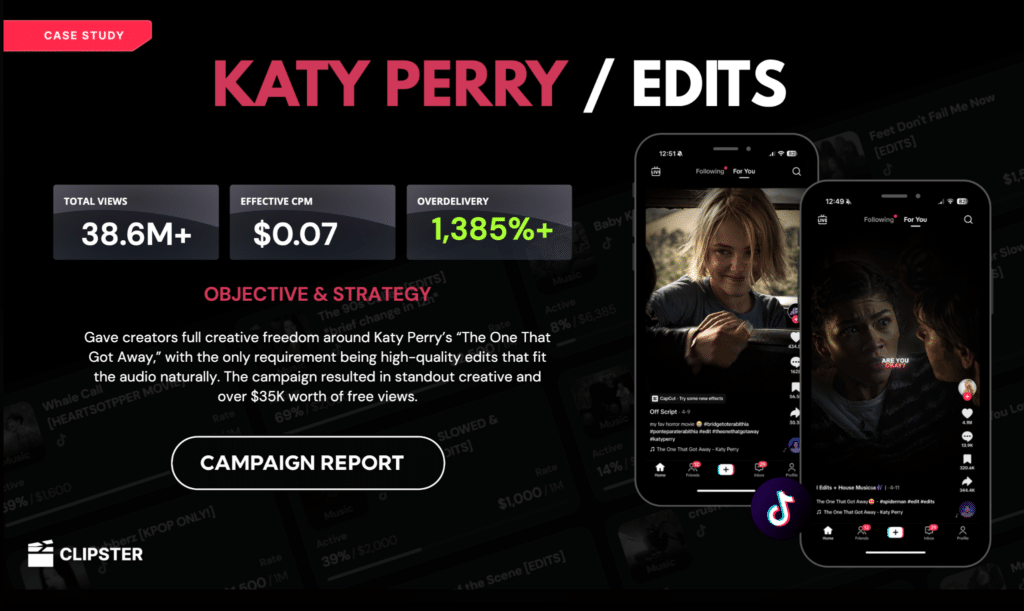
Link to Katy Perry case study
Clipster Treats Fake Views as a Core Technical Problem
Performance-based payments create a direct incentive to inflate view counts. Turan says the fraud is more organized than most brands recognize. Creators share boosting tactics through Telegram groups. TikTok’s own paid promotion tools, which can be used to boost posts in markets such as the Philippines, are one method brands may be unable to detect without direct API access to the underlying data.
The evidence came from Clipster’s own history. After enforcing OAuth and API connections, the platform found that creators Turan had been paying manually at Sketch Media for three years had been buying views throughout. “Three years later, after I’ve been paying them thousands of dollars, we found out through our tech that these guys have since day one always been buying views,” he says. “I just couldn’t believe it.”
Clipster’s detection uses its TikTok and Instagram API partnerships to access retention data, geographic view distribution, and reach metrics for every submitted post. The platform has banned more than 20,000 creators and processed more than 4 million submissions. “We take view verification seriously because this is the currency,” Turan says. “This is what brands are buying.” A formal appeal process exists for disputed rejections, with decisions documented and human review reserved for cases where the automated model lacks confidence.
New Discord-based clipping operations, Turan says, appear at a rate of roughly five per week. He describes their typical model as charging brands around $10,000 for campaigns that cost a fraction of that to execute, without disclosing the split. Clipster publicly shows brands the fee breakdown between platform fees and creator payouts.
The Content Has to Have Something Before the Campaign Starts
Clipster declines campaigns where the source footage lacks organic potential. Physical D2C brands, Turan says, are generally not a good fit for the model, which requires creators to remix existing footage rather than demonstrate products on camera, making it structurally incompatible with what those brands need. “I have yet to see anyone succeed with clipping for physical brands,” Turan says.
He notes that the same logic applies to entertainment brands with weak material. Increasing a CPM or budget doesn’t create viral potential that wasn’t already in the content. The verticals where clipping performs include music, livestreaming, podcast highlights, professional sports and MMA, and internet culture content, which creators can edit into short-form posts.
The Current Roster Is a Fraction of the Vision
Creator earnings on Clipster follow the pattern typical of Creator Economy platforms: a small number of top earners account for a significant share of total revenue. Turan says more than 20 creators earn above $10,000 per month consistently, with the highest recorded single month reaching $60,000.
Geographic reach remains the current limit. The platform cannot yet run narrowly targeted campaigns in smaller markets. And despite conversations with Amazon Prime Video that Turan says are ongoing, the platform remains concentrated in music, gaming, and streaming verticals. “400,000 creators is nothing compared to what’s actually out there,” he says. Expansion into new countries and content categories is the stated next phase.
The long-term ambition is to function as what Turan calls the operating system for faceless creator monetization. “I want every single faceless creator to download Clipster and use Clipster as infrastructure to actually monetize their reach,” he says. “And I want every brand to come to Clipster and be able to buy and scale organic campaigns reliably.”
For brands already producing content in livestreaming, podcasting, or internet culture, Turan frames the current moment in direct terms: “It’s like a little gold rush happening right now, and the brands that are early are genuinely benefiting from it.”
Subscribe to Our Newsletter
Check Out Our Podcast