




Influencer
‘The Benji Show’ Creator Built 7.7M Followers by Spotting Platform Shifts Before Everyone Else

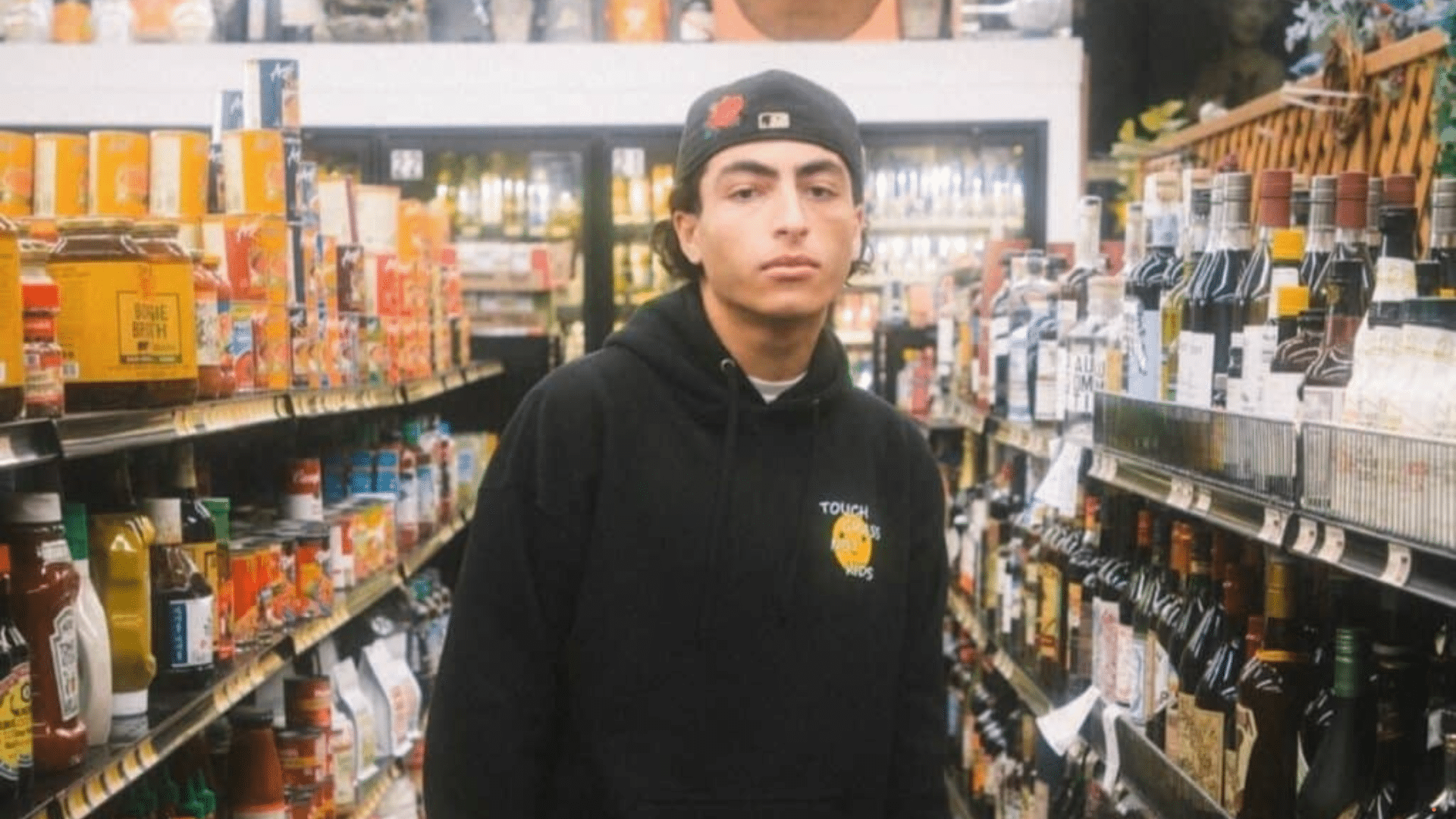
In the summer of 2019, Ryan Benjelloun was bored. He was in Miami with friends, TikTok had barely launched, and he posted a video on a whim. He woke up the next morning with 900,000 followers.
The clip had over 24 million views, a figure that in 2019 still translated into hundreds of thousands of followers on the platform. At the time, creators were still taping pieces of paper to their clothing to write words on screen. Ryan had noticed TikTok was thin on actual content, tried something, and discovered the math of early-platform advantage. That discovery has structured most of his professional decisions since.
Seven years and 7.7 million followers later, Ryan operates across TikTok, Instagram, Snapchat, and YouTube as “The Benji Show,” a comedy channel built on sketches, reaction videos, and skits that has cleared two billion total views.
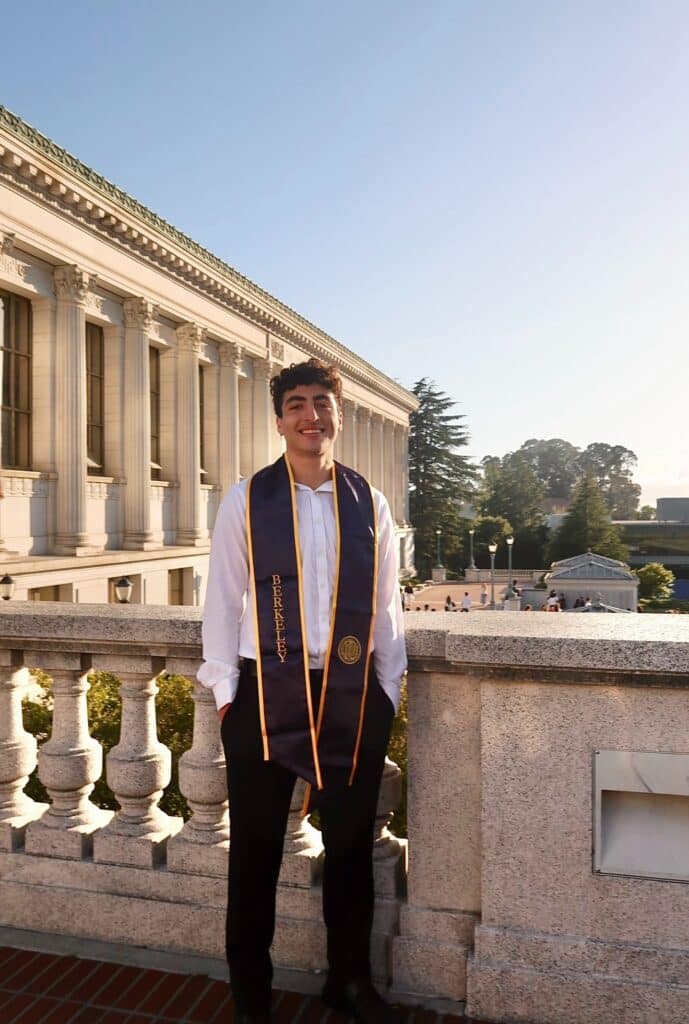
The UC Berkeley Political Economy graduate grew up in London and relocated to Los Angeles after finishing his degree in late 2025, treating this year as a full-time test of how far the channel can go. Between college and now, he also embedded on the industry side: running social media and brand strategy for independent film studio Pressman Film, interning in catalog marketing at Warner Music Group, and advising two venture-backed startups on content and audience growth.
“I do have days where I’m putting in seven, eight hours of work,” he says.
The London Kid Nobody Took Seriously
After that first viral video, Ryan returned to London. The response there was different. In Miami, people had told him to pursue it. Back in the UK, the reaction ranged from indifference to mockery.
“Some people were making fun of me,” he recalls. “It wasn’t taken very seriously.”
He connects the contrast to how the two countries structure opportunity. The British schooling system, he argues, narrows options from secondary school onward, with fewer subjects each year, a university degree spent specializing in one field, then directly into that industry. The American model kept his options open well into his junior year at Berkeley. “People almost respect that,” he says of the U.S. mentality. “As long as you’re actually doing something, of course.”
Ryan kept posting anyway. “I didn’t let it get to me,” he says.
A Production Schedule Built for Scale
Ryan wakes up at 4:30 in the morning. After a workout, he spends from roughly eight until noon scrolling platforms, looking for angles: hot topics, videos to react to, jokes not yet made. He targets 10 to 15 ideas each day.
Filming starts around three in the afternoon. Editing runs from seven until roughly ten at night. Posts are scheduled a week in advance. “I don’t actually have to worry about posting during the day,” he says. “I don’t actually do anything else apart from that.”
He tracks content in folders organized by platform. TikTok serves as his recording tool across everything, but he does not cross-post automatically. Uncertain content goes to TikTok first, where he waits a few hours to read performance before deciding whether to push it to Instagram. Snapchat and YouTube he treats as a separate pair. “Now that I’ve been doing this for seven years,” he says, “I know the different things that work well on each platform.”
Why Brand Deals Keep Failing
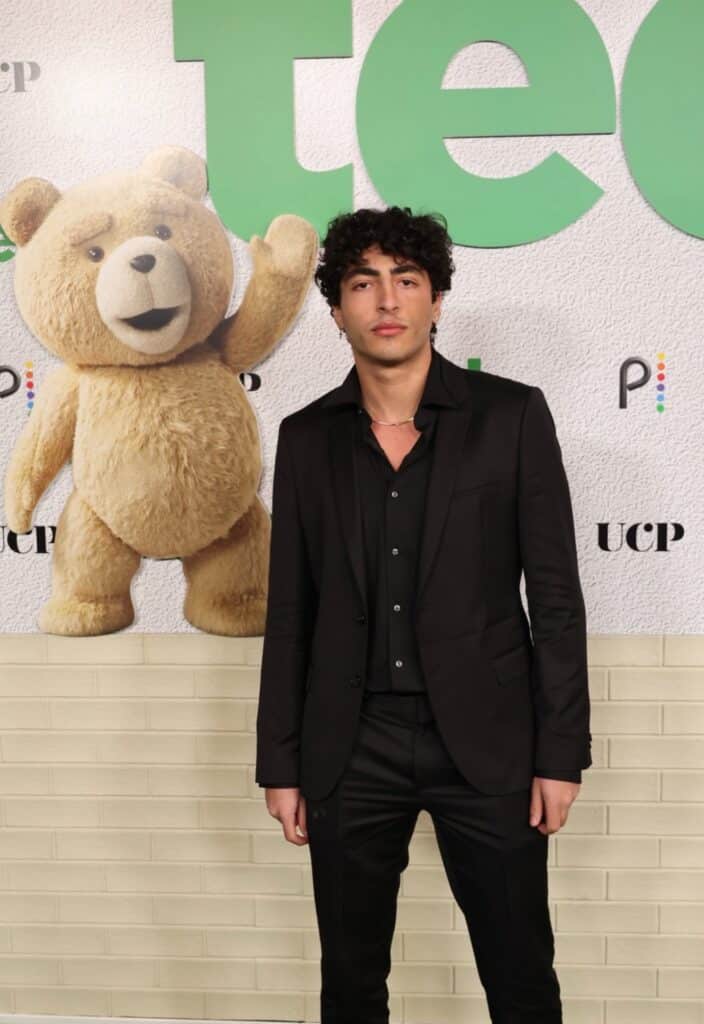
Ryan’s most developed critique of how creators and brands interact comes from experience on both sides. His advice to brands is blunt: stop leading with a script.
“I’ve had a lot of times where a brand will tell me, we want you to do this and this,” he says. “I’ll come straight up and be like, ‘Okay, I’ll do it. But this is not going to work well, and you’re not going to get any engagement from this because I know how my audience works.’”
The mechanism is partly algorithmic. In the first 60 minutes after posting, Ryan explains, TikTok pushes a video to a small group of followers and reads the response. Strong engagement expands the video to 50,000 viewers; weak engagement stops it. Overt promotional content consistently fails that test. “If I post a blatant advertisement, out of 3,000 views there may be only 100 likes, zero comments, zero shares,” he says. “TikTok’s like, ‘Okay, this video sucks.’”
His preferred structure is product placement: content that runs like a normal video but incorporates the brand visually, as he is currently doing with an app called “Coverd.” The brand appears on his phone screen during a scene that would exist regardless of any sponsorship. “Not only is everyone happy because your followers don’t call you a sellout,” he says, “the brand is happy because you get the views. But then the brand will also come back and be like, ‘We want to do another one.’ And then you end up making way more money.”
Direct platform payouts remain limited, he says, because his dominant format, sub-minute videos on TikTok and Instagram, sits below the length thresholds that unlock meaningful creator fund income. Brand deals are his primary revenue source. He is also building Snapchat and YouTube toward their payout structures and running a clothing line called “Not That Deep,” revived this year after an initial run in 2024.
The Solo Creator’s Hidden Cost
The output Ryan maintains across five platforms is produced by one person, in the same apartment he lives in, without colleagues or separation between work and the rest of the day. What that looks like financially and psychologically rarely surfaces in a highlight reel of jokes.
“You can make $10,000 plus for two or three months in a row,” he says. “And then you have a mental breakdown where you need to take a break. And then you’re making zero dollars for two months.”
The cycle emerges from isolation. Ryan records at home, which means the workspace and the living space are the same room. Scrolling for ideas and personal research on a phone are indistinguishable activities in that space. Without structure, the loop closes. “If you do that for long periods without giving yourself a break, going to see friends,” he says, “you fall into these loops of, what am I doing?”
Brands notice inactive accounts, and income tracks engagement. The pressure to restart compounds the need for the break. “You do need to take care of your mental health while you’re doing it,” he says. “It can be very easy to slip into just being completely isolated.”
The Format That Built Him Is Running Out of Time
Ryan’s predictions for the Creator Economy are not detached from his own situation. He is already caught in the shift he is describing.
The 15-second comedy format that built his audience is, in his assessment, approaching the end of its commercial viability on most major platforms. He notes that Instagram now routes meaningful payout to creators posting at least one minute of content. TikTok’s algorithm, he argues, appears to suppress promotional content regardless of official policy, pushing brands to shift spend toward Instagram, YouTube, and Snapchat. “A lot of companies will be like, ‘We only want Instagram or YouTube or Snapchat,’” he says. Shorter-form specialists face a narrowing runway. “I think if you stay at, oh, I’m a 15-second short-form creator, I think you’re pretty screwed,” he says.
He also flags the convergence between social media and traditional entertainment. Shows now recruit participants based on existing online audiences, and he points to Netflix and streaming platforms experimenting with influencer-led short-form content as evidence of an accelerating structural merger. “I think there’s going to be a lot of mixing between film and influencers,” he says.
For Ryan, the task is growing without losing what made the channel work. He is already pushing toward the one-minute mark across platforms and building YouTube toward a subscriber base that generates baseline income independent of brand deals. The discipline that got him here is the same thing he is counting on for what comes next.
“The world changes so fast,” he says. “Comedy changes. You just have to be a part of that change as well and stay on the pace.”
Subscribe to Our Newsletter
Check Out Our Podcast