Netflix’s push into creator-led programming is moving from experimental licensing to Hollywood-style talent lockups. After signing YouTube stars like Ms. Rachel, Mark Rober, Alan Chikin Chow, The Sidemen, and Salish and Jordan Matter, the streaming platform is now pursuing multi-year, multi-project agreements spanning scripted, unscripted, animation, consumer products, and live experiences. Netflix executives have framed YouTube as a proving ground for talent development, with co-CEO Ted Sarandos previously describing the platform as a “farm league.”
That development creates a new set of commercial questions for marketers and agencies that have built long-term partnerships around creators’ owned YouTube ecosystems. YouTube offers open feedback loops, public engagement signals, direct links, and relatively transparent performance data. Streaming platforms offer larger budgets and global distribution, but keep audience behavior, retention, and attribution inside closed systems.
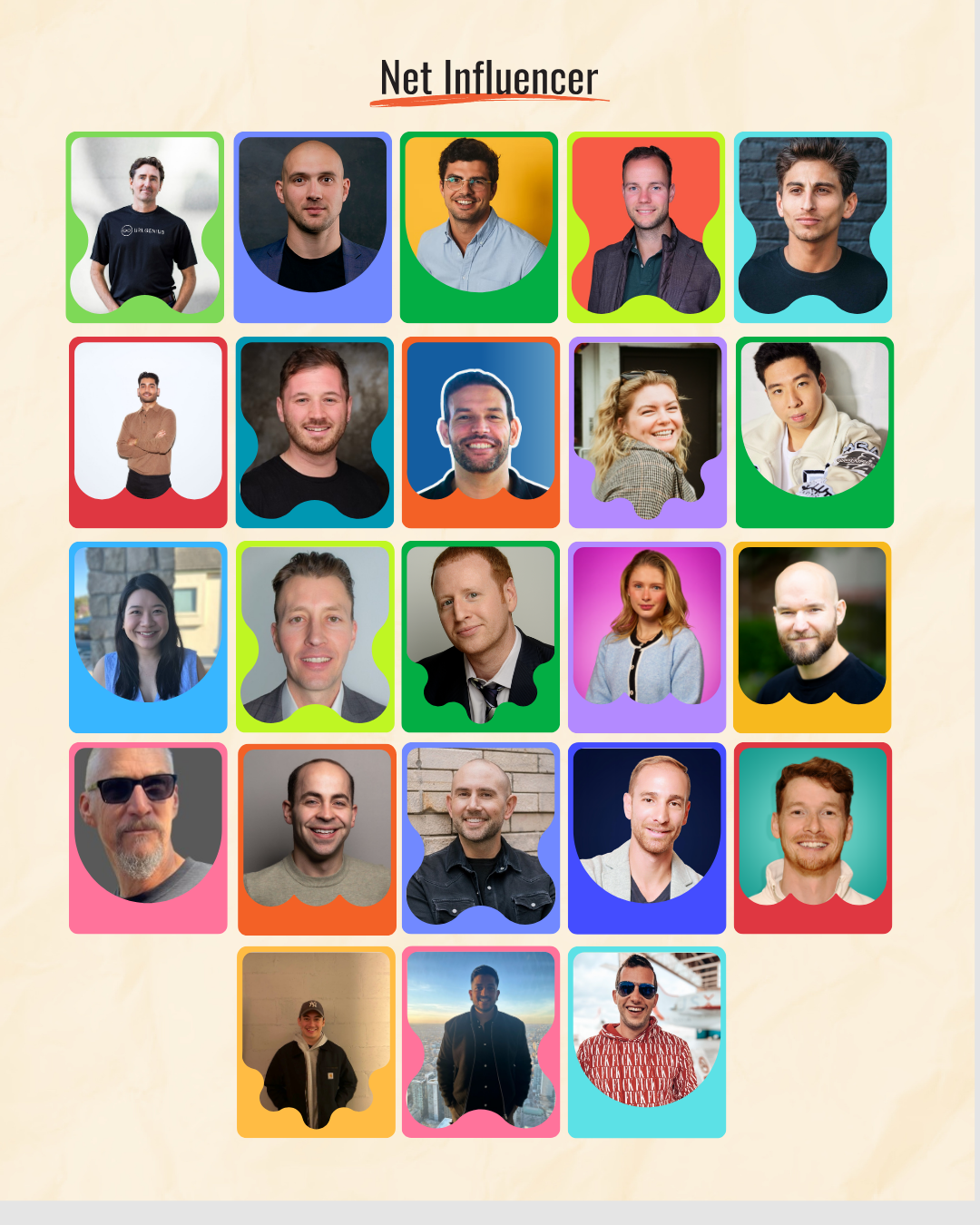
To examine how the market is responding, we asked 23 executives across agencies, talent firms, creator platforms, and marketing tech companies whether fan attention follows, fragments, or expands when creators move into streaming.
These Netflix-style 360 deals are a reminder that creator distribution is now a variable, not a guarantee. If your long-term creator partnership is anchored to YouTube, you’re effectively underwriting a channel you don’t control, with data you may not be able to access once content rights and viewing behavior shift to streaming.
The practical move for agencies is to write contracts that treat distribution changes like a known failure mode. Assume the “primary platform” can flip mid-term and design measurement that still works: require portable tracking infrastructure, owned endpoints, and link-level instrumentation that can follow the audience wherever they go.
Because when attention fragments, attribution breaks silently. Dashboards look fine while conversion and continuity degrade in the background. The fix is to separate the creator’s value from the platform’s analytics. Build a measurable layer you own (smart links, clean routing, consistent UTMs, landing experiences) so a shift from YouTube to Netflix changes where discovery happens, not whether you can prove ROI. Multi-year creator deals should be platform-flexible by design, or they become blind bets.
It depends on one variable: is the creator a face or a brand?
Humans are ancient, trust-wired creatures. We followed storytellers around fires long before screens existed. When a creator’s face is the product, attention migrates with them – not with the platform. We followed musicians through label switches, actors through studio wars. A streaming deal doesn’t break that bond. It just relocates it temporarily.
Faceless channels are a different game. There, the audience is bonded to visual identity – colors, format, tone. That IP can transfer more cleanly, because there’s no person to miss. The real risk isn’t attention migration. It’s engagement erosion.
When a creator moves into co-produced library content, they lose the feedback loop – comments, polls, replies, and community posts. That loop is the relationship. Strip it away, and the trust slowly leaches out, regardless of platform.
So for agencies and brands structuring deals today, the non-negotiable clause isn’t about exclusivity or distribution windows. It’s about preserving the creator’s right – and obligation – to keep talking directly to their audience. The content can live anywhere. The conversation has to stay alive.
These streamer 360 deals don’t automatically move a YouTube audience, they usually split it. The streaming series becomes a tentpole moment, but the day-to-day relationship still lives where fans can follow for free and interact constantly. On the streamer, the creator is basically renting attention: discovery and measurement sit inside a walled garden, with less portable data and fewer direct feedback loops than on YouTube.
For brands, that means two different value pools: premium lean-back viewing on the streamer, and high-frequency, high-signal engagement where the creator’s community actually “lives.” And for agencies on multi-year deals, you have to clause for a distribution pivot: make deliverables platform-agnostic, include a re-opener if primary distribution changes, require cross-promo back to the home channel, and lock in what data and reporting you’ll still get if the creator’s biggest content shifts mid-contract.
The ownership question is the one nobody in these deals is answering clearly. When a creator’s best content starts living on Netflix, the YouTube channel becomes a marketing channel for someone else’s library. Brands that built partnerships around that YouTube audience are now funding discovery for a platform they have no relationship with. The smart agencies are already building platform-agnostic clauses and audience-retention benchmarks into contracts. But most aren’t. And the creators signing 360 deals without thinking about what happens to their direct fan relationship mid-contract are trading long-term equity for short-term validation.
The risk with these 360 streaming deals isn’t that YouTube stops mattering. It’s that brands keep structuring creator partnerships as if distribution is stable. When a creator’s tentpole content moves to Netflix, the relationship doesn’t disappear, but the signal does. You may still get attention, but you can lose the data you need to prove what that attention actually did. And without that, you cannot optimize, scale, or justify a multi-year spend.
You should plan for attention to split. Some audiences will follow the creator anywhere, some will stay with YouTube, and some will only show up when the format fits. But the bigger issue is ownership. If the “home base” content lives inside a walled garden, the brand is renting access and guessing at outcomes. Agencies should price that reality up front. Multi-year contracts need distribution-shift clauses, clear usage rights, and measurement fallbacks that don’t depend on one platform’s reporting. And compensation should tie to outcomes that survive platform changes: lift, CAC, incrementality, qualified demand. Not just views.
This is the difference between a creator partnership and a content buy. If you cannot measure it, you cannot manage it.
The move toward multi-year, multi-platform creator deals is exciting, but it raises a question on the brand side about where the audience relationship actually lives. We’re navigating this with creators on our roster right now. When a creator posts a new video on YouTube, we see comments like “my show is on” within seconds from subscribers with notifications turned on, and that comment tells you everything. This audience treats creator content as appointment viewing, and the humor lands because it’s shared context within a community the creator built. Hundreds of likes follow because the audience gets it. That engagement lives inside the creator’s ecosystem, not a reaction post on Threads or X waiting for an algorithm to decide who sees it.
That’s what brands are buying into on a creator’s home platform. It’s direct, community-driven, and the creator controls the space. When a creator moves into a platform-owned deal, the context shifts. The deals are bigger, there’s legitimacy in having a production team behind you, and the creator brings a portion of their audience along while gaining access to a new one. But they’re no longer controlling every aspect.
I believe there’s a common fear around this that doesn’t match what we are actually seeing. From our experience managing $60M+ in YouTube sponsorships over the past eight years, audiences are not cannibalizing platforms. A creator signing a Netflix deal is not taking their YouTube audience somewhere else. They are opening a door to a completely different audience that probably would have never found them on YouTube.
Think of it as syndication, not migration. The creator built their community on one platform and now has the opportunity to reach new people through a different format. That’s not a threat to brands, that’s a proof of growth.
For brands with long-term creator partnerships on YouTube, the core relationship stays there. The watch time, the integration format, the trust, the data, all remains. What changes is that the creator now has a bigger name and wider reach, which makes the YouTube partnership even more valuable.
I believe the real question is not “how do we protect against distribution shifting” but “how do we help creators and brands benefit from this expansion.” More platforms, more money, healthier ecosystem.
Audience attention splits due to user friction on distribution fragmentation, especially in this case, with completely different platforms, content, and user consumption behavior. YouTube is like a video catch-all, often considered a social platform, but Netflix is a different category entirely.
What truly matters is that creators don’t own the relationship, regardless of who does, whether distribution includes streaming, TV, or whatever new platform pops up. What’s worse, data on streaming services is locked behind their walled gardens, lacking basic metrics available on YouTube and social media.
Then the right question is: “Does the creator OWN their audience relationship and infrastructure?” If so, creators can distribute content and reach their audiences directly, 1:1 on multiple channels, and stretch their content’s lifetime from days to months, insulated from the algo lottery.
When third-party distribution is treated as the means to convert rented attention into owned relationships, new distribution avenues become bonus value, rendering the original question a moot point. Streaming can even be leveraged as extra discovery platforms, where viewers often search talent and titles on Google and AI, making owned infrastructure optimized for discoverability on these channels a free, evergreen strategy to acquire new audiences.
It all comes down to the language in the contract. This industry (and several of its major platforms) didn’t exist 10 or 15 years ago. As agents, it’s our responsibility to ensure we’re mitigating risk and accounting for the next “breakthrough” platform or major shift in consumer consumption. Our talent look to us to ensure we’re able to forecast effectively, protect their content ownership, and ensure that any legally binding agreement is fair and explicitly calls out the platforms that brands are entitled to.
Like everything in life, there is a lot of nuance in this industry, when it comes to audience shift vs. migration, the answer is often dependent on the community and where they’re consuming content. If we’re speaking to loyal fans of a hyper-specific genre or niche, there may be more willingness to migrate. Alternatively, if we’re looking at the target consumer for a show like “Therapuss”, it’s more likely that this audience will split, with some staying loyal to the original platform, others being adopters of the new network, and a third group seeking connection from convenience (e.g. via third parties such as quick clips shared across TikTok and Instagram).
The assumption that these deals “move” audiences is off. They’re additive, not substitutive.
Platforms like Netflix and Tubi extend a creator’s catalog, while YouTube remains the core system for audience ownership, feedback loops, and distribution control. Attention doesn’t migrate, it splits across surfaces with different roles.
We’re actively working with creators who are excited to lean into long-term partnerships with traditional media companies, not as an exit from digital, but as a way to build more durable, multi-platform businesses.
The real risk isn’t losing audience, it’s losing visibility into that audience. To mitigate that, deals need to be structured with:
Platform-agnostic commitments: Tie deliverables to content output and audience reach, not a single platform. Owned channel continuity: Require consistent publishing and amplification on owned channels, even if premium content sits behind a platform. Data and ecosystem protection: Ensure creators maintain parallel content ecosystems where they control engagement, even if primary monetization shifts.
The creators who win treat streaming as catalog expansion, not a replacement. The mistake is underwriting a platform. The correct approach is underwriting a creator’s ability to maintain and redirect attention regardless of where the content lives.
Audience attention has and will always fragment across platforms. What matters is whether the creator has a direct relationship with their audience outside of any one platform. If the audience relationship lives entirely on a platform, neither the creator nor the brand truly owns it.
The creators who will win in this next phase are the ones using every platform (YouTube, streaming, social) as distribution, but consistently pulling their audience into channels they actually own, whether that’s email, community, or direct monetization touchpoints.
For brands and agencies, the focus should shift from “where is this content living?” to “does this creator own their audience?” That’s what ultimately determines long-term value and stability in any partnership.
For brands anchored to YouTube or any social platform, the real question isn’t whether creators are signing streaming deals – it’s whether they’re walking away from their owned channels. And they’re not. No creator who is successful today is going to trade that for a streaming deal, even if it is multi-platform. We’ve seen versions of this before (example is Ninja’s moving away from Twitch), while those may have worked financially for the creator, they didn’t necessarily contribute to long-term relevance, community, or audience growth.
Creators may build programming for a streamer in a co-production model, but if they have a genuine connection with their audience, they’ll keep building that on YouTube or Instagram or their core platform. The brands that should be paying attention are the ones who’ve been slow to invest in creator partnerships at all because if your strategy depends on channels or creators without strong audience connection, that’s where the real risk lies.
Cable TV networks and streamers have been working with creators for two decades to varying degrees of success. For example, in 2006, DirecTV first launched Project MyWorld starring three high-profile MySpace talent and in 2015 Grace Helbig had a show on E! Entertainment. Viewership-wise, success on one platform does not guarantee success on another and there is art to identifying talent who can succeed on BOTH. In deal making, the real friction often lies in how two different parties who are each independently accustomed to owning the creative, the audience, and the brand relationships can come together in the spirit of a mutually beneficial partnership.
If executed properly, these partnerships can be extremely additive for all involved, helping to expand reach, grow audiences, and drive more brand value. Talent needs to be carefully identified and collaboration prioritized or the partnership will be short-lived as many have been thus far. That said, it’s unlikely that a creator’s digitally-native audience will entirely migrate to the network/streamer – and equally unlikely that the creator will feel fulfilled creatively filming 10-13 episodes per year, so it’s hard to imagine a creator using one of these opportunities to entirely shift their model.
The move from YouTube to “prestige” streaming like Netflix or Hulu is amazing for creators, but it can (and does) change the tone for brand deals. Usually, the audience doesn’t just leave YouTube; they fragment. They’ll watch the high-budget series for the plot, but they’re still hitting the comments on the YouTube creator-owned channel for the “real” connection. The creator still owns the community, even if Netflix owns the data.
For strategists, we have to stop gatekeeping the “old way” of doing things. We should be building deals that are not platform-agnostic but focus on the creator’s “main character” energy all over social rather than just one channel’s views. That being said, an exit clause is never a bad idea. You need a way to cut and pivot if the creator’s YouTube output dips because they’re too busy on set or start to feel unaligned with the brand messaging due to their new opportunity.
An expanded audience is always a win, but not if the chosen creator’s core community starts to feel like they are coming in second to their new, off-platform, fans.
What we’re seeing isn’t a simple shift from one platform to another, audience attention tends to spread across both. Some fans will follow the creator, others will stay where they are, and some will engage across platforms, which can ultimately expand the overall audience if the partnership is the right fit. For ownership, audiences don’t build parasocial relationships with platforms, they build them with people. A streamer is essentially renting that attention for a period of time. The creator-audience relationship remains with the creator, but it’s not something they own outright, it’s something they have to continually earn by creating content their fans care about.
This has always been a struggle. From 2016-2019 you saw YouTube, Twitch, Facebook Gaming and Myxer spend hundreds of millions moving top 1% creators from one platform to another – usually with a significant drop-off in audience, and a net loss to everyone except the creators’ bank balance. The unicorn in all of this is MrBeast. Jimmy can do no wrong. Start more YouTube channels … grow. Show on Amazon Prime … grow. But like all unicorns, they are extremely rare. Creators absolutely take advantage of their opportunities, as with other talent industries (movies, TV, sports), it rarely lasts forever, so be smart financially while you can.
Now for the brand. Please understand the risk/reward in thinking you’ve found a unicorn. Look at history, do the math, understand what the drop-off is most likely going to be, and if you can do that profitably, then make the deal, if not; don’t chase the rabbit, live to fight another day, find the talent that will move the needle for you. Be patient. You may come out ahead by NOT making the jump. Sometimes doing nothing is the smartest play.
We are in the beginning stages of the next phase of the maturation of the Creator Economy, where creators are beginning to evolve into self-contained production and media companies. This isn’t just limited to YouTube and Netflix, it is the rise of newsletter platforms like Substack and beehiiv, it is podcasts spanning both audio and video, it is the Tubi and TikTok deal, and so much more.
As creators and their content ecosystems expand and become increasingly complex, identifying the right creator partners and forging long-lasting relationships will become more and more important. As these creators continue to grow, it is very likely that their core audience will grow and move with them, and added distribution channels will present an ever-expanding opportunity for that audience to grow further.
Larger creators are turning into full-fledged media companies creating content across all platforms. The lines between social and streaming are blurring. Creators can access their existing audiences where they choose to consume their content, whether that’s YouTube or a streaming platform. These deals also allow for new audience exposure. As a brand, I would be working with a creator to better understand their upcoming productions and support those productions across all platforms vs. locking into any given platform. This also simplifies production for the creator as they can work with one partner for a given production across all means of distribution.
If the goal is to target specific audiences with platform-specific formats, the risk with streaming deals is low as streaming content is not likely to conflict with social content, but instead support the overall growth of the creator and their audience across all channels.
We are going to see an era now where creator partnerships look more like sponsorship deals with sports leagues than one-off social media posts. Brands are going to become the official sponsor of that creator’s entire ecosystem for that product category. Dude Perfect and BODYARMOR are a really interesting example of this where the two have a broader agreement, and the brand’s products show up pretty much everywhere in Dude Perfect’s content where a hydration beverage makes sense to be featured. The channels will mean less moving forward, and the categories of product will be what creators sell off in sponsorship deals.
At this stage, it is too early to predict which way this will go, so we should plan for both scenarios: one where primary distribution shifts, and one where it stays the same. And everything in between.
There is clear upside either way. Audiences anchored to YouTube are likely to remain there, while others may discover the content through Netflix after watching something else.
That creates an additional discovery route rather than a straight replacement. It is also a strong signal that YouTube is making a real impact. Overall, it is an exciting moment.
The first thing to understand is that audiences can’t be localized on one platform, and frankly they shouldn’t be.
We constantly push talent to build their presence across YouTube, TikTok, Instagram, Shorts, Substack – wherever their audience wants to find them. A creator with reach across multiple platforms is significantly more valuable to a brand than one anchored to a single channel. On the ownership question, the platform provides the opportunity for attention. The creator builds it and retains it. The audience belongs to the talent, just spread across different places. Which brings you to the deal side. A creator’s commercial value isn’t just judged on the size of their audience; it’s judged on how widely that attention is spread. The more platforms, the more valuable the partnership.
As for Netflix acquiring YouTube content, it tells you everything. Streaming platforms are seeing the pull these creators have built and want a piece of it. And if an audience genuinely connects with someone, they will follow them wherever the content lives.
Most brands don’t have a creator strategy problem here, they have a control problem. When creators move into 360 deals with platforms like streaming services, the real shift is around who owns the audience relationship.
From what we’re seeing at Clicks Talent, attention doesn’t fully migrate, it splits. Audiences still stay connected to the creator’s own channels, but platform content changes how that creator is perceived and discovered. So for brands, relying on one platform in a long-term deal just doesn’t hold up anymore.
When we structure multi-year partnerships now, flexibility is key. We look at cross-platform deliverables, usage rights that aren’t locked to one channel, and making sure the creator keeps showing up consistently on their owned platforms. That way, even if distribution shifts, the brand still has continuity.
At the end of the day, platforms can host the content, but they don’t own the relationship, the creator does. If that connection stays strong, the partnership works. If it doesn’t, the rest of the deal becomes a lot less valuable.
The shift toward multi-year, cross-platform creator deals is fundamentally changing how value is defined in the Creator Economy. When talent moves from owned channels into co-produced ecosystems, the key question is no longer just reach – it’s ownership of audience relationships and data.
For brands and agencies, this introduces real structural risk. If a creator’s primary distribution shifts mid-contract, performance assumptions, attribution models, and even ROI benchmarks can become misaligned.
Ultimately, the strongest partnerships will be those that treat creators not just as media channels, but as long-term brand assets whose value extends beyond any single platform.
Cecilia Carloni, Interview Manager at Influence Weekly and writer for NetInfluencer. Coming from beautiful Argentina, Ceci has spent years chatting with big names in the influencer world, making friends and learning insider info along the way. When she’s not deep in interviews or writing, she's enjoying life with her two daughters. Ceci’s stories give a peek behind the curtain of influencer life, sharing the real and interesting tales from her many conversations with movers and shakers in the space.






Netflix’s push into creator-led programming is moving from experimental licensing to Hollywood-style talent lockups. After signing YouTube stars like Ms. Rachel, Mark Rober, Alan Chikin Chow, The Sidemen, and Salish and Jordan Matter, the streaming platform is now pursuing multi-year, multi-project agreements spanning scripted, unscripted, animation, consumer products, and live experiences. Netflix executives have framed YouTube as a proving ground for talent development, with co-CEO Ted Sarandos previously describing the platform as a “farm league.”
That development creates a new set of commercial questions for marketers and agencies that have built long-term partnerships around creators’ owned YouTube ecosystems. YouTube offers open feedback loops, public engagement signals, direct links, and relatively transparent performance data. Streaming platforms offer larger budgets and global distribution, but keep audience behavior, retention, and attribution inside closed systems.
To examine how the market is responding, we asked 23 executives across agencies, talent firms, creator platforms, and marketing tech companies whether fan attention follows, fragments, or expands when creators move into streaming.
Brian Klais, CEO & Founder, URLgenius
These Netflix-style 360 deals are a reminder that creator distribution is now a variable, not a guarantee. If your long-term creator partnership is anchored to YouTube, you’re effectively underwriting a channel you don’t control, with data you may not be able to access once content rights and viewing behavior shift to streaming.
The practical move for agencies is to write contracts that treat distribution changes like a known failure mode. Assume the “primary platform” can flip mid-term and design measurement that still works: require portable tracking infrastructure, owned endpoints, and link-level instrumentation that can follow the audience wherever they go.
Because when attention fragments, attribution breaks silently. Dashboards look fine while conversion and continuity degrade in the background. The fix is to separate the creator’s value from the platform’s analytics. Build a measurable layer you own (smart links, clean routing, consistent UTMs, landing experiences) so a shift from YouTube to Netflix changes where discovery happens, not whether you can prove ROI. Multi-year creator deals should be platform-flexible by design, or they become blind bets.
Andrii Salii, YouTube Strategist, Andrii Salii Content
It depends on one variable: is the creator a face or a brand?
Humans are ancient, trust-wired creatures. We followed storytellers around fires long before screens existed. When a creator’s face is the product, attention migrates with them – not with the platform. We followed musicians through label switches, actors through studio wars. A streaming deal doesn’t break that bond. It just relocates it temporarily.
Faceless channels are a different game. There, the audience is bonded to visual identity – colors, format, tone. That IP can transfer more cleanly, because there’s no person to miss. The real risk isn’t attention migration. It’s engagement erosion.
When a creator moves into co-produced library content, they lose the feedback loop – comments, polls, replies, and community posts. That loop is the relationship. Strip it away, and the trust slowly leaches out, regardless of platform.
So for agencies and brands structuring deals today, the non-negotiable clause isn’t about exclusivity or distribution windows. It’s about preserving the creator’s right – and obligation – to keep talking directly to their audience. The content can live anywhere. The conversation has to stay alive.
Nicolas Bon, CEO, Clark Influence
These streamer 360 deals don’t automatically move a YouTube audience, they usually split it. The streaming series becomes a tentpole moment, but the day-to-day relationship still lives where fans can follow for free and interact constantly. On the streamer, the creator is basically renting attention: discovery and measurement sit inside a walled garden, with less portable data and fewer direct feedback loops than on YouTube.
For brands, that means two different value pools: premium lean-back viewing on the streamer, and high-frequency, high-signal engagement where the creator’s community actually “lives.” And for agencies on multi-year deals, you have to clause for a distribution pivot: make deliverables platform-agnostic, include a re-opener if primary distribution changes, require cross-promo back to the home channel, and lock in what data and reporting you’ll still get if the creator’s biggest content shifts mid-contract.
Tobias Hoss, Senior Advisor, TopFan
The ownership question is the one nobody in these deals is answering clearly. When a creator’s best content starts living on Netflix, the YouTube channel becomes a marketing channel for someone else’s library. Brands that built partnerships around that YouTube audience are now funding discovery for a platform they have no relationship with. The smart agencies are already building platform-agnostic clauses and audience-retention benchmarks into contracts. But most aren’t. And the creators signing 360 deals without thinking about what happens to their direct fan relationship mid-contract are trading long-term equity for short-term validation.
Yehuda Neuman, SVP, Applied AI and Innovation, PartnerCentric
The risk with these 360 streaming deals isn’t that YouTube stops mattering. It’s that brands keep structuring creator partnerships as if distribution is stable. When a creator’s tentpole content moves to Netflix, the relationship doesn’t disappear, but the signal does. You may still get attention, but you can lose the data you need to prove what that attention actually did. And without that, you cannot optimize, scale, or justify a multi-year spend.
You should plan for attention to split. Some audiences will follow the creator anywhere, some will stay with YouTube, and some will only show up when the format fits. But the bigger issue is ownership. If the “home base” content lives inside a walled garden, the brand is renting access and guessing at outcomes. Agencies should price that reality up front. Multi-year contracts need distribution-shift clauses, clear usage rights, and measurement fallbacks that don’t depend on one platform’s reporting. And compensation should tie to outcomes that survive platform changes: lift, CAC, incrementality, qualified demand. Not just views.
This is the difference between a creator partnership and a content buy. If you cannot measure it, you cannot manage it.
Rick Bhatia, Partner, Sixteenth
The move toward multi-year, multi-platform creator deals is exciting, but it raises a question on the brand side about where the audience relationship actually lives. We’re navigating this with creators on our roster right now. When a creator posts a new video on YouTube, we see comments like “my show is on” within seconds from subscribers with notifications turned on, and that comment tells you everything. This audience treats creator content as appointment viewing, and the humor lands because it’s shared context within a community the creator built. Hundreds of likes follow because the audience gets it. That engagement lives inside the creator’s ecosystem, not a reaction post on Threads or X waiting for an algorithm to decide who sees it.
That’s what brands are buying into on a creator’s home platform. It’s direct, community-driven, and the creator controls the space. When a creator moves into a platform-owned deal, the context shifts. The deals are bigger, there’s legitimacy in having a production team behind you, and the creator brings a portion of their audience along while gaining access to a new one. But they’re no longer controlling every aspect.
Alan Kronik, VP Creators, ThoughtLeaders
I believe there’s a common fear around this that doesn’t match what we are actually seeing. From our experience managing $60M+ in YouTube sponsorships over the past eight years, audiences are not cannibalizing platforms. A creator signing a Netflix deal is not taking their YouTube audience somewhere else. They are opening a door to a completely different audience that probably would have never found them on YouTube.
Think of it as syndication, not migration. The creator built their community on one platform and now has the opportunity to reach new people through a different format. That’s not a threat to brands, that’s a proof of growth.
For brands with long-term creator partnerships on YouTube, the core relationship stays there. The watch time, the integration format, the trust, the data, all remains. What changes is that the creator now has a bigger name and wider reach, which makes the YouTube partnership even more valuable.
I believe the real question is not “how do we protect against distribution shifting” but “how do we help creators and brands benefit from this expansion.” More platforms, more money, healthier ecosystem.
Daniel Caldas, Founder, Caldas Ecom
Audience attention splits due to user friction on distribution fragmentation, especially in this case, with completely different platforms, content, and user consumption behavior. YouTube is like a video catch-all, often considered a social platform, but Netflix is a different category entirely.
What truly matters is that creators don’t own the relationship, regardless of who does, whether distribution includes streaming, TV, or whatever new platform pops up. What’s worse, data on streaming services is locked behind their walled gardens, lacking basic metrics available on YouTube and social media.
Then the right question is: “Does the creator OWN their audience relationship and infrastructure?” If so, creators can distribute content and reach their audiences directly, 1:1 on multiple channels, and stretch their content’s lifetime from days to months, insulated from the algo lottery.
When third-party distribution is treated as the means to convert rented attention into owned relationships, new distribution avenues become bonus value, rendering the original question a moot point. Streaming can even be leveraged as extra discovery platforms, where viewers often search talent and titles on Google and AI, making owned infrastructure optimized for discoverability on these channels a free, evergreen strategy to acquire new audiences.
Cheyenne Hayes, Head of Talent, Shine Talent Group
It all comes down to the language in the contract. This industry (and several of its major platforms) didn’t exist 10 or 15 years ago. As agents, it’s our responsibility to ensure we’re mitigating risk and accounting for the next “breakthrough” platform or major shift in consumer consumption. Our talent look to us to ensure we’re able to forecast effectively, protect their content ownership, and ensure that any legally binding agreement is fair and explicitly calls out the platforms that brands are entitled to.
Like everything in life, there is a lot of nuance in this industry, when it comes to audience shift vs. migration, the answer is often dependent on the community and where they’re consuming content. If we’re speaking to loyal fans of a hyper-specific genre or niche, there may be more willingness to migrate. Alternatively, if we’re looking at the target consumer for a show like “Therapuss”, it’s more likely that this audience will split, with some staying loyal to the original platform, others being adopters of the new network, and a third group seeking connection from convenience (e.g. via third parties such as quick clips shared across TikTok and Instagram).
Dylan Huey, CEO, REACH
The assumption that these deals “move” audiences is off. They’re additive, not substitutive.
Platforms like Netflix and Tubi extend a creator’s catalog, while YouTube remains the core system for audience ownership, feedback loops, and distribution control. Attention doesn’t migrate, it splits across surfaces with different roles.
We’re actively working with creators who are excited to lean into long-term partnerships with traditional media companies, not as an exit from digital, but as a way to build more durable, multi-platform businesses.
The real risk isn’t losing audience, it’s losing visibility into that audience. To mitigate that, deals need to be structured with:
Platform-agnostic commitments: Tie deliverables to content output and audience reach, not a single platform.
Owned channel continuity: Require consistent publishing and amplification on owned channels, even if premium content sits behind a platform.
Data and ecosystem protection: Ensure creators maintain parallel content ecosystems where they control engagement, even if primary monetization shifts.
The creators who win treat streaming as catalog expansion, not a replacement. The mistake is underwriting a platform. The correct approach is underwriting a creator’s ability to maintain and redirect attention regardless of where the content lives.
Jo Wong, Chief Revenue Officer, POP.STORE
Audience attention has and will always fragment across platforms. What matters is whether the creator has a direct relationship with their audience outside of any one platform. If the audience relationship lives entirely on a platform, neither the creator nor the brand truly owns it.
The creators who will win in this next phase are the ones using every platform (YouTube, streaming, social) as distribution, but consistently pulling their audience into channels they actually own, whether that’s email, community, or direct monetization touchpoints.
For brands and agencies, the focus should shift from “where is this content living?” to “does this creator own their audience?” That’s what ultimately determines long-term value and stability in any partnership.
Nick Jacklin, President of Business Development, Shorthand Studios & Partner, Underscore Talent
For brands anchored to YouTube or any social platform, the real question isn’t whether creators are signing streaming deals – it’s whether they’re walking away from their owned channels. And they’re not. No creator who is successful today is going to trade that for a streaming deal, even if it is multi-platform. We’ve seen versions of this before (example is Ninja’s moving away from Twitch), while those may have worked financially for the creator, they didn’t necessarily contribute to long-term relevance, community, or audience growth.
Creators may build programming for a streamer in a co-production model, but if they have a genuine connection with their audience, they’ll keep building that on YouTube or Instagram or their core platform. The brands that should be paying attention are the ones who’ve been slow to invest in creator partnerships at all because if your strategy depends on channels or creators without strong audience connection, that’s where the real risk lies.
Alec Shankman, Founder & CEO, HeartRock Partners
Cable TV networks and streamers have been working with creators for two decades to varying degrees of success. For example, in 2006, DirecTV first launched Project MyWorld starring three high-profile MySpace talent and in 2015 Grace Helbig had a show on E! Entertainment. Viewership-wise, success on one platform does not guarantee success on another and there is art to identifying talent who can succeed on BOTH. In deal making, the real friction often lies in how two different parties who are each independently accustomed to owning the creative, the audience, and the brand relationships can come together in the spirit of a mutually beneficial partnership.
If executed properly, these partnerships can be extremely additive for all involved, helping to expand reach, grow audiences, and drive more brand value. Talent needs to be carefully identified and collaboration prioritized or the partnership will be short-lived as many have been thus far. That said, it’s unlikely that a creator’s digitally-native audience will entirely migrate to the network/streamer – and equally unlikely that the creator will feel fulfilled creatively filming 10-13 episodes per year, so it’s hard to imagine a creator using one of these opportunities to entirely shift their model.
Alexandra Beaton, Senior Influencer Strategist, AntiSocial
The move from YouTube to “prestige” streaming like Netflix or Hulu is amazing for creators, but it can (and does) change the tone for brand deals. Usually, the audience doesn’t just leave YouTube; they fragment. They’ll watch the high-budget series for the plot, but they’re still hitting the comments on the YouTube creator-owned channel for the “real” connection. The creator still owns the community, even if Netflix owns the data.
For strategists, we have to stop gatekeeping the “old way” of doing things. We should be building deals that are not platform-agnostic but focus on the creator’s “main character” energy all over social rather than just one channel’s views. That being said, an exit clause is never a bad idea. You need a way to cut and pivot if the creator’s YouTube output dips because they’re too busy on set or start to feel unaligned with the brand messaging due to their new opportunity.
An expanded audience is always a win, but not if the chosen creator’s core community starts to feel like they are coming in second to their new, off-platform, fans.
Jared Naylor, SVP, Audience Development & Publishing, Shorthand Studios
What we’re seeing isn’t a simple shift from one platform to another, audience attention tends to spread across both. Some fans will follow the creator, others will stay where they are, and some will engage across platforms, which can ultimately expand the overall audience if the partnership is the right fit. For ownership, audiences don’t build parasocial relationships with platforms, they build them with people. A streamer is essentially renting that attention for a period of time. The creator-audience relationship remains with the creator, but it’s not something they own outright, it’s something they have to continually earn by creating content their fans care about.
Keith Pape, CEO, YellowPike Media
This has always been a struggle. From 2016-2019 you saw YouTube, Twitch, Facebook Gaming and Myxer spend hundreds of millions moving top 1% creators from one platform to another – usually with a significant drop-off in audience, and a net loss to everyone except the creators’ bank balance. The unicorn in all of this is MrBeast. Jimmy can do no wrong. Start more YouTube channels … grow. Show on Amazon Prime … grow. But like all unicorns, they are extremely rare. Creators absolutely take advantage of their opportunities, as with other talent industries (movies, TV, sports), it rarely lasts forever, so be smart financially while you can.
Now for the brand. Please understand the risk/reward in thinking you’ve found a unicorn. Look at history, do the math, understand what the drop-off is most likely going to be, and if you can do that profitably, then make the deal, if not; don’t chase the rabbit, live to fight another day, find the talent that will move the needle for you. Be patient. You may come out ahead by NOT making the jump. Sometimes doing nothing is the smartest play.
Ari Berkowitz, Head of Creator Solutions, PMG
We are in the beginning stages of the next phase of the maturation of the Creator Economy, where creators are beginning to evolve into self-contained production and media companies. This isn’t just limited to YouTube and Netflix, it is the rise of newsletter platforms like Substack and beehiiv, it is podcasts spanning both audio and video, it is the Tubi and TikTok deal, and so much more.
As creators and their content ecosystems expand and become increasingly complex, identifying the right creator partners and forging long-lasting relationships will become more and more important. As these creators continue to grow, it is very likely that their core audience will grow and move with them, and added distribution channels will present an ever-expanding opportunity for that audience to grow further.
Scott Sutton, CEO, Later
Larger creators are turning into full-fledged media companies creating content across all platforms. The lines between social and streaming are blurring. Creators can access their existing audiences where they choose to consume their content, whether that’s YouTube or a streaming platform. These deals also allow for new audience exposure. As a brand, I would be working with a creator to better understand their upcoming productions and support those productions across all platforms vs. locking into any given platform. This also simplifies production for the creator as they can work with one partner for a given production across all means of distribution.
If the goal is to target specific audiences with platform-specific formats, the risk with streaming deals is low as streaming content is not likely to conflict with social content, but instead support the overall growth of the creator and their audience across all channels.
Keith Bendes, Chief Strategy Officer, Linqia
We are going to see an era now where creator partnerships look more like sponsorship deals with sports leagues than one-off social media posts. Brands are going to become the official sponsor of that creator’s entire ecosystem for that product category. Dude Perfect and BODYARMOR are a really interesting example of this where the two have a broader agreement, and the brand’s products show up pretty much everywhere in Dude Perfect’s content where a hydration beverage makes sense to be featured. The channels will mean less moving forward, and the categories of product will be what creators sell off in sponsorship deals.
Jake Kitchiner, Co-Founder, ChannelCrawler
At this stage, it is too early to predict which way this will go, so we should plan for both scenarios: one where primary distribution shifts, and one where it stays the same. And everything in between.
There is clear upside either way. Audiences anchored to YouTube are likely to remain there, while others may discover the content through Netflix after watching something else.
That creates an additional discovery route rather than a straight replacement. It is also a strong signal that YouTube is making a real impact. Overall, it is an exciting moment.
The only constant is change.
Chris J. Smith, Head of Agency, The Gold Studios
The first thing to understand is that audiences can’t be localized on one platform, and frankly they shouldn’t be.
We constantly push talent to build their presence across YouTube, TikTok, Instagram, Shorts, Substack – wherever their audience wants to find them. A creator with reach across multiple platforms is significantly more valuable to a brand than one anchored to a single channel. On the ownership question, the platform provides the opportunity for attention. The creator builds it and retains it. The audience belongs to the talent, just spread across different places. Which brings you to the deal side. A creator’s commercial value isn’t just judged on the size of their audience; it’s judged on how widely that attention is spread. The more platforms, the more valuable the partnership.
As for Netflix acquiring YouTube content, it tells you everything. Streaming platforms are seeing the pull these creators have built and want a piece of it. And if an audience genuinely connects with someone, they will follow them wherever the content lives.
Craig Vallado, Campaign & Influencer Manager, Clicks Talent
Most brands don’t have a creator strategy problem here, they have a control problem. When creators move into 360 deals with platforms like streaming services, the real shift is around who owns the audience relationship.
From what we’re seeing at Clicks Talent, attention doesn’t fully migrate, it splits. Audiences still stay connected to the creator’s own channels, but platform content changes how that creator is perceived and discovered. So for brands, relying on one platform in a long-term deal just doesn’t hold up anymore.
When we structure multi-year partnerships now, flexibility is key. We look at cross-platform deliverables, usage rights that aren’t locked to one channel, and making sure the creator keeps showing up consistently on their owned platforms. That way, even if distribution shifts, the brand still has continuity.
At the end of the day, platforms can host the content, but they don’t own the relationship, the creator does. If that connection stays strong, the partnership works. If it doesn’t, the rest of the deal becomes a lot less valuable.
Abraham Lieberman, CEO, Clicks Talent
The shift toward multi-year, cross-platform creator deals is fundamentally changing how value is defined in the Creator Economy. When talent moves from owned channels into co-produced ecosystems, the key question is no longer just reach – it’s ownership of audience relationships and data.
For brands and agencies, this introduces real structural risk. If a creator’s primary distribution shifts mid-contract, performance assumptions, attribution models, and even ROI benchmarks can become misaligned.
Ultimately, the strongest partnerships will be those that treat creators not just as media channels, but as long-term brand assets whose value extends beyond any single platform.
Subscribe to Our Newsletter
Check Out Our Podcast