Most brands say they want creator partnerships. Few have built the systems to make them work.
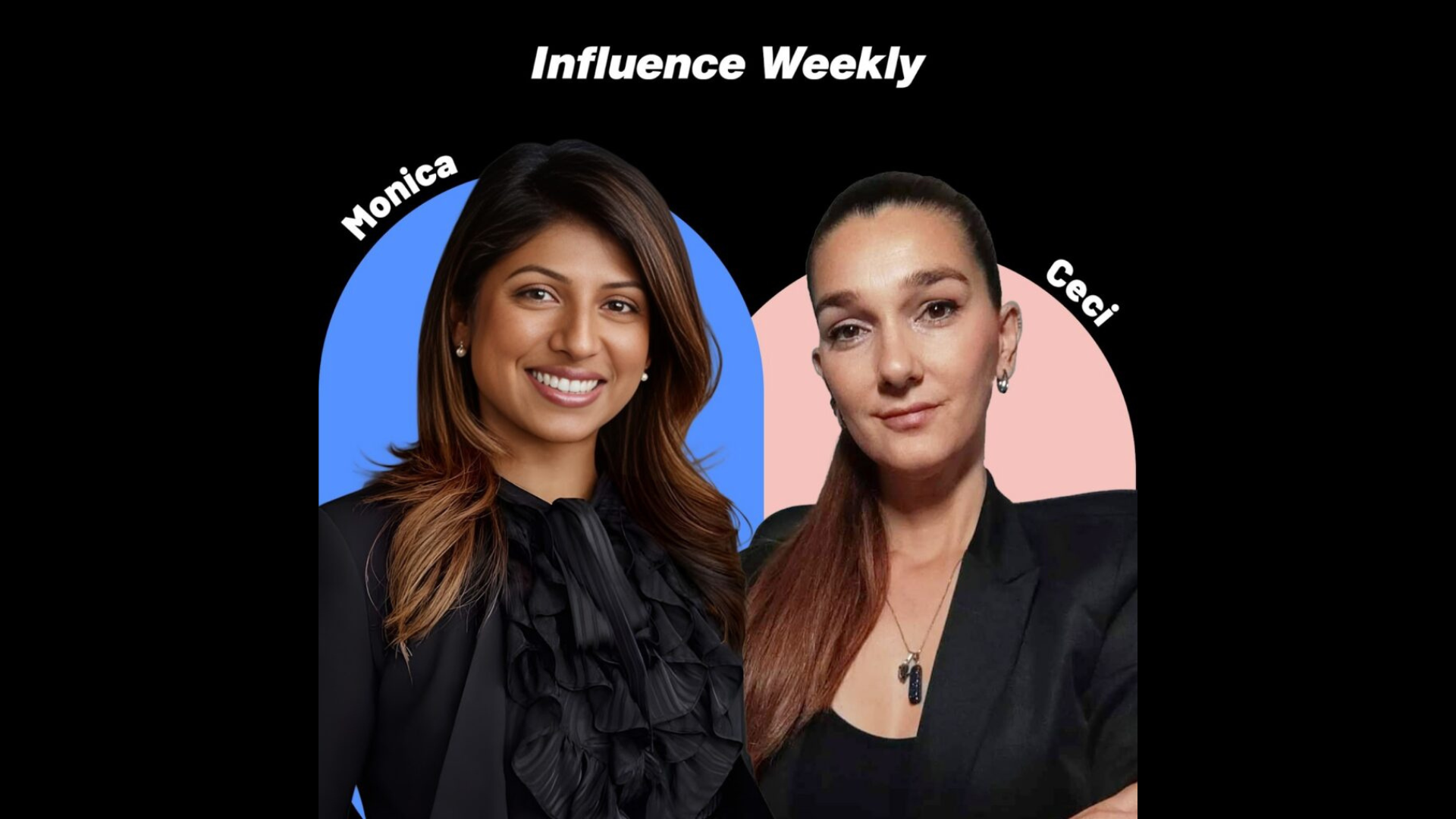
Monica Khan, founder and CEO of Creator Revolution, sat down with Net Influencer Senior Editor Ceci Carloni to explain why creator marketing keeps stalling inside companies, and what it takes to build programs that actually scale. Monica spent nearly six years at YouTube as a strategic partner manager, followed by roles at Meta and Spotter, where she founded the Creator Community as an early executive team member. She is now a senior advisor for McKinsey on creator strategy and manages talent, including Silicon Valley Girl (Marina Mogilko), while running Creator Revolution out of San Francisco.
The conversation covered measurement gaps, the campaign-versus-program divide, and why most companies are structurally unable to do creator partnerships right even when they want to.
1. Running Campaigns and Building Programs Are Not the Same Thing
The Creator Economy has a terminology problem. Brands say “creator program” and mean “campaign.” Monica draws a hard line between the two.
“When you’re thinking about it like a campaign, it feels very one-off,” she said. “There is no potential future promise of working with those creators again.”
A real creator program operates on an always-on mentality. The brand is continuously testing creators, identifying which ones perform, and building repeat partnerships with the best of them. It’s a learning machine, not a series of discrete launches.
The structure Monica describes looks like a pyramid. At the top are a handful of creators in longer-term residencies. Below them, a broader paid partnership tier. At the base, gifting, seeding, and affiliate relationships can be self-serve. Brands can build up and down that structure depending on goals and budget. Most never get past the middle tier because they haven’t committed to the infrastructure.
2. The Measurement Problem Is Real, But It’s Not Unsolvable
Monica believes brands love vanity metrics because they’re easy. Views, impressions, and engagement rates sit right there in the dashboard and invite comparison. The Creator Economy advisor argues that they tell only part of the story.
“The performance marketers are so excited about the vanity metrics because the data is right there,” she said. “But that never tells the full story of what the outcomes are that creators really drove.”
The fuller picture runs from awareness through consideration to conversion. When a creator posts multiple times for the same brand, the quality of comments changes. Audiences become familiar with the product. That familiarity reduces friction when it comes time to buy. UTM links capture some of it. Overall, site traffic lifts during creator campaigns can capture more.
Monica points out that YouTube content is evergreen. A video that underperforms in week one may accumulate views for years. Brands that evaluate creator performance on a 30-day window are measuring the wrong thing.
3. Over-Scripting Destroys the Value Brands Are Paying For
One of the most common ways brand partnerships break down has nothing to do with creator selection or pricing. It’s in the approval process.
“Companies are not set up internally to instill the creative freedom required,” Monica said. “A few talking points turn into completely revamping the script. It becomes a full-on script.”
What brands are paying for in a creator partnership is authenticity and audience trust. The creator has spent years building that. When the brand overwrites the creative to the point where the host voice disappears, the ad loses the thing that made it worth buying.
“Creators are not just creating content. They’re translating that message for their audience in a way that the audience will care about.”
That translation is a skill. It doesn’t survive committee review.
4. Creator Should Be a Cross-Functional Thread, Not a Marketing Silo
Creator marketing typically lives inside the influencer team. Monica argues that’s where it gets stuck.
“Paid often sits with growth. It doesn’t sit with social and influencer,” she said. “But those teams should be talking to each other.”
Paid media should be boosting content from high-performing creators. Product teams should be reading creator comment sections for user feedback. Sales leadership should understand that creator partnerships drive revenue, not just awareness. When those conversations don’t happen, the influencer team optimizes for metrics that only one function cares about.
“Creator should be a cross-functional thread,” Monica said. “This is the new operating system.” Companies that build creator into how their whole business runs will be better positioned than those treating it as a marketing line item.
5. What Breaks First When Creator Programs Start to Scale
When creator programs do get built, they tend to collapse predictably. It’s not creator performance. It’s headcount.
“The team that’s super bought into creator and then maybe some of the key stakeholders move on,” Monica said. “Continuity is hard for a playbook and space that is very new.”
Institutional knowledge in creator marketing doesn’t transfer cleanly. The person who built the relationships, understood which creators perform for which goals, and knew how to navigate the approval process often takes that knowledge with them when they leave. The next team starts from scratch.
Monica’s fix is documentation and playbook development. Companies need to systematize what they’ve learned so it survives personnel changes. That’s harder than it sounds in a space where best practices are still being written.
6. Creators Want More Than a Check. Brands That Get That Have an Edge.
The supply side of the creator market is getting crowded. More brands are reaching out. Creators are becoming more selective. That changes what it takes to win a partnership.
“Creators want brands to give a damn about them beyond just partnering with them,” Monica said. “They see them as humans and as real professionals.”
The brands gaining an edge are offering more than payment. Events that bring creators together. Promotion of creator content on brand channels. Visibility and exposure that help the creator grow. These aren’t expensive. But they signal that the brand sees the creator as a partner rather than a vendor.
Monica also flags a structural tension: creators are increasingly launching their own products and competing directly with the brands they’ve promoted. Brands that build genuine relationships early are better positioned to navigate that dynamic when it arrives.
7. The Brands That Win Will Build Infrastructure Now
Monica’s long-game argument is about infrastructure versus opportunism. Brands that treat creator marketing as a campaign-by-campaign decision will always be reacting. Brands that build the system now will be positioned to tap into wherever culture moves next.
“Once you have the system, you’re better positioned to tap into it in the always-on mentality,” she said.
She also sees brands becoming content creators themselves. Companies building studios, funding original creator series, and co-developing content that lives on brand channels. The brands that have spent years learning how creators operate will be the ones who know how to do that well.
“Storytelling is the area that people and organizations need to be focusing on,” Monica said. “Creators are doing the best at this right now, and the numbers don’t lie.”
The proof of concept already exists. Creators who built audiences are now launching brands, products, and media companies on the back of that trust. The question for traditional brands is how long they wait before building the same capabilities.
Listen to the full conversation on “The Big Three” podcast.
Jonathan is a South African content creator, photographer and videographer with 25 years of experience in journalism and print media design. He is interested in new developments in AI content creation and covers a broad spectrum of topics within the creator economy.














Most brands say they want creator partnerships. Few have built the systems to make them work.
Monica Khan, founder and CEO of Creator Revolution, sat down with Net Influencer Senior Editor Ceci Carloni to explain why creator marketing keeps stalling inside companies, and what it takes to build programs that actually scale. Monica spent nearly six years at YouTube as a strategic partner manager, followed by roles at Meta and Spotter, where she founded the Creator Community as an early executive team member. She is now a senior advisor for McKinsey on creator strategy and manages talent, including Silicon Valley Girl (Marina Mogilko), while running Creator Revolution out of San Francisco.
The conversation covered measurement gaps, the campaign-versus-program divide, and why most companies are structurally unable to do creator partnerships right even when they want to.
1. Running Campaigns and Building Programs Are Not the Same Thing
The Creator Economy has a terminology problem. Brands say “creator program” and mean “campaign.” Monica draws a hard line between the two.
“When you’re thinking about it like a campaign, it feels very one-off,” she said. “There is no potential future promise of working with those creators again.”
A real creator program operates on an always-on mentality. The brand is continuously testing creators, identifying which ones perform, and building repeat partnerships with the best of them. It’s a learning machine, not a series of discrete launches.
The structure Monica describes looks like a pyramid. At the top are a handful of creators in longer-term residencies. Below them, a broader paid partnership tier. At the base, gifting, seeding, and affiliate relationships can be self-serve. Brands can build up and down that structure depending on goals and budget. Most never get past the middle tier because they haven’t committed to the infrastructure.
2. The Measurement Problem Is Real, But It’s Not Unsolvable
Monica believes brands love vanity metrics because they’re easy. Views, impressions, and engagement rates sit right there in the dashboard and invite comparison. The Creator Economy advisor argues that they tell only part of the story.
“The performance marketers are so excited about the vanity metrics because the data is right there,” she said. “But that never tells the full story of what the outcomes are that creators really drove.”
The fuller picture runs from awareness through consideration to conversion. When a creator posts multiple times for the same brand, the quality of comments changes. Audiences become familiar with the product. That familiarity reduces friction when it comes time to buy. UTM links capture some of it. Overall, site traffic lifts during creator campaigns can capture more.
Monica points out that YouTube content is evergreen. A video that underperforms in week one may accumulate views for years. Brands that evaluate creator performance on a 30-day window are measuring the wrong thing.
3. Over-Scripting Destroys the Value Brands Are Paying For
One of the most common ways brand partnerships break down has nothing to do with creator selection or pricing. It’s in the approval process.
“Companies are not set up internally to instill the creative freedom required,” Monica said. “A few talking points turn into completely revamping the script. It becomes a full-on script.”
What brands are paying for in a creator partnership is authenticity and audience trust. The creator has spent years building that. When the brand overwrites the creative to the point where the host voice disappears, the ad loses the thing that made it worth buying.
“Creators are not just creating content. They’re translating that message for their audience in a way that the audience will care about.”
That translation is a skill. It doesn’t survive committee review.
4. Creator Should Be a Cross-Functional Thread, Not a Marketing Silo
Creator marketing typically lives inside the influencer team. Monica argues that’s where it gets stuck.
“Paid often sits with growth. It doesn’t sit with social and influencer,” she said. “But those teams should be talking to each other.”
Paid media should be boosting content from high-performing creators. Product teams should be reading creator comment sections for user feedback. Sales leadership should understand that creator partnerships drive revenue, not just awareness. When those conversations don’t happen, the influencer team optimizes for metrics that only one function cares about.
“Creator should be a cross-functional thread,” Monica said. “This is the new operating system.” Companies that build creator into how their whole business runs will be better positioned than those treating it as a marketing line item.
5. What Breaks First When Creator Programs Start to Scale
When creator programs do get built, they tend to collapse predictably. It’s not creator performance. It’s headcount.
“The team that’s super bought into creator and then maybe some of the key stakeholders move on,” Monica said. “Continuity is hard for a playbook and space that is very new.”
Institutional knowledge in creator marketing doesn’t transfer cleanly. The person who built the relationships, understood which creators perform for which goals, and knew how to navigate the approval process often takes that knowledge with them when they leave. The next team starts from scratch.
Monica’s fix is documentation and playbook development. Companies need to systematize what they’ve learned so it survives personnel changes. That’s harder than it sounds in a space where best practices are still being written.
6. Creators Want More Than a Check. Brands That Get That Have an Edge.
The supply side of the creator market is getting crowded. More brands are reaching out. Creators are becoming more selective. That changes what it takes to win a partnership.
“Creators want brands to give a damn about them beyond just partnering with them,” Monica said. “They see them as humans and as real professionals.”
The brands gaining an edge are offering more than payment. Events that bring creators together. Promotion of creator content on brand channels. Visibility and exposure that help the creator grow. These aren’t expensive. But they signal that the brand sees the creator as a partner rather than a vendor.
Monica also flags a structural tension: creators are increasingly launching their own products and competing directly with the brands they’ve promoted. Brands that build genuine relationships early are better positioned to navigate that dynamic when it arrives.
7. The Brands That Win Will Build Infrastructure Now
Monica’s long-game argument is about infrastructure versus opportunism. Brands that treat creator marketing as a campaign-by-campaign decision will always be reacting. Brands that build the system now will be positioned to tap into wherever culture moves next.
“Once you have the system, you’re better positioned to tap into it in the always-on mentality,” she said.
She also sees brands becoming content creators themselves. Companies building studios, funding original creator series, and co-developing content that lives on brand channels. The brands that have spent years learning how creators operate will be the ones who know how to do that well.
“Storytelling is the area that people and organizations need to be focusing on,” Monica said. “Creators are doing the best at this right now, and the numbers don’t lie.”
The proof of concept already exists. Creators who built audiences are now launching brands, products, and media companies on the back of that trust. The question for traditional brands is how long they wait before building the same capabilities.
Listen to the full conversation on “The Big Three” podcast.
Subscribe to Our Newsletter
Check Out Our Podcast