The first half of 2026 reset the ground rules for creator marketing.
TikTok’s U.S. ownership dispute was resolved in February, moving the platform’s operations, data oversight, and recommendation algorithm under U.S. control, a shift advertisers are still tracking for its slower-moving effects on distribution and creator economics.
That reset coincided with a record pace of consolidation: the Creator Economy logged 70 M&A transactions in the first half of the year, up 23% from 2025, with media overtaking software as the leading category and non-endemic buyers including OpenAI, HubSpot, and eBay entering the market.
At the same time, AI tools are compressing the manual work of vetting, briefing, and reporting that once justified agency fees, raising questions about where value in the chain actually sits. Creator content now makes up 44% of paid media creative, according to CreatorIQ, and brands that have built measurement and rights infrastructure around it are pulling ahead of those that have not.
Strategies drafted in January were built for a different market than the one brands now operate in. With that in mind, we asked 50 professionals across agencies, platforms, and brand-side teams the same question: What is the one adjustment you would prioritize for the back half of 2026, and why that one over everything else competing for attention?
The one adjustment for the back half of 2026: stop buying reach and start building relationships you own.
The market shifted under everyone this year. A TikTok deal that rewrote the platform’s ownership. Record M&A that repriced the whole category. AI content flooding feeds and making rented attention cheaper and less trustworthy by the month. Every one of those trends points the same direction. Reach is getting commoditized. Ownership is getting more valuable.
If you set your creator strategy in January around campaign-level reach and CPM efficiency, you built for a market that no longer exists. The brands pulling ahead in the second half are converting creator activity into owned assets. Email capture, direct-to-fan channels, first-party data, recurring relationships that survive the next algorithm change or platform sale.
Why this one over budget, platforms, or partners: those are tactics inside a strategy. This is the strategy. When the platforms themselves are getting bought and sold, renting attention on them is the riskiest position in the market.
The shift is simple to say and hard to do. Treat every creator campaign as a way to build something you keep, not just something you rent.
The one change: stop paying for reach and start paying for outcomes. Every signal from the first half of 2026 points in the same direction. The TikTok deal closed in January, removing platform uncertainty, the last excuse for keeping creator strategy shallow and transactional. Record M&A shows acquirers now buying audiences themselves rather than creator tools, which means sophisticated capital has already repriced this industry around owned audiences and conversion. And with 79% of marketers increasing spend on generative AI content, impressions are now nearly free to manufacture, which makes them nearly worthless as a KPI. Paying for reach in 2026 is paying in counterfeit currency.
Practically: shift budget from flat fees to hybrid and commission structures, tie renewals to attributed revenue instead of engagement, and buy usage rights so proven content can run in paid, CTV, and retail media, which is where creator spend is growing fastest.
Small brands figured this out first, not because they’re smarter, but because they were never rich enough to afford vanity metrics. In the back half of 2026, the big budgets will finally be forced into the discipline the small ones always had.
Brands don’t need to look at their creator strategy as a social media platform bet; they should treat it like an evolving performance portfolio.
TikTok may have more certainty than it did six months ago, but the lesson from the deal is not that brands can go back to a single-platform mindset. Creator behavior is continuously shifting. Recent URLgenius survey data found that 29% of creators are TikTok Shop-first, but 27% have already diversified meaningfully or shifted away from TikTok, and 63% said they would move primarily to Instagram or YouTube if TikTok were disrupted.
Execution has changed too. Paid amplification is now part of the job, with 86% of creators running paid promotion. AI is also embedded in the workflow, with 47% using AI tools daily, but it raises real trust questions as synthetic content and AI-native competition grow.
So the adjustment is disciplined diversification: spread investment across creators, commerce destinations, and paid channels in ways that can be measured cleanly. ROI does not come from being everywhere or chasing the newest platform. It comes from knowing which paths actually drive action and conversion, then optimizing around them.
I think brands should shift focus from one-off, campaign-centric activations and move budget into fewer, always-on programs with longer term creator relationships that run through campaigns instead of beside them. The gap between what works and what brands do is wide: sustained partnerships generate roughly 70% higher engagement than one-offs, and 99% of teams running always-on programs rate them as effective.
The economics are what most teams get backwards because operating long-term tends to seem like the expensive option. But, it isn’t, roughly 71% of creators offer better rates for extended commitments and the fifth piece of content a creator makes ends up costing less than the first. They already know the product, the claims they can make, the tone, and what converted last time leading to shorter briefings, fewer revisions, and better quality content. Audiences clock it too because everyone can tell what a first-time script read sounds like.
A one-off buys you a post and some awareness but a partnership buys you context and recollection.
Lean into platforms like LTK and ShopMy first. I still believe strongly in the marketing rule of 7 because people usually need to see something several times before they buy. Affiliate-first platforms are one of the most efficient ways to get your product in front of a wide range of creators who are already talking about it authentically, without paying full price to find out who actually moves the needle. Then, as you head into Q4, use that real performance data to decide who’s earned a higher rate via a flat-fee partnership, especially for the creators you want positioning your Black Friday and holiday promotions. Let the data pick your best partners.
Stop treating creator briefs as one-size-fits-all.
The brands that struggled in the first half of 2026 largely made the same mistake: they briefed organic content using paid media logic, then wondered why it didn’t perform like either. For H2, separate your briefs. Creators who are building genuine community trust need different direction from those running paid amplification – and conflating the two undermines both.
The same thinking applies to talent strategy. There’s a temptation, especially when budgets are under scrutiny, to go all-in on volume at the nano end because the CPMs look attractive. But reach and resonance aren’t the same thing, and a portfolio of 100 creators with no strategic rationale won’t outperform a thoughtfully built mix. Think about who you’re actually trying to reach, then recruit talent accordingly.
And across all of it: stop letting vanity metrics set the agenda. Reach and impressions tell you what happened, not whether it mattered. The brands pulling ahead right now are the ones using data to make forward-looking decisions: which creators are actually moving sentiment, where they’re losing share of voice to competitors, what’s working before they scale it.
Stop asking every creator to be a performance marketer. The best (read: most effective) creator programs are built like a holistic portfolio, not betting individually in different lotteries. Different creators should be responsible for different outcomes, whether that’s awareness, credibility, community, trust, conversion … (I could go on and on and on). The brands winning in 2026 will measure success at the program level instead of expecting every individual partnership to hit identical KPIs. Creators and their performance are sisters, not twins.
We need to redefine what we think of as “creators”. Too often we see brands valuing impressions over content that’s actually impressive, meaning that the metrics we once dined out on are fast becoming false friends. The shift is from impressions-based creator metrics toward UGC/lived-experience content. I’m fascinated by the likes of Starbucks and Midi Health, who are using their employees and/or customers to create UGC for their feeds and social ad campaigns, engaging people in ways that are based in lived experience over brand messaging and capture a sincerity that no agency or in-house team could recreate. It’s a huge adjustment for many businesses because it demands being comfortable with a degree of risk and embracing the serendipity of what people truly think and experience.
The one adjustment brands should make is building a clear scale-up plan into every creator campaign.
Everyone talks about long-term creator partnerships, but the market still operates primarily through one-off deals. From what we see across hundreds of creators, even when content performs well, the typical next step is extending usage on the same video or booking another isolated post at roughly the same rate.
Brands should decide in advance what happens when a creator succeeds. That could mean a larger content package, increased compensation, a longer-term agreement, earlier access to campaigns, or a broader role across organic, paid, experiential, and product feedback.
The goal is not to retain every creator. It is to identify the right creators through testing and then meaningfully increase investment in the ones who prove they can perform. In the back half of 2026, brands that build a repeatable path from test to scaled partnership will get more value than those that continue treating every successful activation as another standalone transaction.
The strategies brands set in January were built for a world where search rankings and social virality were the finish line. That world has shifted. Consumers are increasingly bypassing traditional search entirely, turning to AI-powered engines to decide what to buy, where to go, and who to trust. And those engines don’t reward the loudest brands – they cite the most consistently talked about ones.
Creator content has quietly become the raw material powering those AI-generated answers. Yet most creator briefs still optimize for impressions and engagement, not for the conversational, question-answering format that large language models extract and surface.
The adjustment for the rest of 2026 is: elevate creators from a supporting tactic to a core component of your GEO strategy. Re-brief them around the specific questions buyers are typing into AI – comparison queries, use-case scenarios, the “best for X” moments. And pair that with the tools to show you where your brand is and isn’t showing up.
Because there isn’t a brand today that doesn’t need a GEO strategy. Creator strategy, content, social, and AI working together isn’t a nice-to-have anymore. It’s the foundation that determines whether your brand gets found at all.
A lot of brands participate in both “community campaigns” and “influencer campaigns”. For the back half of 2026, I’d love to see brands start to think about them together. One of the greatest “community” tools a brand has is their creator network and those creators’ connection to the brand or product’s community. Let’s start to see more “councils” created that include both creators (those community members with scale/reach) as well as those community leaders who may not have reach, but have logic, thought, understanding and have the pulse of the greater community in ways to improve the brand’s product features. Much like the focus groups of the past, these councils that include community leaders with and without reach have the ability to collect valuable data to improve product development, but also then act as a voice to and from the community, allowing the product to improve as well as the community be heard (goodwill, especially when they see their leaders speaking and the brand taking that into future development). We used to call it “integrated” marketing, but it’s become very siloed. Let’s start to change that going into 2027.
I think brands need to stop locking up 100% of their creator budgets at the beginning of the year. Instead, they should reserve a portion specifically for real-time opportunities.
Some of the best-performing creator content comes from moments that simply can’t be planned months in advance. A creator getting married, going on vacation, moving into a new home, having a baby, or even jumping on a trending conversation often creates a much more natural integration than a campaign that was mapped out six months earlier. Consumers connect with stories that feel authentic, and brands should be taking advantage of those moments.
To make this work, brands also need someone on their team whose job is to actively monitor trends and review creator pitches. Creators know what’s happening in their own lives and communities, and they’re often the first to spot opportunities that brands would never think of internally. So many great ideas are missed because there’s no budget left or no one reading those pitches.
The brands that will stand out are the ones willing to move quickly on the right opportunities.
Everyone’s talking about Instagram’s new Series feature. But I think most people are missing what it actually signals.
For years, creator marketing has followed the same playbook: Creator publishes a post. The brand gets content. The campaign ends. Everyone starts over.
This new “Series” feature feels like a shift away from that model. Instead of asking, “What should I post today?” creators are being encouraged to think, “What’s the next episode?”
Imagine a creator documenting their journey hiking the PCT, visiting every national park, or building out a van. Brands are still trying to sponsor a single post when they actually should be finding ways to become a recurring part of the story.
To me, that’s where creator marketing is headed. Less “one-offs” and more programming that audiences actually come back for.
One change: spend the back half of 2026 converting rented attention into an asset you keep.
Every strategy set in January optimized for reach on platforms you don’t control. Then a US TikTok deal repriced one of those platforms overnight, and a record M&A run repriced the audiences on top of them. Read those two events together, and they say the same thing: the market just put a number on audience ownership, and rented reach isn’t it.
So the adjustment isn’t which platform or how much budget. It’s where the attention lands. Run the same creator spend at a different endpoint: a first purchase, an email list, a subscriber base, a direct line to the people who showed up. If a campaign ends and all you’re holding is impressions, you rented. If it ends and you can reach those people again for free, you bought.
The brands that spend the next six months turning borrowed reach into owned channels are the ones holding an audience the next time a platform changes its terms.
Include a priority baseline criterion when vetting creators: Are they vendors or potential business partners? Do they own their audience and content distribution, or are they fully renting them from algorithm slot machines?
This isn’t a fringe bet anymore. The record M&A activity this year includes serious institutional capital, with agencies like CAA committing $250M to creators who operate like businesses, not talent limited to chasing virality that are hostage to the content hamster wheel. That’s a structural shift, not a trend.
The top creators worth partnering with are adapting to a market flooded with AI slop, where consistent organic reach is harder than ever. They are building email lists, communities, and owned monetization and content distribution instead of only chasing the algorithm and remaining fully dependent on it.
That difference shows up in what a brand actually gets. Creators selling standard content packages offer tickets for the algo lottery. Creators with owned infrastructure offer predictable distribution, including owned content channels and placements, 1:1 reach to qualified, segmented audiences, and cleaner measurement and attribution without the disruption caused by social platforms’ in-app browsers.
Brands still sourcing on algorithm-based distribution alone are betting against where the money is going.
In 2026, I think brands are trying to shift budget from reach to relationships. Specifically, converting one-off brand deals into creator retainers, and stop measuring success by impressions when the entire industry has moved past impressions or followers as a meaningful metric. The first half of 2026 gave us the US TikTok deal, record M&A across the Creator Economy, and continued unease over AI-generated content.
What all three of those events have in common is that they exposed how fragile a reach-based strategy actually is. A platform can change overnight, an agency can get acquired and shift its priorities, AI can flood a feed with content that looks like yours but was made in thirty seconds but ultimately what survives all three of those disruptions is not reach, it is the human-based relationships that “humans” have together. I believe the brands that spent the last three years building retainer and brand ambassador relationships with a small number of the right creators are the ones with resilient strategies right now. They have consistent voice, knowledge and respect across campaigns. They have creators who understand their brand deeply enough to catch nuance in a brief. They have talent they can call in a week when the market shifts and more importantly, they are not scrambling to re-vet a fresh roster of creators every quarter.
The brands still buying one-off deals for reach are running the same play they ran from 2020-2023. That play does not work in an institutional Creator Economy where Accenture Song owns Whalar and CAA + TPG are deploying a $250 million fund. The market has professionalized, creator budgets have to professionalize with it – or fall behind. My challenge to all brands would be, pick your five best creators, put them on retainer for 6-12 months and watch what happens in addition to your one-off testing.
If brands could make one adjustment to their creator strategy for the back half of 2026, it would be to spend more time understanding “how” a creator creates, not just “how” they convert. Too often, creators are selected because they have the right audience or strong performance metrics, only to receive a brief filled with rigid talking points, prescribed creative direction, and messaging that leaves little room for their actual voice. Brands will often say, “Make it feel organic,” or “Share it in your own words,” but the reality is that many briefs dictate nearly every aspect of the content. The result is an ad that feels more like a commercial than something a creator would genuinely post.
We’re also seeing reshoots become far more common than they should be. In many cases, the issue isn’t poor content from the creator, but rather that the content doesn’t match the brand’s vision, even when it aligns with the creator’s established style. If a brand hired that creator because of the way they naturally connect with their audience, why ask them to create content that looks and feels like everyone else’s?
Consumers are more ad-aware than ever. The content that performs best doesn’t feel like it was built from a script! It feels like a recommendation from someone they already trust. Brands that embrace creators’ unique storytelling styles instead of over-directing every deliverable will produce content that is more authentic, resonates more deeply with audiences, and ultimately drives stronger long-term results.
Brands need to stop using AI to generate net-new content and start using it to optimize the assets they already have. With audience unease around synthetic media peaking, consumer trust is firmly anchored in real human creators. The core mistake brands are making is treating those creator partnerships as disposable media buys.
Instead of prompting AI to make artificial posts, brands should use backend automation to adapt authentic creator footage. If you take a master video and instantly reframe it into native cuts tailored for specific subcultures like sports, fashion, or gaming, you maximize your asset yield. This shifts the strategy from chasing temporary campaign spikes to building long-term, owned fandoms. Going into the rest of 2026, the winner will not be the brand that produces the most synthetic content, but the one that scales human authenticity.
Build a pillar of your creator strategy for search. This includes AEO, SEO and social search. There’s a treasure trove of data out there for brands to understand what questions consumers are asking most, and in an age when they are turning to platforms like ChatGPT and TikTok first for discovery, your brand needs to have a strategy for how you are going to show up. We are pulling reports for partners right now that show the top creators being referenced by LLM in searches related to the category and that data is gold.
From a TikTok Shop POV, the platform is heavily prioritizing live, mainly auctions. We are seeing creators leaning more and more into this and TikTok is dedicating resources and traffic to this initiative. If I was a brand already going live and doing auctions, I would lean into this more and connect with top-performing creators in this space as live in itself is already being overlooked by brands.
Acadia’s point of view on the topic is three-fold:
Invest in Creator Allowlisting/Spark Ads – With the space more crowded than ever, we’re highly recommending making Allowlisting/Spark Ad usage a high priority in our Influencer/Creator agreements. The flexibility to utilize high performing organic creator content in our Advertising efforts is key.
Brief with Intention – We’re also recommending that our brands rethink the art of the brief to cover more ground. We’re often sending through 3-5 hook recommendations so that when we receive content, we’re able to find more flexibility in creator content use (whether it’s an organic post, or a paid media ad set for testing)
Break the Mold – In this age of attention, straight forward creator content won’t cut it. We’re expanding our creator networks into niche categories and working with creator partners who are able to share a message, but do so in a way that captures attention quickly and creatively.
The top adjustment brands should make to their creator strategy is to broaden how they think about working with creators. Not every partnership needs to be a content deal. Sometimes, the most ROI comes from having creators share your content with their audiences to see how it resonates. This is especially true coming out of the first half of the year, which was defined by chasing algorithms and creating content that latches onto every viral trend – an approach that demands a constant stream of new production and leaves teams in a cycle of never-ending content creation. In reality, brands already have high-quality content that never reaches its full potential. By finding new ways to activate creators, whether through collaboration, feedback, or distribution, brands can reach new audiences and shift their strategy from producing more content to creating more value from the content they already have.
Audiences can tell when a creator is introducing a brand for the first time versus recommending something they’ve genuinely lived with for months. In a year defined by platform uncertainty and AI-content fatigue, that trust gap is wider than ever.
There’s a practical upside too: creators reward loyalty. When you’ve invested in someone across multiple flights, the holiday content over-delivers: extra stories, organic mentions, EMV you didn’t pay for. That earned media is essentially owed to brands who showed up early. Build the relationship in the quiet months, and the loudest moment of the year takes care of itself. That’s why the shift I’d make is simple: start seeding holiday partnerships now.
Brands need to stop treating creators like billboards and start treating them like a sales channel. Flat-fee campaigns made sense when attribution was hard and creator content was mostly a brand awareness play. When you pay a flat fee with no revenue tracking, you’re not just risking wasted spend, you’re flying blind. You can’t identify your top performers, you can’t scale what works, and you’re incentivizing deliverables (a post, a story) instead of outcomes (customers, revenue).
Performance structures fix the incentive problem on both sides. Creators who convert more earn more, so they promote authentically and repeatedly rather than doing one contractual post and moving on. The brands who do this build a compounding channel instead of renting one-off impressions.
An adjustment brands should make is to close the feedback loop with creators (bonus points if you build it into the scope!)
Creators have a direct line to how audiences think, what they question and what is changing in culture, but brands often only ask them to deliver content. In the back half of 2026, brands should build creator feedback into the strategy itself, asking partners what they are hearing from their communities before, during, and after a campaign.
That feedback should go both ways. Once the work wraps, brands should share performance, audience response and key learnings with creators so both sides can improve the next round.
The strongest creator programs create a continuous exchange of insight between brands, creators and the communities they want to reach.
The one adjustment brands should make to their creator strategy for the back half of 2026 is treating creators less as a pure awareness channel and more as a “signal and testing engine” that feeds owned media and conversion systems.
High-volume “be everywhere” approaches still have a role, especially for lower-consideration or impulse-driven products. But even in those cases, the brands pulling ahead are capturing what is actually resonating in creator content and rapidly applying those insights to email, SMS, onsite experiences, and product messaging. Without that feedback loop, high-volume creator spend becomes increasingly inefficient.
For higher-consideration purchases the stakes are higher; undifferentiated creator content struggles as AI-generated material floods the market. In both scenarios, the priority shift is the same: stop treating creator activity as an isolated awareness play and start designing it to generate usable signals that improve the rest of the growth system.
This single change improves both efficiency and long-term performance, regardless of category.
Every shift this year widened the gap between who a creator is when you sign them and who they are mid-campaign. The TikTok deal reshuffled the platform overnight. Record M&A reshuffled the agency layer underneath you. And the unease over AI content means authenticity itself is now a moving target. A creator you cleared in January is not the same risk in August.
Most brands still vet once, at the top of the funnel, then assume nothing changes for six months. That was defensible in a stable market. It is not defensible in this one.
So move a slice of budget out of reach and into always-on monitoring. Reach is the easiest thing to buy and the least likely to hurt you. What hurts you is what a partner does after the contract is signed, and the headline you did not see coming. Verify continuously and you protect the whole partnership, not just the first post.
If I could recommend three adjustments for the second half of 2026, it would be:
Optimize for viewer trust, not marketing metrics. Start by focusing on viewership and retention. If people are not watching, nothing else matters. Forget subscribers, likes, or vanity metrics until you can consistently hold attention across videos.
Second, stop making static talking-head podcasts unless they deliver exceptional value. Most brands don’t need another conversation – they need action. Show your product, your people, your process, and your story. Film is a visual medium, so show instead of tell.
Finally, move budget toward creator partnerships. Give creators room to communicate in their own voice instead of forcing rigid scripts. Test multiple creators quickly, double down on the ones that drive results, and measure success by business outcomes, not engagement.
The market is shifting from the attention economy to the trust economy. Brands that earn trust through authentic storytelling and creator-led content will outperform those still optimizing for impressions alone.
Honestly? Stop treating creators like a media buy. For years the model’s been simple: pay a creator, get a post, check the numbers. That’s running out of gas. People can spot a paid placement instantly, and platforms keep messing with organic reach, so if you’re just renting attention, you’re starting from zero every time. The brands that win the back half of 2026 are the ones giving creators real skin in the game. Revenue share, a longer-term deal, actual ownership in the outcome, whatever that looks like for you. Once a creator’s invested in the result, not just the deliverable, the content itself gets better. You can tell the difference. This isn’t just a friendlier way to work together. It’s a smarter one. As the Creator Economy grows up, the brands who treat creators like actual partners are the ones building relationships that compound instead of resetting every quarter.
The one adjustment I would prioritize is moving from platform-led campaigns to long-term, creator-led partnerships.
After more than a decade of building a community of over 50,000 Filipino creators, I’ve learned that real influence is rooted in trust and genuine human relationships. Platforms, algorithms, and technologies may change overnight, but strong communities endure.
As AI makes content easier to produce, authenticity becomes even more precious. Brands should invest deeply in creators who share their values, bring them into the conversation earlier, and grow with them. Platforms will evolve, but trust will always move people.
The biggest adjustment brands should make for the second half of 2026 is to stop treating creators as campaign vendors and start building always-on creator ecosystems.
The market has changed too quickly for quarterly creator strategies. Between AI-generated content, platform shifts, and the acceleration of social commerce, the brands winning today are the ones that can activate hundreds of relevant creators in days, not weeks.
This isn’t about spending more budget – it’s about building the infrastructure to move faster. That means owning creator relationships, using AI to scale operations instead of creativity, and measuring business outcomes rather than just reach and engagement.
The second half of 2026 will reward brands that prioritize agility over perfection. In creator marketing, speed has become a competitive advantage.
The biggest adjustment brands should make is to stop treating creator content as a one-time organic post and start treating creators as paid media channels.
By putting paid media behind high-performing creator content – and distributing it directly through the creator’s handle – brands can preserve authenticity while adding precise targeting, guaranteed reach, and measurable performance.
For years brands have relied on in-feed creator collabs to point to the link in bio. That can work, but incorporating DM automations into creator collabs has so many benefits.
In addition to the reach + awareness of the in-feed post, the DM automation can drive meaningful traffic to your owned asset, which is then available for retargeting, and referenceable at later dates in the DM from the creator. It also adds another element of click tracking to creator collabs which can help the brand better understand true end to end analytics of how creator campaigns perform.
If brands make one adjustment to their creator strategy for the second half of 2026, it should be moving away from one-off creator partnerships and investing in long-term ambassador relationships instead. Strong creator partnerships are developed over time, giving creators the chance to understand a brand and produce content that feels authentic.
Brands should also think harder about usage rights because if you’re already paying creators to produce content, there’s little value in letting it live on a single social post before disappearing. That content should be working much harder across paid media, out of home, email, newsletters, retail and wherever else your audience spends time, because creating great content is only half the job and so we should be getting as much value from that investment as possible.
One final point is payment, because slow payment terms remain one of the biggest frustrations in Influencer Marketing. Brands that pay creators quickly build a reputation people actually want to work with, and that can be a bigger competitive advantage than the creative itself.
The first half of 2026 gave brands incredible opportunities to launch awareness campaigns around tentpole cultural moments such as the Winter Olympics, Coachella, and the FIFA World Cup. The second half of the year is all about turning that awareness into sustained momentum by prioritizing long-term partnerships with high-converting creators. Now is the time for brands to lock in creators for campaigns and activations that span the entire back-to-school and holiday shopping season. These ongoing partnerships feel more authentic to audiences, strengthen brand sentiment and affinity, and ultimately drive stronger performance and conversions.
The one adjustment brands should make to their creator strategies for the back half of 2026 is to move away from a one-size-fits-all approach across paid social platforms.
As platform dynamics continue to shift and AI-generated content becomes more prevalent, brands should prioritize real creators with distinct personalities and trusted audience relationships, then tailor how that content is developed, formatted, and amplified for each channel.
What works on TikTok may not translate directly to Instagram, YouTube, or another paid social environment. Each platform has its own audience behaviors, creative conventions, and signals of authenticity. Brands should preserve what makes a creator recognizable while adapting the execution to fit the platform rather than simply repurposing the same asset everywhere.
That also means securing usage rights upfront so strong creator content can be tested, optimized, and scaled across channels in the right format.
For the back half of 2026, the advantage will come from combining authentic creator voices with platform-specific creative and media strategies, not applying one creator playbook everywhere.
For the first half of 2026, the conversation around AI was largely defined by defense: how do we prevent misinformation, protect authenticity, and establish the right guardrails? Now, it’s time to change the power dynamic and leverage AI for what it does best: accelerating research and discovery, analyzing audience data, and improving partnership vetting. This will allow teams to focus on the uniquely human capabilities that fuel the creator economy: relationships, creativity, negotiation, and trust. The future will belong to teams that know how to combine the scale and speed of AI with the judgment and perspective of their people.
As unease and frustration over AI content mounts, users are prioritizing authenticity. That means every creator strategy should be built around long-term partnerships that demonstrate creators believe in and use the products they promote, rather than one-off collaborations that feel like cash grabs. Partnerships should feel authentically aligned for both the brand and the creator, giving creators multiple ways to tell the brand’s story through content that feels relatable, not overly polished. Brands also shouldn’t be afraid to lean into niches, where stories often feel more authentic and drive stronger engagement, even if they don’t resonate with a mass audience.
The one adjustment I’d make: invest in creativity and deeper creator partnerships.
As content becomes easier to produce and feeds become increasingly crowded, the differentiator is no longer volume, it’s the strength of the idea and the purpose behind it. Yet many brands still approach creator marketing campaign by campaign, cycling through new creators with each activation. The result is transactions rather than meaningful relationships.
The creators driving the most impact today aren’t simply serving as media placements. They’re becoming collaborators, storytellers, and trusted brand advocates. When creators have a genuine understanding of a brand and the freedom to develop a distinct creative point of view over time, the work becomes purposeful, memorable, and ultimately more effective.
In a marketplace where trust is increasingly difficult to earn, deeper partnerships foster creativity, consistency, credibility, and stronger audience connection. Rather than reach, let’s think more about what actual resonance takes.
The biggest adjustment brands should make in the back half of 2026 is moving away from one-off creator campaigns and investing in deeper, long-term partnerships. The creator landscape is more saturated than ever, and audiences can immediately tell when a partnership feels transactional. The brands seeing the strongest results are the ones giving creators the space to authentically integrate products into their content and building relationships that evolve over time.
Creators are not just distribution channels; they are trusted voices with deep audience insights. A longer-term approach allows brands to build credibility, learn what resonates, and create content that performs beyond a single post. In a market where AI-generated content is increasing and consumer trust is becoming harder to earn, authenticity will be the biggest competitive advantage.
Stop measuring creators like media placements, that’s the fix. The brands obsessing over reach and impressions are the ones getting caught off guard by every shift this year, TikTok, AI content, the M&A wave, all of it. Put budget behind real creator relationships, not one-off posts, because the ones who did that already are fine right now. Everyone else is scrambling.
If I could recommend one adjustment for the second half of 2026, it would be this: refine how you invest in creator ecosystems by placing greater value on the content engines that power them.
A creator ecosystem without engaging content is like owning a luxury car with no fuel. The infrastructure may be there, and the vehicle may look impressive, but it isn’t going anywhere. The most valuable investment a brand can make isn’t a single campaign. It’s investing in sustainable content engines that continuously fuel trust, community, and long-term brand value.
The brands winning today aren’t just funding campaigns. They’re helping creators build sustainable content engines across short-form video, live streaming, and community engagement. Those touchpoints work together to strengthen relationships and create ongoing value rather than one-time impressions.
As the Creator Economy matures, the conversation should shift from, “How many views did this campaign generate?” to, “How are we helping creators consistently deliver value to their communities?” Brands that make that adjustment won’t just see stronger marketing performance. They’ll build partnerships that remain relevant because they’re rooted in trust, consistency, and shared growth.
One thing I’d like to see for brands in the back half of 2026 is to prioritize creators who have earned real trust within niche communities, not just those with the largest reach. Once you’ve found those voices, the next step is just as important: trust them. Audiences can tell the difference between a creator sharing an authentic recommendation and one restating from an overly descriptive brand brief. The brands that embrace both community and creative freedom will build relationships that last well beyond a single campaign.
Consumer trust has evolved. Audiences can quickly tell when a partnership feels forced. Instead of trying to force products into a creator’s content, brands should invest in creators who are already using and advocating for their products.
In an evolving talent landscape increasingly influenced by AI, transitioning from transactional creator partnerships to long-term collaborations is becoming essential. Sustained relationships cultivate genuine audience trust and drive stronger, more consistent campaign performance. Rather than viewing creators purely as content producers, brands benefit most when leveraging them as strategic platform experts who understand audience nuances and platform-specific performance.
The most important shift for the second half of 2026 is breaking down the wall between creator partnerships and paid media. Winning brands will identify the creators who should tell their story through sponsorships while using creator-led advertising to scale that same message across thousands of relevant creator environments.
To cut through the noise in 2026, brands need to move past standard influencer campaigns and transition into true ambassador marketing. Instead of micro-managing creators with one-size-fits-all briefs, hand over the keys and give them full creative control over the story.
Audiences are completely numb to the current flood of generic, AI-generated content, but they immediately notice and trust genuine human perspectives. Shifting to long-term ambassador relationships, built on creative freedom rather than corporate control, is the only way to build real trust and stay relevant in a chaotic market.
A creator brief shouldn’t simply copy brand messaging. The real challenge is closing the creator translation gap: the space between what brands want to say and what audiences actually want to engage with.
The strongest creator work happens when there is a deeper translation process between brand ambition, consumer behavior and creator expertise. This means moving beyond vanity metrics and surface-level audience fit to identify the right creator voices, formats and human-first currents, where a brand message can genuinely belong.
This requires the right balance and investment between creator authenticity and creative expertise. Creators understand their communities better than anyone, but creative partners play an important role in shaping how a message can live naturally within a creator’s world, rather than interrupting it.
H2 2026 won’t be about creating more polished UGC or simply putting creators at the center of campaigns. It will be about expanding what creator-led work can look like: testing emerging platforms, formats, production and building experiences native to audience behaviors. It’s a shift we’re investing in at Buttermilk through a new platform launching soon, bringing creators and fans closer to the entertainment, talent and cultural moments they care about.
Marit Tiesema, Global Director of Influencer Marketing,
Shift your effort towards building community, both online and offline. Many brands are still sending a code and hoping for the best. Spend time on ongoing conversations, provide exclusive insights and perks, ask for their input, and bring them together in real life if you can. In a world of AI-generated everything and a growing loneliness epidemic, creators are craving connection and experiences more than ever. Truly caring should be the baseline, but is equally where you’ll now stand out.
One adjustment brands should make regarding their creator strategy during the back half of the year is adding in the flexibility to meet a creator where they are at. If a creator has proven data and is telling you how they think their content will perform best, you should listen. Creators (and their managers) know where their buyers are, and know where their best engagement comes from. If brands become more susceptible to creator feedback, are flexible with their scopes and briefs, they will start seeing much stronger results. Creators who feel heard are also more likely to overdeliver because they value the relationship with the brand.
Dragomir is a Serbian freelance blog writer and translator. He is passionate about covering insightful stories and exploring topics such as influencer marketing, the creator economy, technology, business, and cyber fraud.









The first half of 2026 reset the ground rules for creator marketing.
TikTok’s U.S. ownership dispute was resolved in February, moving the platform’s operations, data oversight, and recommendation algorithm under U.S. control, a shift advertisers are still tracking for its slower-moving effects on distribution and creator economics.
That reset coincided with a record pace of consolidation: the Creator Economy logged 70 M&A transactions in the first half of the year, up 23% from 2025, with media overtaking software as the leading category and non-endemic buyers including OpenAI, HubSpot, and eBay entering the market.
At the same time, AI tools are compressing the manual work of vetting, briefing, and reporting that once justified agency fees, raising questions about where value in the chain actually sits. Creator content now makes up 44% of paid media creative, according to CreatorIQ, and brands that have built measurement and rights infrastructure around it are pulling ahead of those that have not.
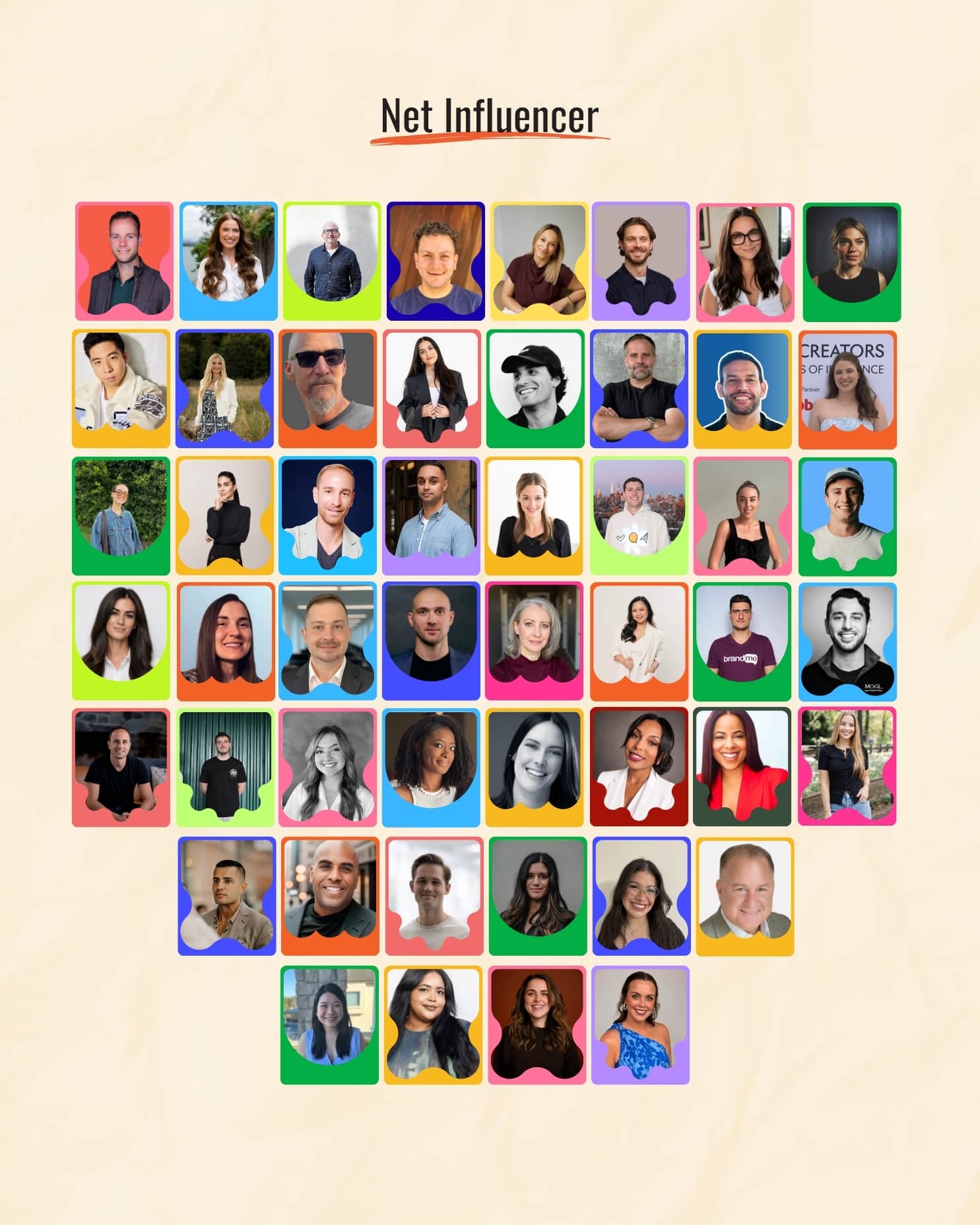
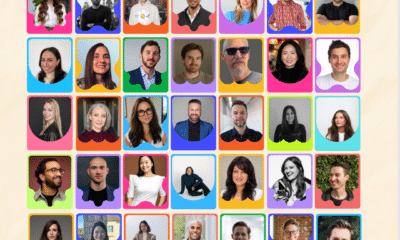
Strategies drafted in January were built for a different market than the one brands now operate in. With that in mind, we asked 50 professionals across agencies, platforms, and brand-side teams the same question: What is the one adjustment you would prioritize for the back half of 2026, and why that one over everything else competing for attention?
Tobias Hoss, Co-Founder & Senior Advisor, 30 Dishes, TopFan, Copyright Capital
The one adjustment for the back half of 2026: stop buying reach and start building relationships you own.
The market shifted under everyone this year. A TikTok deal that rewrote the platform’s ownership. Record M&A that repriced the whole category. AI content flooding feeds and making rented attention cheaper and less trustworthy by the month. Every one of those trends points the same direction. Reach is getting commoditized. Ownership is getting more valuable.
If you set your creator strategy in January around campaign-level reach and CPM efficiency, you built for a market that no longer exists. The brands pulling ahead in the second half are converting creator activity into owned assets. Email capture, direct-to-fan channels, first-party data, recurring relationships that survive the next algorithm change or platform sale.
Why this one over budget, platforms, or partners: those are tactics inside a strategy. This is the strategy. When the platforms themselves are getting bought and sold, renting attention on them is the riskiest position in the market.
The shift is simple to say and hard to do. Treat every creator campaign as a way to build something you keep, not just something you rent.
Kate Fleming, Director of Influencer Strategy, PartnerCentric
The one change: stop paying for reach and start paying for outcomes. Every signal from the first half of 2026 points in the same direction. The TikTok deal closed in January, removing platform uncertainty, the last excuse for keeping creator strategy shallow and transactional. Record M&A shows acquirers now buying audiences themselves rather than creator tools, which means sophisticated capital has already repriced this industry around owned audiences and conversion. And with 79% of marketers increasing spend on generative AI content, impressions are now nearly free to manufacture, which makes them nearly worthless as a KPI. Paying for reach in 2026 is paying in counterfeit currency.
Practically: shift budget from flat fees to hybrid and commission structures, tie renewals to attributed revenue instead of engagement, and buy usage rights so proven content can run in paid, CTV, and retail media, which is where creator spend is growing fastest.
Small brands figured this out first, not because they’re smarter, but because they were never rich enough to afford vanity metrics. In the back half of 2026, the big budgets will finally be forced into the discipline the small ones always had.
Scott Allan, Chief Marketing and Solutions Officer, URLgenius
Brands don’t need to look at their creator strategy as a social media platform bet; they should treat it like an evolving performance portfolio.
TikTok may have more certainty than it did six months ago, but the lesson from the deal is not that brands can go back to a single-platform mindset. Creator behavior is continuously shifting. Recent URLgenius survey data found that 29% of creators are TikTok Shop-first, but 27% have already diversified meaningfully or shifted away from TikTok, and 63% said they would move primarily to Instagram or YouTube if TikTok were disrupted.
Execution has changed too. Paid amplification is now part of the job, with 86% of creators running paid promotion. AI is also embedded in the workflow, with 47% using AI tools daily, but it raises real trust questions as synthetic content and AI-native competition grow.
So the adjustment is disciplined diversification: spread investment across creators, commerce destinations, and paid channels in ways that can be measured cleanly. ROI does not come from being everywhere or chasing the newest platform. It comes from knowing which paths actually drive action and conversion, then optimizing around them.
Nick Gasparyan, Brand Marketing & Activation, Strategic Growth Brand, Electronic Arts
I think brands should shift focus from one-off, campaign-centric activations and move budget into fewer, always-on programs with longer term creator relationships that run through campaigns instead of beside them. The gap between what works and what brands do is wide: sustained partnerships generate roughly 70% higher engagement than one-offs, and 99% of teams running always-on programs rate them as effective.
The economics are what most teams get backwards because operating long-term tends to seem like the expensive option. But, it isn’t, roughly 71% of creators offer better rates for extended commitments and the fifth piece of content a creator makes ends up costing less than the first. They already know the product, the claims they can make, the tone, and what converted last time leading to shorter briefings, fewer revisions, and better quality content. Audiences clock it too because everyone can tell what a first-time script read sounds like.
A one-off buys you a post and some awareness but a partnership buys you context and recollection.
Cailyn Medley, Founder, Vue Creator Management
Lean into platforms like LTK and ShopMy first. I still believe strongly in the marketing rule of 7 because people usually need to see something several times before they buy. Affiliate-first platforms are one of the most efficient ways to get your product in front of a wide range of creators who are already talking about it authentically, without paying full price to find out who actually moves the needle. Then, as you head into Q4, use that real performance data to decide who’s earned a higher rate via a flat-fee partnership, especially for the creators you want positioning your Black Friday and holiday promotions. Let the data pick your best partners.
Chris Davis, Managing Director, Hypetap
Stop treating creator briefs as one-size-fits-all.
The brands that struggled in the first half of 2026 largely made the same mistake: they briefed organic content using paid media logic, then wondered why it didn’t perform like either. For H2, separate your briefs. Creators who are building genuine community trust need different direction from those running paid amplification – and conflating the two undermines both.
The same thinking applies to talent strategy. There’s a temptation, especially when budgets are under scrutiny, to go all-in on volume at the nano end because the CPMs look attractive. But reach and resonance aren’t the same thing, and a portfolio of 100 creators with no strategic rationale won’t outperform a thoughtfully built mix. Think about who you’re actually trying to reach, then recruit talent accordingly.
And across all of it: stop letting vanity metrics set the agenda. Reach and impressions tell you what happened, not whether it mattered. The brands pulling ahead right now are the ones using data to make forward-looking decisions: which creators are actually moving sentiment, where they’re losing share of voice to competitors, what’s working before they scale it.
Hannah Lawrence, Director of Brand Strategy, The Digital Dept.
Stop asking every creator to be a performance marketer. The best (read: most effective) creator programs are built like a holistic portfolio, not betting individually in different lotteries. Different creators should be responsible for different outcomes, whether that’s awareness, credibility, community, trust, conversion … (I could go on and on and on). The brands winning in 2026 will measure success at the program level instead of expecting every individual partnership to hit identical KPIs. Creators and their performance are sisters, not twins.
Lotte Jones, Chief Commercial Officer, Caliber
We need to redefine what we think of as “creators”. Too often we see brands valuing impressions over content that’s actually impressive, meaning that the metrics we once dined out on are fast becoming false friends. The shift is from impressions-based creator metrics toward UGC/lived-experience content. I’m fascinated by the likes of Starbucks and Midi Health, who are using their employees and/or customers to create UGC for their feeds and social ad campaigns, engaging people in ways that are based in lived experience over brand messaging and capture a sincerity that no agency or in-house team could recreate. It’s a huge adjustment for many businesses because it demands being comfortable with a degree of risk and embracing the serendipity of what people truly think and experience.
Dylan Huey, Chief Executive Officer, REACH
The one adjustment brands should make is building a clear scale-up plan into every creator campaign.
Everyone talks about long-term creator partnerships, but the market still operates primarily through one-off deals. From what we see across hundreds of creators, even when content performs well, the typical next step is extending usage on the same video or booking another isolated post at roughly the same rate.
Brands should decide in advance what happens when a creator succeeds. That could mean a larger content package, increased compensation, a longer-term agreement, earlier access to campaigns, or a broader role across organic, paid, experiential, and product feedback.
The goal is not to retain every creator. It is to identify the right creators through testing and then meaningfully increase investment in the ones who prove they can perform. In the back half of 2026, brands that build a repeatable path from test to scaled partnership will get more value than those that continue treating every successful activation as another standalone transaction.
Jenny Kelly, Head of Content, Creator and AI, Deloitte Digital
The strategies brands set in January were built for a world where search rankings and social virality were the finish line. That world has shifted. Consumers are increasingly bypassing traditional search entirely, turning to AI-powered engines to decide what to buy, where to go, and who to trust. And those engines don’t reward the loudest brands – they cite the most consistently talked about ones.
Creator content has quietly become the raw material powering those AI-generated answers. Yet most creator briefs still optimize for impressions and engagement, not for the conversational, question-answering format that large language models extract and surface.
The adjustment for the rest of 2026 is: elevate creators from a supporting tactic to a core component of your GEO strategy. Re-brief them around the specific questions buyers are typing into AI – comparison queries, use-case scenarios, the “best for X” moments. And pair that with the tools to show you where your brand is and isn’t showing up.
Because there isn’t a brand today that doesn’t need a GEO strategy. Creator strategy, content, social, and AI working together isn’t a nice-to-have anymore. It’s the foundation that determines whether your brand gets found at all.
Keith Pape, CEO, YellowPike Media
A lot of brands participate in both “community campaigns” and “influencer campaigns”. For the back half of 2026, I’d love to see brands start to think about them together. One of the greatest “community” tools a brand has is their creator network and those creators’ connection to the brand or product’s community. Let’s start to see more “councils” created that include both creators (those community members with scale/reach) as well as those community leaders who may not have reach, but have logic, thought, understanding and have the pulse of the greater community in ways to improve the brand’s product features. Much like the focus groups of the past, these councils that include community leaders with and without reach have the ability to collect valuable data to improve product development, but also then act as a voice to and from the community, allowing the product to improve as well as the community be heard (goodwill, especially when they see their leaders speaking and the brand taking that into future development). We used to call it “integrated” marketing, but it’s become very siloed. Let’s start to change that going into 2027.
Shirel Benji, CEO & Founder, Creator Origin
I think brands need to stop locking up 100% of their creator budgets at the beginning of the year. Instead, they should reserve a portion specifically for real-time opportunities.
Some of the best-performing creator content comes from moments that simply can’t be planned months in advance. A creator getting married, going on vacation, moving into a new home, having a baby, or even jumping on a trending conversation often creates a much more natural integration than a campaign that was mapped out six months earlier. Consumers connect with stories that feel authentic, and brands should be taking advantage of those moments.
To make this work, brands also need someone on their team whose job is to actively monitor trends and review creator pitches. Creators know what’s happening in their own lives and communities, and they’re often the first to spot opportunities that brands would never think of internally. So many great ideas are missed because there’s no budget left or no one reading those pitches.
The brands that will stand out are the ones willing to move quickly on the right opportunities.
Ian Saunders, Creator Strategist & Account Director, Popfly
Everyone’s talking about Instagram’s new Series feature. But I think most people are missing what it actually signals.
For years, creator marketing has followed the same playbook: Creator publishes a post. The brand gets content. The campaign ends. Everyone starts over.
This new “Series” feature feels like a shift away from that model. Instead of asking, “What should I post today?” creators are being encouraged to think, “What’s the next episode?”
Imagine a creator documenting their journey hiking the PCT, visiting every national park, or building out a van. Brands are still trying to sponsor a single post when they actually should be finding ways to become a recurring part of the story.
To me, that’s where creator marketing is headed. Less “one-offs” and more programming that audiences actually come back for.
Josh Stein, CEO, Attention Capital
One change: spend the back half of 2026 converting rented attention into an asset you keep.
Every strategy set in January optimized for reach on platforms you don’t control. Then a US TikTok deal repriced one of those platforms overnight, and a record M&A run repriced the audiences on top of them. Read those two events together, and they say the same thing: the market just put a number on audience ownership, and rented reach isn’t it.
So the adjustment isn’t which platform or how much budget. It’s where the attention lands. Run the same creator spend at a different endpoint: a first purchase, an email list, a subscriber base, a direct line to the people who showed up. If a campaign ends and all you’re holding is impressions, you rented. If it ends and you can reach those people again for free, you bought.
The brands that spend the next six months turning borrowed reach into owned channels are the ones holding an audience the next time a platform changes its terms.
Daniel Caldas, Founder, Caldas Ecom
Include a priority baseline criterion when vetting creators: Are they vendors or potential business partners? Do they own their audience and content distribution, or are they fully renting them from algorithm slot machines?
This isn’t a fringe bet anymore. The record M&A activity this year includes serious institutional capital, with agencies like CAA committing $250M to creators who operate like businesses, not talent limited to chasing virality that are hostage to the content hamster wheel. That’s a structural shift, not a trend.
The top creators worth partnering with are adapting to a market flooded with AI slop, where consistent organic reach is harder than ever. They are building email lists, communities, and owned monetization and content distribution instead of only chasing the algorithm and remaining fully dependent on it.
That difference shows up in what a brand actually gets. Creators selling standard content packages offer tickets for the algo lottery. Creators with owned infrastructure offer predictable distribution, including owned content channels and placements, 1:1 reach to qualified, segmented audiences, and cleaner measurement and attribution without the disruption caused by social platforms’ in-app browsers.
Brands still sourcing on algorithm-based distribution alone are betting against where the money is going.
Gigi Robinson, Founder, Hosts of Influence®
In 2026, I think brands are trying to shift budget from reach to relationships. Specifically, converting one-off brand deals into creator retainers, and stop measuring success by impressions when the entire industry has moved past impressions or followers as a meaningful metric. The first half of 2026 gave us the US TikTok deal, record M&A across the Creator Economy, and continued unease over AI-generated content.
What all three of those events have in common is that they exposed how fragile a reach-based strategy actually is. A platform can change overnight, an agency can get acquired and shift its priorities, AI can flood a feed with content that looks like yours but was made in thirty seconds but ultimately what survives all three of those disruptions is not reach, it is the human-based relationships that “humans” have together. I believe the brands that spent the last three years building retainer and brand ambassador relationships with a small number of the right creators are the ones with resilient strategies right now. They have consistent voice, knowledge and respect across campaigns. They have creators who understand their brand deeply enough to catch nuance in a brief. They have talent they can call in a week when the market shifts and more importantly, they are not scrambling to re-vet a fresh roster of creators every quarter.
The brands still buying one-off deals for reach are running the same play they ran from 2020-2023. That play does not work in an institutional Creator Economy where Accenture Song owns Whalar and CAA + TPG are deploying a $250 million fund. The market has professionalized, creator budgets have to professionalize with it – or fall behind. My challenge to all brands would be, pick your five best creators, put them on retainer for 6-12 months and watch what happens in addition to your one-off testing.
Veronica Melhado, Director of Campaign Management, Illuminate Social
If brands could make one adjustment to their creator strategy for the back half of 2026, it would be to spend more time understanding “how” a creator creates, not just “how” they convert. Too often, creators are selected because they have the right audience or strong performance metrics, only to receive a brief filled with rigid talking points, prescribed creative direction, and messaging that leaves little room for their actual voice. Brands will often say, “Make it feel organic,” or “Share it in your own words,” but the reality is that many briefs dictate nearly every aspect of the content. The result is an ad that feels more like a commercial than something a creator would genuinely post.
We’re also seeing reshoots become far more common than they should be. In many cases, the issue isn’t poor content from the creator, but rather that the content doesn’t match the brand’s vision, even when it aligns with the creator’s established style. If a brand hired that creator because of the way they naturally connect with their audience, why ask them to create content that looks and feels like everyone else’s?
Consumers are more ad-aware than ever. The content that performs best doesn’t feel like it was built from a script! It feels like a recommendation from someone they already trust. Brands that embrace creators’ unique storytelling styles instead of over-directing every deliverable will produce content that is more authentic, resonates more deeply with audiences, and ultimately drives stronger long-term results.
Shahrzad Rafati, Founder & CEO of RHEI, RHEI
Brands need to stop using AI to generate net-new content and start using it to optimize the assets they already have. With audience unease around synthetic media peaking, consumer trust is firmly anchored in real human creators. The core mistake brands are making is treating those creator partnerships as disposable media buys.
Instead of prompting AI to make artificial posts, brands should use backend automation to adapt authentic creator footage. If you take a master video and instantly reframe it into native cuts tailored for specific subcultures like sports, fashion, or gaming, you maximize your asset yield. This shifts the strategy from chasing temporary campaign spikes to building long-term, owned fandoms. Going into the rest of 2026, the winner will not be the brand that produces the most synthetic content, but the one that scales human authenticity.
Keith Bendes, Chief Strategy Officer, Linqia
Build a pillar of your creator strategy for search. This includes AEO, SEO and social search. There’s a treasure trove of data out there for brands to understand what questions consumers are asking most, and in an age when they are turning to platforms like ChatGPT and TikTok first for discovery, your brand needs to have a strategy for how you are going to show up. We are pulling reports for partners right now that show the top creators being referenced by LLM in searches related to the category and that data is gold.
Jason Termechi, Founder/Live Shopping Consultant, Jason Termechi Consulting LLC
From a TikTok Shop POV, the platform is heavily prioritizing live, mainly auctions. We are seeing creators leaning more and more into this and TikTok is dedicating resources and traffic to this initiative. If I was a brand already going live and doing auctions, I would lean into this more and connect with top-performing creators in this space as live in itself is already being overlooked by brands.
Margot Dukes Eddy, Partner, Head of Social, Acadia
Acadia’s point of view on the topic is three-fold:
Invest in Creator Allowlisting/Spark Ads – With the space more crowded than ever, we’re highly recommending making Allowlisting/Spark Ad usage a high priority in our Influencer/Creator agreements. The flexibility to utilize high performing organic creator content in our Advertising efforts is key.
Brief with Intention – We’re also recommending that our brands rethink the art of the brief to cover more ground. We’re often sending through 3-5 hook recommendations so that when we receive content, we’re able to find more flexibility in creator content use (whether it’s an organic post, or a paid media ad set for testing)
Break the Mold – In this age of attention, straight forward creator content won’t cut it. We’re expanding our creator networks into niche categories and working with creator partners who are able to share a message, but do so in a way that captures attention quickly and creatively.
Ian Ettinger, Co-Founder & CPO, Daisy
The top adjustment brands should make to their creator strategy is to broaden how they think about working with creators. Not every partnership needs to be a content deal. Sometimes, the most ROI comes from having creators share your content with their audiences to see how it resonates. This is especially true coming out of the first half of the year, which was defined by chasing algorithms and creating content that latches onto every viral trend – an approach that demands a constant stream of new production and leaves teams in a cycle of never-ending content creation. In reality, brands already have high-quality content that never reaches its full potential. By finding new ways to activate creators, whether through collaboration, feedback, or distribution, brands can reach new audiences and shift their strategy from producing more content to creating more value from the content they already have.
Iluka Enright, Senior Influencer Manager, Movers+Shakers
Audiences can tell when a creator is introducing a brand for the first time versus recommending something they’ve genuinely lived with for months. In a year defined by platform uncertainty and AI-content fatigue, that trust gap is wider than ever.
There’s a practical upside too: creators reward loyalty. When you’ve invested in someone across multiple flights, the holiday content over-delivers: extra stories, organic mentions, EMV you didn’t pay for. That earned media is essentially owed to brands who showed up early. Build the relationship in the quiet months, and the loudest moment of the year takes care of itself. That’s why the shift I’d make is simple: start seeding holiday partnerships now.
Noah Tucker, Founder, Social Snowball
Brands need to stop treating creators like billboards and start treating them like a sales channel. Flat-fee campaigns made sense when attribution was hard and creator content was mostly a brand awareness play. When you pay a flat fee with no revenue tracking, you’re not just risking wasted spend, you’re flying blind. You can’t identify your top performers, you can’t scale what works, and you’re incentivizing deliverables (a post, a story) instead of outcomes (customers, revenue).
Performance structures fix the incentive problem on both sides. Creators who convert more earn more, so they promote authentically and repeatedly rather than doing one contractual post and moving on. The brands who do this build a compounding channel instead of renting one-off impressions.
Monica Caponigro, Managing Director, The Bobbie Agency
An adjustment brands should make is to close the feedback loop with creators (bonus points if you build it into the scope!)
Creators have a direct line to how audiences think, what they question and what is changing in culture, but brands often only ask them to deliver content. In the back half of 2026, brands should build creator feedback into the strategy itself, asking partners what they are hearing from their communities before, during, and after a campaign.
That feedback should go both ways. Once the work wraps, brands should share performance, audience response and key learnings with creators so both sides can improve the next round.
The strongest creator programs create a continuous exchange of insight between brands, creators and the communities they want to reach.
Lisa Wendland, Head of Earned & Owned Media, Blue Wheel
The one adjustment brands should make to their creator strategy for the back half of 2026 is treating creators less as a pure awareness channel and more as a “signal and testing engine” that feeds owned media and conversion systems.
High-volume “be everywhere” approaches still have a role, especially for lower-consideration or impulse-driven products. But even in those cases, the brands pulling ahead are capturing what is actually resonating in creator content and rapidly applying those insights to email, SMS, onsite experiences, and product messaging. Without that feedback loop, high-volume creator spend becomes increasingly inefficient.
For higher-consideration purchases the stakes are higher; undifferentiated creator content struggles as AI-generated material floods the market. In both scenarios, the priority shift is the same: stop treating creator activity as an isolated awareness play and start designing it to generate usable signals that improve the rest of the growth system.
This single change improves both efficiency and long-term performance, regardless of category.
Theo Ruzhynsky, Co-Founder, VwD Technologies Inc.
Every shift this year widened the gap between who a creator is when you sign them and who they are mid-campaign. The TikTok deal reshuffled the platform overnight. Record M&A reshuffled the agency layer underneath you. And the unease over AI content means authenticity itself is now a moving target. A creator you cleared in January is not the same risk in August.
Most brands still vet once, at the top of the funnel, then assume nothing changes for six months. That was defensible in a stable market. It is not defensible in this one.
So move a slice of budget out of reach and into always-on monitoring. Reach is the easiest thing to buy and the least likely to hurt you. What hurts you is what a partner does after the contract is signed, and the headline you did not see coming. Verify continuously and you protect the whole partnership, not just the first post.
Andrii Salii, YouTube Strategist, MIA Studio
If I could recommend three adjustments for the second half of 2026, it would be:
Optimize for viewer trust, not marketing metrics. Start by focusing on viewership and retention. If people are not watching, nothing else matters. Forget subscribers, likes, or vanity metrics until you can consistently hold attention across videos.
Second, stop making static talking-head podcasts unless they deliver exceptional value. Most brands don’t need another conversation – they need action. Show your product, your people, your process, and your story. Film is a visual medium, so show instead of tell.
Finally, move budget toward creator partnerships. Give creators room to communicate in their own voice instead of forcing rigid scripts. Test multiple creators quickly, double down on the ones that drive results, and measure success by business outcomes, not engagement.
The market is shifting from the attention economy to the trust economy. Brands that earn trust through authentic storytelling and creator-led content will outperform those still optimizing for impressions alone.
Sarah McNabb, Chief Marketing Officer, GigaStar
Honestly? Stop treating creators like a media buy. For years the model’s been simple: pay a creator, get a post, check the numbers. That’s running out of gas. People can spot a paid placement instantly, and platforms keep messing with organic reach, so if you’re just renting attention, you’re starting from zero every time. The brands that win the back half of 2026 are the ones giving creators real skin in the game. Revenue share, a longer-term deal, actual ownership in the outcome, whatever that looks like for you. Once a creator’s invested in the result, not just the deliverable, the content itself gets better. You can tell the difference. This isn’t just a friendlier way to work together. It’s a smarter one. As the Creator Economy grows up, the brands who treat creators like actual partners are the ones building relationships that compound instead of resetting every quarter.
Ace Gapuz, CEO, Blogapalooza Inc.
The one adjustment I would prioritize is moving from platform-led campaigns to long-term, creator-led partnerships.
After more than a decade of building a community of over 50,000 Filipino creators, I’ve learned that real influence is rooted in trust and genuine human relationships. Platforms, algorithms, and technologies may change overnight, but strong communities endure.
As AI makes content easier to produce, authenticity becomes even more precious. Brands should invest deeply in creators who share their values, bring them into the conversation earlier, and grow with them. Platforms will evolve, but trust will always move people.
Gerardo Sordo, CEO & Founder, BrandMe
The biggest adjustment brands should make for the second half of 2026 is to stop treating creators as campaign vendors and start building always-on creator ecosystems.
The market has changed too quickly for quarterly creator strategies. Between AI-generated content, platform shifts, and the acceleration of social commerce, the brands winning today are the ones that can activate hundreds of relevant creators in days, not weeks.
This isn’t about spending more budget – it’s about building the infrastructure to move faster. That means owning creator relationships, using AI to scale operations instead of creativity, and measuring business outcomes rather than just reach and engagement.
The second half of 2026 will reward brands that prioritize agility over perfection. In creator marketing, speed has become a competitive advantage.
Ayden Syal, CEO & Founder, MOGL
The biggest adjustment brands should make is to stop treating creator content as a one-time organic post and start treating creators as paid media channels.
By putting paid media behind high-performing creator content – and distributing it directly through the creator’s handle – brands can preserve authenticity while adding precise targeting, guaranteed reach, and measurable performance.
Ben Jabbawy, CEO, GRO
For years brands have relied on in-feed creator collabs to point to the link in bio. That can work, but incorporating DM automations into creator collabs has so many benefits.
In addition to the reach + awareness of the in-feed post, the DM automation can drive meaningful traffic to your owned asset, which is then available for retargeting, and referenceable at later dates in the DM from the creator. It also adds another element of click tracking to creator collabs which can help the brand better understand true end to end analytics of how creator campaigns perform.
Mike Craddock, Co-Founder & CEO, NewGen
If brands make one adjustment to their creator strategy for the second half of 2026, it should be moving away from one-off creator partnerships and investing in long-term ambassador relationships instead. Strong creator partnerships are developed over time, giving creators the chance to understand a brand and produce content that feels authentic.
Brands should also think harder about usage rights because if you’re already paying creators to produce content, there’s little value in letting it live on a single social post before disappearing. That content should be working much harder across paid media, out of home, email, newsletters, retail and wherever else your audience spends time, because creating great content is only half the job and so we should be getting as much value from that investment as possible.
One final point is payment, because slow payment terms remain one of the biggest frustrations in Influencer Marketing. Brands that pay creators quickly build a reputation people actually want to work with, and that can be a bigger competitive advantage than the creative itself.
Lauren Fisher, Director of Strategic Partnerships, Select Management Group
The first half of 2026 gave brands incredible opportunities to launch awareness campaigns around tentpole cultural moments such as the Winter Olympics, Coachella, and the FIFA World Cup. The second half of the year is all about turning that awareness into sustained momentum by prioritizing long-term partnerships with high-converting creators. Now is the time for brands to lock in creators for campaigns and activations that span the entire back-to-school and holiday shopping season. These ongoing partnerships feel more authentic to audiences, strengthen brand sentiment and affinity, and ultimately drive stronger performance and conversions.
Nicole Williams, VP, Paid Social, Attention Arc
The one adjustment brands should make to their creator strategies for the back half of 2026 is to move away from a one-size-fits-all approach across paid social platforms.
As platform dynamics continue to shift and AI-generated content becomes more prevalent, brands should prioritize real creators with distinct personalities and trusted audience relationships, then tailor how that content is developed, formatted, and amplified for each channel.
What works on TikTok may not translate directly to Instagram, YouTube, or another paid social environment. Each platform has its own audience behaviors, creative conventions, and signals of authenticity. Brands should preserve what makes a creator recognizable while adapting the execution to fit the platform rather than simply repurposing the same asset everywhere.
That also means securing usage rights upfront so strong creator content can be tested, optimized, and scaled across channels in the right format.
For the back half of 2026, the advantage will come from combining authentic creator voices with platform-specific creative and media strategies, not applying one creator playbook everywhere.
Lindsey McElroy, EVP, Sports & Entertainment, HUNTER
For the first half of 2026, the conversation around AI was largely defined by defense: how do we prevent misinformation, protect authenticity, and establish the right guardrails? Now, it’s time to change the power dynamic and leverage AI for what it does best: accelerating research and discovery, analyzing audience data, and improving partnership vetting. This will allow teams to focus on the uniquely human capabilities that fuel the creator economy: relationships, creativity, negotiation, and trust. The future will belong to teams that know how to combine the scale and speed of AI with the judgment and perspective of their people.
Kirsten Hines, Director of Client Services, Pearpop
As unease and frustration over AI content mounts, users are prioritizing authenticity. That means every creator strategy should be built around long-term partnerships that demonstrate creators believe in and use the products they promote, rather than one-off collaborations that feel like cash grabs. Partnerships should feel authentically aligned for both the brand and the creator, giving creators multiple ways to tell the brand’s story through content that feels relatable, not overly polished. Brands also shouldn’t be afraid to lean into niches, where stories often feel more authentic and drive stronger engagement, even if they don’t resonate with a mass audience.
Leah Chaney, Director of Influencer, CYLNDR Studios
The one adjustment I’d make: invest in creativity and deeper creator partnerships.
As content becomes easier to produce and feeds become increasingly crowded, the differentiator is no longer volume, it’s the strength of the idea and the purpose behind it. Yet many brands still approach creator marketing campaign by campaign, cycling through new creators with each activation. The result is transactions rather than meaningful relationships.
The creators driving the most impact today aren’t simply serving as media placements. They’re becoming collaborators, storytellers, and trusted brand advocates. When creators have a genuine understanding of a brand and the freedom to develop a distinct creative point of view over time, the work becomes purposeful, memorable, and ultimately more effective.
In a marketplace where trust is increasingly difficult to earn, deeper partnerships foster creativity, consistency, credibility, and stronger audience connection. Rather than reach, let’s think more about what actual resonance takes.
Madison Bertini, Senior Vice President, Link Management
The biggest adjustment brands should make in the back half of 2026 is moving away from one-off creator campaigns and investing in deeper, long-term partnerships. The creator landscape is more saturated than ever, and audiences can immediately tell when a partnership feels transactional. The brands seeing the strongest results are the ones giving creators the space to authentically integrate products into their content and building relationships that evolve over time.
Creators are not just distribution channels; they are trusted voices with deep audience insights. A longer-term approach allows brands to build credibility, learn what resonates, and create content that performs beyond a single post. In a market where AI-generated content is increasing and consumer trust is becoming harder to earn, authenticity will be the biggest competitive advantage.
Shawn Munir, Founder & CEO, Yamammi Influencer Marketing LLC
Stop measuring creators like media placements, that’s the fix. The brands obsessing over reach and impressions are the ones getting caught off guard by every shift this year, TikTok, AI content, the M&A wave, all of it. Put budget behind real creator relationships, not one-off posts, because the ones who did that already are fine right now. Everyone else is scrambling.
Bill Herndon, Founder & CEO, ATRX Agency
If I could recommend one adjustment for the second half of 2026, it would be this: refine how you invest in creator ecosystems by placing greater value on the content engines that power them.
A creator ecosystem without engaging content is like owning a luxury car with no fuel. The infrastructure may be there, and the vehicle may look impressive, but it isn’t going anywhere. The most valuable investment a brand can make isn’t a single campaign. It’s investing in sustainable content engines that continuously fuel trust, community, and long-term brand value.
The brands winning today aren’t just funding campaigns. They’re helping creators build sustainable content engines across short-form video, live streaming, and community engagement. Those touchpoints work together to strengthen relationships and create ongoing value rather than one-time impressions.
As the Creator Economy matures, the conversation should shift from, “How many views did this campaign generate?” to, “How are we helping creators consistently deliver value to their communities?” Brands that make that adjustment won’t just see stronger marketing performance. They’ll build partnerships that remain relevant because they’re rooted in trust, consistency, and shared growth.
Nicholas Blake, CEO, TBN Talent
One thing I’d like to see for brands in the back half of 2026 is to prioritize creators who have earned real trust within niche communities, not just those with the largest reach. Once you’ve found those voices, the next step is just as important: trust them. Audiences can tell the difference between a creator sharing an authentic recommendation and one restating from an overly descriptive brand brief. The brands that embrace both community and creative freedom will build relationships that last well beyond a single campaign.
Sapir Tori, CEO, Zano
Consumer trust has evolved. Audiences can quickly tell when a partnership feels forced. Instead of trying to force products into a creator’s content, brands should invest in creators who are already using and advocating for their products.
Sulvey Polanco, Team Lead, Shine Talent Group
In an evolving talent landscape increasingly influenced by AI, transitioning from transactional creator partnerships to long-term collaborations is becoming essential. Sustained relationships cultivate genuine audience trust and drive stronger, more consistent campaign performance. Rather than viewing creators purely as content producers, brands benefit most when leveraging them as strategic platform experts who understand audience nuances and platform-specific performance.
David George, CEO, Pixability
The most important shift for the second half of 2026 is breaking down the wall between creator partnerships and paid media. Winning brands will identify the creators who should tell their story through sponsorships while using creator-led advertising to scale that same message across thousands of relevant creator environments.
Jo Wong, Chief Revenue Officer, POP.STORE
To cut through the noise in 2026, brands need to move past standard influencer campaigns and transition into true ambassador marketing. Instead of micro-managing creators with one-size-fits-all briefs, hand over the keys and give them full creative control over the story.
Audiences are completely numb to the current flood of generic, AI-generated content, but they immediately notice and trust genuine human perspectives. Shifting to long-term ambassador relationships, built on creative freedom rather than corporate control, is the only way to build real trust and stay relevant in a chaotic market.
Amber Ledrin, Head of Creative, Buttermilk
A creator brief shouldn’t simply copy brand messaging. The real challenge is closing the creator translation gap: the space between what brands want to say and what audiences actually want to engage with.
The strongest creator work happens when there is a deeper translation process between brand ambition, consumer behavior and creator expertise. This means moving beyond vanity metrics and surface-level audience fit to identify the right creator voices, formats and human-first currents, where a brand message can genuinely belong.
This requires the right balance and investment between creator authenticity and creative expertise. Creators understand their communities better than anyone, but creative partners play an important role in shaping how a message can live naturally within a creator’s world, rather than interrupting it.
H2 2026 won’t be about creating more polished UGC or simply putting creators at the center of campaigns. It will be about expanding what creator-led work can look like: testing emerging platforms, formats, production and building experiences native to audience behaviors. It’s a shift we’re investing in at Buttermilk through a new platform launching soon, bringing creators and fans closer to the entertainment, talent and cultural moments they care about.
Marit Tiesema, Global Director of Influencer Marketing,
Augmentum Media
Shift your effort towards building community, both online and offline. Many brands are still sending a code and hoping for the best. Spend time on ongoing conversations, provide exclusive insights and perks, ask for their input, and bring them together in real life if you can. In a world of AI-generated everything and a growing loneliness epidemic, creators are craving connection and experiences more than ever. Truly caring should be the baseline, but is equally where you’ll now stand out.
Kristin White, Head of Brand Partnerships, The Creator Society
One adjustment brands should make regarding their creator strategy during the back half of the year is adding in the flexibility to meet a creator where they are at. If a creator has proven data and is telling you how they think their content will perform best, you should listen. Creators (and their managers) know where their buyers are, and know where their best engagement comes from. If brands become more susceptible to creator feedback, are flexible with their scopes and briefs, they will start seeing much stronger results. Creators who feel heard are also more likely to overdeliver because they value the relationship with the brand.
Subscribe to Our Newsletter
Check Out Our Podcast