


Strategy
How B2B Unplugged Built a Sold-Out Event Series by Fixing What Conferences Get Wrong

Most B2B marketers have been to that conference: the recycled panel, the awkward mingling, the room where everyone exchanges business cards and nothing new happens. Jake Kitchiner and Chris Peters spent enough time there to build an alternative.
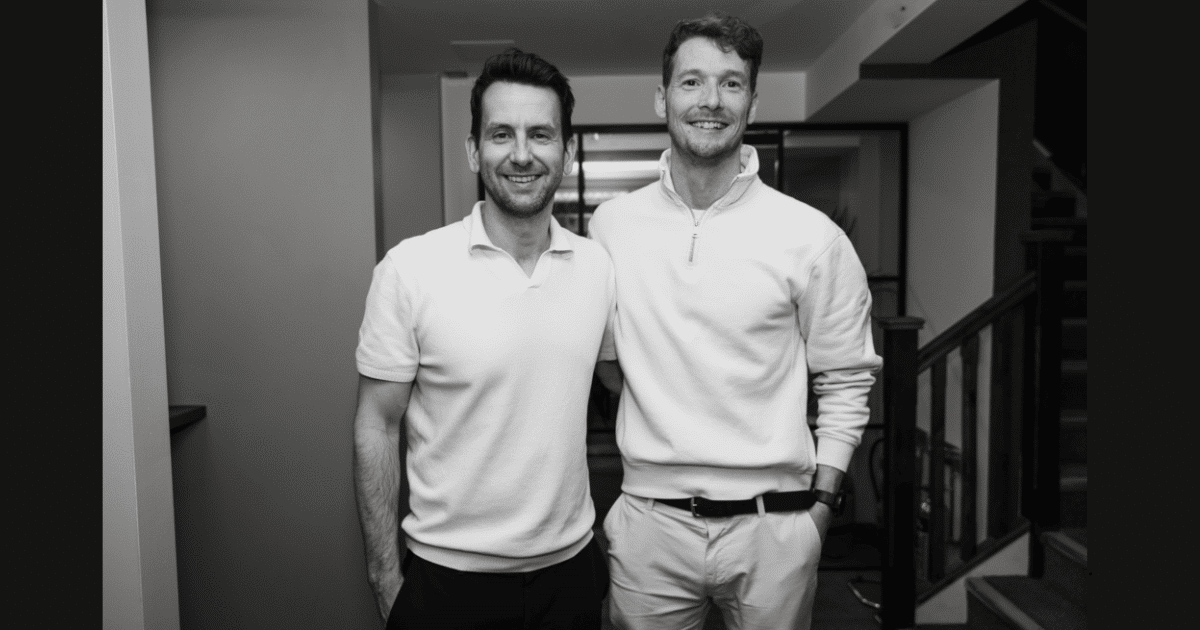
B2B Unplugged launched in London in November 2025, after the two co-founders attended a poorly designed event and, walking home along the Thames afterward, began asking what a better one would look like. “Instead of being one of those people that moans about a particular event,” Jake says, “let’s talk about what a good event looks like and actually go do it.” The series has since held five events, four editions of its “Creator Sessions” format and one “Rising Stars” spinoff, selling out for every one.
Jake co-founded ChannelCrawler, a London-based YouTube creator discovery platform, in 2023. Chris launched Moon at Dawn, a B2B Influencer Marketing agency, in March 2026 after more than four years at Wavemaker, the WPP-owned media agency, where he most recently served as B2B Global Client Partner.

B2B Unplugged sits outside both businesses as an independent project, held every two months at curated London venues with around 30 attendees each time. The target room is B2B marketing professionals looking for something the standard conference has stopped providing: time with the people worth knowing.
“Human connection,” Chris says of what the series has revealed about what B2B marketing actually needs. “We are living through an era of AI-driven content saturation and generic messaging. We trust our peers over brands directly.”
Where Big Conferences Fall Short
Chris’s critique of the standard conference model is direct. “The bigger events have forgotten why they exist in the first place,” he says. “To bring people together.” Most people attend for one of two reasons: to learn something, or to meet someone who might become a lead, a contact, or a future collaborator. Large conferences, he argues, have lost sight of that.
Jake traces the failure to structure. Most events seat attendees in a room and expect networking to happen spontaneously. “You just don’t get an opportunity to speak to new people unless you’re proactively addressing that at the event,” he says. For most attendees, the evening ends with a stack of cards and no conversations that went anywhere.
The demand signal is measurable. At one B2B Unplugged event, the dropout rate, typically around 10%, fell to zero, according to Jake and Chris. When the founders have not yet announced the next date, people message asking how to reserve a spot.
Building Events That Actually Connect People
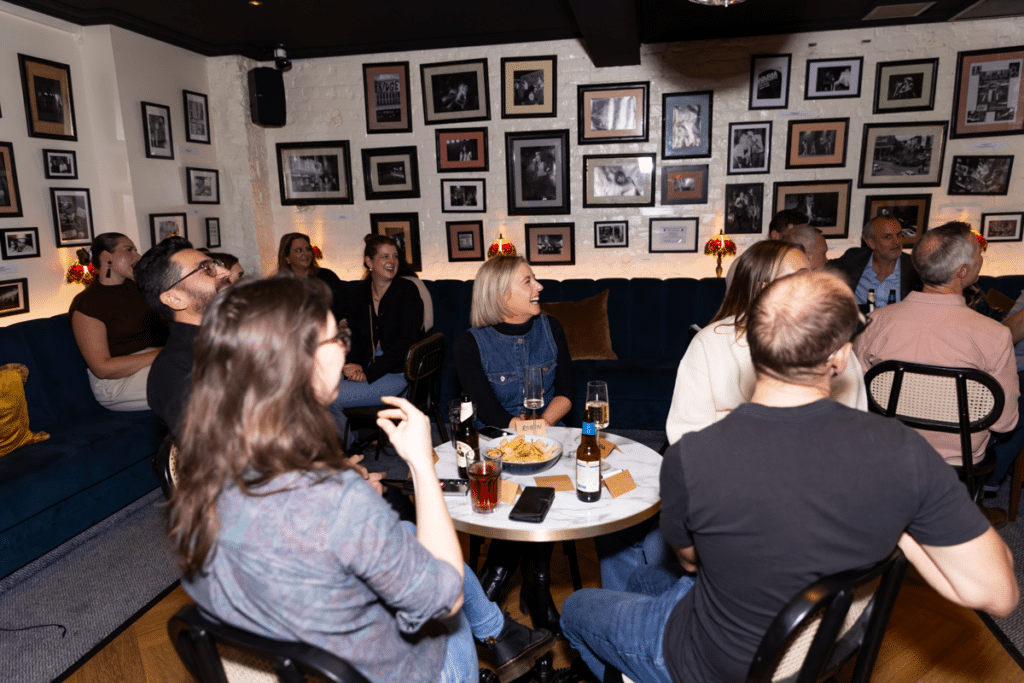
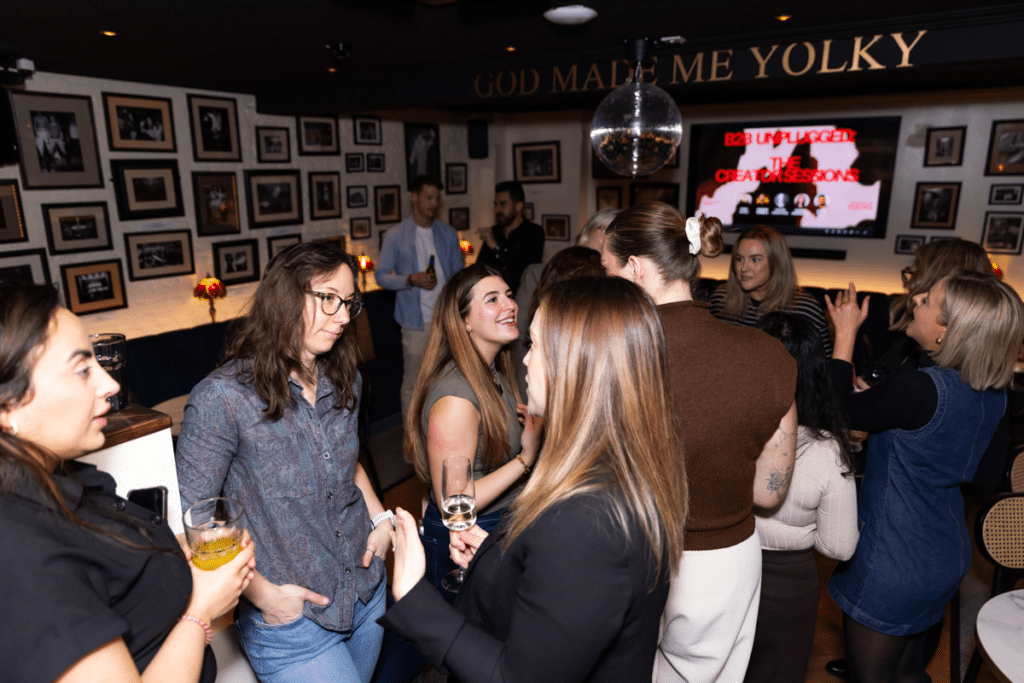
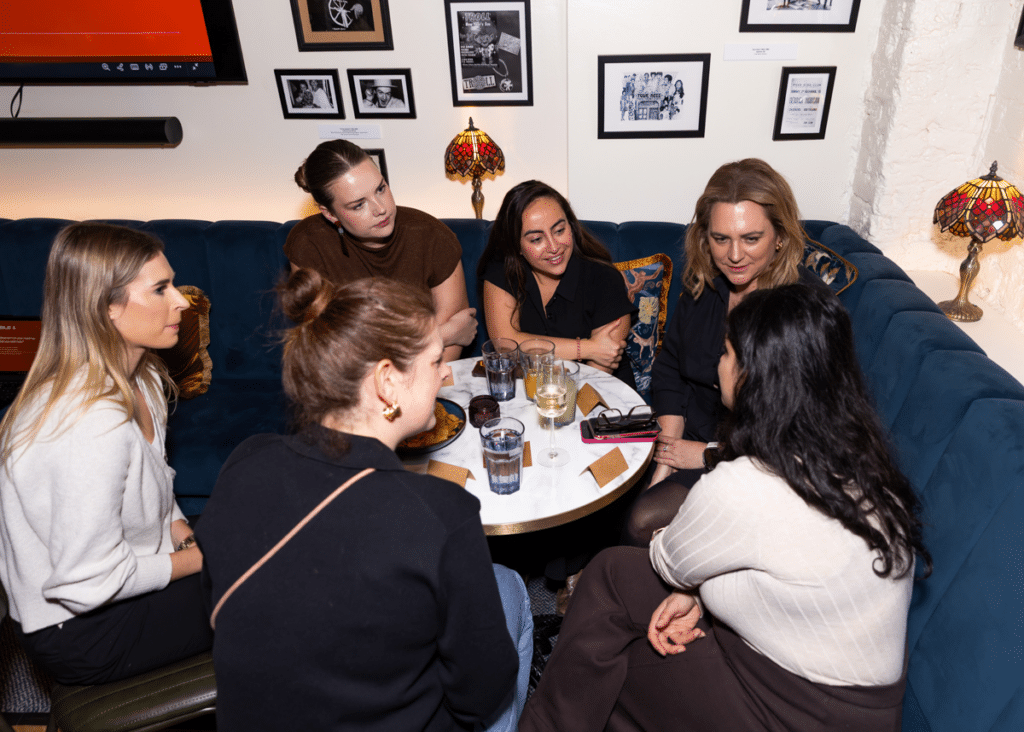
B2B Unplugged: The Creator Sessions seats around 30 people at a curated London venue for structured roundtable discussions, ending with a pub quiz. There are no panels, no keynotes, and no sessions that could have been sent as an email.
The evening is built around three discussion questions. The opener is broad and low-pressure, so attendees who don’t yet know anyone in the room have an easy way into conversation. The second question is more focused, giving people who know the subject well room to contribute while keeping the door open for others. The third demands an opinion. One recent edition used a widely discussed corporate crisis as its prompt, asking attendees what they would have done in the relevant executive’s position.
Creators at each table receive three instructions: make new arrivals feel welcome, ensure everyone has room to speak, and have fun. The day after each event, the founders send professionally taken photos to every attendee for posting while the experience is still fresh. Jake estimates that around two-thirds of attendees typically post, generating industry conversation for most of the following week.
The Wider Question of Who a B2B Creator Is
Creator selection for each event is more considered than the format’s informal feel suggests. Chris pushes back on the consumer-facing definition of the term. “We try and bring in people with quite credible, significant backgrounds that might not be associated as a creator,” he says, noting they hold influence “in their own right, just in a slightly different capacity.” Past events have included people with senior roles at LinkedIn, journalists, SaaS-focused recruiters, and other professionals alongside recognizable LinkedIn content publishers.
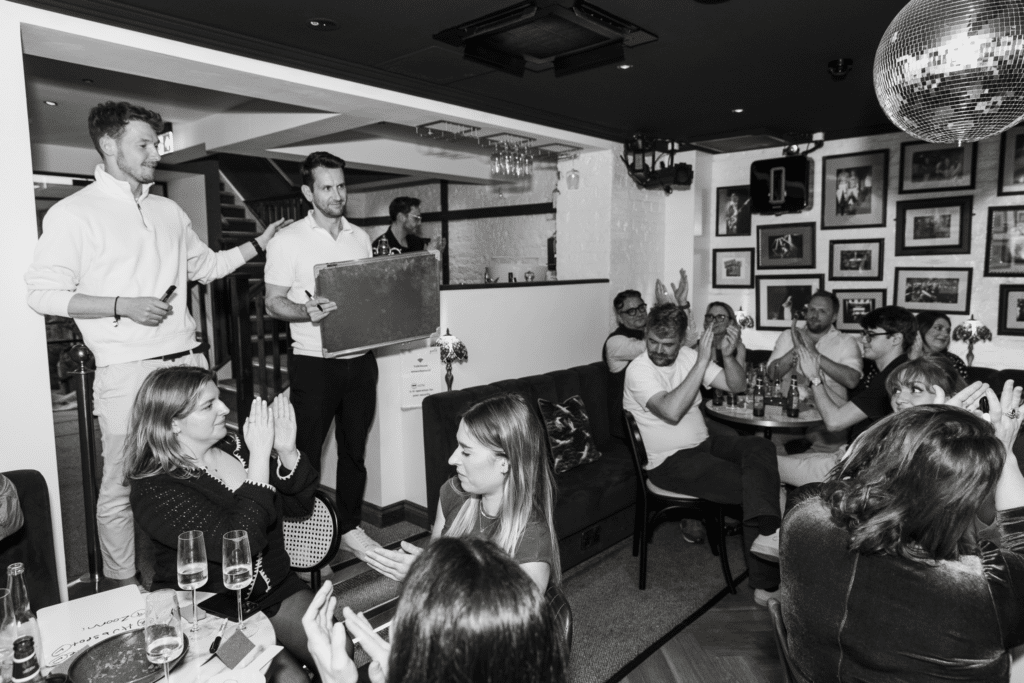
The pair factors in gender balance, role diversity, and what each invitee adds to the room’s overall mix, treating curation as a design decision rather than a box to check. The right composition, they argue, makes every conversation at the table more interesting.
Jake’s own relationship to the creator label reflects a tension many B2B professionals navigate. “I don’t see myself as a content creator,” he says. “I see myself as someone who’s creating content. I like doing it. It supports my business.”
The distinction, for him, is intent: creating content to build an audience for brand partnerships looks different from creating content to build professional credibility and generate business. B2B, he argues, holds space for both, and the industry is still developing the language to describe the difference.
Why Peer Validation Is Replacing the Brand Claim
Chris’s years at Wavemaker gave him a close view of where enterprise B2B marketing investment consistently fell short. His diagnosis of what has changed is specific: AI-generated content has flooded B2B channels, making it harder to distinguish a credible position from an automated one.
The consequence, he argues, is a shift in how B2B buyers actually make decisions. Whether evaluating which event to attend, which software platform to assess, or which strategy to adopt, buyers increasingly turn to people they already trust to filter the noise. Regardless of seniority or specialization, Chris says, “we are all trying to navigate what’s next.”
That dynamic, in his telling, is what makes in-person, curated gatherings commercially valuable, not just pleasant. The events create conditions for peer-to-peer conversations that no LinkedIn feed or vendor webinar can replicate, because the trust already exists between people in the room before a product or service is ever mentioned.
What the Events Have Actually Delivered
Both founders measure success differently, and both metrics are positive. Jake tracks return attendance and ratings. Some attendees have come back to all but one edition of the series. Chris looks at whether events generate qualified business conversations. A client engagement for one of the founders was confirmed the same week as this interview.
The moment that confirmed they were on the right track came from an attendee’s LinkedIn post. Jake cites an update shared by someone from Fox Agency after one of the events.
“He described it as a place where people could come together, properly meet one another and have genuinely good conversations,” Jake says. “Seeing an attendee explain the event in almost exactly the way we had intended made us realise that it was meeting a real need.”
Where B2B Unplugged Goes From Here
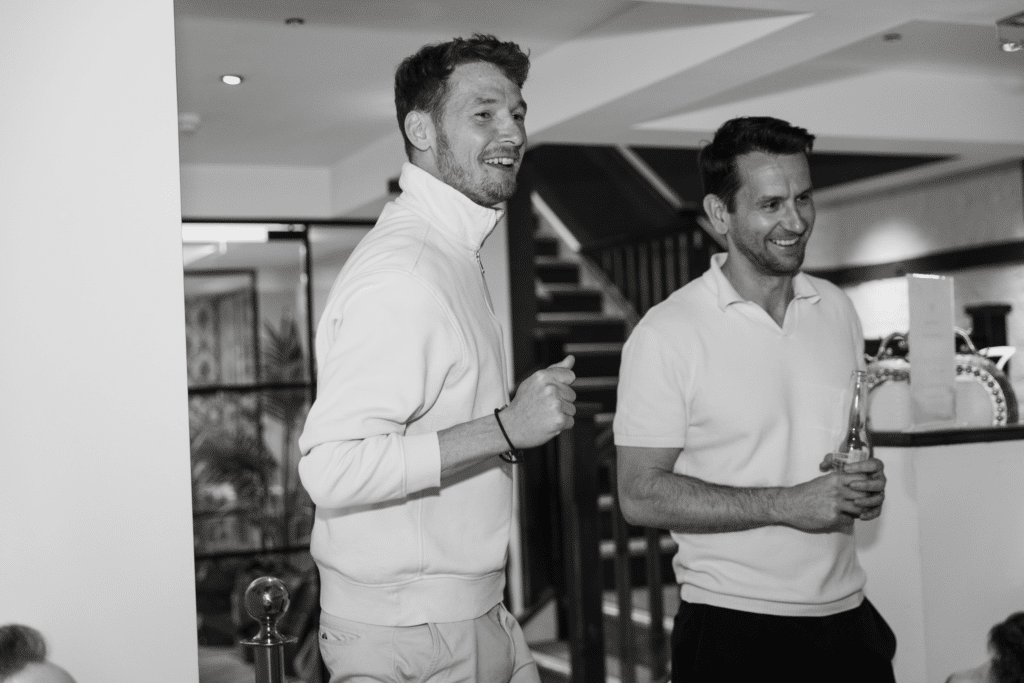
The next Creator Sessions event is scheduled for September 2026. The founders are actively discussing whether B2B Unplugged should eventually operate as a standalone business. Sponsors have approached them; larger organizations have offered help scaling.
Jake argues that intimacy does not require small rooms. A 100-person event, designed around multiple breakout spaces, could preserve the dynamics of the current format if the structure holds.
The Rising Stars spinoff, held in June, pointed in a related direction: 25 B2B professionals from 13 major UK agencies were placed together and given one hour to develop a go-to-market plan from scratch alongside strangers. Senior practitioners who interacted with them afterward gave strong feedback. “It got people who don’t usually get invited to events to network with their peers,” Jake says.
“If you make good events, people will go to them, and they’ll talk about them,” Jake says. “I think the starting principle people forget quite often is just make a good event that people want to go to, and if they like it, they’ll come back.”
Subscribe to Our Newsletter
Check Out Our Podcast