Influencer Marketing is no longer fighting for budget. It’s fighting for proof.
U.S. brands were projected to spend more than $10 billion on sponsored content in 2025, yet nearly a third of marketers cited measuring creator performance as their top roadblock. At the same time, 61% of marketers plan to increase creator investment in 2026, despite persistent gaps in effectiveness frameworks.
The pressure is structural. The C-suite now holds creator marketing to the same standards as paid search, social, and programmatic media. But no single metric captures its full impact. Brands toggle between reach, engagement, conversions, brand lift, MMM models, and internal dashboards, often across platforms with inconsistent definitions and limited access to first-party data.
Measuring creator performance has become a multi-layered challenge.
To better understand how the industry is addressing this shift, we asked 41 professionals: What tools or frameworks do you rely on to measure creator performance today, and what gaps still exist in analytics and attribution?
Most creator performance is still measured with tools designed for media buying, not for building IP. Dashboards optimize for views, CPMs, and short-term lift, which are useful but incomplete signals. They tell you what happened, not what is being built. The frameworks that matter more today combine three layers: attention quality, relationship depth, and downstream behavior. That means looking beyond raw reach to metrics like repeat viewership, audience migration across platforms, conversion over time, and how content compounds into recognizable formats, characters, or storyworlds.
The biggest gap is attribution. We are still bad at connecting creator influence to long-term outcomes like brand trust, lifetime value, or franchise growth. Influence rarely converts in a straight line, yet most analytics assume it does. The next evolution is measurement that treats creators not as channels, but as systems, where cultural impact, trust, and IP momentum are first-class metrics.
Creator performance measurement starts well before launch. At the media planning stage, we already operate with expected views, audience quality, and engagement rates. We then connect Zorka.Platform with its enriched retrospective data, and layer it with client-side analytics and third-party attribution tools like AppsFlyer or Adjust. The main gaps remain attribution depth. First, organic impact: we estimate 30-40% of total effect shifts into organic traffic that is hard to track directly. Second, the snowball effect – creator influence often compounds over time, converting audiences weeks or months later, well beyond standard campaign windows, and most analytics frameworks still undercount this long-term lift.
At Influencity, we rely on a mix of platform-native data and unified reporting to get a realistic view of creator performance. We track core KPIs like engagement, interactions, views, reach, Earned Media Value, and content performance across platforms. On top of that, we also measure sales through direct influencer attribution using promo codes. That said, the biggest gap isn’t tooling, it’s attribution logic. Influencer ROI attribution isn’t very different from other channels. You can track links and discounts, but that doesn’t guarantee the influencer content actually drove the sale. A user might see a paid ad first, then search for a creator’s discount later. So what really converted them? That’s why influencer marketing attribution should never be analyzed in isolation. It needs to be part of a multi-channel attribution model, aligned with paid media, organic, and brand touchpoints to reflect real impact.
The biggest gap we see is in attribution. We work with direct response YouTube integrations extensively, but because these campaigns are based in digital marketing teams the focus is purely on what impact is attributable. We’re in the double bind that because impact can be recorded, any unrecorded response must not be impactful.
At inStreamly, we often run campaigns with hundreds of streamers, from 300 to 2,000 creators simultaneously. The metric that matters most to brands is brand lift. It helps understand the real impact on the brand and what we expect most from influencers, that warmth transfer and shift in brand perception that happens when you appear with someone the audience already likes and trusts. We run comparative brand lift studies before and after campaigns with control groups. This is our standard that shows it actually works.
To measure creator performance, we use a framework that prioritizes Brand Benchmarking: proving that creator-led content consistently outperforms brand-owned content (which it does in 99% of our cases). We rely on platform-native metrics and pixel tracking to trace transactions from creator stories to final ROI. Below are some gaps in analytics: The “Dark Social” Void: Attribution struggles with “word-of-mouth” or in-store purchases sparked by digital content but completed offline. Creativity vs. Efficiency: Standard metrics often undervalue the “personal flair” that builds long-term trust, even if it yields a lower immediate CTR, but perhaps a longer-term conversion. Technical Fragmentation: Data collection from nano-influencers (customer voices) is often limited by technical constraints compared to the seamless API integrations of professional influencers.
Measuring creator performance is a framework problem, not a data problem. Brands juggle platform metrics, affiliate dashboards, and brand KPIs, yet still struggle to assess real impact. Attribution models over-reward last-click conversions and undervalue discovery and long-term influence. The solution lies in role-based measurement: distinguishing between Hero, Hub, and Help content, clarifying platform roles, and separating earned, paid, and repurposed content. As creator marketing matures, the winners won’t be those with the most dashboards, but those with shared internal frameworks that align creative performance with real business outcomes.
We rely on a combination of analytics platforms like Lefty and CreatorIQ to track reach, engagement, and creator performance at scale, but tools alone are never enough. Platforms and social behaviors are constantly evolving, which means what data you look at, and how you interpret it, has to evolve as well. Where gaps still exist, even with strong analytics tools, is in contextualization. A save often signals intent or future consideration, not just passive engagement, and designing content to be saved starts with creative strategy. Thoughtful questions in the comments can indicate trust and genuine interest, and how brands respond next matters. When branded content outperforms a creator’s organic posts, that tells us something meaningful about creative alignment and audience receptivity. The best agency partners aren’t just tracking numbers – we’re interpreting what those signals mean and using them to inform future creative, casting, and distribution decisions.
Measuring creator performance requires both data and context. We track reach, engagement, conversions, and content/audience quality using external platforms and internal reporting frameworks that we have developed through years of experience. Our experience also tells us that for most brands, numbers don’t tell the whole story. The most meaningful insights come from combining metrics with human judgment – understanding audience sentiment, brand alignment, and longevity of influence.
The biggest gap that still exists is true attribution. Creator impact often shows up in awareness, consideration, and community trust, which are not always captured accurately by tools and platforms. Fragmented data across different platforms also makes standardization of these metrics difficult. Effective measurement starts with clear objectives. When brands define success first, creators can be evaluated more meaningfully. What I hope to see are better tools that connect creator activity to real business outcomes, not just views and likes.
At GigaStar, we try to keep this pretty simple: we look at creators as both storytellers and small businesses. On the content side, we use the basics that actually matter – YouTube Studio, audience retention, RPM (Revenue Per Mille) trends, and how consistent revenue is over time. On the business side, we zoom out and ask practical questions: Is the channel dependable? How volatile is the income? What happens in a bad month or a slow season?
The biggest gap today isn’t a lack of data; it’s making sense of it. Creator analytics are still scattered across platforms and don’t do a great job connecting creative choices or investments to real financial outcomes. What’s missing is a clearer way to tie creator decisions to long-term sustainability. Until then, creators and partners are often flying with good instruments, but no full dashboard.
Your most viral content hits 5M views with no sales. Your “boring” tutorial with 50K views makes $30K. You keep chasing views because social media dashboards celebrate vanity metrics. At GYST, we are solving three blind spots:
The Fragmented Echo: Metrics scattered across platforms, each telling a tiny part of the story.
The Emotion Gap: Tracking clicks while missing the real reason people buy or bail.
The Rearview Trap: Dashboards report past events, never predicting what is next.
Creators need answers. They need to know why things happen, what comes next and which audience actually buys. That is the only way to turn viewers into loyal customers. Until creators connect engagement to actual money, they will chase applause instead of profit.
We’re developing a proprietary framework to capture value from influencer collaborations that not only renders the current gaps in analytics and attribution harmless but will make traditional models 𝙞𝙧𝙧𝙚𝙡𝙚𝙫𝙖𝙣𝙩.
We rely on a blended stack of creator discovery, performance tracking, and workflow automation tools. Cruva and Euka support large-scale outreach and targeting, helping us identify high-fit creators efficiently. For performance visibility, Trenz.ai provides marketplace sales signals so we can see which creators are actually driving conversions, not just views. On the creative side, Short Form Nation helps us develop data-informed briefs and iterate content angles using AI insights. Operationally, Affilimates.ai is emerging as a critical layer, using AI to streamline inbox management, deal flow, and negotiations – freeing creators to spend more time producing content instead of managing email. The biggest gaps still exist in cross-platform attribution and full-funnel visibility. We can see clicks and sales in-platform, but accurately connecting creator influence to off-platform conversions, repeat purchases, and long-term brand lift remains a major industry challenge.
Today, most teams still rely on spreadsheets combining native platform metrics, creator-reported screenshots, affiliate links, and EMV (Earned Media Value) to measure performance. While this captures surface-level engagement, it struggles to tell a coherent story around incrementality, audience behavior, and long-term impact – often pushing brands toward one-off activations instead of sustained creator partnerships. We built Beacons for brands to help close these gaps by grounding creator measurement in first-party, authenticated data.
Because creators actively use Beacons every day, brands gain deeper visibility into intent signals – such as clicks to Amazon storefronts and other commerce destinations – alongside engagement and reach. That data feeds into a business intelligence suite that connects creator activity to real business outcomes. Paired with a community-driven CRM and a campaign planner that builds creator strategies based on business goals and KPIs, Beacons enables brands to move beyond EMV and spreadsheets – treating creators as long-term partners and creator marketing as a measurable, repeatable growth channel.
Right now, there is no “One tool to rule them all” in the creator economy. It truly takes a village. From discovery, brand safety checks, outreach and negotiation tracking and automation, to performance tracking, post campaign sentiment analysis and brand lift, and the ever-important dashboard, it’s a complex system right now, each with their strengths and weaknesses. AI development is also shifting the landscape faster than I’ve seen since I started running creator campaigns in 2011.
We’re going to see both the enterprise players, as well as cottage industry AI-based entrants get into the market in the next 24 months who are really going to challenge the existing players and the landscape of who is leading in each of those areas (and even what is possible). In no way do I think “programmatic” style solutions to creator campaigns is in the near future at any meaningful scale, as humans are just too complex to be bid out like a banner ad, but there will be significant change in the way we do things.
Right now, our stack is a combination of off-the-shelf, internal legacy systems and our newer AI implementations we’re building in house, but some of our off-the-shelf favorites right now include:
At Videreo, measuring creator performance was THE problem our customers wanted solved. We’ve built our business around providing business impact intelligence to travel companies working with travel content creators. We’ve let our customers guide us by telling us what they need to see to align to their own goals and built our product to match. Many of our clients are Destination Marketing Organizations (DMO). They organize their local suppliers to provide free ‘famils’ to creators, so the creators have captivating content to promote the destination.
Until now, what the supplier specifically got from participating in the campaign has been unclear, meaning they are often reluctant to sign up again. By working with us, the DMO can tell each supplier exactly how many website visits their website received because of their participation. This number is live and accessible at any time. They can even just share the dashboard link for the supplier to self-service, eliminating communication and reporting friction.
We implement a four-pillar framework for measuring influencer results including:
1) Social conversation metrics like impressions, engagements and share of voice, 2) Media effectiveness when using creator content in paid media, 3) Brand/sales lift as measured by a third-party study provider, 4) MMM (Marketing Mix Modeling) results.
The final pillar is one more brands need to embrace by tracking influencer marketing as a separate line item in their MMM models.
We think about creator measurement in two layers: channel strategy and channel optimization. At the strategy level, the goal is deciding where to invest. Here we rely on a hybrid model: first-click attribution as a baseline, supplemented by discount codes and post-purchase surveys. This allows us to re-attribute conversions that would otherwise fall into “direct” or “brand search” back to the channels that actually created demand, like influencers. At the optimization level, we zoom in within the channel. We still use first-click and code data, but without heavy modeling, to understand which creators, formats, and narratives are driving incremental performance.
The biggest gap today is that no single tool captures the full, non-linear customer journey. Click-based models systematically undervalue creators. Even with hybrids, attribution remains directional rather than perfect. The real unlock is combining first-party data with clear assumptions, then using it to make better decisions – not chasing false precision.
Today we measure both media and commerce outcomes – by creator, by sample, and by individual video – so post-hoc performance is actually quite clear and precise. Where things get harder is before a video goes live. Predicting creator potential in advance is still imperfect. We use our own AI models to estimate that potential, but much of the industry still relies on averages. The real gap is that most platforms don’t expose the distribution of creator performance over time. A creator who occasionally spikes with an outlier hit is very different from one who delivers solid, repeatable results. From a brand perspective, the latter is often far more valuable – but that reliability signal is largely missing from today’s analytics and attribution frameworks.
The most effective tool for measuring creator-attributed sales is Safelinks by Social Snowball. Safelinks are affiliate links that generate unique, single-use codes for each customer who clicks on them. This allows customers to receive a discount without the risk of a code leaking to a coupon site and over-attributing revenue. With Safelinks, revenue is accurately attributed to the influencer through a combination of UTMs (Urchin Tracker Modules), cookies, and discount codes – without the risk of coupon fraud.
Today, I rely on a mix of platform-native analytics from TikTok and Instagram alongside tools like Amazon (Attribution, Creator Connections, Associates), Shopify, SuperAffiliate, and Levanta, supported by internal reporting. My framework is full-funnel: reach and views for awareness, clicks and CTR (Click-Through Rate) for engagement, and CPA (Cost per Acquisition), AOV (Average Order Value), and ROI for conversion. I also track creator performance month over month across both creators and brands to identify growth patterns and evaluate creative factors such as hooks, messaging, and format. This year we’ve shifted toward new-customer growth and improving predictability – analyzing relationships like views-to-orders and content-per-sample efficiency. The biggest gap remains attribution. Understanding cross-platform impact and assist value is still difficult, especially measuring how upper-funnel content influences downstream performance. Clear visibility into per-platform and per-creator contribution is still limited.
The honest answer is that the industry still largely relies on a patchwork of platform-native analytics, third-party social listening tools, and manual reporting to measure creator performance. Most brands are tracking surface-level metrics – reach, engagement rate, CPM – but the real gap is in attribution. We can tell you a post performed well, but connecting that to actual business outcomes like sales lift, brand consideration, or long-term audience value remains incredibly fragmented. What’s missing is the connective tissue between creative and distribution. We need technical infrastructure that can track a piece of content from ideation through to conversion – linking who made it, where it ran, how it was used, and what it drove. That’s especially critical now as AI-generated and AI-augmented content enters the mix, because you need to understand not just performance but provenance and rights compliance at scale. The next generation of measurement tools need to be built into the content pipeline itself, not bolted on after the fact.
Measurement is the biggest challenge in Influencer Marketing, with 72% of marketers citing it as their top concern, according to WARC. That’s not surprising given the avalanche of social metrics that make it difficult to separate the signal from the noise. Social metrics remain a useful, if myopic, way to benchmark performance and compare against competitors, but they largely reflect levels of investment rather than true brand effect. Without understanding how and why the campaign worked, we remain stuck when trying to demonstrate impact. Additionally, the growing practice of content boosting is further blurring the lines between “organic” and paid media-supported performance, making it tricky to extricate the two and rendering social metrics even less informative than they used to be.
Ultimately, influencer marketing should be held to the same standards as the rest of the media mix, using robust approaches such as Brand Lift, MMM studies or creative diagnostics, alongside newer solutions like AI scoring. These help link social impact of assets to real brand impact, including awareness, perception, consideration and sales. As a result, influencer measurement will continue to shift away from mainly social reporting towards a more insights-driven approach. At Billion Dollar Boy, we have our proprietary creator marketing platform, Companion, which we use to track full-funnel performance from campaign outputs and share of voice to outcome-focused metrics across brand and direct sales effects. Supported by AI-powered tools and dedicated partners like Element Human, Portal, Analytic Partners, and Sprout Social, our measurement stack is continuously evolving to meet marketers’ growing needs.
In order to truly gain an understanding of the impact of our creator content, it’s important that we evaluate performance holistically across three layers: organic and paid social (views/impressions, reach, engagements, clicks/CTR), creative quality and resonance (storytelling, shares, saves, comments, sentiment), and business impact (conversions, lift studies, brand KPIs). However, the biggest gap in reporting today lies in tracking creator impact beyond last-click conversions. It’s difficult to quantify how creators drive discovery, consideration, and cultural relevance across touchpoints, especially in longer purchase journeys. Qualitative assumptions can be made from comments along with share and save behavior, and developments like TikTok Shop are also changing the game, but attribution still really isn’t always clear unless the content (or creators) go mega viral – like Tini selling out cavatappi pasta, or Courtney Cook driving up interest in Weetabix.
We use the pixel tracking tech that InfluenceFlow has that allows us to track performance by creator and measure ROI directly in the InfluenceFlow dashboard. It lets us automate many of the key analyses so we can easily decide which creators to continue to renew and even offer bonuses. The biggest gap is the offline purchase tracking component. I’m yet to find a solution that properly measures retail channels connecting back to individual creators.
Measuring social performance has shifted from counting likes to reverse engineering what content qualities actually drive distribution. The biggest tool gaps are 1. Creative Context and 2. Prescriptive Recommendations. Most tools tell you what happened in terms of what had the most raw visibility or engagement, but they can’t explain why or what to do next. It’s not realistic to expect a social media operator to wear a dozen creative hats, tag every little thing about their content, and use advanced math to tease out content strategy shifts. Social professionals just want a clear roadmap. This is the gap we’re addressing at Measure Studio.
I don’t measure creator performance from one dashboard, my aim is to measure alignment. In podcasting especially, downloads are honestly the least interesting metric. I care more about retention, listener behavior after the episode, and whether the show is attracting the right audience, not just more listeners. A podcast with 2,000 highly aligned listeners who actually book calls will outperform 20,000 passive listeners every time. The biggest gap is attribution. Creator-led content builds trust over time, but brands still measure it like paid ads. Last-click reporting misses search, direct traffic, word-of-mouth, and the “I’ve been listening for months” effect, which is where the real ROI shows up. Until we connect audience quality, sales feedback, and long-tail impact, we’ll keep underestimating podcasting and content in general.
The greatest indicator of creator success is consistency. Find a way to show up every day. I like to optimize for reducing friction so it’s as easy as possible to create content. A lot of people overcomplicate it, but you don’t need fancy measurement tools. As a creator myself, I use a simple spreadsheet built around a flywheel. Each step feeds into the next so results compound over time. I focus on tracking upstream metrics like how easily I generate content ideas and how much friction exists in the process. After publishing, I track how each post performs. With every rotation of the flywheel, I optimize the process to make things easier next time so that I can stay in the game for the long run.
Measuring creator performance today requires looking at three things at once: creator health, content performance, and business outcomes. Manual methods alone are no longer enough to cover all of that properly. Teams often rely on native platform insights along with independent Influencer Marketing platforms, like HypeAuditor, to review audience quality and track performance over time. Even then, gaps remain. Platform metrics don’t always line up, and much of creator impact happens outside clicks, through saves, shares, or private conversations. It’s also a challenge to prove impact for awareness-driven campaigns or connect results back to offline outcomes.
We built a bespoke analytics system that tracks creator and campaign performance and shares agency performance with creators for full transparency. We report LTV (Lifetime Value), outreach volume, and reply rates so creators can see what is actually happening. Too many agencies say they’re working for you, but don’t actually show you the proof. The biggest gaps are cross-platform attribution, inconsistent platform reporting, and limited visibility into conversions.
Creator businesses hitting $10M+ face a brutal reality: you’re making multi-million-dollar content decisions blind. When a YouTube video drives book sales that lead to a podcast to speaking bookings, to an app, you can’t track that journey. Revenue attribution across streams is impossible.
Most teams cobble together platform dashboards and spreadsheets, manually pulling data from 10+ sources. One creator business left $250K on the table, unable to see that specific content was driving high-intent audiences ready for a premium product line. By the time reports are ready, insights are stale and opportunities are gone.
The frameworks exist; attribution modeling, portfolio analysis, predictive analytics. What’s missing is infrastructure to execute them without burning hours on manual data assembly.
Top creator businesses and agencies need what Fortune 500 companies have: unified dashboards that run attribution automatically, calculate portfolio health in real-time, and surface monetization opportunities before they’re gone.
GYST delivers that infrastructure, turning CFO-grade frameworks into actionable intelligence, no spreadsheets required.
Polina Zueva, Global Influencer Marketing Strategist, Self-Employed
We rely on a hybrid framework that blends platform analytics (native insights, creator dashboards), structured UTM tracking, and CRM attribution tied to revenue cohorts. For performance-led campaigns, we track creator-level CPA, assisted conversions, and post-view lift – not just clicks.
For example, in a fintech campaign across LATAM, micro-creators drove only 18% of tracked last-click conversions but influenced over 40% of assisted conversions within a 30-day cohort window. Without multi-touch analysis, we would have undervalued half the ecosystem.
The biggest gap remains cross-platform attribution and view-through transparency. Native platform data is siloed, and brand teams still struggle to connect creator impact to LTV, not just immediate ROAS (Return on Ad Spend).
The future isn’t “likes vs sales” – it’s building creator ecosystems that can be evaluated like performance channels, with clear cohort tracking, incrementality testing, and unified reporting across paid and organic amplification.
As a recipe platform, marketplace, food community, and home for brand campaigns, we take a multifaceted approach to measuring creator performance. For real-time analytics on recipes, we use GA4 (Google Analytics 4) to gather data and Looker Studio to present it in digestible formats. For long-term community participation, campaign performance, and communications, we use Airtable and its malleable dashboards. UpPromote tracks our creators’ affiliate performance, and Google Sheets houses our financial reporting.
We consider ourselves a “platform without borders”, meaning it extends far beyond our website. This leads to significant gaps in cross-platform attribution. We don’t have a reliable method for accessing social media analytics for our community. And our integration with Shop is still in its infancy, though we are working together to access deeper analytics in pursuit of a more complete understanding of the connection between social sentiment and direct sales. Our mission is to build a complete home for food creators, which includes providing a complete story of their performance through analytics.
We use a data engine that we built internally that layers the content context over the performance metrics. By deconstructing creator content into key attributes like creator persona, content format, tone of voice/emotion and keyword recognition, it allows us to analyze and identify correlations at scale in content composition that drive different business outcomes.
We’ve moved beyond “vanity metrics” to a full-funnel framework that reflects our core strategy: partnering with creators to deliver the right message to the right audience, benefiting the entire Epidemic Sound brand. While we track direct business outcomes like traffic and conversions through affiliate links and discount codes, we know this only tells part of the story.
The biggest challenge is that standard attribution models fail to capture the creator “magic” – the unquantifiable brand halo creators generate. We know many companies discover us through creator content or arrive via organic search after seeing a collaboration, but tracking that journey is incredibly difficult. This attribution gap means we as an industry are still undervaluing the long-term brand equity and community-building that is the true superpower of authentic creator partnerships.
Successful creator marketing frameworks hinge on one thing: asking better questions before diving into any analytics tools. What behavior do you want to produce? In whom? Across what timeframe? Clarity is critical, and even the most sophisticated tool will drop a wealth of data but give zero context. Awareness and conversions are two of the most sought-after KPIs, but even they differ strategically – from creators to metrics, content strategy, timelines, and so on. A one-size-fits-all approach will only burn up resources, leaving underwhelming results. For deployment, unique links and codes are an easy, effective way to capture campaign impact, but that’s not where the conversation ends. Looking at creators purely as a bottom of the funnel tactic is a major misstep. Instead, wider cross sections of creators should be integrated into a brand’s infrastructure to build stickier, more authentic, higher performing connections to the target audience over the long-term.
We take a data-driven and AI-powered approach to measuring creator performance, using predictive tools to estimate creator value and forecast campaign outcomes – an approach that is actively reshaping creator pricing and the broader Creator Economy.
Rather than relying on a single framework, we combine performance, content, and audience metrics. These include reach, views, interactions (likes, comments, shares), engagement rate, and video-specific metrics such as total watch time, average watch time, and skip rate. Audience data is also critical, particularly geographic alignment between creators and their followers and creators’ past collaboration performance on Heylist.
Follower count alone is no longer a reliable indicator of success. We’ve consistently seen nano creators outperform larger accounts in reach, engagement, and sales due to higher authenticity, stronger audience trust, and higher story view rates, especially among younger audiences.
As major gaps still exist around traffic, conversion tracking, and cross-platform attribution, we are continuously working toward full-funnel measurement.
We measure creator performance through a mix of platform-native analytics, direct creator reporting in our management tool, and a proprietary framework that ties content to business outcomes, not just engagement. We track core signals like reach, views, watch time, shares, clicks, and follower lift, then translate them into actionable insights: what drove attention, shifted perception, and likely contributed to demand.
The biggest challenges are still attribution and standardization. Cross-platform journeys, dark social sharing, and long consideration cycles don’t fit neatly into last-click models, and promo codes only capture direct responses. Metrics vary by platform and format, and creators’ reporting can be inconsistent. We’ve worked hard to standardize processes and triangulate impact using multiple proof points, from creative performance to audience response to outcome proxies, rather than relying on a single dashboard or metric.
We use proprietary frameworks. We measure what actually drives business impact: content velocity, engaged audience depth, sentiment trajectories, and verified perception shifts through brand lift surveys. Our system automatically flags engagement pods (coordinated comment groups that create artificial engagement). We track organic search spikes, audience overlap analysis, and “fresh eyeball ratios” that quantify how much unexplored territory a creator truly reaches versus recycling the same followers.
The biggest gap is the pre-click attribution. Existing tools can’t connect the dots when someone discovers a creator on TikTok Monday, researches on Instagram Wednesday, then converts via branded search Friday. We need cross-platform attribution models that follow digital breadcrumbs across touchpoints.
Creator performance is easy to measure. Creator value is not. The industry’s biggest challenge is not data access, but building measurement models that reflect how influence compounds over time. At Trend Social, we are actively working to reframe creator measurement around long-term value. By unifying organic performance, paid amplification, and downstream signals, we help brands evaluate creators based on cumulative impact rather than one-off results.
One of the key reasons I chose a native e-commerce foundation for my monetization ecosystem was the breadth of options for handling data and attribution, combining Shopify, GA4, GTM, Klaviyo, and native social platform integrations. This pipeline also applies to brands partnering with creators as affiliates.
There is a constant tug-of-war between who is selling and social platforms for attention and session retention. One of the biggest battlegrounds is their in-app browsers with limited cookie support and often stripping UTM (Urchin Tracking Module) parameters, not only breaking attribution but also sneakily snatching it for themselves. So you need a robust attribution system, including server-side tracking, hardcoding attribution via unique discount codes, and duplicating landing pages to remove UTM reliance.
Some persisting gaps are dark social, like links shared via DMs that are considered direct traffic with zero attribution, and measuring incremental lift. Did the creator generate new customers or just accelerate inevitable purchases? Most attribution models guess.
Karina loves writing about the influencer marketing space and an area she is passionate about. She considers her faith and family to be most important to her. If she isn’t spending time with her friends and family, you can almost always find her around her sweet pug.

















Influencer Marketing is no longer fighting for budget. It’s fighting for proof.
U.S. brands were projected to spend more than $10 billion on sponsored content in 2025, yet nearly a third of marketers cited measuring creator performance as their top roadblock. At the same time, 61% of marketers plan to increase creator investment in 2026, despite persistent gaps in effectiveness frameworks.
The pressure is structural. The C-suite now holds creator marketing to the same standards as paid search, social, and programmatic media. But no single metric captures its full impact. Brands toggle between reach, engagement, conversions, brand lift, MMM models, and internal dashboards, often across platforms with inconsistent definitions and limited access to first-party data.
Measuring creator performance has become a multi-layered challenge.
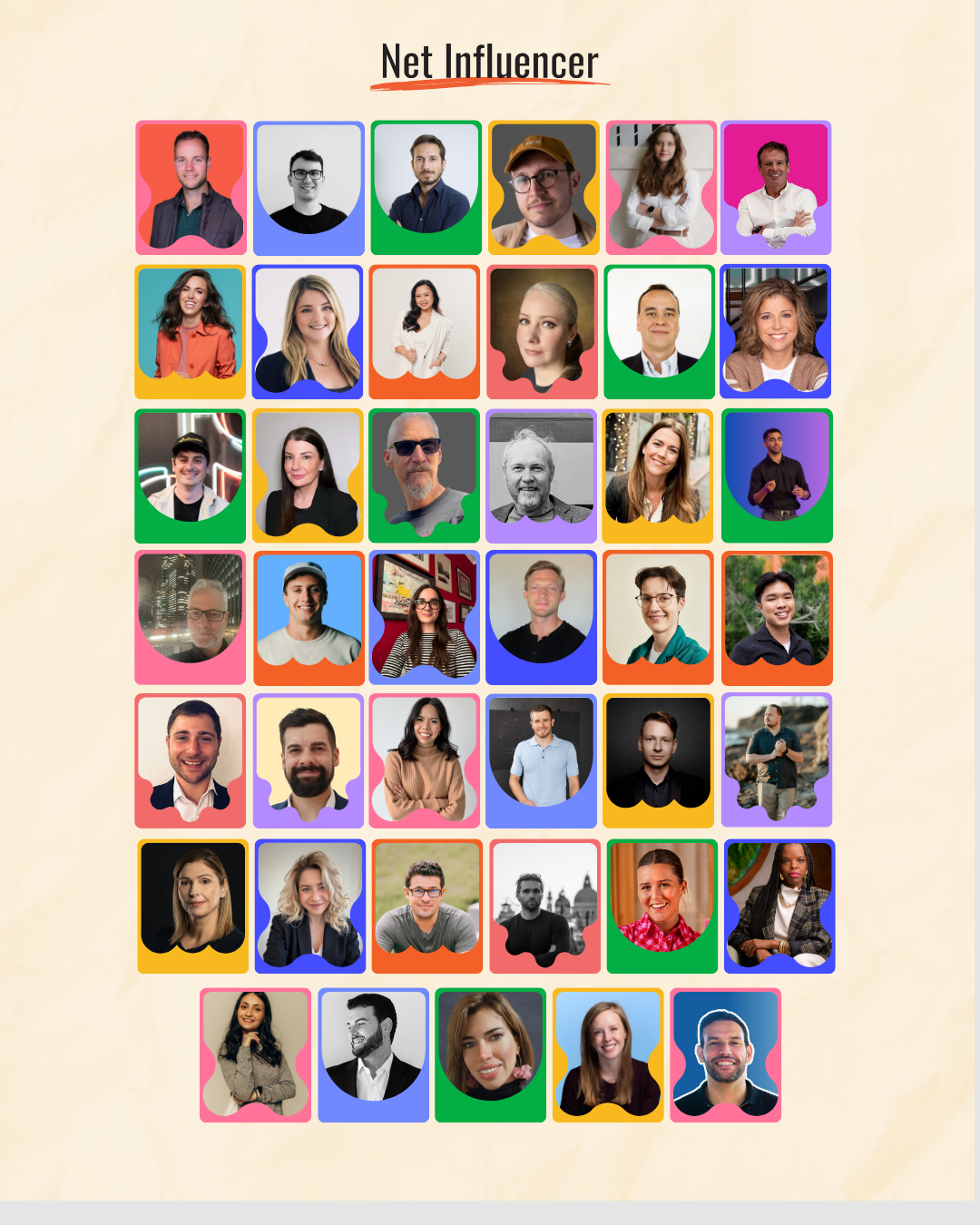
To better understand how the industry is addressing this shift, we asked 41 professionals: What tools or frameworks do you rely on to measure creator performance today, and what gaps still exist in analytics and attribution?
Tobias Hoss, Chief Business Officer, Lunar X
Most creator performance is still measured with tools designed for media buying, not for building IP. Dashboards optimize for views, CPMs, and short-term lift, which are useful but incomplete signals. They tell you what happened, not what is being built. The frameworks that matter more today combine three layers: attention quality, relationship depth, and downstream behavior. That means looking beyond raw reach to metrics like repeat viewership, audience migration across platforms, conversion over time, and how content compounds into recognizable formats, characters, or storyworlds.
The biggest gap is attribution. We are still bad at connecting creator influence to long-term outcomes like brand trust, lifetime value, or franchise growth. Influence rarely converts in a straight line, yet most analytics assume it does. The next evolution is measurement that treats creators not as channels, but as systems, where cultural impact, trust, and IP momentum are first-class metrics.
Viktor Ryzhov, CMO, Zorka.Agency
Creator performance measurement starts well before launch. At the media planning stage, we already operate with expected views, audience quality, and engagement rates. We then connect Zorka.Platform with its enriched retrospective data, and layer it with client-side analytics and third-party attribution tools like AppsFlyer or Adjust. The main gaps remain attribution depth. First, organic impact: we estimate 30-40% of total effect shifts into organic traffic that is hard to track directly. Second, the snowball effect – creator influence often compounds over time, converting audiences weeks or months later, well beyond standard campaign windows, and most analytics frameworks still undercount this long-term lift.
Daniel Sánchez, Founder & CEO, Influencity
At Influencity, we rely on a mix of platform-native data and unified reporting to get a realistic view of creator performance. We track core KPIs like engagement, interactions, views, reach, Earned Media Value, and content performance across platforms. On top of that, we also measure sales through direct influencer attribution using promo codes. That said, the biggest gap isn’t tooling, it’s attribution logic. Influencer ROI attribution isn’t very different from other channels. You can track links and discounts, but that doesn’t guarantee the influencer content actually drove the sale. A user might see a paid ad first, then search for a creator’s discount later. So what really converted them? That’s why influencer marketing attribution should never be analyzed in isolation. It needs to be part of a multi-channel attribution model, aligned with paid media, organic, and brand touchpoints to reflect real impact.
Charles Haynes, Founder, Ziggurat XYZ
The biggest gap we see is in attribution. We work with direct response YouTube integrations extensively, but because these campaigns are based in digital marketing teams the focus is purely on what impact is attributable. We’re in the double bind that because impact can be recorded, any unrecorded response must not be impactful.
Wiktoria Wójcik, Co-Founder, inStreamly
At inStreamly, we often run campaigns with hundreds of streamers, from 300 to 2,000 creators simultaneously. The metric that matters most to brands is brand lift. It helps understand the real impact on the brand and what we expect most from influencers, that warmth transfer and shift in brand perception that happens when you appear with someone the audience already likes and trusts. We run comparative brand lift studies before and after campaigns with control groups. This is our standard that shows it actually works.
Pieter Groenewald, Founder, theSalt
To measure creator performance, we use a framework that prioritizes Brand Benchmarking: proving that creator-led content consistently outperforms brand-owned content (which it does in 99% of our cases). We rely on platform-native metrics and pixel tracking to trace transactions from creator stories to final ROI. Below are some gaps in analytics: The “Dark Social” Void: Attribution struggles with “word-of-mouth” or in-store purchases sparked by digital content but completed offline. Creativity vs. Efficiency: Standard metrics often undervalue the “personal flair” that builds long-term trust, even if it yields a lower immediate CTR, but perhaps a longer-term conversion. Technical Fragmentation: Data collection from nano-influencers (customer voices) is often limited by technical constraints compared to the seamless API integrations of professional influencers.
Aurélie Sauthier, President, Made in
Measuring creator performance is a framework problem, not a data problem. Brands juggle platform metrics, affiliate dashboards, and brand KPIs, yet still struggle to assess real impact. Attribution models over-reward last-click conversions and undervalue discovery and long-term influence. The solution lies in role-based measurement: distinguishing between Hero, Hub, and Help content, clarifying platform roles, and separating earned, paid, and repurposed content. As creator marketing matures, the winners won’t be those with the most dashboards, but those with shared internal frameworks that align creative performance with real business outcomes.
Ashlie Finch, VP, Brand Strategy, The Digital Dept.
We rely on a combination of analytics platforms like Lefty and CreatorIQ to track reach, engagement, and creator performance at scale, but tools alone are never enough. Platforms and social behaviors are constantly evolving, which means what data you look at, and how you interpret it, has to evolve as well. Where gaps still exist, even with strong analytics tools, is in contextualization. A save often signals intent or future consideration, not just passive engagement, and designing content to be saved starts with creative strategy. Thoughtful questions in the comments can indicate trust and genuine interest, and how brands respond next matters. When branded content outperforms a creator’s organic posts, that tells us something meaningful about creative alignment and audience receptivity. The best agency partners aren’t just tracking numbers – we’re interpreting what those signals mean and using them to inform future creative, casting, and distribution decisions.
Ace Gapuz, CEO, Blogapalooza Inc.
Measuring creator performance requires both data and context. We track reach, engagement, conversions, and content/audience quality using external platforms and internal reporting frameworks that we have developed through years of experience. Our experience also tells us that for most brands, numbers don’t tell the whole story. The most meaningful insights come from combining metrics with human judgment – understanding audience sentiment, brand alignment, and longevity of influence.
The biggest gap that still exists is true attribution. Creator impact often shows up in awareness, consideration, and community trust, which are not always captured accurately by tools and platforms. Fragmented data across different platforms also makes standardization of these metrics difficult. Effective measurement starts with clear objectives. When brands define success first, creators can be evaluated more meaningfully. What I hope to see are better tools that connect creator activity to real business outcomes, not just views and likes.
Sarah McNabb, CMO, GigaStar
At GigaStar, we try to keep this pretty simple: we look at creators as both storytellers and small businesses. On the content side, we use the basics that actually matter – YouTube Studio, audience retention, RPM (Revenue Per Mille) trends, and how consistent revenue is over time. On the business side, we zoom out and ask practical questions: Is the channel dependable? How volatile is the income? What happens in a bad month or a slow season?
The biggest gap today isn’t a lack of data; it’s making sense of it. Creator analytics are still scattered across platforms and don’t do a great job connecting creative choices or investments to real financial outcomes. What’s missing is a clearer way to tie creator decisions to long-term sustainability. Until then, creators and partners are often flying with good instruments, but no full dashboard.
Rodrigo Abdalla, Founder & COO, GYST (Get Your Sh*t Together)
Your most viral content hits 5M views with no sales. Your “boring” tutorial with 50K views makes $30K. You keep chasing views because social media dashboards celebrate vanity metrics. At GYST, we are solving three blind spots:
Creators need answers. They need to know why things happen, what comes next and which audience actually buys. That is the only way to turn viewers into loyal customers. Until creators connect engagement to actual money, they will chase applause instead of profit.
Casey Benedict, Founder, Maverick Mindshare
We’re developing a proprietary framework to capture value from influencer collaborations that not only renders the current gaps in analytics and attribution harmless but will make traditional models 𝙞𝙧𝙧𝙚𝙡𝙚𝙫𝙖𝙣𝙩.
Will August, CEO, Outlandish
We rely on a blended stack of creator discovery, performance tracking, and workflow automation tools. Cruva and Euka support large-scale outreach and targeting, helping us identify high-fit creators efficiently. For performance visibility, Trenz.ai provides marketplace sales signals so we can see which creators are actually driving conversions, not just views. On the creative side, Short Form Nation helps us develop data-informed briefs and iterate content angles using AI insights. Operationally, Affilimates.ai is emerging as a critical layer, using AI to streamline inbox management, deal flow, and negotiations – freeing creators to spend more time producing content instead of managing email. The biggest gaps still exist in cross-platform attribution and full-funnel visibility. We can see clicks and sales in-platform, but accurately connecting creator influence to off-platform conversions, repeat purchases, and long-term brand lift remains a major industry challenge.
Sabrina Haschak, Head of Brand Partnerships, Beacons
Today, most teams still rely on spreadsheets combining native platform metrics, creator-reported screenshots, affiliate links, and EMV (Earned Media Value) to measure performance. While this captures surface-level engagement, it struggles to tell a coherent story around incrementality, audience behavior, and long-term impact – often pushing brands toward one-off activations instead of sustained creator partnerships. We built Beacons for brands to help close these gaps by grounding creator measurement in first-party, authenticated data.
Because creators actively use Beacons every day, brands gain deeper visibility into intent signals – such as clicks to Amazon storefronts and other commerce destinations – alongside engagement and reach. That data feeds into a business intelligence suite that connects creator activity to real business outcomes. Paired with a community-driven CRM and a campaign planner that builds creator strategies based on business goals and KPIs, Beacons enables brands to move beyond EMV and spreadsheets – treating creators as long-term partners and creator marketing as a measurable, repeatable growth channel.
Keith Pape, CEO, YellowPike Media
Right now, there is no “One tool to rule them all” in the creator economy. It truly takes a village. From discovery, brand safety checks, outreach and negotiation tracking and automation, to performance tracking, post campaign sentiment analysis and brand lift, and the ever-important dashboard, it’s a complex system right now, each with their strengths and weaknesses. AI development is also shifting the landscape faster than I’ve seen since I started running creator campaigns in 2011.
We’re going to see both the enterprise players, as well as cottage industry AI-based entrants get into the market in the next 24 months who are really going to challenge the existing players and the landscape of who is leading in each of those areas (and even what is possible). In no way do I think “programmatic” style solutions to creator campaigns is in the near future at any meaningful scale, as humans are just too complex to be bid out like a banner ad, but there will be significant change in the way we do things.
Right now, our stack is a combination of off-the-shelf, internal legacy systems and our newer AI implementations we’re building in house, but some of our off-the-shelf favorites right now include:
Tony Carne, Co-Founder, Videreo
At Videreo, measuring creator performance was THE problem our customers wanted solved. We’ve built our business around providing business impact intelligence to travel companies working with travel content creators. We’ve let our customers guide us by telling us what they need to see to align to their own goals and built our product to match. Many of our clients are Destination Marketing Organizations (DMO). They organize their local suppliers to provide free ‘famils’ to creators, so the creators have captivating content to promote the destination.
Until now, what the supplier specifically got from participating in the campaign has been unclear, meaning they are often reluctant to sign up again. By working with us, the DMO can tell each supplier exactly how many website visits their website received because of their participation. This number is live and accessible at any time. They can even just share the dashboard link for the supplier to self-service, eliminating communication and reporting friction.
Maria Sipka, Co-Founder and EVP, Linqia
We implement a four-pillar framework for measuring influencer results including:
1) Social conversation metrics like impressions, engagements and share of voice,
2) Media effectiveness when using creator content in paid media,
3) Brand/sales lift as measured by a third-party study provider,
4) MMM (Marketing Mix Modeling) results.
The final pillar is one more brands need to embrace by tracking influencer marketing as a separate line item in their MMM models.
Sambhav Chadha, Director & Co-Founder, Augmentum Media
We think about creator measurement in two layers: channel strategy and channel optimization. At the strategy level, the goal is deciding where to invest. Here we rely on a hybrid model: first-click attribution as a baseline, supplemented by discount codes and post-purchase surveys. This allows us to re-attribute conversions that would otherwise fall into “direct” or “brand search” back to the channels that actually created demand, like influencers. At the optimization level, we zoom in within the channel. We still use first-click and code data, but without heavy modeling, to understand which creators, formats, and narratives are driving incremental performance.
The biggest gap today is that no single tool captures the full, non-linear customer journey. Click-based models systematically undervalue creators. Even with hybrids, attribution remains directional rather than perfect. The real unlock is combining first-party data with clear assumptions, then using it to make better decisions – not chasing false precision.
Alex Perez-Tenessa, CEO, Trendio
Today we measure both media and commerce outcomes – by creator, by sample, and by individual video – so post-hoc performance is actually quite clear and precise. Where things get harder is before a video goes live. Predicting creator potential in advance is still imperfect. We use our own AI models to estimate that potential, but much of the industry still relies on averages. The real gap is that most platforms don’t expose the distribution of creator performance over time. A creator who occasionally spikes with an outlier hit is very different from one who delivers solid, repeatable results. From a brand perspective, the latter is often far more valuable – but that reliability signal is largely missing from today’s analytics and attribution frameworks.
Noah Tucker, Founder, Social Snowball
The most effective tool for measuring creator-attributed sales is Safelinks by Social Snowball. Safelinks are affiliate links that generate unique, single-use codes for each customer who clicks on them. This allows customers to receive a discount without the risk of a code leaking to a coupon site and over-attributing revenue. With Safelinks, revenue is accurately attributed to the influencer through a combination of UTMs (Urchin Tracker Modules), cookies, and discount codes – without the risk of coupon fraud.
Jaime Rice, VP, Data & Measurement, 456 Growth
Today, I rely on a mix of platform-native analytics from TikTok and Instagram alongside tools like Amazon (Attribution, Creator Connections, Associates), Shopify, SuperAffiliate, and Levanta, supported by internal reporting. My framework is full-funnel: reach and views for awareness, clicks and CTR (Click-Through Rate) for engagement, and CPA (Cost per Acquisition), AOV (Average Order Value), and ROI for conversion. I also track creator performance month over month across both creators and brands to identify growth patterns and evaluate creative factors such as hooks, messaging, and format. This year we’ve shifted toward new-customer growth and improving predictability – analyzing relationships like views-to-orders and content-per-sample efficiency. The biggest gap remains attribution. Understanding cross-platform impact and assist value is still difficult, especially measuring how upper-funnel content influences downstream performance. Clear visibility into per-platform and per-creator contribution is still limited.
Benjamin Woollams, CEO & Founder, TrueRights
The honest answer is that the industry still largely relies on a patchwork of platform-native analytics, third-party social listening tools, and manual reporting to measure creator performance. Most brands are tracking surface-level metrics – reach, engagement rate, CPM – but the real gap is in attribution. We can tell you a post performed well, but connecting that to actual business outcomes like sales lift, brand consideration, or long-term audience value remains incredibly fragmented. What’s missing is the connective tissue between creative and distribution. We need technical infrastructure that can track a piece of content from ideation through to conversion – linking who made it, where it ran, how it was used, and what it drove. That’s especially critical now as AI-generated and AI-augmented content enters the mix, because you need to understand not just performance but provenance and rights compliance at scale. The next generation of measurement tools need to be built into the content pipeline itself, not bolted on after the fact.
Lisa Reimeir, Global Head of Analytics & Insights, Billion Dollar Boy
Measurement is the biggest challenge in Influencer Marketing, with 72% of marketers citing it as their top concern, according to WARC. That’s not surprising given the avalanche of social metrics that make it difficult to separate the signal from the noise. Social metrics remain a useful, if myopic, way to benchmark performance and compare against competitors, but they largely reflect levels of investment rather than true brand effect. Without understanding how and why the campaign worked, we remain stuck when trying to demonstrate impact. Additionally, the growing practice of content boosting is further blurring the lines between “organic” and paid media-supported performance, making it tricky to extricate the two and rendering social metrics even less informative than they used to be.
Ultimately, influencer marketing should be held to the same standards as the rest of the media mix, using robust approaches such as Brand Lift, MMM studies or creative diagnostics, alongside newer solutions like AI scoring. These help link social impact of assets to real brand impact, including awareness, perception, consideration and sales. As a result, influencer measurement will continue to shift away from mainly social reporting towards a more insights-driven approach. At Billion Dollar Boy, we have our proprietary creator marketing platform, Companion, which we use to track full-funnel performance from campaign outputs and share of voice to outcome-focused metrics across brand and direct sales effects. Supported by AI-powered tools and dedicated partners like Element Human, Portal, Analytic Partners, and Sprout Social, our measurement stack is continuously evolving to meet marketers’ growing needs.
Tommy Nguyen, Strategist, Reach Agency
In order to truly gain an understanding of the impact of our creator content, it’s important that we evaluate performance holistically across three layers: organic and paid social (views/impressions, reach, engagements, clicks/CTR), creative quality and resonance (storytelling, shares, saves, comments, sentiment), and business impact (conversions, lift studies, brand KPIs). However, the biggest gap in reporting today lies in tracking creator impact beyond last-click conversions. It’s difficult to quantify how creators drive discovery, consideration, and cultural relevance across touchpoints, especially in longer purchase journeys. Qualitative assumptions can be made from comments along with share and save behavior, and developments like TikTok Shop are also changing the game, but attribution still really isn’t always clear unless the content (or creators) go mega viral – like Tini selling out cavatappi pasta, or Courtney Cook driving up interest in Weetabix.
Seth Girsky, CEO & Founder, Word on the Block
We use the pixel tracking tech that InfluenceFlow has that allows us to track performance by creator and measure ROI directly in the InfluenceFlow dashboard. It lets us automate many of the key analyses so we can easily decide which creators to continue to renew and even offer bonuses. The biggest gap is the offline purchase tracking component. I’m yet to find a solution that properly measures retail channels connecting back to individual creators.
Thomas Kramer, Co-Founder & CEO, Measure Studio
Measuring social performance has shifted from counting likes to reverse engineering what content qualities actually drive distribution. The biggest tool gaps are 1. Creative Context and 2. Prescriptive Recommendations. Most tools tell you what happened in terms of what had the most raw visibility or engagement, but they can’t explain why or what to do next. It’s not realistic to expect a social media operator to wear a dozen creative hats, tag every little thing about their content, and use advanced math to tease out content strategy shifts. Social professionals just want a clear roadmap. This is the gap we’re addressing at Measure Studio.
América Turner, Director of Content Strategy, Legacy Podcasting
I don’t measure creator performance from one dashboard, my aim is to measure alignment. In podcasting especially, downloads are honestly the least interesting metric. I care more about retention, listener behavior after the episode, and whether the show is attracting the right audience, not just more listeners. A podcast with 2,000 highly aligned listeners who actually book calls will outperform 20,000 passive listeners every time. The biggest gap is attribution. Creator-led content builds trust over time, but brands still measure it like paid ads. Last-click reporting misses search, direct traffic, word-of-mouth, and the “I’ve been listening for months” effect, which is where the real ROI shows up. Until we connect audience quality, sales feedback, and long-tail impact, we’ll keep underestimating podcasting and content in general.
Nathan Barry, CEO & Founder, Kit
The greatest indicator of creator success is consistency. Find a way to show up every day. I like to optimize for reducing friction so it’s as easy as possible to create content. A lot of people overcomplicate it, but you don’t need fancy measurement tools. As a creator myself, I use a simple spreadsheet built around a flywheel. Each step feeds into the next so results compound over time. I focus on tracking upstream metrics like how easily I generate content ideas and how much friction exists in the process. After publishing, I track how each post performs. With every rotation of the flywheel, I optimize the process to make things easier next time so that I can stay in the game for the long run.
Alexander Frolov, CEO & Co-Founder, HypeAuditor
Measuring creator performance today requires looking at three things at once: creator health, content performance, and business outcomes. Manual methods alone are no longer enough to cover all of that properly. Teams often rely on native platform insights along with independent Influencer Marketing platforms, like HypeAuditor, to review audience quality and track performance over time. Even then, gaps remain. Platform metrics don’t always line up, and much of creator impact happens outside clicks, through saves, shares, or private conversations. It’s also a challenge to prove impact for awareness-driven campaigns or connect results back to offline outcomes.
Chris Alexander, Founder, Prscnt Group LLC
We built a bespoke analytics system that tracks creator and campaign performance and shares agency performance with creators for full transparency. We report LTV (Lifetime Value), outreach volume, and reply rates so creators can see what is actually happening. Too many agencies say they’re working for you, but don’t actually show you the proof. The biggest gaps are cross-platform attribution, inconsistent platform reporting, and limited visibility into conversions.
Mel Tsiaprazis, CEO, GYST (Get Your Sh*t Together)
Creator businesses hitting $10M+ face a brutal reality: you’re making multi-million-dollar content decisions blind. When a YouTube video drives book sales that lead to a podcast to speaking bookings, to an app, you can’t track that journey. Revenue attribution across streams is impossible.
Most teams cobble together platform dashboards and spreadsheets, manually pulling data from 10+ sources. One creator business left $250K on the table, unable to see that specific content was driving high-intent audiences ready for a premium product line. By the time reports are ready, insights are stale and opportunities are gone.
The frameworks exist; attribution modeling, portfolio analysis, predictive analytics. What’s missing is infrastructure to execute them without burning hours on manual data assembly.
Top creator businesses and agencies need what Fortune 500 companies have: unified dashboards that run attribution automatically, calculate portfolio health in real-time, and surface monetization opportunities before they’re gone.
GYST delivers that infrastructure, turning CFO-grade frameworks into actionable intelligence, no spreadsheets required.
Polina Zueva, Global Influencer Marketing Strategist, Self-Employed
We rely on a hybrid framework that blends platform analytics (native insights, creator dashboards), structured UTM tracking, and CRM attribution tied to revenue cohorts. For performance-led campaigns, we track creator-level CPA, assisted conversions, and post-view lift – not just clicks.
For example, in a fintech campaign across LATAM, micro-creators drove only 18% of tracked last-click conversions but influenced over 40% of assisted conversions within a 30-day cohort window. Without multi-touch analysis, we would have undervalued half the ecosystem.
The biggest gap remains cross-platform attribution and view-through transparency. Native platform data is siloed, and brand teams still struggle to connect creator impact to LTV, not just immediate ROAS (Return on Ad Spend).
The future isn’t “likes vs sales” – it’s building creator ecosystems that can be evaluated like performance channels, with clear cohort tracking, incrementality testing, and unified reporting across paid and organic amplification.
Bill Staley, CEO, FoodSocial
As a recipe platform, marketplace, food community, and home for brand campaigns, we take a multifaceted approach to measuring creator performance. For real-time analytics on recipes, we use GA4 (Google Analytics 4) to gather data and Looker Studio to present it in digestible formats. For long-term community participation, campaign performance, and communications, we use Airtable and its malleable dashboards. UpPromote tracks our creators’ affiliate performance, and Google Sheets houses our financial reporting.
We consider ourselves a “platform without borders”, meaning it extends far beyond our website. This leads to significant gaps in cross-platform attribution. We don’t have a reliable method for accessing social media analytics for our community. And our integration with Shop is still in its infancy, though we are working together to access deeper analytics in pursuit of a more complete understanding of the connection between social sentiment and direct sales. Our mission is to build a complete home for food creators, which includes providing a complete story of their performance through analytics.
Sam Royle, CEO, SoSquared
We use a data engine that we built internally that layers the content context over the performance metrics. By deconstructing creator content into key attributes like creator persona, content format, tone of voice/emotion and keyword recognition, it allows us to analyze and identify correlations at scale in content composition that drive different business outcomes.
Gracie Schram, Head of Strategic Creator Initiatives, Epidemic Sound
We’ve moved beyond “vanity metrics” to a full-funnel framework that reflects our core strategy: partnering with creators to deliver the right message to the right audience, benefiting the entire Epidemic Sound brand. While we track direct business outcomes like traffic and conversions through affiliate links and discount codes, we know this only tells part of the story.
The biggest challenge is that standard attribution models fail to capture the creator “magic” – the unquantifiable brand halo creators generate. We know many companies discover us through creator content or arrive via organic search after seeing a collaboration, but tracking that journey is incredibly difficult. This attribution gap means we as an industry are still undervaluing the long-term brand equity and community-building that is the true superpower of authentic creator partnerships.
Kimberly Smith, Director of Talent, Odyssey Entertainment Group
Successful creator marketing frameworks hinge on one thing: asking better questions before diving into any analytics tools. What behavior do you want to produce? In whom? Across what timeframe? Clarity is critical, and even the most sophisticated tool will drop a wealth of data but give zero context. Awareness and conversions are two of the most sought-after KPIs, but even they differ strategically – from creators to metrics, content strategy, timelines, and so on. A one-size-fits-all approach will only burn up resources, leaving underwhelming results. For deployment, unique links and codes are an easy, effective way to capture campaign impact, but that’s not where the conversation ends. Looking at creators purely as a bottom of the funnel tactic is a major misstep. Instead, wider cross sections of creators should be integrated into a brand’s infrastructure to build stickier, more authentic, higher performing connections to the target audience over the long-term.
Bahar Rajabi, Data Scientist, Heylist
We take a data-driven and AI-powered approach to measuring creator performance, using predictive tools to estimate creator value and forecast campaign outcomes – an approach that is actively reshaping creator pricing and the broader Creator Economy.
Rather than relying on a single framework, we combine performance, content, and audience metrics. These include reach, views, interactions (likes, comments, shares), engagement rate, and video-specific metrics such as total watch time, average watch time, and skip rate. Audience data is also critical, particularly geographic alignment between creators and their followers and creators’ past collaboration performance on Heylist.
Follower count alone is no longer a reliable indicator of success. We’ve consistently seen nano creators outperform larger accounts in reach, engagement, and sales due to higher authenticity, stronger audience trust, and higher story view rates, especially among younger audiences.
As major gaps still exist around traffic, conversion tracking, and cross-platform attribution, we are continuously working toward full-funnel measurement.
Will Ramos, Senior Director, Strategy, We Are Social
We measure creator performance through a mix of platform-native analytics, direct creator reporting in our management tool, and a proprietary framework that ties content to business outcomes, not just engagement. We track core signals like reach, views, watch time, shares, clicks, and follower lift, then translate them into actionable insights: what drove attention, shifted perception, and likely contributed to demand.
The biggest challenges are still attribution and standardization. Cross-platform journeys, dark social sharing, and long consideration cycles don’t fit neatly into last-click models, and promo codes only capture direct responses. Metrics vary by platform and format, and creators’ reporting can be inconsistent. We’ve worked hard to standardize processes and triangulate impact using multiple proof points, from creative performance to audience response to outcome proxies, rather than relying on a single dashboard or metric.
Olgu Uysal, Founder, OH Medya
We use proprietary frameworks. We measure what actually drives business impact: content velocity, engaged audience depth, sentiment trajectories, and verified perception shifts through brand lift surveys. Our system automatically flags engagement pods (coordinated comment groups that create artificial engagement). We track organic search spikes, audience overlap analysis, and “fresh eyeball ratios” that quantify how much unexplored territory a creator truly reaches versus recycling the same followers.
The biggest gap is the pre-click attribution. Existing tools can’t connect the dots when someone discovers a creator on TikTok Monday, researches on Instagram Wednesday, then converts via branded search Friday. We need cross-platform attribution models that follow digital breadcrumbs across touchpoints.
Mary Katherine Evans, Vice President, Trend Social
Creator performance is easy to measure. Creator value is not. The industry’s biggest challenge is not data access, but building measurement models that reflect how influence compounds over time. At Trend Social, we are actively working to reframe creator measurement around long-term value. By unifying organic performance, paid amplification, and downstream signals, we help brands evaluate creators based on cumulative impact rather than one-off results.
Daniel Caldas, Founder, Caldas Ecom
One of the key reasons I chose a native e-commerce foundation for my monetization ecosystem was the breadth of options for handling data and attribution, combining Shopify, GA4, GTM, Klaviyo, and native social platform integrations. This pipeline also applies to brands partnering with creators as affiliates.
There is a constant tug-of-war between who is selling and social platforms for attention and session retention. One of the biggest battlegrounds is their in-app browsers with limited cookie support and often stripping UTM (Urchin Tracking Module) parameters, not only breaking attribution but also sneakily snatching it for themselves. So you need a robust attribution system, including server-side tracking, hardcoding attribution via unique discount codes, and duplicating landing pages to remove UTM reliance.
Some persisting gaps are dark social, like links shared via DMs that are considered direct traffic with zero attribution, and measuring incremental lift. Did the creator generate new customers or just accelerate inevitable purchases? Most attribution models guess.
Subscribe to Our Newsletter
Check Out Our Podcast