
Agency
Natasha Valerie On Why Creator Management’s Next Phase Demands Cultural Fluency And Infrastructure

Natasha Valerie believes the Creator Economy has outgrown inbox management.
“I think this industry is finally maturing,” she says. “There are so many things to talk about.”
As co-founder of The Viralist Group, a Los Angeles-based influencer management agency founded in September 2022, Natasha’s company is a response to two structural shifts: the rise of culturally specialized talent representation and the transition of agencies from negotiators to infrastructure partners.
The Viralist Group represents more than 200 creators, with over 90% of its exclusive talent identifying as AAPI (Asian American and Pacific Islander) or BIPOC (Black, Indigenous, and People of Color). Collectively, the roster accounts for more than 500 million in combined audience reach across platforms and has partnered with more than 1,300 global brands and agencies.
Natasha launched the company after identifying that while some agencies had begun championing specific communities, there was no firm focused exclusively on AAPI creators.
“At the time, in 2022, when The Viralist Group started, there was no equivalent agency for Asian creators,” she says. “We truly believe that they deserve representation from people who understand their culture.”
Identifying a Structural Gap in Representation
Before founding The Viralist Group, Natasha spent nearly a decade in marketing, often serving as what she describes as a “marketing generalist.”
“I was in charge of social media. I oversaw email marketing. I managed the brand’s website, PR outreach, and even coordinated shoots and video production,” she says.
Her exposure to Influencer Marketing during the rise of TikTok shifted her focus. “I really fell in love with Influencer Marketing,” she says. “There’s a creative aspect to it and also an operational side. There’s a lot of moving parts.”
While leading influencer efforts at a tech AI startup, she worked with Kensington Grey, an agency known for championing Black creators. The experience highlighted what she saw as an absence in the AAPI space.
That insight became the foundation of The Viralist Group, yet leaning into that identity initially felt risky.
“In the beginning, putting ourselves in a box felt really risky and scary,” Natasha says. “We were concerned that by positioning ourselves as an AAPI agency, it might limit our opportunities.”
Instead, the opposite happened. The creators who responded most strongly were AAPI creators seeking culturally aligned representation.
“The only creators who resonated with us and ended up signing were AAPI creators,” she says. “They love the fact that we are an all Asian team that really understands their culture, their content, their audience.”
What felt like a niche became a competitive advantage, particularly as Asian-founded brands and K-pop-driven campaigns expand into the U.S. market.
From Niche Identity to Brand-Side Advantage
As Korean beauty brands, Asian food companies, and entertainment platforms intensified their U.S. presence, The Viralist Group found itself as a cultural translator.
“These brands often want to partner with someone who understands both the Asian cultural context, but also the Western influencer marketing side of things,” Natasha explains.
The agency has worked on campaigns tied to K-pop releases, AAPI Heritage Month activations, and U.S. market expansions for Asian brands. In music, for example, campaigns connected to K-pop fandoms have required a deep understanding of community dynamics.
“It’s no longer just about how many followers you have,” she says. “It’s really important that there is authenticity and great quality content behind it.”
On Talent Management
At the same time, Natasha argues that specialization alone is not enough. The talent management model itself is changing.
“We are seeing a shift from inbox management to long-term content strategy support, career support,” she says.
The Viralist Group has structured its operations around specialized teams rather than single managers. Each creator is supported by:
- A partnerships manager focused on pitching and deal negotiation.
- A campaign manager overseeing timelines and deliverables.
- A PR and events division facilitating gifting and offline opportunities.
“We design our agency model around support, not just representation,” she says. “The most successful creators don’t just need someone to manage their inbox. They need an entire team.”
The agency also launched an 800-member Discord community called “The Viralist Circle” to foster peer collaboration and knowledge-sharing among creators.
“Innovation should always be at our core,” Natasha says. “We don’t believe in the mindset that if this is how it’s always been done in the industry, this is how we need to do it.”
That philosophy led to the development of an internal proprietary system, Kreatify, which tracks campaign performance, deliverables, and earnings in a centralized dashboard.
“It’s not just about tech,” she says. “It’s making sure that our workflow and our process are better, more scalable, and more efficient for our creators.”

Image: Kreatify dashboard
Retention and Repeat Business
Rather than measuring success purely through revenue, The Viralist Group evaluates creator satisfaction and retention.
“When we onboard creators, we ask about their long-term goals,” Natasha says. “If revenue is their primary focus or if they want to be in more events.”
Quarterly reviews assess performance against those goals.
“A lot of the big creators we have today actually joined because their friend recommended us,” she says. “If our creators stay with us for a long time and refer their friends, that is the biggest sign that we are doing something right.”
On the brand side, repeat partnerships serve as validation.
“Many of our brand relationships started from one successful campaign,” she adds.

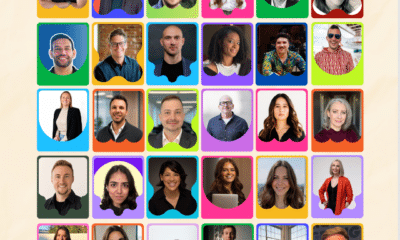
Photo: The Viralist Group team
Source: The Viralist Group
Aligning Creator Content With Brand Performance
Natasha also emphasizes the need for brands to align influencer marketing with broader performance strategy.
“One of the biggest misunderstandings is that influencer marketing is being used as a conversion driver,” she says.
While acknowledging conversion potential, she stresses the importance of integrating influencer content with paid amplification.
“When we put paid dollars into influencer content, that’s when we see actual conversions and growth,” she says, referencing past campaigns that delivered “300% ROI” when supported by whitelisting and boosting strategies.
At the same time, she sees brands upgrading their creative approach.
“Brands are getting better at trusting creators with the creative process,” she says. “Letting go of that control and trusting the creators to make their content is better in the long run.”
Preparing for Creator-Led Businesses
In the near future, Natasha expects creators to increasingly build their own companies.
“We’re seeing creators start their own businesses and ventures,” she says. “It’s no longer just an online thing.”
According to Natasha, that shift requires agencies to understand more than content strategy. It demands operational knowledge, brand development insight, and long-term career planning.
“Agencies that can support them beyond just influencer campaigns will be more relevant,” she says.
The 2026 Focus
For 2026, The Viralist Group’s goals are both strategic and focused.
“We want to become the largest AAPI-focused agency in the United States,” Natasha says. “We need to stay focused. We shouldn’t try too many different things. We need to be doing what we’re good at.”
For her, that means doubling down on cultural fluency and operational depth, and positioning The Viralist Group not just as a representative but as a growth partner in a maturing Creator Economy.
“Agencies that can offer these creators the team and the support that’s needed to start a business, they will become more relevant,” she concludes.
Subscribe to Our Newsletter
Check Out Our Podcast