




Influencer
Workfriends Bets That Vetted Trust, Not Billable Hours, Can Scale Creator Commerce

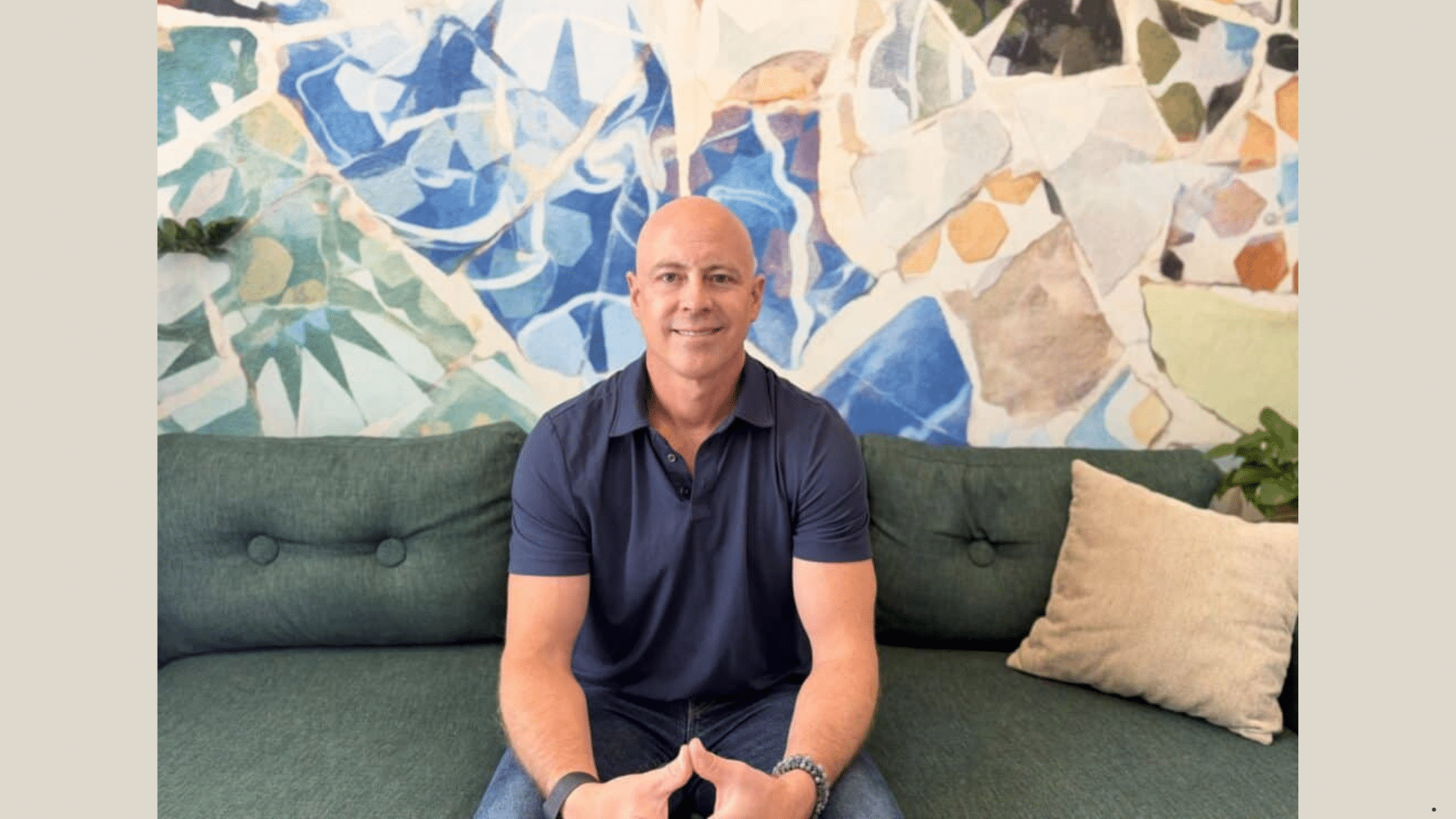
Digital media veteran Kevin McClain believes creator commerce has a sales problem. Brands are flooded with pitches, while specialized operators with the right expertise often lack a structured way to turn their relationships into revenue.
His answer is Workfriends, a revenue network launched in January 2026 that connects brands with vetted Creator Economy operators across areas including TikTok Shop, live commerce, clip distribution, and revenue recovery.
“The product is the partnerships,” Kevin says.
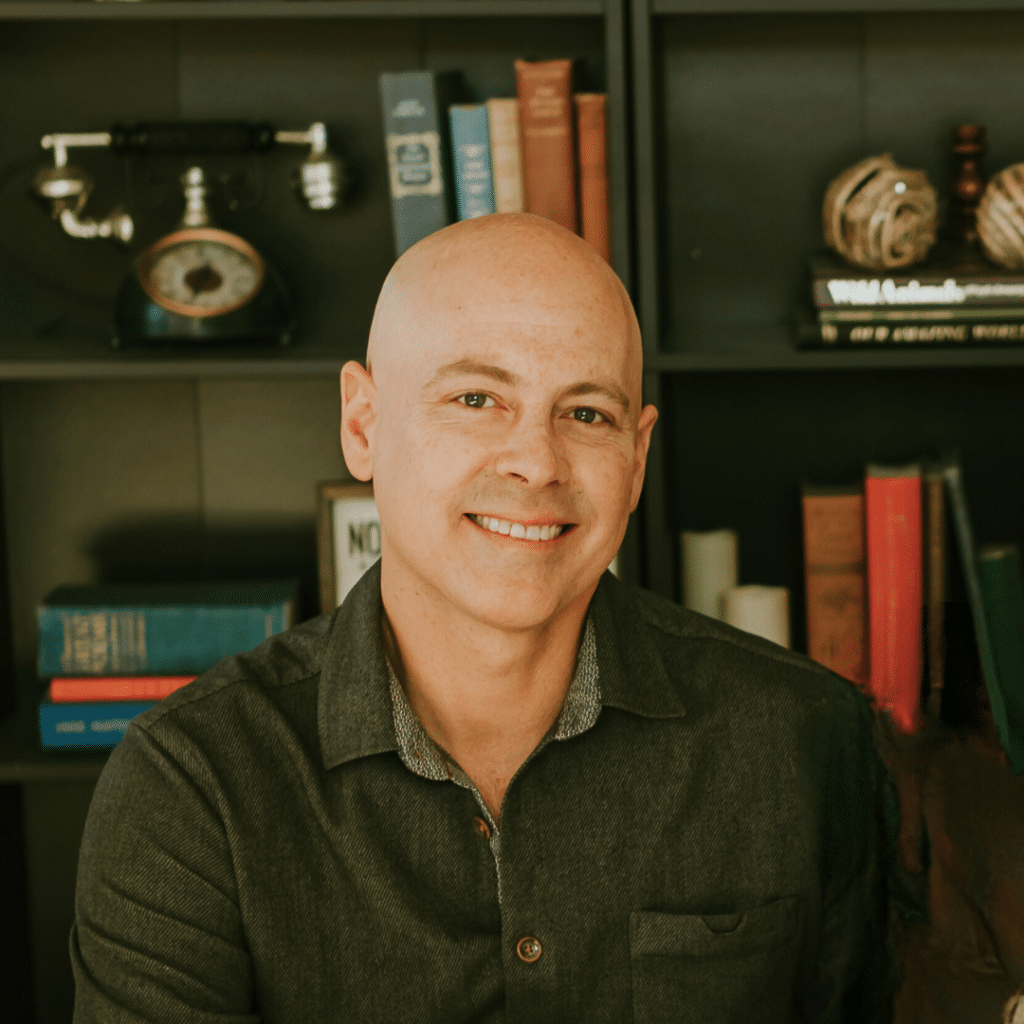
After nearly two decades in digital media and entertainment at companies including Fullscreen, Tastemade, and Influential, Kevin built Workfriends around the relationships he accumulated across the industry. Based in Denver, Colorado, the company works with founder-led providers and senior operators to create brand partnerships that are vetted before introductions are made.
Workfriends Makes Performance Revenue the Business Model
Workfriends does not charge brands directly. Instead, brands contract with the partners providing the service, and those partners pay Workfriends based on the revenue generated.
“Brands never pay Workfriends, even though we often do more work than a consultant they’d hire on retainer,” Kevin says. “Going commission only was deliberate: it removes every ounce of friction for the partner.”
He adds that Workfriends is paid similarly to an internal sales team, with compensation tied to ongoing performance instead of a one-time introduction fee.
For connectors who bring opportunities into the network, Workfriends applies the same principle. They are paid from Workfriends’ side based on the performance of the deals they help create. Exact percentages vary depending on the relationship and contribution, but Kevin says the structure is intended to reward long-term involvement.
“These aren’t referral fees,” Kevin says. “Workfriends operates as an embedded part of each partner’s company.”
The model reflects Kevin’s view that traditional agency and consulting structures create incentives around hours and deliverables rather than measurable business results.
“I’ve always thought the flawed agency model, like hourly billing, billable hours and this and that, is broken,” Kevin says. “When I started this, I’m like, let’s do it where everything is outcome-based, and everyone’s aligned.”
The Network Begins With Vetting, Not Volume
Workfriends’ approach depends on limiting the number of partners it represents. Since launching, Kevin says he has spoken with more than 50 founders and operators but does not intend to work with all of them.
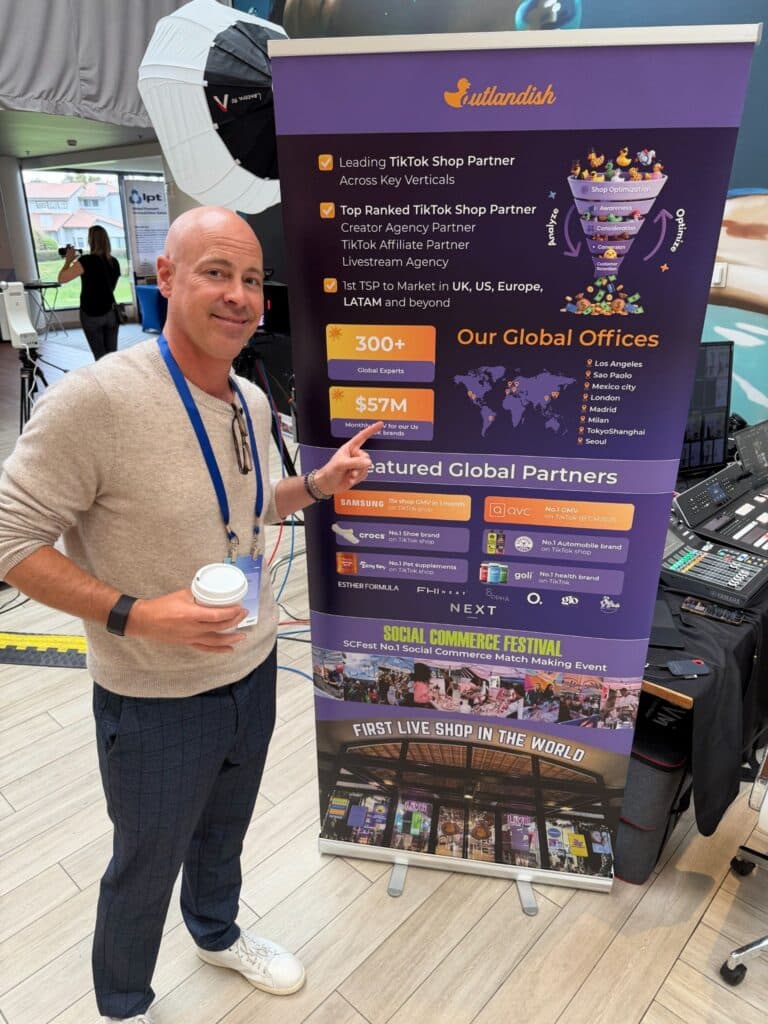
The goal is to identify companies with specialized capabilities that can solve specific brand problems. Current partners include TikTok Shop agency Outlandish, clipping company Dubble, revenue recovery company Threecolts, and Social Commerce Festival.
For Kevin, the selection process matters because many companies in emerging Creator Economy categories are competing for attention before the market has established clear standards. “It reminds me of the old MCN multichannel network days of influencer marketing,” he says. “Everyone is trying to figure out what works.”
He compares the current TikTok Shop market to the early Influencer Marketing industry, where specialized companies gained traction before larger agencies added influencer services to their existing offerings.
“The same thing is happening with TikTok Shop,” Kevin says. “You have affiliate agencies, old ecommerce agencies and influencer marketing agencies all trying to add on TikTok Shop as another service. But it’s completely different.”
For Workfriends, the role is not simply introducing brands to vendors. Kevin says the team researches potential opportunities before making introductions, using public information, company announcements, and market analysis to understand where a partner’s offering fits.
Attribution Determines Who Gets Paid
Because Workfriends’ compensation depends on performance, measurement is central to the model.
For commerce deals, Kevin says revenue attribution comes directly from platform tracking and contract definitions. Every introduction is registered with the partner from the beginning, creating a record of origination. “The revenue we earn is attributed by the platform at the sale, and it’s defined in the contracts,” he says.
That distinction allows Workfriends to separate direct performance from broader business impact. Kevin notes that social commerce can influence other channels, including Amazon, direct-to-consumer sales, and retail, but Workfriends only earns on the revenue defined in its agreements.
For non-commerce services such as clipping, the measurement approach changes. Kevin says partners use traditional digital media metrics combined with audience insights from AI tools to help brands understand which content performs and why.
The company’s positioning depends on avoiding ambiguous value attribution. Kevin argues that brands should know exactly what outcome they are paying for and how that outcome connects to the partnership.
Trust Becomes the Screening Mechanism
Kevin says Workfriends’ biggest filter is whether a potential partner can deliver on the recommendation attached to their name. “If something still doesn’t work, the brand’s interests come first, every time,” he notes.
Kevin points to a recent example involving Dubble, a clipping partner, and an entertainment company. He worked with a former entertainment industry colleague to make an introduction after first ensuring the connector understood Dubble’s offering and approach. The studio had previously tested clipping services and was dissatisfied with the experience. After an initial meeting focused on expectations and limitations, the company signed a test engagement within a week.
Kevin says the example illustrates the role Workfriends is designed to play: reducing uncertainty before a brand commits time. “A warm introduction from someone they trust beats any cold email campaign by six months,” he says.
Creator Commerce Is Entering a Specialization Phase
Kevin sees TikTok Shop as one of the areas where specialized expertise will become increasingly important. He argues that many established brands are still approaching the channel like a traditional marketplace, while the mechanics of creator-driven commerce require different capabilities.
“Right now, TikTok is dominated by these under $30 products,” Kevin says. “But in the next 12 to 24 months, every single one of these heritage brands is coming onto the platform.”
He believes companies that understand creator commerce early will have an advantage as larger brands enter the space. For Workfriends, that creates an opportunity to connect brands with operators who already understand the mechanics of emerging channels.
The company is also built around a broader employment thesis. Kevin says experienced operators increasingly need ways to create income outside traditional employment structures. “I’ve been laid off three times,” he says. “Even when the W2 works, you don’t control when it ends.”
Workfriends Wants to Scale Through People, Not a Marketplace
Kevin’s long-term vision is not to turn Workfriends into an automated marketplace. He believes technology can support the process, but the core value comes from human judgment and reputation.
“I’ve seen too many pitch decks claiming they solve everything, or have AI that does, when this is a human and trust industry,” Kevin says.
The company’s future scale depends on expanding the number of trusted operators participating in the network while maintaining quality control. Kevin compares the model to host agencies in the luxury travel industry, where independent businesses access shared relationships and infrastructure.
In the next stage, he wants Workfriends to become a vehicle where operators can build independent revenue streams through the network.
“The success metric that I look forward to is paying people a lot of money through Workfriends,” Kevin says. “I want to be the vehicle to pay money to people that are connecting and making money, and they have their own freedom.”
Subscribe to Our Newsletter
Check Out Our Podcast