



Influencer
5 Lessons From Mark Rober on Building CrunchLabs to Outgrow Its Founder

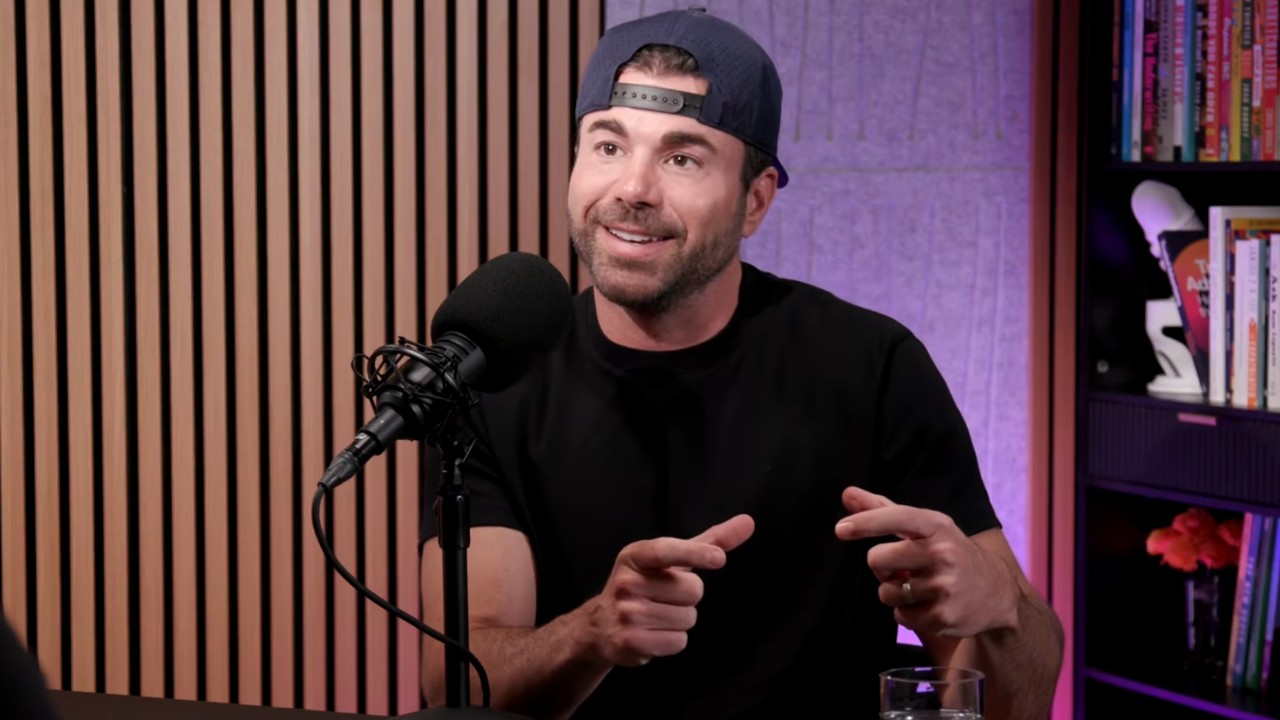
Mark Rober, the former NASA engineer and YouTuber who founded CrunchLabs, described how the company launched a free school curriculum, a separate retail toy line and a Netflix series without stepping back from YouTube, in a conversation with Fast Company‘s Josh Christensen on the “Most Innovative Companies” podcast posted to YouTube on November 6.
Rober, who said the channel started when Rober was 31 and has since earned 19 billion views, told Christensen the company is built to outgrow its founder. “I want CrunchLabs to be way more well-known than Mark Rober,” Rober said, calling that “100% the stated goal for what we’re trying to do.” NI reported in October that CrunchLabs treats its roughly $500,000 videos as a break-even cost that promotes the toy business. The new conversation added detail on retail, hiring and the classroom.
Five of the practices Rober described apply to any creator building a company.
1. Launch a product to an audience that has waited for one. Rober said CrunchLabs started with “$3 million of my own investment to get this off the ground” and that the company was “cash flow positive basically a week after we launched.” Rober credited pent-up demand from about 11 years of videos with nothing to buy. “I don’t think there is a creator with a business that has a better product market fit than what CrunchLabs is,” Rober said. Christensen contrasted that focus with Beast Industries, which has expanded into areas including fintech.
2. Build a separate product for the retail shelf. The subscription boxes CrunchLabs ships to homes are not what it sells at Target, Walmart and Amazon. “We designed a whole new set of toys,” Rober said, built so that “by the time you get home in the car, you should be able to play with it.” Each toy still comes with a video explaining the science. Rober said the line reached stores in September and claimed a fast start: “We are the second largest STEM company in retail now. Our toys were number one, two, and three bestselling STEM toys for the first month that we launched.” CrunchLabs has not published sales figures to support the ranking.
3. Hire senior operators first. Rober said the first hire was a chief operating officer with years at Google, who later brought in the company’s chief business officer. “Advice I give to other creators is like your people are everything,” Rober said. “B players hire C and D players. A players hire A players.” With more than 200 employees, Rober said culture is the concern that “does keep me up the most,” and Rober does not want to lose “that authenticity that you get on YouTube.” UK producer Tom Sharman made a similar point to NI this month about creators who fund big ideas but not the teams behind them.
4. Use the channel as distribution. Class CrunchLabs, a free science curriculum for grades 3 to 8 that YouTube partnered on in June, sits in a nonprofit that raises donations, and Rober said the team is “very, very careful not to advertise” there. Rober said the curriculum cost “over $60 million to make,” involves a team of 50 that includes 30 teachers, and will take “a week out of my month for the next five years.” Reaching schools starts with the YouTube audience: “We get a half a billion views a month,” Rober said. Rober’s case against existing materials rests on that reach. “There’s a lot of curriculum writers out there who mean well, but they’ve had to earn zero views,” Rober said.
5. Treat streaming deals as an addition to YouTube. Rober said the Netflix competition series “Schooled!” needed money up front that YouTube alone could not provide. “I couldn’t have done that by myself on YouTube,” Rober said. “By doing this project with Netflix, you know, you get this investment up front and I could create something bigger than I could just do on my own.” Rober described the conversation with YouTube executives as “super open and transparent.” Other YouTubers, including travel creator Drew Binsky, have signed Netflix deals this year.
Rober said trust is the measure that matters most, summing it up as “trust time scale equals impact.” CrunchLabs does not disclose revenue, and Rober did not offer any. “Just don’t ask me any of the numbers,” Rober said, “cuz I’m like not that well versed on that.”
Subscribe to Our Newsletter
Check Out Our Podcast