




Influencer
How Lively Lewis Media Built a Business Around YouTube’s ‘Made for Kids’ Constraints

Seven million subscribers were never the hardest part. For Alexa Lewis, the harder problem was figuring out how to build a business around a “Made for Kids” YouTube channel that, by design, couldn’t fully monetize the audience watching it.
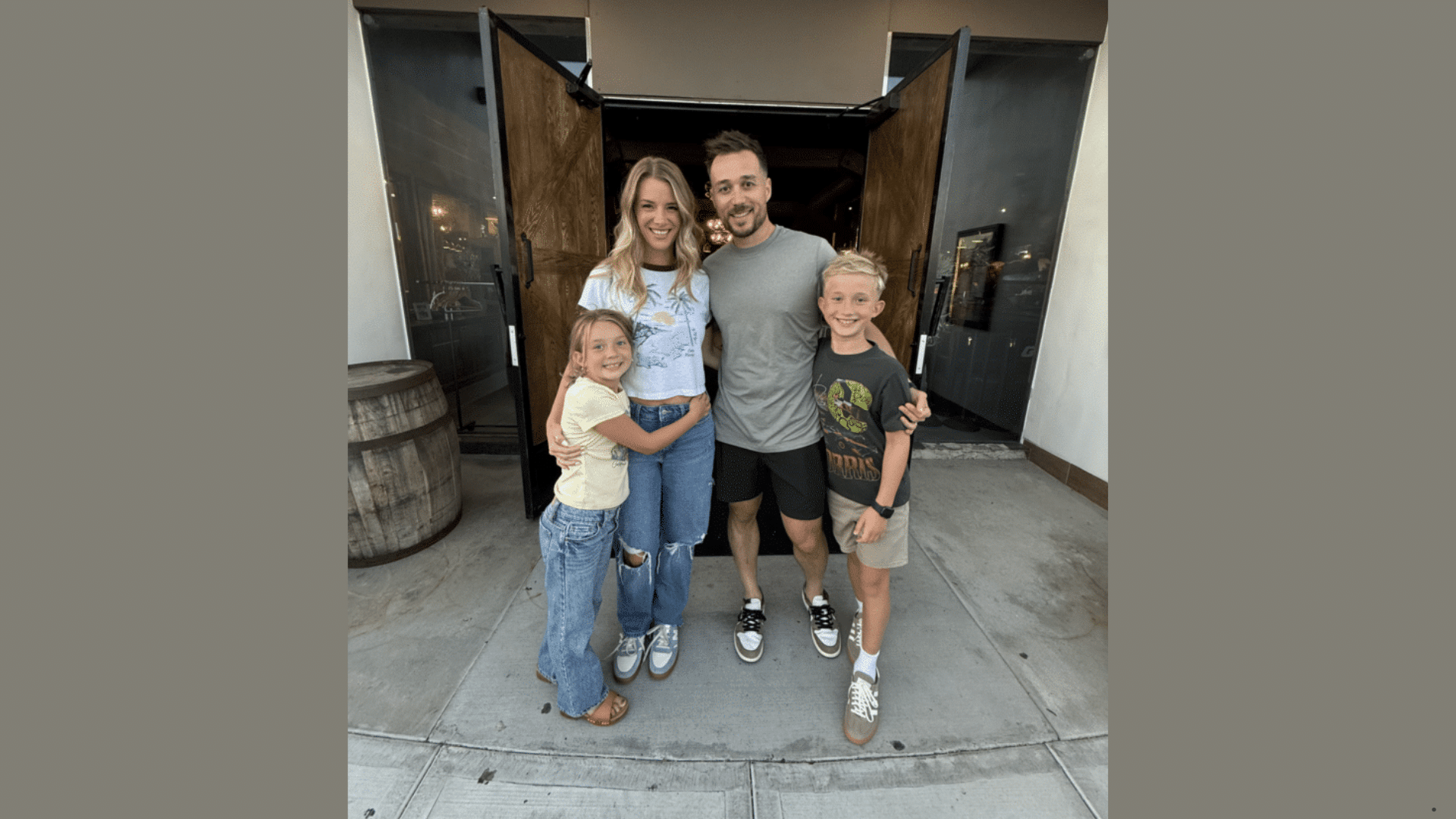
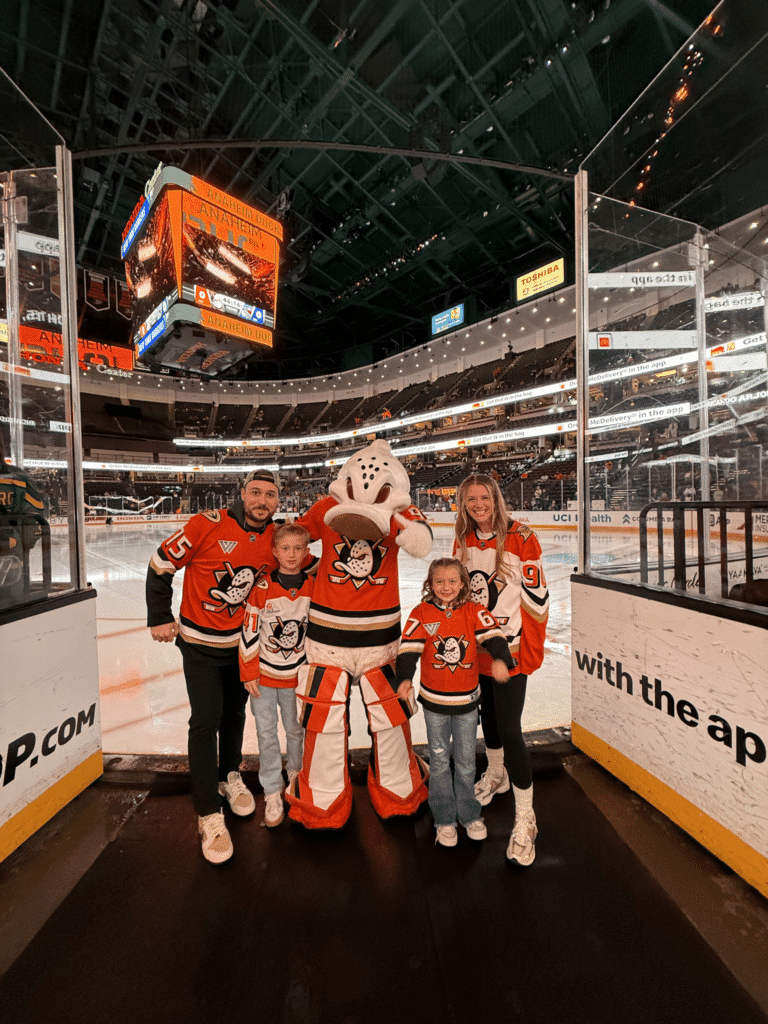
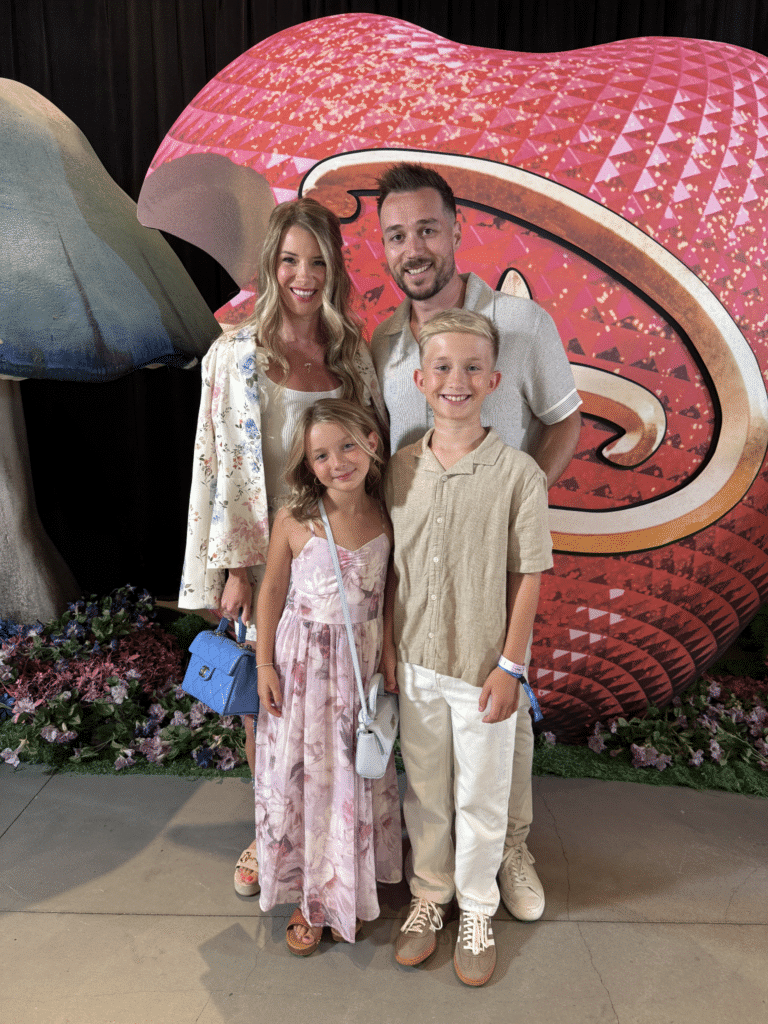
Alexa creates content with her husband Eric and their children, Levi, 10, and Ivy, 8, under the Lively Lewis Media name, based in California. The operation spans three distinct properties: “Lively Lewis Show,” a Made for Kids channel with more than seven million YouTube subscribers; “Lively Lewis Family,” a broader channel aimed at the whole household; and a kids storytelling podcast available on Apple Podcasts, Spotify, Amazon Podcasts, and iHeartRadio. A six-person team handles writing, editing, brand partnerships, YouTube strategy, and thumbnail design, with an in-person assistant working out of the family home five days a week.
It took over four years of building before the economics aligned with the scale. “On paper, we’re really successful because the people are watching,” Alexa says. “But there wasn’t the piece of being able to be like, ‘This has legs.’”
What it took to build those legs was not a presence across every available platform, but a portfolio of products designed to work around the structural constraints of the category the family had chosen to lead.
The Channel That Couldn’t Pay Its Own Editor
“Made for Kids” content on YouTube operates under Children’s Online Privacy Protection Act-based compliance requirements that limit personalized advertising. CPM rates in the category run well below what general-audience channels command. The distance between subscriber count and revenue can be wide enough to prevent a growing channel from staffing up at all.
“The financial piece doesn’t match the views,” Alexa says.
For four years, the family ran the operation themselves. Alexa wrote scripts. Eric handled research and editing. “It’s so low to where you can’t even pay yourself editing fees,” she says of the category’s monetization rates. “The Lively Lewis Show” was building an audience. The business that could pay a team was not there yet.
That changed only when the family built something else. “Lively Lewis Family” operates outside “Made for Kids” rules and targets the whole household rather than children specifically. That channel brought the monetization rates the kids channel couldn’t, and it created the financial foundation for building a team.
Three Products, Not Five Platforms
The conventional advice for creators facing platform or revenue risk is to expand across channels. The Lewises went in a different direction: they diversified what they built, not where they appeared.
The second YouTube channel addressed more than a monetization problem. As Levi aged out of “Made for Kids” content, “Lively Lewis Family” became the natural home for his ideas. “So many of the ideas that we have on our Family Channel are because Levi came up with them,” Alexa says.
The podcast came from a different source. Alexa’s grandmother told her adventure stories at bedtime, and she wanted to create something that occupied a similar space for children who had used up their screen time for the day. “There was some weird part of me that wanted there to be some sort of a legacy that lived on,” she says.
The standalone merchandise shop exists because “Made for Kids” channels cannot link to external products. “It just made more sense for everything to be housed in one place rather than having it as a TikTok Shop or an Instagram Shop,” Alexa says. The current line includes plush toys modeled after Levi and Ivy, alongside print-on-demand pieces, and the family is now redesigning toward what Alexa describes as a lifestyle brand.
Platforms that didn’t serve those products stayed small by design. Instagram sits at roughly 6,000 followers, with Alexa and Eric recently starting couples content there, keeping the children on YouTube where the “Made for Kids” audience lives.
Six People and a Machine
The product expansion created the conditions for building a team. Alexa traces the team by role: Maddie, the script writer, has been with the family since 2020. Ryan, the editor, joined around 2021 and later developed “Questy,” an animated series on the kids channel that Alexa describes as movie-quality. Eddie Pietzak of CESD Talent Agency, the brand deal agent, has managed partnerships since 2020.
Murray, a YouTube strategist, serves as the idea filter, helping the family assess what will hold retention and whether a concept fits the audience. Dill handles thumbnails.
“It doesn’t take seven people to make that happen,” Alexa says of the common assumption that family content is a matter of pointing a phone at your kids.
The most recent hire, an in-person assistant named Anna, works at the family home five days a week and comes with her own content creation background. Her arrival returned something six years of production had consumed: available time. “She’s opened up a lot of time for us,” Alexa says. “My husband and I are taking the kids to the trampoline park or taking them to go do something fun.”
By the end of 2024, with the team in place and Lively Lewis Family generating revenue alongside the kids channel, the Lewises arrived at the assessment they had been working toward. “I think we might have done it,” Alexa says. “I think we might have created something.”
Creative Control Is the Only Term That Matters
Brand deals arrive through Eddie, who filters incoming inquiries before they reach Alexa and Eric. What clears that process still faces one more test: whether the brand is willing to let the family make content for its own audience rather than produce an advertisement.
“If you want us to make you an ad, we’re probably not that brand for you,” Alexa says. “Our audience isn’t going to appreciate that.”
That standard developed from experience. Early campaigns built around product specs and collection messaging failed with a kids audience. “That came from actual experience of us not pushing back on the brand and saying, ‘Hey, this is too pitchy,'” Alexa says.
The partnerships that return, she adds, are the ones that extend creative trust. “We really have a beautiful working relationship where they respect what we do, and we respect what they do,” she says.
A Category With No One Coming In
The near-term concern for the Lewis family is the lack of new creators in the space. “I don’t know any new kid content creators coming in,” Alexa says. “When you look into the actual ‘Made for Kids’ space, it is desolate.”
She notes that family channels built during the pandemic are aging with the children on screen. The audience that found “Lively Lewis Show” as “Made for Kids” content will move on, and Alexa sees no cohort ready to replace them. “If you don’t get the audience when they’re little, they’re not going to age into that content,” she says. “Families like mine are going to age out of that.”
Her proposed fix requires a platform-level change. “It can’t only be the Nickelodeon and the Disney channels,” she says. “I don’t know what’s going to happen if YouTube and these laws can’t work together to find a space.”
What the Videos Were For All Along
A media business built channel by channel, hire by hire, deal by deal eventually has to account for what it was actually for. For Alexa, the answer is not measured in subscribers.
Before Lively Lewis Media, family time compressed into the single hour between Eric’s workday end and the children’s seven o’clock bedtime. Content changed the structure of their days entirely. “My husband and I would both agree our kids are our best friends,” Alexa says. “The fact that we get to live in our home with each other and just get to hang out all the time is the biggest blessing of all time.”
The audience legacy she wants is specific: viewers who grew up watching and felt they saw what a healthy family actually looks like and knew they were welcome in it. “We will be that parent to you,” she says, addressing viewers who may not have had one. “We will tell you you’re special, and we’ll tell you that you’re amazing and that you were designed exactly as you’re supposed to be.”
For Levi and Ivy, who have been in the videos since before they could fully articulate why, the hope is simpler.
“I hope they look back and they’re just like, we did good,” Alexa says.
Subscribe to Our Newsletter
Check Out Our Podcast