





Talent Collectives
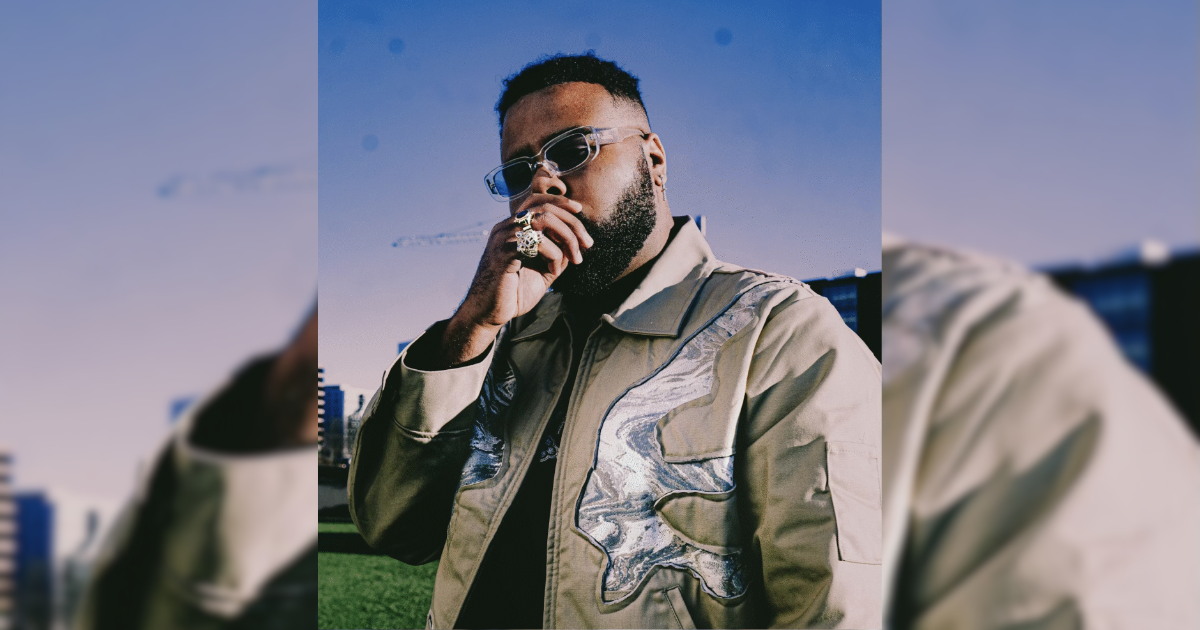
Keith Dorsey on Scaling Live-First Creator Infrastructure in Atlanta

Keith Dorsey believes the future of creator management won’t be built solely on brand deals. It will be built around platform-native monetization, infrastructure, and ownership.
As founder and CEO of Atlanta-based Young Guns Entertainment, Keith leads a Black-owned social media talent management agency representing more than 1,000 creators who generate income from platforms such as TikTok Live, Snapchat, YouTube, Instagram, and Twitch.
“My thing is, where is the money in this industry? How is the money evolving? As a creative manager, I have to be ahead of that,” he says.
That question led him to build a live-first creator ecosystem that extends beyond management into production, streaming, and data-driven incubation.
Architecting a Creator Ecosystem in Atlanta
Keith entered the Creator Economy during the Vine era, initially managing a close friend who was gaining traction online. At the time, formal creator management barely existed.
“I was the one to make sure that they were getting paid properly,” he says. “Making sure they didn’t mess it up. I would be managing the chaos.”
As short-form video moved from Vine to Instagram and later TikTok, Keith noticed that creators in Atlanta were driving culture, particularly viral dances, without receiving equal recognition or economic leverage compared to their Los Angeles counterparts.
That imbalance became particularly visible during the “Renegade dance controversy,” when Atlanta creator Jalaiah Harmon did not initially receive credit for originating the viral choreography. The subsequent New York Times feature positioning Atlanta as “the new influencer capital of America” amplified attention on the city’s creators.
That exposure helped catalyze Collab Crib, which Keith describes as the first Black content house in the United States.
“We didn’t have any money. We didn’t come from parents who could just give us a million-dollar house. All we had was us and a dream,” he says.
Instagram’s early Reels budget provided initial financial support as the platform competed with TikTok. Deals were smaller than those secured by larger West Coast houses, but Keith reinvested revenue into equipment and production.
“We did right by the money. The little money that we did get, we invested it back into what we were doing,” he says.
As the content house model cooled, Keith pivoted again.
The Live Streaming Pivot
In 2022, Keith opened Collab Studios ATL, a 5,000-square-foot production facility in downtown Atlanta. But his most notable strategic move came when TikTok introduced him to its live creator network agency model.
Initially, he was unfamiliar with the scale of the live-streaming agency ecosystem. “I didn’t know this was an industry. I was oblivious of it,” he says.
Then he saw the revenue potential.
“When I first started, we had creators who had 7,000-10,000 followers who were making a few thousand dollars a week [through live gifting]. One hundred thousand followers making $50,000 a month,” he says. “I was like, ‘Wait a minute…’”
Through Young Guns, Keith now works with 549 live creators and, as he shares, the agency generates roughly half a million dollars in monthly live revenue. “They’re not really short-form content creators. They’re just live creators, and it pays weekly,” he says.
The appeal, he explains, is reliability. Brand deals fluctuate. Platform monetization runs continuously.
“For years, we were focused on Snapchat. We were doing about $6 million gross annually for creators on Snapchat,” he says. “With TikTok Live, I was like, ‘This is my focus now.’”

Why He Calls It a Media Company
Young Guns no longer frames itself purely as a talent agency. Keith describes it as a blend.
“We’re kind of like a hybrid between agency and media,” he says.
The distinction reflects a shift in how the company generates revenue. Rather than relying exclusively on sponsorships, Young Guns partners directly with platforms on monetization programs, onboarding initiatives, and amplification strategies.
Even at live events, Keith evaluates activations through a creator-operations lens.
“If the Wi-Fi is not working, it’s not going to work out,” he says. “YouTubers can’t film with loud music because it’ll get copyrighted. They need a plus-one to hold their camera.”
His view is that many brands misunderstand the mechanics of creator production. Access and flexibility matter more than traditional event rules.
“If you don’t understand the ecosystem of creators, you’ll mess it up,” he says.
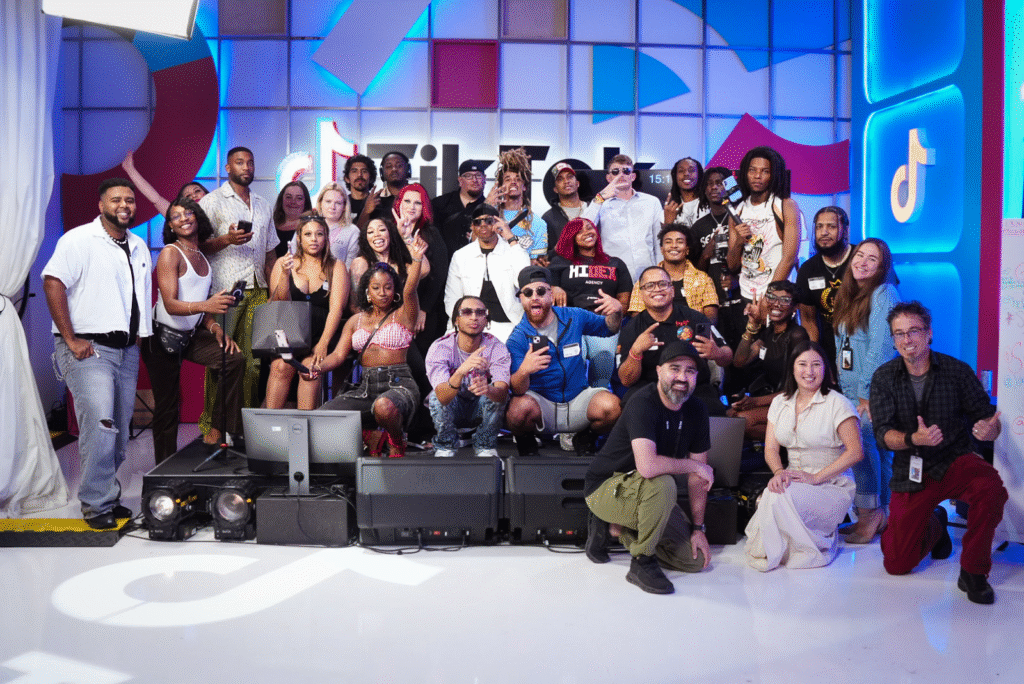
Data, Distribution, and Incubation
Beyond live streaming, Keith is building vertically integrated tools around his roster. Through distribution partnerships, his team can monitor streaming data for artists and analyze performance spikes.
“He had a spike in his streams. It tells us a date,” Keith says of one client. “I said, okay, your people love that. Let’s do more of that content.”
The strategy is shifting from campaign management to brand incubation. “Creators are becoming brands and companies,” he says.
He points to examples like MrBeast’s Feastables and Jake Paul’s product launches. The next phase, he believes, requires infrastructure that mirrors traditional music labels or media conglomerates.
“We have our own tools within our own house,” he says. “We don’t have to go begging Amazon or begging Netflix. We have the power.”
Young Guns also operates Collab+, an OTT (Over-The-Top) streaming platform where creators can launch shows and test original programming concepts internally.
The Next Three Years
Young Guns currently generates approximately $13 million in creator earnings annually, according to Keith. His three-year target is to scale that to more than $150 million in gross creator revenue.
That growth, he notes, depends on operational expansion. The team currently consists of five to six people. Keith wants to grow to 20 or 30, building a departmental structure similar to major agencies.
“You know how a music label can just sign an artist and next thing you know they’re at the Grammys?” he says. “I want to know where we can incubate these creators and these businesses.”
For Keith, the throughline is adaptation. The Creator Economy is maturing. Monetization is diversifying. Agencies must adapt accordingly.
“We didn’t start because of money. We started because we were having fun,” he says. “This little boutique friend thing turned into a huge agency.”
Photo source: Young Guns Entertainment