

Strategy
SAMY & L’Oréal Launched TikTok Shop in Spain Together: Here’s What the First Year Taught Them

When TikTok Shop launched in Spain in late 2024, most beauty brands were still debating whether to participate. L’Oréal Group started testing the format and never stopped. By early 2026, SAMY, the Influencer Marketing Agency running L’Oréal’s social commerce program in Iberia, had delivered 18 live shopping events for the group, totaling 42 hours of live content, with new sessions running nearly every week. The lessons built into that program are now shaping how L’Oréal approaches social commerce across Europe.
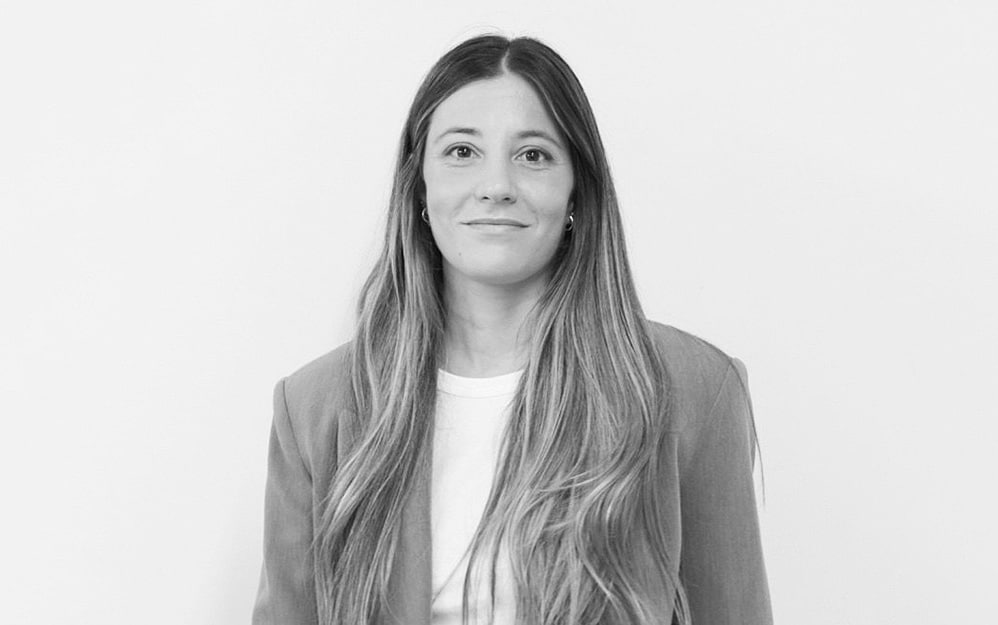
The program was led by Patricia Aragon, Global Head of Social Commerce at SAMY, and Fabiola Guerrero Ros, Head of Advocacy and Influencer Marketing at SAMY Iberia. Patricia joined SAMY in 2024 after 10 years at L’Oréal, where she served as Chief Digital and Marketing Officer for the Luxe division across 9 Latin American markets. Fabiola has spent 12 years at SAMY, most of them running influencer programs across Spain and Europe, and has managed the L’Oréal Group account in Iberia since 2023, when SAMY won back the business through a competitive pitch.
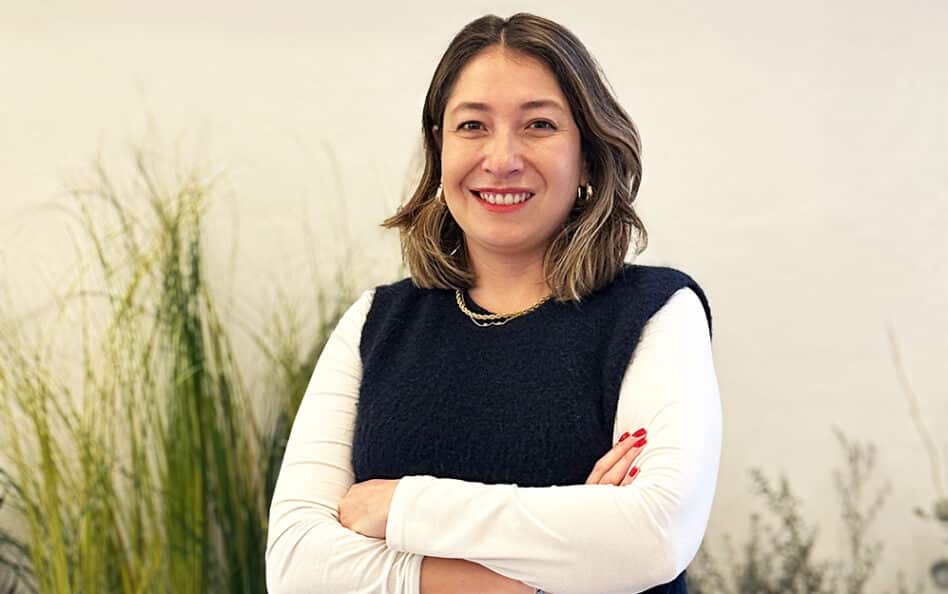
“This wasn’t just a campaign,” Patricia says. “It was a way to create a blueprint of our operation and how we could scale it.”
L’Oréal Paris was the entry point, the brand’s most prominent consumer label, and the logical test vehicle for a format that had already proven itself in the UK. Spain was a different market with different consumer behavior, and there was no guarantee that live commerce would travel well.
Fabiola describes the timing as deliberate. SAMY launched L’Oréal’s first TikTok Shop in Spain at the same time the TikTok Shop itself went live in the country. “They relied on us to design the strategy because we had experience in other markets,” she says. “They not only wanted to test, they wanted to take this further because they knew it worked.”
The program expanded from L’Oréal Paris to Maybelline, NYX, and Garnier as the formula took shape. The 18 publicly documented live events, totaling 42 hours of live content, reflect only a portion of what has since become a near-weekly cadence. A live shopping session ran the same morning as the interview for this article.
Live Shopping Has Different Rules
The central argument Patricia and Fabiola make is that live shopping is not a variation of e-commerce. It operates on different consumer psychology, requires different creator profiles, and demands a different operational structure.
“In a traditional e-commerce channel, the consumer has a convenience mindset,” Patricia explains. “They already know what they want. Here, they have emotional triggers. They discover things, get surprised. That’s a different trigger versus what e-commerce usually has.”
The format rewards creators who can hold attention in real time, not just those with large followings. SAMY evaluates candidates on their ability to sustain a live audience through energy, product credibility, and responsiveness to chat. Fabiola notes that creators were selected either because they already hosted live formats on their own channels or because SAMY had enough history with them to know they wouldn’t break under the pressure of a live stream.
“The creator’s connection is their currency,” Patricia adds, “and that currency is tested in real time because they need to take the consumer step by step on the purchase journey.”
What’s Happening Behind the Stream
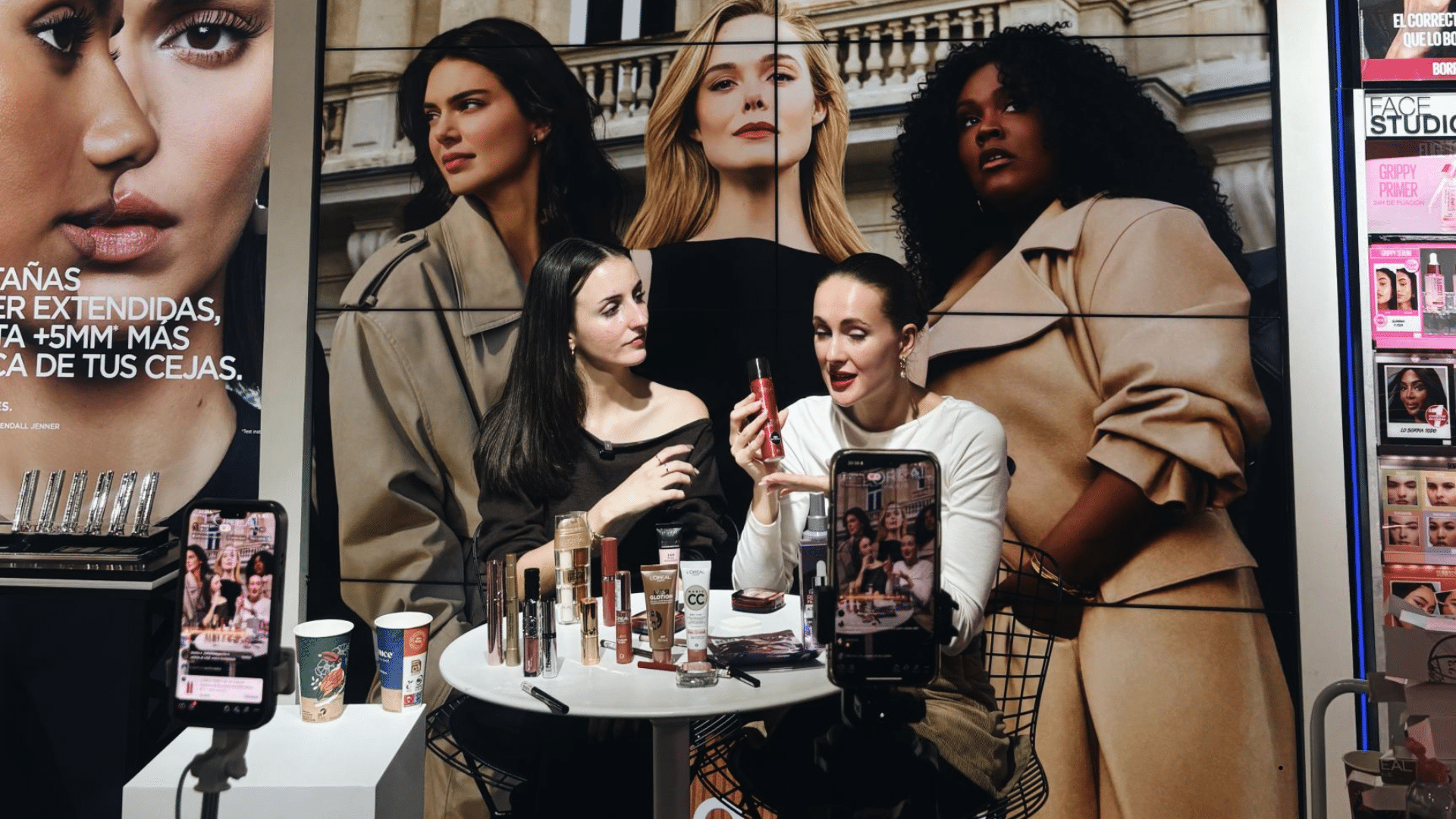
The production infrastructure behind a SAMY live shopping event runs deeper than most brand campaigns. While a single creator is on screen, a coordinated team is operating simultaneously across multiple functions.
One person monitors inventory and manages the product queue, ready to shift to another item if stock runs out. A separate team manages the chat, answering questions in real time and surfacing product information that nudges undecided viewers toward purchase. A production team handles technical quality. A logistics coordinator manages guest creator transitions, ensuring no gaps occur between participants.
“One way of increasing conversion is to generate this connection with the people that are actually watching and asking questions,” Fabiola explains. “In real time, you answer, and they say, ‘Okay, now I can buy it.'”
Patricia adds that one critical and easily overlooked function is reminding the audience how to purchase. In a market where live shopping only arrived a year ago, not every viewer knows how TikTok Shop checkout works. “You will have so many people joining in different moments,” she says. “You need to make sure you’re speaking with the audience that is there.”
Some events took place at brand activations rather than dedicated studios. One live stream ran during a Maybelline party, with rotating guests cycling through 15-minute appearances, giving the broadcast multiple voices and energy shifts across a four-hour window.
Spain Outperformed Expectations
Neither Patricia nor Fabiola expected the Spanish market to respond as quickly as it did. The UK had already demonstrated what live commerce could do. Spain was an open question.
“When you looked at the numbers at the beginning, they didn’t look amazing,” Fabiola says. “But then people were actually going into the lives and shopping for products.”
The volume and quality of consumer questions during live events also surprised the team. Viewers were asking substantive questions about product performance, application technique, and formulation, not just reacting to celebrity appearances. Both Patricia and Fabiola believe that engagement level signals genuine purchase intent rather than passive entertainment consumption.
Patricia sees Spain’s response as a signal worth watching, given that larger markets like the U.S. have not yet shown the same uptake. “The consumers are really engaging in this format,” she says. “That’s not the case in bigger markets. So that is a signal for me that this is a good lever to keep accelerating.”
What Brands Don’t Understand About TikTok Shop
The most persistent mistake brands make, according to both executives, is assuming they know which products will sell before they test. The live commerce environment surfaces consumer demand in ways that planning sessions and focus groups do not.
“Who would have thought that toilet paper was going to be one of the greatest hits in TikTok Shop?” Fabiola says. “There are products that you might think of as a brand that are not shoppable within this environment. And suddenly the consumer loves it.”
The other common error is treating the first live event as a deliverable rather than a diagnostic. Patricia is direct about this. “The first live is always the learning lab,” she says. “You need to understand what the best times are, does this host have the right chemistry, what are the key questions that people are really interested in?”
That iterative posture requires a different kind of brand readiness. Not just a TikTok Shop account, but the internal agility to respond to consumer signals and pivot product positioning between events. “You need to be agile enough to respond to that demand and not wait,” Patricia says. “You need to be there.”
Building the Next Phase
The program in Spain is ongoing, and SAMY is in early development on work for L’Oréal in the UK, a market where TikTok Shop is already more mature, and consumer behavior is more established. Each market operates on its own timeline. The agency’s job is to assess readiness and design the entry accordingly.
For brands still watching from the sidelines, both executives frame the calculus simply. The consumer behavioral shift has already happened. The question is whether brands are structured to meet it.
“The world has changed, and the consumer did that,” Patricia says. “Now it’s about responding to those consumer needs because people are there. So are you, as a brand, ready to be there too?”
Subscribe to Our Newsletter
Check Out Our Podcast