






Platform
After a Decade Building Snapchat’s Sports Business, Emma Wakely Is Taking the Playbook Everywhere

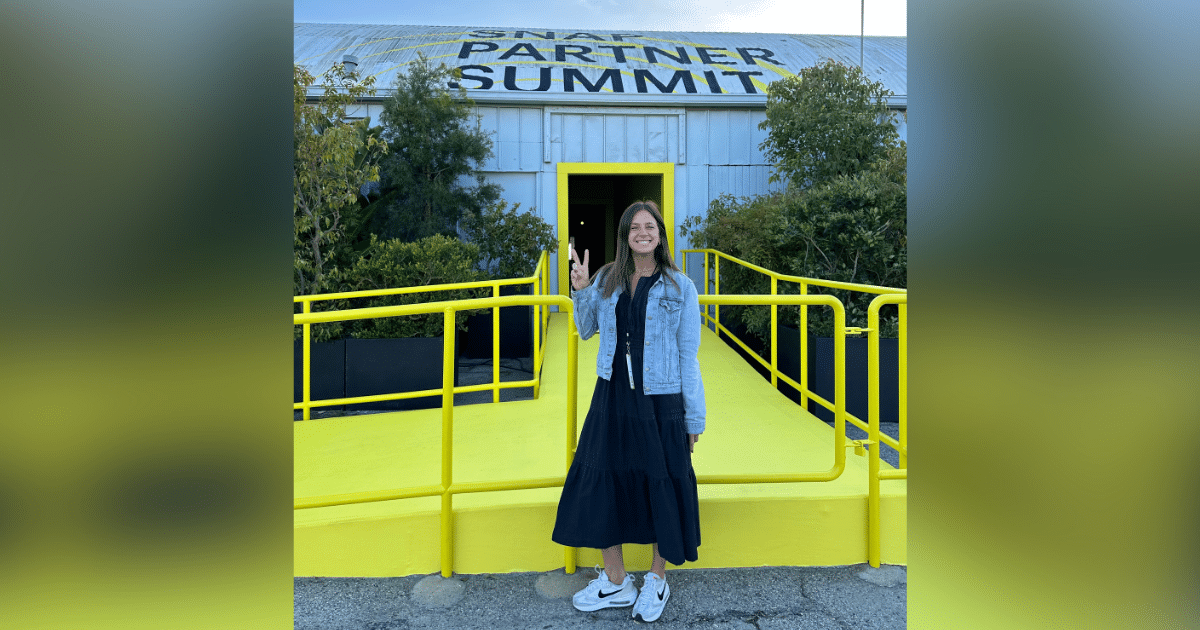
Gen Z sports fans increasingly follow athletes rather than teams, willing to shift allegiances when a player moves. Snapchat noticed that behavioral pattern early and built its sports strategy around it. In June, the company promoted Emma Wakely, the executive who helped construct that strategy over 11 years, to Head of Sports and Media Partnerships.
Emma joined Snapchat in 2015 at the company’s Los Angeles headquarters, initially hired as a content producer on a format called “Live Stories.” She moved from content production to strategic partnerships to overseeing Snapchat’s North America sports business, expanding the platform’s relationships with leagues, teams, broadcasters, athletes, and creators along the way. Her recent promotion followed the elevation of her predecessor, Anmol Malhotra, to Global Head of Content and Partnerships.
“It’s impressive to see that evolution over the last decade, especially in the sports and media space,” she says. “Just seeing a public figure, whether you’re a musician or an athlete, or even a brand, become a creator in their own right has been extremely compelling.”
Snapchat, founded in 2011, built its audience largely around younger users, and the platform now reports 215 million people watching sports content each month. Emma’s new remit consolidates sports, media, news, and global events under a single portfolio. Her near-term mandate is to determine whether the infrastructure her team built in sports can be applied to those adjacent verticals, beginning with a listening tour of media partners she has not worked with directly in several years.
Gen Z Follows the Athlete, Not the Club
The insight that most directly shaped Snapchat’s sports strategy came from watching how younger users relate to athletes. “A Snapchatter might care more about an athlete than the actual sport,” Emma says. They follow athletes from team to team rather than maintaining die-hard allegiance to a club”, she adds.
For older generations of fans, the contrast is generational: Emma describes her parents as the kind of people who would “be appalled” if she switched football teams to follow a player. What Snapchat has observed in its younger user base is a more personal bond, one built on direct communication between athletes and audiences that supersedes institutional ties.
That shift has platform implications. If attention follows the individual rather than the institution, content strategy has to follow accordingly. Sports content on Snapchat is organized around stories told by specific people as much as by events themselves. “They have such direct communication with these athletes, in an intimate way that has never really existed before social media,” Emma says. “That creates a relationship that is very unique.”
The second-screen behavior Emma describes reinforces this. Most sports consumption among viewers under 30 involves a phone running alongside a television, she says. Social content drives broadcast interest as much as the reverse. “Candidly, people are watching TV and watching games because of what they’re seeing on social,” she says. That loop between digital and broadcast has become one of the organizing logics of Snapchat’s sports business.
Creator Programs Are No Longer Optional at Major Events
When Snapchat first began embedding creators into major sports events, the approach was experimental. That phase has ended. “With almost every sports league now, or every big tent-pole moment, we have what we call Creator Programs,” Emma says. “The more significant development is not the programs themselves but the standard they reflect. Now it’s not even like a test anymore. It’s like an expectation.”
A Snapchat Creator Program typically bridges the platform’s internal talent team with its sports partnerships group, matching individual creators with league partners to produce content neither side would generate independently. The matchmaking is deliberate: a food creator paired with a sports league because food anchors the live-event experience across many sports; a comedian sent to a game to reach an audience that follows her, not the sport.
The logic reflects what Emma sees as a fundamental shift in how sports media gets made, not through official channels alone, but through the specific people audiences choose to follow into each moment.
A World Cup Told Through Eight Different Voices
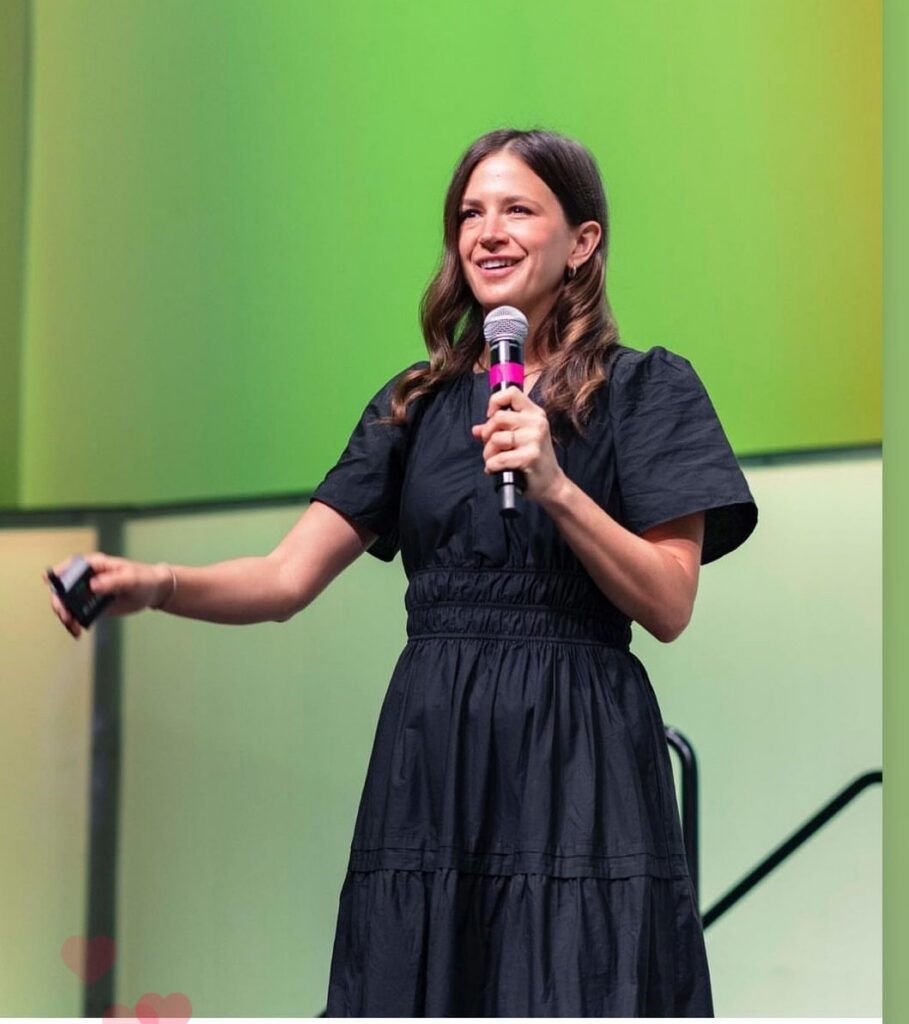
This summer’s FIFA World Cup offered a concentrated test of that model. Snapchat sent approximately eight creators to different games, each selected to speak to a distinct segment of its audience. Lifestyle creator Alix Earle attended the final at MetLife Stadium in New Jersey. The rationale had nothing to do with sports expertise. “There are millions of fans that maybe love her, want to see her get ready” to attend the World Cup, Emma explains. “Yes, they might not be die-hard sports fans, but she’s telling the sports fan story through her eyes.”
Comedy creator Ross Smith attended a game with his 99-year-old grandmother, generating content built around the cultural experience of the tournament rather than the match itself. A food creator covered another game. The common logic across all the selections was reach: each creator brought a distinct audience to the same event.
“It really is learning about sports and these moments through the creators’ storytelling,” Emma says. “They’re each unique.”
Elite Female Athletes Now Have a Four-Month Path to Creator
One of Snapchat’s more calculated creator investments focuses on elite female athletes who are publicly recognized but have not yet built a content voice on social platforms. Last year, the platform ran a four-month incubator enrolling nine athletes at the top of their respective sports.
“They’re public figures, people know who they are, but they maybe don’t tell content creation stories on social,” Emma says. The program was designed to develop that voice over a structured training period. She describes the first iteration as “incredibly successful” and says a second is expected within the next several weeks.
The program reflects a core assumption in Snapchat’s creator strategy: the transition from recognized public figure to platform creator is teachable, and that the platform has a direct interest in accelerating it. The incubator also extends the same pattern Emma describes elsewhere, turning an organic audience relationship into a formalized content operation.
The Sports Model Gets Its Broadest Test Yet
Emma’s promotion formalizes what she describes as a translation project. “I’m taking all of this institutional knowledge I’ve had for 10 years, and I feel like I can really centralize the strategy,” she says. “Can we apply that to our news industry on Snapchat? Can we take that to our international partners across the globe?”
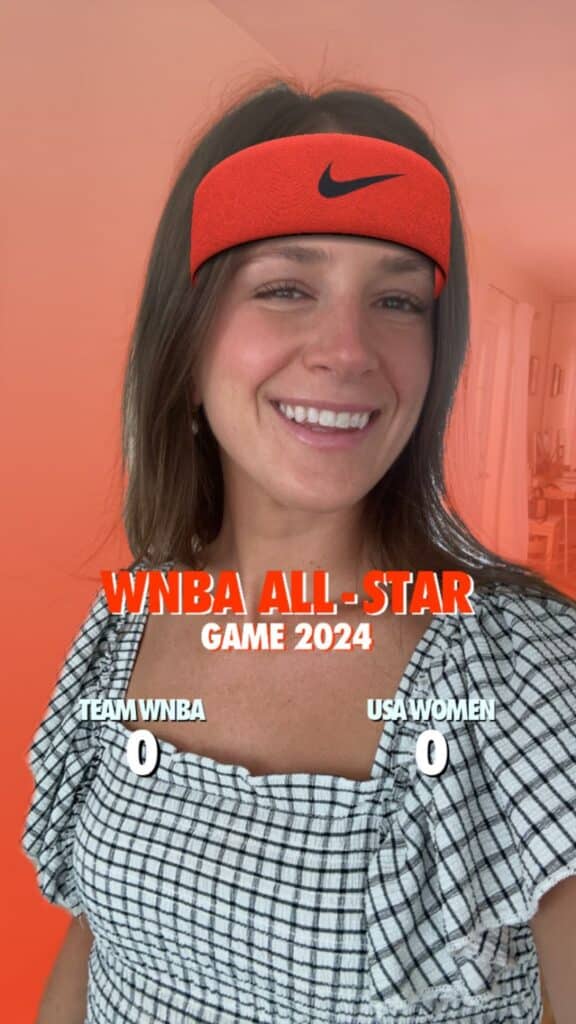
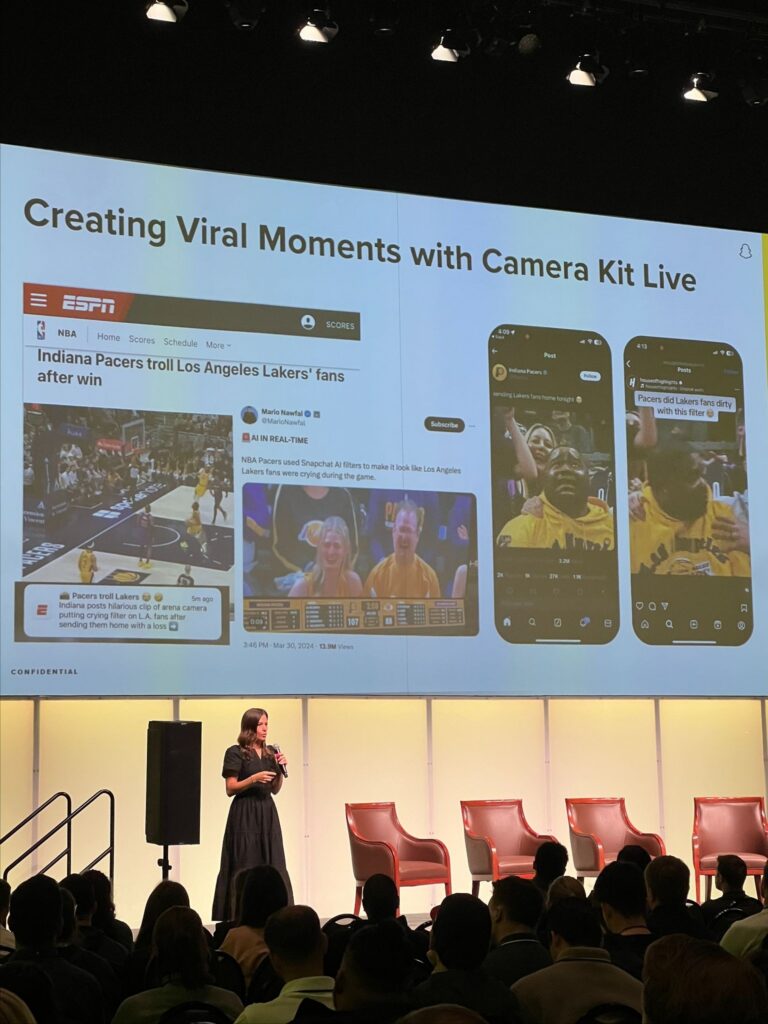
The near-term experiments already underway include creator programs for music festivals, training for journalists who want to tell stories on social platforms, and AR activations at e-sports events. Snapchat is currently deploying Snapchat Cam, its in-venue AR technology, at the Gaming World Cup in Paris. The same technology has been used in the NBA, where the Indiana Pacers deployed a lens displaying a crying overlay on Lakers fans inside the arena. “It goes viral,” Emma says, “because people just like it; it’s as engaging as it is funny.” A product called “Topics,” global public group chats, was piloted with the NBA Finals in June and is now expanding to additional partners.
Across all of these, Emma notes the method is consistent with how Snapchat has always built its sports business: find what users are already doing, then build the partnership layer on top. “All of our sports partnerships evolve off of our platform’s organic products,” she says. “Copy and pasting what has worked into other parts of our business and scaling that globally” is how she frames the near-term ambition.
Building From the User Outward
Emma has spent most of her professional career at one company, and she is candid about why. “If I have an idea, more or less, I can run with it,” she says. Multiple colleagues on her team have also been at Snapchat for a decade or longer. She credits that stability partly to working somewhere she genuinely uses as a product.
The principle behind everything she describes is consistent: find what the community wants first, then build around it. “We really want to meet the demands and the interests of our community and how they use our platform, and how they want to engage with partners, creators, content, AR,” she says. Whether the sports model translates cleanly to news and media is still an open question. The sports business took a decade of iteration to reach its current form.
“After I do this roadshow of understanding, I’m hoping to put together a larger strategy of what we can do to scale and help these partners,” Emma says.
Subscribe to Our Newsletter
Check Out Our Podcast