The 2026 FIFA World Cup has exposed two competing approaches to brand marketing. Some companies have built creator-led campaigns around the tournament, turning matches into social content and fan conversations. Others have relied on the traditional playbook of official sponsorships, logo placement, and stadium visibility.
The group stage alone generated more than 1.1 billion hours watched across the livestreaming platforms tracked by Streams Charts, highlighting how much fan attention now extends beyond licensed broadcasts and onto creator-driven platforms.
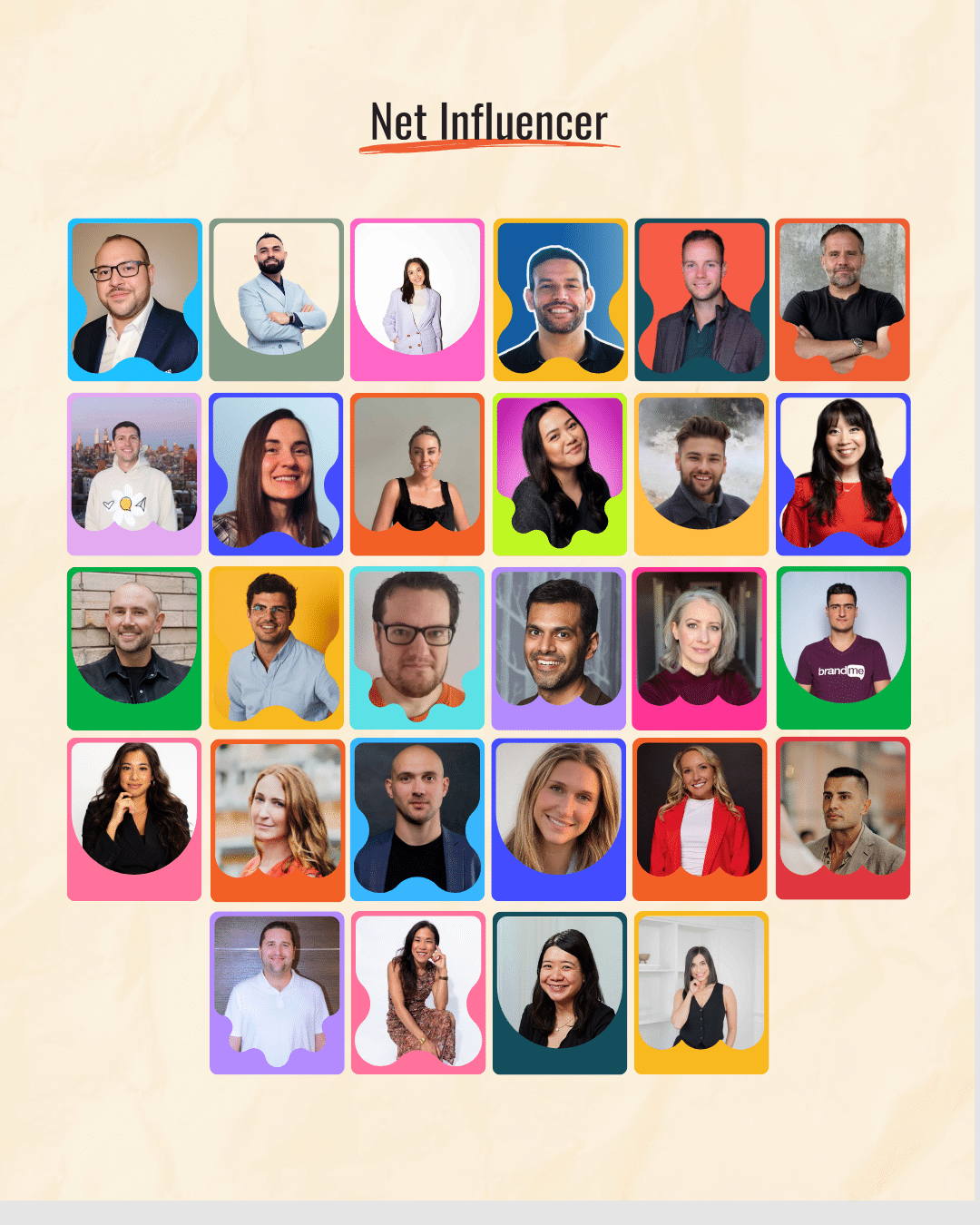
With the final set for Sunday, we asked 28 Creator Economy professionals which approach is delivering stronger results and what brands can learn from this year’s tournament.
The biggest mistake brands make around the World Cup is thinking they bought attention, when what they actually bought was permission to compete for it.
Official sponsorship still matters – rights create legitimacy and access. But creators create gravity.
We’re watching a structural shift in sports media: fans increasingly experience major moments through creators, athletes, group chats and algorithmic feeds before official broadcasts. The logo may be on the stadium wall, but the conversation is happening somewhere else.
Mondo Metrics data shows creators covering this World Cup average 2.4 million views per post – seven times national team accounts. Céline Dept alone has driven more than 2 billion World Cup views. That’s what happens when FIFA gives creators real access to tell the story.
Engagement was never meant to stay on brand channels. It travels through people, carrying authority and affinity back to the sponsor. Dove Men+Care and Lay’s understood this, bringing their sponsorships inside the first FIFA Creator Cup, where IShowSpeed, Céline Dept and a roster reaching more than 270 million YouTube subscribers turned the activation itself into content.
Sponsorship rights are the starting line. Creator-led storytelling is the engine that turns awareness into fandom.
In an era of activation, social media, and AI, placing a logo is no longer enough to capture the moment. Today it is less about where your logo sits and more about how you build the connection.
Look at what happened at Levi’s Stadium. FIFA’s clean stadium policy meant the Levi’s name had to come off the venue during matches. Levi’s turned that restriction into its best campaign of the tournament. The brand filmed its own covered logo, set it to a trending audio, and watched the video pass 70 million views. Beats by Dre did the same. When FIFA ordered Jamal Musiala to tape over the Beats logo on his headphones, the brand changed its entire social identity to a piece of white tape. Two brands that were technically not allowed to be there ended up owning the conversation. The lesson is clear. Owning the physical space matters, but owning the moment matters more.
So my answer is that both matter, but they do different jobs. Sponsorship builds the event. Creators build the relationship. The brands winning this World Cup are doing both. The ones falling flat are still buying visibility in an era that rewards participation.
It isn’t traditional sponsorship vs. creator programs. The difference is what brands choose to do with the rights they ultimately paid for. If you treat official partner status as raw material, access, footage, proximity, and hand that to people who will do something unpredictable with it, you win. If you treat it as a logo in the corner of a broadcast, you bought reach and nothing else. Scale alone doesn’t fix it, either. Fifty thousand creators executing the same brief is logo placement with more steps and less cultural agility.
What made this World Cup fun is that no two people experienced it the same way. The matches were watched in real time by millions, but they were experienced billions of times through a creator’s specific lens. A French creator in Jersey and a Mexican creator in LA experienced completely different tournaments. Brands that leaned into those differences, instead of flattening them into one U.S.-centric brief, most likely saw the greatest return. The rest spent the month competing against organic content that was faster, funnier, and more specific than anything they could clear through legal. Nimble doesn’t just mean “we move fast.” It means the creator’s actual experience is the story, and that can move the needle in hours.
It’s letting creators be creators. The authenticity angle may be repetitive, but there’s no way around it. Trend and culture-setting have been decentralized, and creators are in the driving seat. Brands riding that wave can’t treat creator content like TV ads. Creators know better than anyone what resonates with their audiences and how to bring brands along organically.
IShowSpeed proved this. He released a fan-made World Cup anthem on June 1 without official backing. It hit 10M views in 24 hours. FIFA had already announced its own official soundtrack with major recording artists, but the demand for Speed’s song got so loud that FIFA added it to the official album days later. FIFA didn’t market to the audience. It absorbed what the audience had already chosen.
Unilever’s 50K creator program works for the same reason: it’s built to let creators generate the moment rather than distribute a pre-approved one. Brands still running logo placements and scripted celebrity posts are optimizing for control, but audiences can smell “corporate” from a mile away and ignore them.
The era of only institutions deciding what goes into the zeitgeist is over. Trust shifted to individual, relatable people, and brute-forcing authenticity is a losing strategy.
The World Cup rewards brands that create moments fans want to share. Sponsorship logos alone don’t do that.
Sponsorship buys proximity to the moment. Creator programs, done right, buy participation in it. Fans remember participation and scroll past proximity.
Volume isn’t strategy. Unilever’s 50,000-creator engine is impressive infrastructure and mediocre storytelling if every creator posts the same hashtag against different footage. Scale without a narrative POV is a broadcast dressed up as a movement.
What’s landing: brands that picked a lane and owned it. IShowSpeed at a FIFA Creator Cup works because Speed already owns football content for a generation. BeReal’s “proof of human” works because it’s a native format fans engage with.
What’s falling flat: generic hype content, hashtag campaigns, and 40-second creator edits that could have been made for any tournament. If your activation would still make sense at the Olympics, you built the wrong thing.
The rule: sponsorship gets you into the stadium. Creator work gets you onto the field.
The question I’d ask any brand after the final: what do you still have in August? A logo buys presence during the surge, and that presence ends with the tournament. The creator programs that work run the same surge through people an audience already trusts, and they point it at something the brand keeps: a first purchase, a signup, a subscriber list. The World Cup hands you a billion hours of attention. What separates the winners is whether any of it still belongs to them afterward.
The brands winning the World Cup with creators aren’t necessarily the ones with the biggest creator budgets, but the ones using the tournament as a cultural moment to tell stories that naturally align with their brand. For example, one of our clients is running a climate advocacy campaign built entirely on UGC from fans experiencing record heat in the host cities. By activating 174 creators to amplify that content, the campaign generated more than 300,000 incremental views and over 5,000 incremental engagements across three videos. This is proof that effective World Cup-related campaigns don’t always center on the game or the viral discourse surrounding it. Instead, they use the tournament’s relevance to make an existing brand story more timely and meaningful.
The brands truly winning the 2026 World Cup are not the ones with the biggest sponsorship checks, they’re the ones building participatory ecosystems that turn fans into co-creators and storytellers. Traditional logo placements buy awareness; smart owned and earned media programs create cultural ownership.
LEGO demonstrated this powerfully with its player-inspired Football Highlights and Legend sets, along with the giant LEGO FIFA World Cup Trophy build. These drove massive viral UGC as fans enthusiastically shared their own constructions and displays. Chewy, in the pet wellness space, created the Cuddle Shuttle and pet-friendly activations at fan zones, turning match days into pet-friendly family experiences that generated authentic, shareable content.
We’ve seen the proof in everyday moments: “Are you following the World Cup?” became a global icebreaker, and international visitors repeatedly shared they “didn’t know America was so nice.” These outcomes show the real ROI of earned and owned media: human connection at scale that lingers long after the final whistle.
The separator is clear: winning brands treat the tournament as a content and community platform, not just a billboard. Leaders who succeed are shifting investment toward creator infrastructure, interactive owned experiences, and authentic storytelling, areas that deliver lasting engagement well beyond traditional sponsorships.
The gap we’re seeing lies between brands buying presence and brands buying proximity. A logo on a board tells me you paid FIFA, which is an entirely different conversation. A creator inside the stadium, at the watch party, tells the consumer you understand where the tournament is actually being consumed, which is a phone screen, not a broadcast.
What’s landing: access-driven activations. Give a creator an experience their audience can’t get, pitch-side, behind the scenes, at a fan fest and the content makes itself. That’s why the Creator Cup format works: it’s creators playing, not creators reading a brief to camera.
What’s falling flat: the talent play has honestly been thinner than I expected. Outside of the WAG content dominating FYPs organically, I’ve seen surprisingly few brands put real creators on the ground – a handful at Levi’s Stadium and not much else. That’s a miss. A billion livestreaming hours in the group stage alone and most sponsors are still treating this like a TV buy.
Both approaches have a place in the World Cup. Going through our normal routine these past few weeks, it’s been impossible to grab dinner, pass a busy street, or shop at the mall without seeing official partner logos everywhere. They’re a constant reminder that we’re in the middle of the World Cup, pulling our attention back to the tournament while keeping the brand top of mind. It’s a tried-and-true method, and it still works.
But the brands working with creators are giving us something logos alone can’t: access. Creator content lets us feel the infectious energy of being inside the stadium during a high-stakes match, without needing a ticket. YouTube’s creator strategy is the perfect example, 10 creators from different countries and content styles gave us 10 different perspectives on the World Cup. We got the view from the sidelines, the roar of the crowd during intense moments, and the connection between fans that we don’t get to see on our TV.
That’s the real difference: creator partnerships give us 360 access, so the fun doesn’t start and end when the ref calls the game. They’re bringing us along for the ride, making us feel closer to a sport we already love in ways we couldn’t before.
The brands that understand that both creators and U.S. eyeballs are going to inherently be outsider eyeballs. This is who to cater to, and it’s the biggest prize to be won anyway. It’s no secret the U.S. market is a new market to the World Cup in the aggregate. This may be the 2nd or 3rd cup they have watched, but with no games observed in between, you need to treat everyone like a freshman. The brands crushing it are leaning on education, the dumb questions everyone is too afraid to ask, and how to build a bigger tent to the World Cup that folks can enter if they candidly won’t engage with World Cup content on their own. Logos are not enough, reflecting the persona that the viewing is coming from is how to get this done (someone trying to learn about the game and be a part of the moment).
The brands winning the World Cup are operating in real time and participating in the on-the-ground conversation and energy of this moment. Creative was sold back in 2025. Media plans were locked for months. Those efforts were critical to prepare, but to stand out among the sea of brands shouting their World Cup affiliations, brands need to keep their finger on the pulse of what’s driving conversation day-to-day right now – and most importantly, what’s resonating most with fans. We’ve seen this success with Dunkin’ in its hometown market of Boston. As the Tartan Army completely dominated headlines and social feeds, we worked with the Dunkin’ team to identify quick-turn opportunities to authentically insert the brand into those conversations. From international visitors whose content was going viral to local Bostonians at the heart of World Cup-related celebrations, we immediately got Dunkin’ products and swag into their hands – and in turn, they shared their love for Dunkin’ across their channels. Sponsorships are effective, but when the entire world has its eyes on this moment, it’s a reminder of the importance of never losing sight of the local stage, and the unpredicted conversations sparked that have the power to be the most influential.
Creators are uniquely positioned to thrive in this environment because they make large cultural moments feel personal. In my experience working with brands across major cultural moments like the Super Bowl and Coachella, audiences connect far more deeply with personalities and authentic storytelling than they ever do with polished campaign messaging.
The creator opportunity at the World Cup isn’t limited to sports. Food creators document stadium eats, fashion creators break down street style in host cities and comedic creators bring man-on-the-street-style virality to matches. The tournament becomes a backdrop for every kind of content, and that’s what makes it uniquely powerful for brands across categories, not just the ones with jerseys and cleats in their product line.
At the same time, we see creators emerging directly from sports culture itself, seeing them build audiences of millions through match reactions and tournament coverage alone, before converting that attention into brand partnership ecosystems that rival official sponsors in engagement. No brand can manufacture that kind of cultural relevance. It has to emerge organically from the culture, and that kind of earned attention is exactly what smart brands should be chasing at these kinds of events.
A sponsorship logo gets you into the stadium. Creators get you into the conversation.
The brands winning the World Cup are not treating creators as media placements; they are treating them as cultural translators. They understand that the World Cup is one tournament, but thousands of communities, conversations and cultures.
The campaigns that fall flat are easy to spot: a famous face, a forced product integration and a generic “Who are you supporting?” caption. If creators are added at the end of the media plan, audiences can feel it immediately.
The strongest brands build creator ecosystems before, during and after the tournament. They give creators the freedom to make the moment meaningful for their own audiences instead of simply repeating a global campaign line.
Official sponsorship can buy visibility. It cannot buy cultural relevance.
In 2026, the real competition for brands is not for space on the sidelines. It is for attention in the feed. Logos make brands present; creators make them matter.
Ultimately, as with any campaign, brands have to ask themselves: what is the goal of the activation?
If it is brand awareness, they are likely to find better value in strong logo placement and official partner status, an approach that has been proven over decades and has now been extended through social media creators.
That said, there has been a lot of inventive brand activation around the World Cup, and many brands have done excellent work.
During the tournament, brands working closely with the organizers are also likely to have access to tickets, and tickets are an incredibly valuable commodity for creators right now. As an additional layer of a wider sponsorship activation, gifting partnerships have seldom delivered better results relative to the outlay.
Traditional sponsorship can buy recognition. The best creator programs turn that recognition into participation. Both can work; it simply comes down to the objective.
Winning the World Cup isn’t about buying passive real estate on a stadium perimeter or slapping your logo on a big game; it’s about capturing cultural momentum. The brands cutting through the noise are the ones translating the authentic energy of creator culture into real-world, shared human experiences.
Passive logos offer visibility, but creators drive conversation. The winning strategy takes that digital conversation and amplifies it where fans actually gather: on the streets, in bars, and transit hubs. TikTok’s recent expansion of its Out of Phone program shows how this works in practice.
Out-of-home media has become the natural extension of mobile. Pair the cultural relevance and trusted voice of a creator with the unmissable scale of DOOH, and you bridge the gap between a user’s phone and their physical environment. That omnichannel reinforcement means a brand’s message doesn’t just blend into the background. It scales, sticks, and drives real-world action during the world’s biggest sporting moments.
The brands winning the World Cup with creators get one thing right: a logo is a transaction, but a creator’s audience is a relationship. The best campaigns are not paying for placement, they are handing creators a real story, whether that is behind-the-scenes access or room to be genuinely funny. That builds trust, and trust is what actually moves people to buy or share. A logo gets skipped. A creator moment gets sent to a group chat. If you want reach, buy an ad. If you want to feel like part of the culture around the tournament, let creators do what they do best and get out of their way. That is the entire gap between sponsorship and partnership.
The brands winning the World Cup aren’t treating creators as media inventory – they’re treating them as the storytelling engine.
At BrandMe, we’ve watched this shift evolve over multiple World Cups. Sponsorship gets you visibility, but creators earn you relevance. The brands that win don’t ask, “How do we put our logo next to football?” They ask, “How do we become part of the conversations fans are already having?”
The tournament belongs to millions of creators producing authentic moments in real time. The smartest brands build systems that empower thousands of voices to tell stories before, during, and after every match. That’s where culture – and business impact – is created.
The brands winning the World Cup with creators are the ones who understood the story needed to start long before the event itself, not just show up for the win. A logo can appear the moment a match goes viral, but a real narrative builds over a journey. It requires finding creators with a genuine passion for the sport itself, not just an interest in the attached campaign.
That’s the real difference between a billboard and a storyteller. A billboard sells visibility in a single moment. A storyteller brings an audience along for the entire arc. The buildup, the tension, the highs and lows, because they actually care about what they’re documenting. Unilever’s creator engine works because it gives thousands of individual voices the space to live inside that journey, not just react to a highlight. IShowSpeed headlining a Creator Cup works because his passion for the culture predates the moment; he’s not borrowing relevance; he’s contributing to it.
With over a billion livestreaming hours already logged, audiences can tell the difference between brands narrating a moment and creators who were genuinely living it all along.
The brands winning around the World Cup aren’t treating creators as an amplification layer for sponsorships, they’re building entire content ecosystems around the tournament itself. Traditional sponsorships can deliver visibility, but creators are what turn a moment into an ongoing conversation.
Unilever is a great example. Rather than simply attaching its logo to the event, the company has created physical experiences, creator hubs, and a social content engine designed to generate a constant stream of culturally relevant content. The matches become the catalyst, creators become the storytellers, and social platforms become the distribution network.
We’ve seen a similar dynamic in Influencer Marketing programs we’ve built for brands. The most effective campaigns aren’t separate events and creator activations. They’re integrated systems where the experience itself is designed to fuel content creation and audience engagement. When brands think this way, they aren’t just showing up around a major event; they’re creating marketing infrastructure that extends the value of the moment far beyond the final whistle.
From what I’ve seen, the best results come from campaigns that are created by the creators themselves and UGC-led. If you want to have real conversations, shares and a lasting connection with your audience, creators are better than traditional sponsorships. They can react in real time, speak the audience’s language and create moments that feel natural rather than like advertising.
Traditional sponsorship still has its place, but for different goals. Stadium branding, official partner status, and broadcast placements show how big, credible and influential they are. They’re more about making the brand stronger than about getting more sales.
The two approaches solve different problems. If your KPI is awareness and prestige, official sponsorship is the way to go. If your KPI is all about engagement, community and cultural relevance, then teaming up with creators is a great move. The best thing to do is to combine both. Brands should use sponsorship to establish a presence and then let creators turn that presence into stories that people actually want to watch and share.
While traditional World Cup sponsorships are still valuable, they’re no longer enough on their own. Official partner status guarantees visibility, but it doesn’t guarantee relevance. The World Cup is no longer experienced solely through the matches themselves. Millions of people follow it through creator commentary, player personalities, fan reactions, travel, food and local culture. That means brands need to think beyond one global audience and instead see the tournament as thousands of micro-markets across cities, communities, and moments. Creators can help brands participate in those conversations in a more targeted and locally relevant way, complementing the broad visibility offered by traditional sponsorship.
Brands tapping into culturally relevant moments are already joining trending conversations on social, but how they show up is what separates standout partnerships from the rest. What makes World Cup sponsorships unique is that creator communities and sports fandom are very similar in the way they bring people from all over the world together and create a special kind of community.
The biggest opportunity for brands is using creators to bridge those two communities even further and drive participation, not just brand visibility. Creators become the connective tissue that brings fans into the experience beyond what’s happening on TV, creating an exclusive community feel where audiences have a reason to engage rather than simply press play. Whether it’s creator-led TikTok challenges that recreate iconic World Cup moments, BTS (behind-the-scenes) clips that transport fans to the stadiums, or interactive livestreams that invite audiences into active conversations, creators transform viewers into active participants throughout the tournament on social.
The biggest takeaway: sponsorship logos establish association; creators turn that association into active participation. The brands that stand out aren’t just associated with the World Cup, they become part of how fans experience the tournament and the community that forms around it.
Most brands are still measuring the wrong thing, logo placement is spend, not attention. Unilever gets it, 50,000 creators isn’t a campaign, it’s just more real voices than any sponsorship deal could buy. Speed doing his thing in Central Park is going to matter more than people expect, just because they already want to watch him. Meanwhile the sponsorship-only brands aren’t losing, they’re just not really part of the billion hours everyone’s already watching.
The World Cup isn’t just a sports event, it’s a cultural moment. The brands winning began months in advance, pairing creators with authentic narratives, local culture, travel, fan communities, and behind-the-scenes access. Then they continue the conversation long after the final whistle. FOX has had our client, Austin Franklin, as one of their Chief World Cup Watchers in the cube in Times Square for all 104 matches. Bold campaigns with long-term investment into creators are how you cut through the noise.
The brands winning the World Cup aren’t replacing sponsorship with creators, they’re redesigning sponsorship around creators. Sponsorship provides the access and credibility; creators provide the storytelling, participation, and cultural relevance. The sponsorship becomes the fuel, not the finished product.
The most impactful campaigns are from brands tapping creators as part of a broader commerce and culture strategy, rather than as a one-off move for attention or sales in the moment.
Brands are giving creators the freedom to tell stories in a way that feels authentic to their audiences. That’s the difference between interrupting culture and participating in it.
The World Cup moves too quickly for rigid campaign planning. The brands that break through are the ones where creators have room to react in real time, build around the moments fans are already talking about, and connect those moments back to the brand naturally.
While traditional, high-budget advertising like billboards and stadium screens is incredibly powerful for capturing immediate, mass visibility, creator-led storytelling brings a unique emotional depth that builds lasting trust. In today’s media landscape, authenticity is cultivated through the genuine, trusted relationship a creator shares with their community.
Having recently worked on several campaigns surrounding this summer’s biggest sporting moments, I’ve seen this dynamic play out firsthand. The most successful brand integrations occurred when creators were empowered with the creative freedom to weave partners naturally into their passion for the game. When a collaboration feels organic rather than scripted, the magic truly happens. The creators partnered with were genuinely excited about the projects, and that authenticity translated beautifully into the final content.
This approach completely shifts the audience’s relationship with advertising. Instead of passive viewing, audiences actively engage with high-performing, authentic content that leaves a positive impression. Ultimately, the brands that win aren’t just securing ad space – they are partnering with the voices that actively shape culture.
Dragomir is a Serbian freelance blog writer and translator. He is passionate about covering insightful stories and exploring topics such as influencer marketing, the creator economy, technology, business, and cyber fraud.








The 2026 FIFA World Cup has exposed two competing approaches to brand marketing. Some companies have built creator-led campaigns around the tournament, turning matches into social content and fan conversations. Others have relied on the traditional playbook of official sponsorships, logo placement, and stadium visibility.
Unilever has activated a network of 50,000 creators across more than 35 brands and 120 markets. YouTube’s Creator Cup brought iShowSpeed and other creators onto the pitch, while BeReal encouraged fans to share unfiltered reactions in real time. Meanwhile, many official sponsors have focused primarily on broadcast exposure and in-stadium branding.
The group stage alone generated more than 1.1 billion hours watched across the livestreaming platforms tracked by Streams Charts, highlighting how much fan attention now extends beyond licensed broadcasts and onto creator-driven platforms.
With the final set for Sunday, we asked 28 Creator Economy professionals which approach is delivering stronger results and what brands can learn from this year’s tournament.
Nick Cicero, Founder & CEO, Mondo Metrics
The biggest mistake brands make around the World Cup is thinking they bought attention, when what they actually bought was permission to compete for it.
Official sponsorship still matters – rights create legitimacy and access. But creators create gravity.
We’re watching a structural shift in sports media: fans increasingly experience major moments through creators, athletes, group chats and algorithmic feeds before official broadcasts. The logo may be on the stadium wall, but the conversation is happening somewhere else.
Mondo Metrics data shows creators covering this World Cup average 2.4 million views per post – seven times national team accounts. Céline Dept alone has driven more than 2 billion World Cup views. That’s what happens when FIFA gives creators real access to tell the story.
Engagement was never meant to stay on brand channels. It travels through people, carrying authority and affinity back to the sponsor. Dove Men+Care and Lay’s understood this, bringing their sponsorships inside the first FIFA Creator Cup, where IShowSpeed, Céline Dept and a roster reaching more than 270 million YouTube subscribers turned the activation itself into content.
Sponsorship rights are the starting line. Creator-led storytelling is the engine that turns awareness into fandom.
Vugar Usi, CEO, MEXC
In an era of activation, social media, and AI, placing a logo is no longer enough to capture the moment. Today it is less about where your logo sits and more about how you build the connection.
Look at what happened at Levi’s Stadium. FIFA’s clean stadium policy meant the Levi’s name had to come off the venue during matches. Levi’s turned that restriction into its best campaign of the tournament. The brand filmed its own covered logo, set it to a trending audio, and watched the video pass 70 million views. Beats by Dre did the same. When FIFA ordered Jamal Musiala to tape over the Beats logo on his headphones, the brand changed its entire social identity to a piece of white tape. Two brands that were technically not allowed to be there ended up owning the conversation. The lesson is clear. Owning the physical space matters, but owning the moment matters more.
So my answer is that both matter, but they do different jobs. Sponsorship builds the event. Creators build the relationship. The brands winning this World Cup are doing both. The ones falling flat are still buying visibility in an era that rewards participation.
Victoria Bachan, Co-Founder & CEO, Hyphen HQ
It isn’t traditional sponsorship vs. creator programs. The difference is what brands choose to do with the rights they ultimately paid for. If you treat official partner status as raw material, access, footage, proximity, and hand that to people who will do something unpredictable with it, you win. If you treat it as a logo in the corner of a broadcast, you bought reach and nothing else. Scale alone doesn’t fix it, either. Fifty thousand creators executing the same brief is logo placement with more steps and less cultural agility.
What made this World Cup fun is that no two people experienced it the same way. The matches were watched in real time by millions, but they were experienced billions of times through a creator’s specific lens. A French creator in Jersey and a Mexican creator in LA experienced completely different tournaments. Brands that leaned into those differences, instead of flattening them into one U.S.-centric brief, most likely saw the greatest return. The rest spent the month competing against organic content that was faster, funnier, and more specific than anything they could clear through legal. Nimble doesn’t just mean “we move fast.” It means the creator’s actual experience is the story, and that can move the needle in hours.
Daniel Caldas, Founder, Caldas Ecom
It’s letting creators be creators. The authenticity angle may be repetitive, but there’s no way around it. Trend and culture-setting have been decentralized, and creators are in the driving seat. Brands riding that wave can’t treat creator content like TV ads. Creators know better than anyone what resonates with their audiences and how to bring brands along organically.
IShowSpeed proved this. He released a fan-made World Cup anthem on June 1 without official backing. It hit 10M views in 24 hours. FIFA had already announced its own official soundtrack with major recording artists, but the demand for Speed’s song got so loud that FIFA added it to the official album days later. FIFA didn’t market to the audience. It absorbed what the audience had already chosen.
Unilever’s 50K creator program works for the same reason: it’s built to let creators generate the moment rather than distribute a pre-approved one. Brands still running logo placements and scripted celebrity posts are optimizing for control, but audiences can smell “corporate” from a mile away and ignore them.
The era of only institutions deciding what goes into the zeitgeist is over. Trust shifted to individual, relatable people, and brute-forcing authenticity is a losing strategy.
Tobias Hoss, Co-Founder & Senior Advisor, 30 Dishes, TopFan, Copyright Capital
The World Cup rewards brands that create moments fans want to share. Sponsorship logos alone don’t do that.
Sponsorship buys proximity to the moment. Creator programs, done right, buy participation in it. Fans remember participation and scroll past proximity.
Volume isn’t strategy. Unilever’s 50,000-creator engine is impressive infrastructure and mediocre storytelling if every creator posts the same hashtag against different footage. Scale without a narrative POV is a broadcast dressed up as a movement.
What’s landing: brands that picked a lane and owned it. IShowSpeed at a FIFA Creator Cup works because Speed already owns football content for a generation. BeReal’s “proof of human” works because it’s a native format fans engage with.
What’s falling flat: generic hype content, hashtag campaigns, and 40-second creator edits that could have been made for any tournament. If your activation would still make sense at the Olympics, you built the wrong thing.
The rule: sponsorship gets you into the stadium. Creator work gets you onto the field.
Josh Stein, CEO, Attention Capital
The question I’d ask any brand after the final: what do you still have in August? A logo buys presence during the surge, and that presence ends with the tournament. The creator programs that work run the same surge through people an audience already trusts, and they point it at something the brand keeps: a first purchase, a signup, a subscriber list. The World Cup hands you a billion hours of attention. What separates the winners is whether any of it still belongs to them afterward.
Ian Ettinger, Co-Founder & CPO, Daisy
The brands winning the World Cup with creators aren’t necessarily the ones with the biggest creator budgets, but the ones using the tournament as a cultural moment to tell stories that naturally align with their brand. For example, one of our clients is running a climate advocacy campaign built entirely on UGC from fans experiencing record heat in the host cities. By activating 174 creators to amplify that content, the campaign generated more than 300,000 incremental views and over 5,000 incremental engagements across three videos. This is proof that effective World Cup-related campaigns don’t always center on the game or the viral discourse surrounding it. Instead, they use the tournament’s relevance to make an existing brand story more timely and meaningful.
Lisa Wendland, MBA, Head of Earned and Owned Media, Blue Wheel
The brands truly winning the 2026 World Cup are not the ones with the biggest sponsorship checks, they’re the ones building participatory ecosystems that turn fans into co-creators and storytellers. Traditional logo placements buy awareness; smart owned and earned media programs create cultural ownership.
LEGO demonstrated this powerfully with its player-inspired Football Highlights and Legend sets, along with the giant LEGO FIFA World Cup Trophy build. These drove massive viral UGC as fans enthusiastically shared their own constructions and displays. Chewy, in the pet wellness space, created the Cuddle Shuttle and pet-friendly activations at fan zones, turning match days into pet-friendly family experiences that generated authentic, shareable content.
We’ve seen the proof in everyday moments: “Are you following the World Cup?” became a global icebreaker, and international visitors repeatedly shared they “didn’t know America was so nice.” These outcomes show the real ROI of earned and owned media: human connection at scale that lingers long after the final whistle.
The separator is clear: winning brands treat the tournament as a content and community platform, not just a billboard. Leaders who succeed are shifting investment toward creator infrastructure, interactive owned experiences, and authentic storytelling, areas that deliver lasting engagement well beyond traditional sponsorships.
Iluka Enright, Senior Influencer Manager, Movers+Shakers
The gap we’re seeing lies between brands buying presence and brands buying proximity. A logo on a board tells me you paid FIFA, which is an entirely different conversation. A creator inside the stadium, at the watch party, tells the consumer you understand where the tournament is actually being consumed, which is a phone screen, not a broadcast.
What’s landing: access-driven activations. Give a creator an experience their audience can’t get, pitch-side, behind the scenes, at a fan fest and the content makes itself. That’s why the Creator Cup format works: it’s creators playing, not creators reading a brief to camera.
What’s falling flat: the talent play has honestly been thinner than I expected. Outside of the WAG content dominating FYPs organically, I’ve seen surprisingly few brands put real creators on the ground – a handful at Levi’s Stadium and not much else. That’s a miss. A billion livestreaming hours in the group stage alone and most sponsors are still treating this like a TV buy.
Julia Pascual, Senior Social & Influencer Strategist, AntiSocial
Both approaches have a place in the World Cup. Going through our normal routine these past few weeks, it’s been impossible to grab dinner, pass a busy street, or shop at the mall without seeing official partner logos everywhere. They’re a constant reminder that we’re in the middle of the World Cup, pulling our attention back to the tournament while keeping the brand top of mind. It’s a tried-and-true method, and it still works.
But the brands working with creators are giving us something logos alone can’t: access. Creator content lets us feel the infectious energy of being inside the stadium during a high-stakes match, without needing a ticket. YouTube’s creator strategy is the perfect example, 10 creators from different countries and content styles gave us 10 different perspectives on the World Cup. We got the view from the sidelines, the roar of the crowd during intense moments, and the connection between fans that we don’t get to see on our TV.
That’s the real difference: creator partnerships give us 360 access, so the fun doesn’t start and end when the ref calls the game. They’re bringing us along for the ride, making us feel closer to a sport we already love in ways we couldn’t before.
Kenyon Brown, Co-Founder, CreatorCommerce
The brands that understand that both creators and U.S. eyeballs are going to inherently be outsider eyeballs. This is who to cater to, and it’s the biggest prize to be won anyway. It’s no secret the U.S. market is a new market to the World Cup in the aggregate. This may be the 2nd or 3rd cup they have watched, but with no games observed in between, you need to treat everyone like a freshman. The brands crushing it are leaning on education, the dumb questions everyone is too afraid to ask, and how to build a bigger tent to the World Cup that folks can enter if they candidly won’t engage with World Cup content on their own. Logos are not enough, reflecting the persona that the viewing is coming from is how to get this done (someone trying to learn about the game and be a part of the moment).
Eva Wasko, SVP, Public Relations, Allen & Gerritsen (A&G)
The brands winning the World Cup are operating in real time and participating in the on-the-ground conversation and energy of this moment. Creative was sold back in 2025. Media plans were locked for months. Those efforts were critical to prepare, but to stand out among the sea of brands shouting their World Cup affiliations, brands need to keep their finger on the pulse of what’s driving conversation day-to-day right now – and most importantly, what’s resonating most with fans. We’ve seen this success with Dunkin’ in its hometown market of Boston. As the Tartan Army completely dominated headlines and social feeds, we worked with the Dunkin’ team to identify quick-turn opportunities to authentically insert the brand into those conversations. From international visitors whose content was going viral to local Bostonians at the heart of World Cup-related celebrations, we immediately got Dunkin’ products and swag into their hands – and in turn, they shared their love for Dunkin’ across their channels. Sponsorships are effective, but when the entire world has its eyes on this moment, it’s a reminder of the importance of never losing sight of the local stage, and the unpredicted conversations sparked that have the power to be the most influential.
Scott Sutton, CEO, Later
Creators are uniquely positioned to thrive in this environment because they make large cultural moments feel personal. In my experience working with brands across major cultural moments like the Super Bowl and Coachella, audiences connect far more deeply with personalities and authentic storytelling than they ever do with polished campaign messaging.
The creator opportunity at the World Cup isn’t limited to sports. Food creators document stadium eats, fashion creators break down street style in host cities and comedic creators bring man-on-the-street-style virality to matches. The tournament becomes a backdrop for every kind of content, and that’s what makes it uniquely powerful for brands across categories, not just the ones with jerseys and cleats in their product line.
At the same time, we see creators emerging directly from sports culture itself, seeing them build audiences of millions through match reactions and tournament coverage alone, before converting that attention into brand partnership ecosystems that rival official sponsors in engagement. No brand can manufacture that kind of cultural relevance. It has to emerge organically from the culture, and that kind of earned attention is exactly what smart brands should be chasing at these kinds of events.
Nicolas Bon, CEO, Clark Influence
A sponsorship logo gets you into the stadium. Creators get you into the conversation.
The brands winning the World Cup are not treating creators as media placements; they are treating them as cultural translators. They understand that the World Cup is one tournament, but thousands of communities, conversations and cultures.
The campaigns that fall flat are easy to spot: a famous face, a forced product integration and a generic “Who are you supporting?” caption. If creators are added at the end of the media plan, audiences can feel it immediately.
The strongest brands build creator ecosystems before, during and after the tournament. They give creators the freedom to make the moment meaningful for their own audiences instead of simply repeating a global campaign line.
Official sponsorship can buy visibility. It cannot buy cultural relevance.
In 2026, the real competition for brands is not for space on the sidelines. It is for attention in the feed. Logos make brands present; creators make them matter.
Kristian Sturt, Head of Influencer Marketing, Colossal Influence
Ultimately, as with any campaign, brands have to ask themselves: what is the goal of the activation?
If it is brand awareness, they are likely to find better value in strong logo placement and official partner status, an approach that has been proven over decades and has now been extended through social media creators.
That said, there has been a lot of inventive brand activation around the World Cup, and many brands have done excellent work.
During the tournament, brands working closely with the organizers are also likely to have access to tickets, and tickets are an incredibly valuable commodity for creators right now. As an additional layer of a wider sponsorship activation, gifting partnerships have seldom delivered better results relative to the outlay.
Traditional sponsorship can buy recognition. The best creator programs turn that recognition into participation. Both can work; it simply comes down to the objective.
Raj Lala, Vice President, U.S. Sales and Development, Vistar Media
Winning the World Cup isn’t about buying passive real estate on a stadium perimeter or slapping your logo on a big game; it’s about capturing cultural momentum. The brands cutting through the noise are the ones translating the authentic energy of creator culture into real-world, shared human experiences.
Passive logos offer visibility, but creators drive conversation. The winning strategy takes that digital conversation and amplifies it where fans actually gather: on the streets, in bars, and transit hubs. TikTok’s recent expansion of its Out of Phone program shows how this works in practice.
Out-of-home media has become the natural extension of mobile. Pair the cultural relevance and trusted voice of a creator with the unmissable scale of DOOH, and you bridge the gap between a user’s phone and their physical environment. That omnichannel reinforcement means a brand’s message doesn’t just blend into the background. It scales, sticks, and drives real-world action during the world’s biggest sporting moments.
Sarah McNabb, Chief Marketing Officer, GigaStar
The brands winning the World Cup with creators get one thing right: a logo is a transaction, but a creator’s audience is a relationship. The best campaigns are not paying for placement, they are handing creators a real story, whether that is behind-the-scenes access or room to be genuinely funny. That builds trust, and trust is what actually moves people to buy or share. A logo gets skipped. A creator moment gets sent to a group chat. If you want reach, buy an ad. If you want to feel like part of the culture around the tournament, let creators do what they do best and get out of their way. That is the entire gap between sponsorship and partnership.
Gerardo Sordo, CEO & Founder, BrandMe
The brands winning the World Cup aren’t treating creators as media inventory – they’re treating them as the storytelling engine.
At BrandMe, we’ve watched this shift evolve over multiple World Cups. Sponsorship gets you visibility, but creators earn you relevance. The brands that win don’t ask, “How do we put our logo next to football?” They ask, “How do we become part of the conversations fans are already having?”
The tournament belongs to millions of creators producing authentic moments in real time. The smartest brands build systems that empower thousands of voices to tell stories before, during, and after every match. That’s where culture – and business impact – is created.
Alexis Ramos, Partner & Head of Sports, Sixteenth
The brands winning the World Cup with creators are the ones who understood the story needed to start long before the event itself, not just show up for the win. A logo can appear the moment a match goes viral, but a real narrative builds over a journey. It requires finding creators with a genuine passion for the sport itself, not just an interest in the attached campaign.
That’s the real difference between a billboard and a storyteller. A billboard sells visibility in a single moment. A storyteller brings an audience along for the entire arc. The buildup, the tension, the highs and lows, because they actually care about what they’re documenting. Unilever’s creator engine works because it gives thousands of individual voices the space to live inside that journey, not just react to a highlight. IShowSpeed headlining a Creator Cup works because his passion for the culture predates the moment; he’s not borrowing relevance; he’s contributing to it.
With over a billion livestreaming hours already logged, audiences can tell the difference between brands narrating a moment and creators who were genuinely living it all along.
Amy Cotteleer, Partner & Chief Experience Officer, Duncan Channon
The brands winning around the World Cup aren’t treating creators as an amplification layer for sponsorships, they’re building entire content ecosystems around the tournament itself. Traditional sponsorships can deliver visibility, but creators are what turn a moment into an ongoing conversation.
Unilever is a great example. Rather than simply attaching its logo to the event, the company has created physical experiences, creator hubs, and a social content engine designed to generate a constant stream of culturally relevant content. The matches become the catalyst, creators become the storytellers, and social platforms become the distribution network.
We’ve seen a similar dynamic in Influencer Marketing programs we’ve built for brands. The most effective campaigns aren’t separate events and creator activations. They’re integrated systems where the experience itself is designed to fuel content creation and audience engagement. When brands think this way, they aren’t just showing up around a major event; they’re creating marketing infrastructure that extends the value of the moment far beyond the final whistle.
Andrii Salii, YouTube Strategist, MIA Studio
From what I’ve seen, the best results come from campaigns that are created by the creators themselves and UGC-led. If you want to have real conversations, shares and a lasting connection with your audience, creators are better than traditional sponsorships. They can react in real time, speak the audience’s language and create moments that feel natural rather than like advertising.
Traditional sponsorship still has its place, but for different goals. Stadium branding, official partner status, and broadcast placements show how big, credible and influential they are. They’re more about making the brand stronger than about getting more sales.
The two approaches solve different problems. If your KPI is awareness and prestige, official sponsorship is the way to go. If your KPI is all about engagement, community and cultural relevance, then teaming up with creators is a great move. The best thing to do is to combine both. Brands should use sponsorship to establish a presence and then let creators turn that presence into stories that people actually want to watch and share.
Madi Sabo, Marketing Manager, The Goat Agency – WPP Media
While traditional World Cup sponsorships are still valuable, they’re no longer enough on their own. Official partner status guarantees visibility, but it doesn’t guarantee relevance. The World Cup is no longer experienced solely through the matches themselves. Millions of people follow it through creator commentary, player personalities, fan reactions, travel, food and local culture. That means brands need to think beyond one global audience and instead see the tournament as thousands of micro-markets across cities, communities, and moments. Creators can help brands participate in those conversations in a more targeted and locally relevant way, complementing the broad visibility offered by traditional sponsorship.
Brooke Moylan, Account Director, Open Influence
Brands tapping into culturally relevant moments are already joining trending conversations on social, but how they show up is what separates standout partnerships from the rest. What makes World Cup sponsorships unique is that creator communities and sports fandom are very similar in the way they bring people from all over the world together and create a special kind of community.
The biggest opportunity for brands is using creators to bridge those two communities even further and drive participation, not just brand visibility. Creators become the connective tissue that brings fans into the experience beyond what’s happening on TV, creating an exclusive community feel where audiences have a reason to engage rather than simply press play. Whether it’s creator-led TikTok challenges that recreate iconic World Cup moments, BTS (behind-the-scenes) clips that transport fans to the stadiums, or interactive livestreams that invite audiences into active conversations, creators transform viewers into active participants throughout the tournament on social.
The biggest takeaway: sponsorship logos establish association; creators turn that association into active participation. The brands that stand out aren’t just associated with the World Cup, they become part of how fans experience the tournament and the community that forms around it.
Shawn Munir, Founder & CEO, Yamammi Influencer Marketing LLC
Most brands are still measuring the wrong thing, logo placement is spend, not attention. Unilever gets it, 50,000 creators isn’t a campaign, it’s just more real voices than any sponsorship deal could buy. Speed doing his thing in Central Park is going to matter more than people expect, just because they already want to watch him. Meanwhile the sponsorship-only brands aren’t losing, they’re just not really part of the billion hours everyone’s already watching.
Alex Onaindia, Founder & CEO, Distinction Agency
The World Cup isn’t just a sports event, it’s a cultural moment. The brands winning began months in advance, pairing creators with authentic narratives, local culture, travel, fan communities, and behind-the-scenes access. Then they continue the conversation long after the final whistle. FOX has had our client, Austin Franklin, as one of their Chief World Cup Watchers in the cube in Times Square for all 104 matches. Bold campaigns with long-term investment into creators are how you cut through the noise.
Zoe Soon, VP, Experience, Interactive Advertising Bureau (IAB)
The brands winning the World Cup aren’t replacing sponsorship with creators, they’re redesigning sponsorship around creators. Sponsorship provides the access and credibility; creators provide the storytelling, participation, and cultural relevance. The sponsorship becomes the fuel, not the finished product.
Jo Wong, General Manager, POP.STORE
The most impactful campaigns are from brands tapping creators as part of a broader commerce and culture strategy, rather than as a one-off move for attention or sales in the moment.
Brands are giving creators the freedom to tell stories in a way that feels authentic to their audiences. That’s the difference between interrupting culture and participating in it.
The World Cup moves too quickly for rigid campaign planning. The brands that break through are the ones where creators have room to react in real time, build around the moments fans are already talking about, and connect those moments back to the brand naturally.
Alexa Peios, Senior Talent Manager, Shine Talent Group
While traditional, high-budget advertising like billboards and stadium screens is incredibly powerful for capturing immediate, mass visibility, creator-led storytelling brings a unique emotional depth that builds lasting trust. In today’s media landscape, authenticity is cultivated through the genuine, trusted relationship a creator shares with their community.
Having recently worked on several campaigns surrounding this summer’s biggest sporting moments, I’ve seen this dynamic play out firsthand. The most successful brand integrations occurred when creators were empowered with the creative freedom to weave partners naturally into their passion for the game. When a collaboration feels organic rather than scripted, the magic truly happens. The creators partnered with were genuinely excited about the projects, and that authenticity translated beautifully into the final content.
This approach completely shifts the audience’s relationship with advertising. Instead of passive viewing, audiences actively engage with high-performing, authentic content that leaves a positive impression. Ultimately, the brands that win aren’t just securing ad space – they are partnering with the voices that actively shape culture.
Subscribe to Our Newsletter
Check Out Our Podcast