

Strategy
POSSIBLE 2026 Puts the Creator Economy at the Center of Marketing’s Biggest Conversation

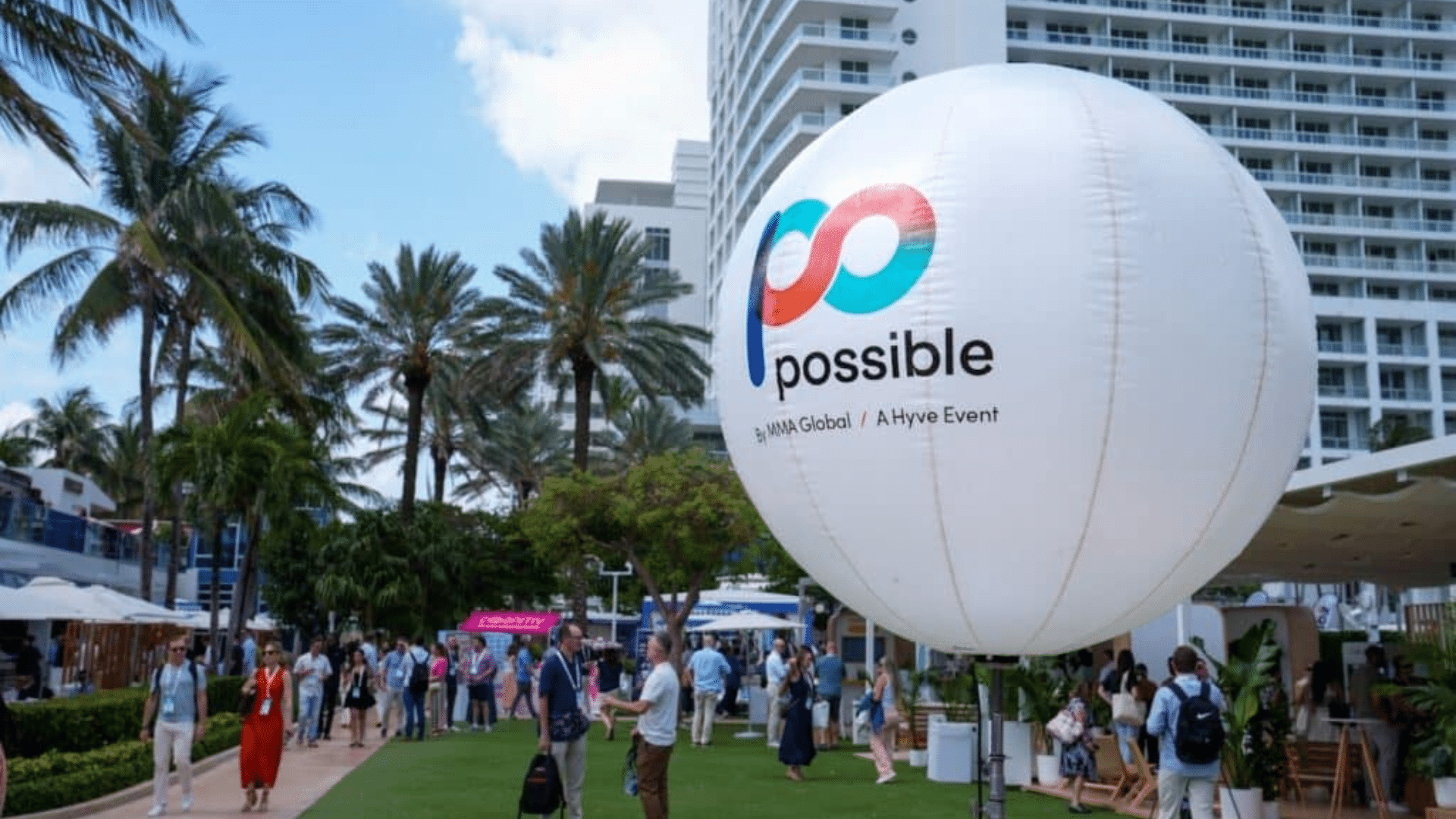
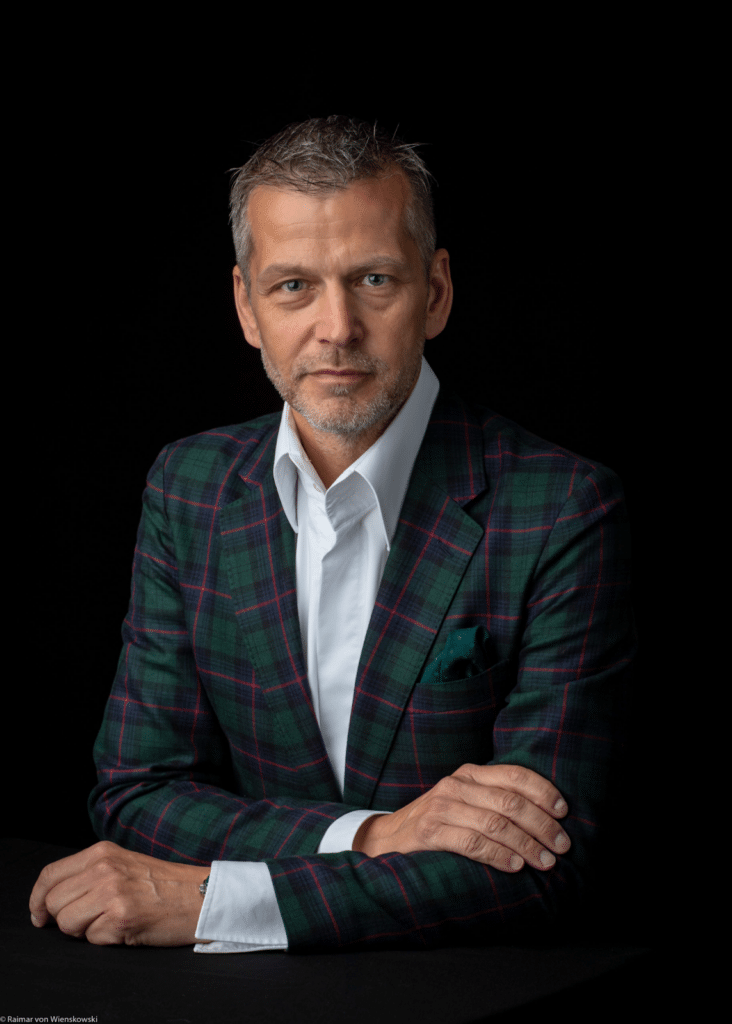
Christian Muche co-founded POSSIBLE in Miami Beach in 2023 to bring inspiration, connection, and real business opportunity into one event designed for industry leaders rather than badge-hour collectors. Three years later, the conference has grown from 2,500 attendees in 2023 to more than 5,400 expected for its 2026 edition, expanded its footprint across two hotels and the beachfront, and added a dedicated Creator Economy Academy for the first time.
“It’s no longer a side conversation,” Christian says of the Creator Economy’s place in marketing. “It’s central to how marketing works today.”
Christian is the Global President and co-founder of POSSIBLE and the former co-founder and CEO of DMEXCO, the Cologne-based digital marketing conference he helped build into a major industry event over an 11-year run. That experience shaped his conviction that conferences need to be built around outcomes, not audience size.
POSSIBLE, which operates under Hyve Group and the MMA (Marketing + Media Alliance), is his direct response to a gap he sees between what marketers need and what most industry events actually deliver.
The Creator Economy Gets Its Own Track
The most notable structural change at POSSIBLE 2026 is the Creator Economy Academy, a dedicated program bringing creators, platform leaders, and brand marketers together to discuss how influencer-led marketing works in practice, not in theory.
The decision to formalize that track reflects something Christian says he observed at the 2025 edition: “We saw strong engagement last year, but more importantly, we saw a gap in understanding,” he says, adding that the Academy is designed to close that gap through programming that prioritizes practical clarity over trend-watching.
“We focused on bringing in people who are actually doing the work,” Christian notes, describing the curation process. “People have no more than 20 minutes to talk, so we’re packing a lot in.”
Topics span AI’s impact on content creation, ROI frameworks, platform algorithm research, and brand case studies, covering the decisions marketing leaders face when integrating creator partnerships into campaign strategy.
Speaker representation across the full conference underscores how mainstream creator-led marketing has become at the executive level.
Beau Avril, Senior Vice President of Global Media and Brand Partnerships at Beast Industries, will join the lineup alongside Mary Ellen Coe, Chief Business Officer at YouTube. CMOs from Home Depot, General Motors, Pinterest, Kraft Heinz, and AT&T are also scheduled. Issa Rae, founder and CEO of HOORAE Media and creator of HBO’s Insecure, is slated to close the conference with a session on how brands, creators, and culture are rewriting entertainment in real time.

What Marketers Still Don’t Understand About Creators
Christian is direct about where the industry’s understanding falls short. “How powerful creators are in a successful marketing campaign,” he pinpoints what most marketers get wrong. “Creators represent the new consumers, and marketers not leaning into the booming industry are missing out on a vital audience.”
That argument positions creators not as a content channel but as a proxy for consumer behavior. In this framing, understanding how creators engage their audiences is equivalent to understanding how consumers make decisions. Brands that treat creator partnerships as supplementary rather than strategic are, in Christian’s view, working with an incomplete picture of their own market.
The broader misunderstanding, he suggests, is structural. Marketers tend to plan campaigns and then ask how creators can support them. The more productive sequence, Christian argues, is to understand where consumer attention already lives, and work from there. Creators, in his reading, are the clearest real-time signal available.
Creators as Conference Participants, Not Guests
In past years, creators might have appeared at marketing conferences as subjects of discussion or as brand partners in sponsored activations. At POSSIBLE 2026, they function as active participants in programming.
POSSIBLE maximizes that presence through its “Ambassadors” program, which brings in creators and what Christian calls “newsfluencers” for social coverage across the three-day event. A POSSIBLE Correspondent provides direct coverage of key sessions and takeaways, functioning as a dedicated creator-native media layer within the conference itself.
For creators attending for the first time, Christian frames the value proposition in concrete terms: “The conference provides engaging activations and dedicated content capture areas to help creators maintain their content schedule and share their in-person experiences,” he notes.

Built for Business, Not Attendance Numbers
POSSIBLE’s orientation toward business outcomes over raw attendance runs through the conference’s structural design. The “Hosted Meetings” program places brands and technology partners in 15-minute sessions at a beach pavilion, compressing relationship-building into a format designed for decision-makers with limited time.
The footprint expansion this year, adding Eden Roc to the Fontainebleau and activating Miami Beach itself for programming, is scale in service of experience rather than scale as a goal.
Christian is precise on this distinction. “The focus has never been on scale for the sake of it. It’s about the quality of that growth, and making sure the experience still feels curated, connected, and human,” he says.
He argues that the most effective environment for substantive business development is one that feels fluid. “When you’re onsite, moving between spaces, out on the beach, and into conversations that happen naturally, you start to see how it all comes together. It’s not crowded or transactional. It’s fluid. People are meeting, exchanging ideas, and building relationships in a way that feels easy, but is actually very deliberately designed.”

POSSIBLE Impact and the Industry’s Broader Responsibility
Beyond the main programming, POSSIBLE 2026 launches “POSSIBLE Impact,” a formal initiative organized around community partnerships and industry access. The flagship program, called “BIG Possibilities,” was developed in collaboration with nonprofit youth mentoring organization Big Brothers Big Sisters Miami to expose emerging talent to careers in marketing, media, advertising, and creative industries.
Additional organizations under the “POSSIBLE Impact” umbrella include Digilearning, Cultured Connections, and the Humane Society of Greater Miami. The initiative reflects Christian’s view that industry events carry responsibilities beyond their immediate attendees, particularly as conferences become primary venues for shaping how the marketing profession defines itself.
The program also debuts “AI Verse,” an immersive stage focused on AI strategies, use cases, and technologies in marketing. A separate CMO Agenda Roundtable Summit provides closed-door, invitation-only discussions for chief marketing officers. Together, these tracks are designed to serve a broad range of seniority levels and functional interests within a single conference architecture spanning both the Fontainebleau and Eden Roc properties.
The Clearest Signal in Marketing
Christian’s argument for the Creator Economy’s centrality in marketing comes down to one concrete point: consumer attention has shifted, and creators are closest to where it now lives.
POSSIBLE’s growth from its 2023 launch has coincided with creator-led marketing shifting from a line item to a core channel. That alignment is not incidental, according to Christian. It reflects the conference’s intent to mirror the industry as it actually operates, not as it was organized a decade ago.
“Creators are meeting consumers where they are,” he says, “and marketers need to adapt to get in front of their audience.”
POSSIBLE 2026 runs April 27-29 at the Fontainebleau and Eden Roc in Miami Beach.
Registration is available here.
Subscribe to Our Newsletter
Check Out Our Podcast