France’s Creator Economy is roughly 20 years old. Until recently, no one had tried to document it. The industry grew from anonymous bloggers to a multi-billion-euro market before journalists, brands, and institutions had fully learned how to describe it, or agreed that it was worth describing at all.
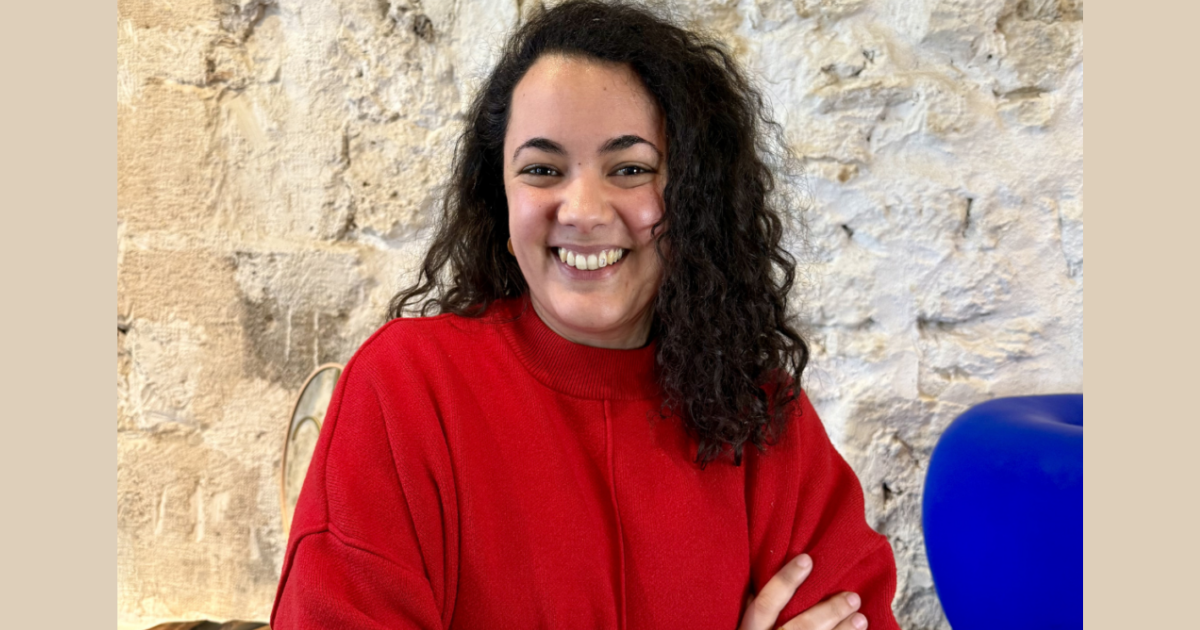
Myriam Roche noticed the absence early. A journalist at the Huffington Post in Paris, she spent years watching her colleagues dismiss influencers as a curiosity while brands stumbled into partnerships without measurement frameworks and creators built professional careers that the press treated as novelties.
“In France, journalists always talked about young people in their bedrooms making a lot of money, but for them it was not an industry,” Myriam says. “Everybody saw and followed these content creators, so they were a subject of society. But for the French press, it was not a subject.”
In 2020, she launched a blog to start filling the gap. By 2026, that blog had become Les Gens d’Internet, a French B2B media company dedicated to the Creator Economy, reaching more than 80,000 monthly visitors and generating over 600,000 YouTube views per month.
Now, she is attempting something more permanent. A three-part documentary series released on YouTube beginning in May 2026, titled “Les Gens d’Internet” (English: “Internet People”), reconstructs the history of France’s Creator Economy through 20 interviews with the people who were there: the first bloggers, the early agencies, and the brands that learned Influencer Marketing by doing it wrong.
“I wanted to create the first documentary series that tells this story better,” Myriam says. “No one had done it.”
From Huffington Post to Trade Publication
The blog that became Les Gens d’Internet started in 2020 as a side project during the COVID-19 pandemic. Myriam was still at the Huffington Post, looking for a space to write about something other than the crisis dominating every newsroom. The Creator Economy, accelerating as audiences turned to social platforms during lockdowns, was the obvious subject.
The moment that crystallized French awareness of Influencer Marketing’s scale, Myriam notes, was a 2021 interview between French YouTube duo McFly and Carlito and President Emmanuel Macron. It was the first time French YouTubers had filmed a video with the country’s head of state. “It was very big news for this industry,” she says.
A conversation with an executive at one of Publicis’ agencies accelerated her thinking. The person asked why she hadn’t formalized the blog into a proper media outlet. She spent three years developing the concept before leaving the Huffington Post entirely.
Today, Les Gens d’Internet sustains itself through brand partnerships, including with Shopify and BNP Paribas, YouTube AdSense revenue, and ticket sales and sponsorships from Le Café, a professional event series Myriam co-founded.
Le Café convenes marketing and communications professionals in Paris around strategy, not introductions to social media. “Le Café is not an event where you understand what Instagram is,” she explains. “You understand how to create a real social media strategy to grow your account or to communicate about a new product.”
Recovering What Was Never Written Down
“Internet People” structures France’s Creator Economy history into three 40-minute episodes. The first, which premiered in late April at a Paris venue to approximately 180 industry professionals, covers the blogosphere. Episode two, due in June, examines the arrival of YouTube and Instagram. The third, scheduled for September, addresses the post-COVID TikTok generation and the psychological pressures on today’s creators.
The casting logic for the first episode was straightforward: find the people who were present at the beginning. Myriam sought out the earliest fashion and travel bloggers, the first humor and health YouTubers, and the agencies brokering brand deals before anyone had agreed on what to call them. Monet, one of the first influencer agencies in France, dating to around 2010, is among the participants alongside fashion blogger Kenza Sadoun el Glaoui and travel creator Bruno Maltor.
Add Kenza and Bruno’s photos here, side by side.
The premiere confirmed something she had suspected: the history had not been transmitted. “Most of them told us, ‘I didn’t realize how this economy began. I didn’t realize how important blogging was,'” Myriam says. Audience members recognized faces and platforms they hadn’t thought about in years.
One finding from her research cut against conventional assumptions. Myriam had expected Instagram to emerge as the pivotal platform in France’s Creator Economy. The interviews suggested otherwise. “In reality, for brands and for content creators, it was YouTube,” she says. YouTube audiences at the time were comparable in scale to major French media outlets, giving early creators a reach that brands couldn’t ignore and that justified the first serious agency investment in the space.
The Misunderstanding That Shaped Brand Strategy
The documentary’s brand-side testimonials surface a pattern Myriam traces directly to the institutional gap: when Influencer Marketing arrived in France, brands had no framework to evaluate it, because no independent press had developed the analytical vocabulary first.
The most basic questions went unanswered for years. What does a YouTube view represent for purchase intent? How should engagement rate be interpreted relative to audience size? What does an Instagram comment indicate about a brand’s position in a category?
“Some brands don’t really understand the metrics on social media platforms,” Myriam says. “What are the views on YouTube, what are the likes on Instagram, what do all of these things mean for content communication? Some brands today don’t know how to analyze the impact of their communication.”
She does not expect the problem to be closed quickly. Large brands with resources and dedicated teams developed analytic fluency early. Smaller brands, without the budget for data platforms or specialist staff, remain structurally disadvantaged. “Next year, you will still have a lot of brands that don’t understand how to analyze their performance on social media platforms,” she says.
The supply side has its own version of the same problem. The number of French creators has grown far faster than brand budgets. Many who built major followings during the COVID era now lack consistent partnership revenue. “A lot of content creators have to find a new job and work on social media platforms during the weekend,” Myriam notes. The industry expanded before the infrastructure to support it at scale had been built.
The Current Generation Is Building Something It Can’t Yet Name
If the first generation of French creators built audiences without knowing they were creating an industry, Myriam argues the current generation is building companies without fully recognizing that either. Episode three takes that tension as its central subject.
She points to creators who have extended into product businesses: a major French YouTuber with a kombucha brand, another with a matcha label, and a third who launched a cosmetics line.
The creator-to-entrepreneur pattern, already well established in the United States, is accelerating in France. “I think the next generation of content creators will become entrepreneurs,” Myriam says. “Some of them today are already creating their own brands.”
The third episode will also address the psychological dimension of that transition. Creators handling too many platforms, too many formats, and too much uncertainty about where their audiences will follow them are doing so largely without institutional support. “They want to create content, but differently,” she says. “They don’t know how.”
That uncertainty, Myriam adds, is the same condition the first bloggers faced in 2006. The industry is again moving faster than the frameworks available to describe it.
An Archive in Real Time
With two episodes still to come, the full picture of France’s Creator Economy, from bloggers writing for free samples through the regulatory shift marked by France’s 2023 Influencer Marketing law, will take shape by September. Myriam says the response to episode one has confirmed there is demand for this kind of documentation, and that the demand itself is telling.
“Internet People” is, among other things, a record of what goes missing when an industry builds itself faster than the institutions meant to explain it. The measurement errors, the press dismissals, the creators who couldn’t explain what they were building because no language existed yet for what they were doing, are all consequences of that gap. Les Gens d’Internet was founded to close it through daily coverage. The documentary is an attempt to work backward through what was missed.
“This industry created a new economy, a new way to communicate between brands, but also between communities and content creators,” Myriam says. “That’s the most important thing to understand.”
David Adler is an entrepreneur and freelance blog post writer who enjoys writing about business, entrepreneurship, travel and the influencer marketing space.









France’s Creator Economy is roughly 20 years old. Until recently, no one had tried to document it. The industry grew from anonymous bloggers to a multi-billion-euro market before journalists, brands, and institutions had fully learned how to describe it, or agreed that it was worth describing at all.
Myriam Roche noticed the absence early. A journalist at the Huffington Post in Paris, she spent years watching her colleagues dismiss influencers as a curiosity while brands stumbled into partnerships without measurement frameworks and creators built professional careers that the press treated as novelties.
“In France, journalists always talked about young people in their bedrooms making a lot of money, but for them it was not an industry,” Myriam says. “Everybody saw and followed these content creators, so they were a subject of society. But for the French press, it was not a subject.”
In 2020, she launched a blog to start filling the gap. By 2026, that blog had become Les Gens d’Internet, a French B2B media company dedicated to the Creator Economy, reaching more than 80,000 monthly visitors and generating over 600,000 YouTube views per month.
Now, she is attempting something more permanent. A three-part documentary series released on YouTube beginning in May 2026, titled “Les Gens d’Internet” (English: “Internet People”), reconstructs the history of France’s Creator Economy through 20 interviews with the people who were there: the first bloggers, the early agencies, and the brands that learned Influencer Marketing by doing it wrong.
“I wanted to create the first documentary series that tells this story better,” Myriam says. “No one had done it.”
From Huffington Post to Trade Publication
The blog that became Les Gens d’Internet started in 2020 as a side project during the COVID-19 pandemic. Myriam was still at the Huffington Post, looking for a space to write about something other than the crisis dominating every newsroom. The Creator Economy, accelerating as audiences turned to social platforms during lockdowns, was the obvious subject.
The moment that crystallized French awareness of Influencer Marketing’s scale, Myriam notes, was a 2021 interview between French YouTube duo McFly and Carlito and President Emmanuel Macron. It was the first time French YouTubers had filmed a video with the country’s head of state. “It was very big news for this industry,” she says.
A conversation with an executive at one of Publicis’ agencies accelerated her thinking. The person asked why she hadn’t formalized the blog into a proper media outlet. She spent three years developing the concept before leaving the Huffington Post entirely.
Today, Les Gens d’Internet sustains itself through brand partnerships, including with Shopify and BNP Paribas, YouTube AdSense revenue, and ticket sales and sponsorships from Le Café, a professional event series Myriam co-founded.
Le Café convenes marketing and communications professionals in Paris around strategy, not introductions to social media. “Le Café is not an event where you understand what Instagram is,” she explains. “You understand how to create a real social media strategy to grow your account or to communicate about a new product.”
Recovering What Was Never Written Down
“Internet People” structures France’s Creator Economy history into three 40-minute episodes. The first, which premiered in late April at a Paris venue to approximately 180 industry professionals, covers the blogosphere. Episode two, due in June, examines the arrival of YouTube and Instagram. The third, scheduled for September, addresses the post-COVID TikTok generation and the psychological pressures on today’s creators.
The casting logic for the first episode was straightforward: find the people who were present at the beginning. Myriam sought out the earliest fashion and travel bloggers, the first humor and health YouTubers, and the agencies brokering brand deals before anyone had agreed on what to call them. Monet, one of the first influencer agencies in France, dating to around 2010, is among the participants alongside fashion blogger Kenza Sadoun el Glaoui and travel creator Bruno Maltor.
Add Kenza and Bruno’s photos here, side by side.
The premiere confirmed something she had suspected: the history had not been transmitted. “Most of them told us, ‘I didn’t realize how this economy began. I didn’t realize how important blogging was,'” Myriam says. Audience members recognized faces and platforms they hadn’t thought about in years.
One finding from her research cut against conventional assumptions. Myriam had expected Instagram to emerge as the pivotal platform in France’s Creator Economy. The interviews suggested otherwise. “In reality, for brands and for content creators, it was YouTube,” she says. YouTube audiences at the time were comparable in scale to major French media outlets, giving early creators a reach that brands couldn’t ignore and that justified the first serious agency investment in the space.
The Misunderstanding That Shaped Brand Strategy
The documentary’s brand-side testimonials surface a pattern Myriam traces directly to the institutional gap: when Influencer Marketing arrived in France, brands had no framework to evaluate it, because no independent press had developed the analytical vocabulary first.
The most basic questions went unanswered for years. What does a YouTube view represent for purchase intent? How should engagement rate be interpreted relative to audience size? What does an Instagram comment indicate about a brand’s position in a category?
“Some brands don’t really understand the metrics on social media platforms,” Myriam says. “What are the views on YouTube, what are the likes on Instagram, what do all of these things mean for content communication? Some brands today don’t know how to analyze the impact of their communication.”
She does not expect the problem to be closed quickly. Large brands with resources and dedicated teams developed analytic fluency early. Smaller brands, without the budget for data platforms or specialist staff, remain structurally disadvantaged. “Next year, you will still have a lot of brands that don’t understand how to analyze their performance on social media platforms,” she says.
The supply side has its own version of the same problem. The number of French creators has grown far faster than brand budgets. Many who built major followings during the COVID era now lack consistent partnership revenue. “A lot of content creators have to find a new job and work on social media platforms during the weekend,” Myriam notes. The industry expanded before the infrastructure to support it at scale had been built.
The Current Generation Is Building Something It Can’t Yet Name
If the first generation of French creators built audiences without knowing they were creating an industry, Myriam argues the current generation is building companies without fully recognizing that either. Episode three takes that tension as its central subject.
She points to creators who have extended into product businesses: a major French YouTuber with a kombucha brand, another with a matcha label, and a third who launched a cosmetics line.
The creator-to-entrepreneur pattern, already well established in the United States, is accelerating in France. “I think the next generation of content creators will become entrepreneurs,” Myriam says. “Some of them today are already creating their own brands.”
The third episode will also address the psychological dimension of that transition. Creators handling too many platforms, too many formats, and too much uncertainty about where their audiences will follow them are doing so largely without institutional support. “They want to create content, but differently,” she says. “They don’t know how.”
That uncertainty, Myriam adds, is the same condition the first bloggers faced in 2006. The industry is again moving faster than the frameworks available to describe it.
An Archive in Real Time
With two episodes still to come, the full picture of France’s Creator Economy, from bloggers writing for free samples through the regulatory shift marked by France’s 2023 Influencer Marketing law, will take shape by September. Myriam says the response to episode one has confirmed there is demand for this kind of documentation, and that the demand itself is telling.
“Internet People” is, among other things, a record of what goes missing when an industry builds itself faster than the institutions meant to explain it. The measurement errors, the press dismissals, the creators who couldn’t explain what they were building because no language existed yet for what they were doing, are all consequences of that gap. Les Gens d’Internet was founded to close it through daily coverage. The documentary is an attempt to work backward through what was missed.
“This industry created a new economy, a new way to communicate between brands, but also between communities and content creators,” Myriam says. “That’s the most important thing to understand.”
Subscribe to Our Newsletter
Check Out Our Podcast