




Influencer
How Paige Lindgren Built A Multi-Platform Wellness Brand By Letting Life Shape The Content

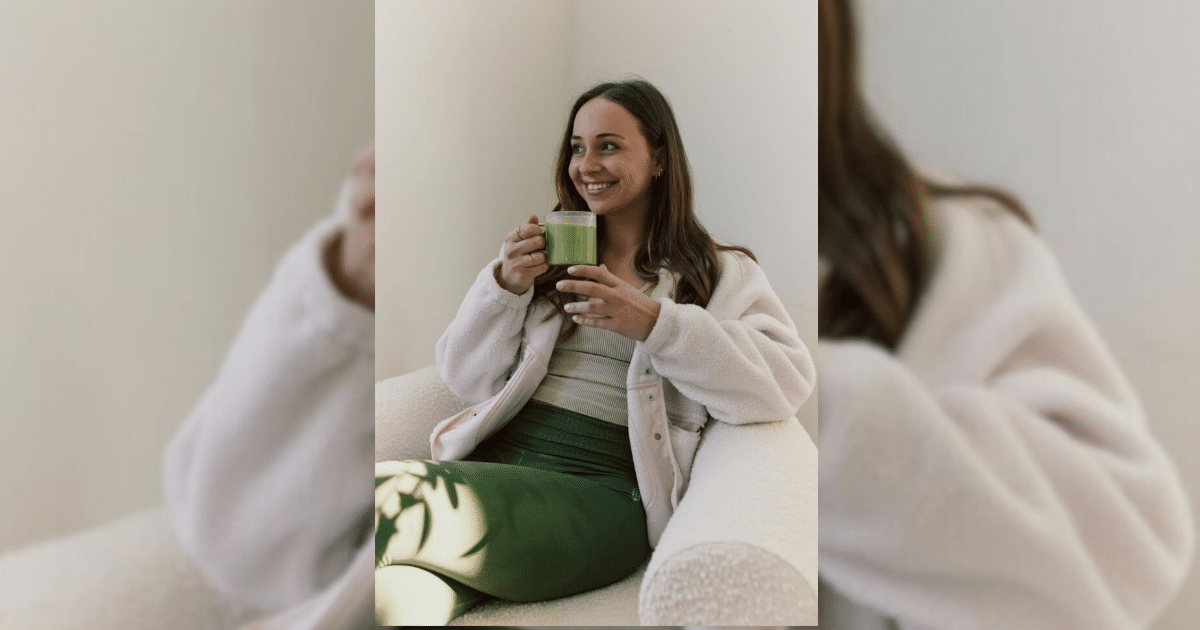
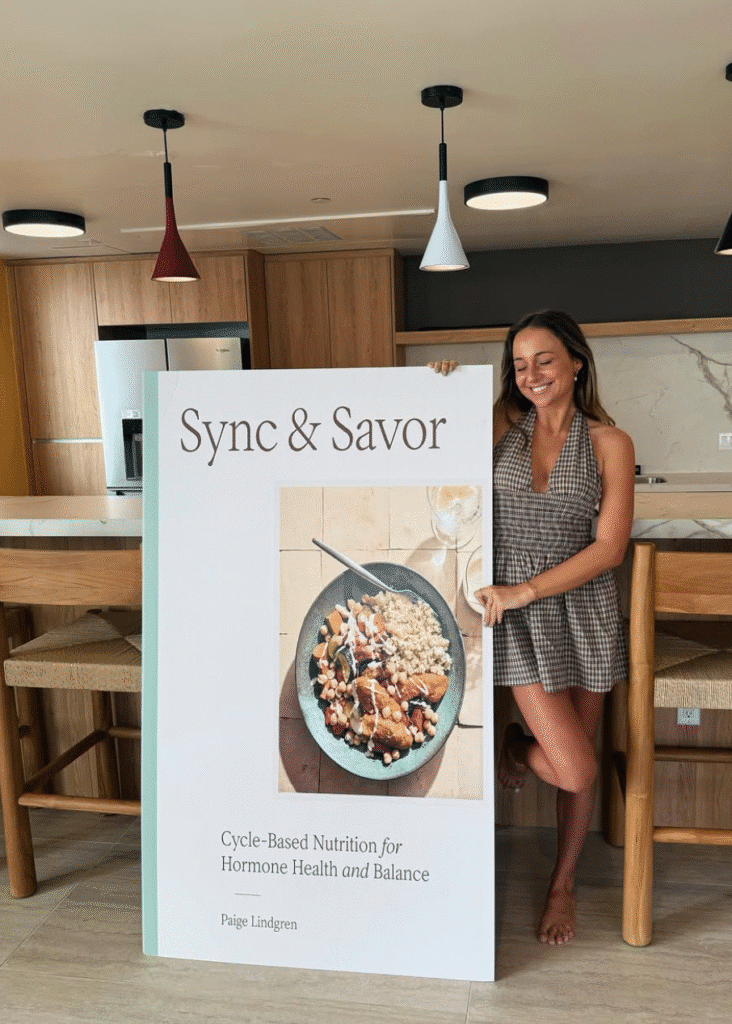
Paige Lindgren is a multi-platform creator whose work spans TikTok, Instagram, YouTube, and Substack, with brand partnerships as the core of her revenue and a debut cookbook, “Sync and Savor,” set to anchor her next phase of growth. Her content blends hormone-aware recipes, wellness routines, and everyday lifestyle moments, shaped more by what she is personally navigating than by trend cycles.
“I always loved making videos,” Paige says. “But I never thought it would be in the food space.”
What began as casual experimentation with short-form video gradually became more durable. By the time she graduated, Paige recognized that content creation could become a real business, even if it was not yet capable of paying Los Angeles rent.
Finding Her Voice Outside the Entertainment Playbook
Paige’s early ambitions were firmly rooted in traditional media. She studied the entertainment industry with the intention of becoming a host or working in public relations, at a time when influencer careers were largely associated with Instagram and still felt peripheral to established entertainment paths. TikTok’s emergence during her college years introduced a different creative outlet, one that felt less polished and more immediate.
“I wanted to work in the entertainment industry,” she says. “I was taking classes all in broadcast journalism and public relations.”
Her pivot toward food and wellness content was initially not strategic. Paige has lived with an autoimmune condition and spent years experimenting with foods that made her feel better physically and hormonally. Posting recipes and meals became a form of documentation rather than branding.
“I just started posting my weird combinations and recipes and random lifestyle things,” she says. “That’s the stuff that picked up more than anything else I posted.”
The response surprised her. Followers began tagging her in their own attempts at her recipes and sharing how they felt after making them.
“It was really the feedback that made me decide to keep going,” Paige says. “People would say they tried it, and I thought it was the coolest thing in the world.”
Turning Content Into a Business
After graduation, Paige did not immediately commit fully to her own platforms. While brand deals were coming in, they were not yet consistent enough to sustain her financially. Instead, she took on part-time work creating social content for wellness, supplement, and tea brands, splitting her days between building her own channels and producing content for others.
“It was almost like I was consulting,” she says. “Half the day I was making content for myself, half the day I was doing content for other brands.”
That period lasted roughly a year and a half. Over time, Paige realized she was pouring many of her best ideas into client work, leaving less creative energy for her own platforms.
“I didn’t have the time or the ideas,” she says. “I was giving so many of my wellness ideas and video ideas to these other brands.”
Once she reached a point of financial stability, she stepped away from client work to focus fully on her own brand. The transition forced a crash course in the operational side of the creator economy.
“You don’t see the negotiation, the contracts, the drafting, the reshoots, the invoices,” Paige says. “I wasn’t studying business at all in college, so I learned everything about invoices, taxes, making an LLC, and making an S corp.”

Building Across Platforms With Intention
Paige maintains an active presence across multiple platforms, but she treats each one differently. TikTok and YouTube Shorts function as low-pressure spaces for experimentation, while Instagram serves as a more selective distribution channel.
“YouTube Shorts is just a dump for ideas,” she says. “Random brain thoughts, recipes that fail, bad lighting. It’s fun.”
Instagram, by contrast, tends to feature content that has already proven itself elsewhere. Stories function more like her Shorts feed, offering unfiltered glimpses into daily life. Substack occupies a different role altogether.
“Substack is definitely more planned out,” Paige says. “I like to post every Sunday, and I spend the week thinking about it.”
Her current Substack series aligns recipes with different phases of the menstrual cycle, expanding on themes that are difficult to communicate fully in short-form video.
“I really feel like people want to read more these days,” she says. “There’s a push toward longer conversations after the 15-second videos took all our brain.”
What Actually Resonates
As platform metrics change, Paige has adjusted how she evaluates success. Likes and views, she says, are no longer the most reliable indicators of impact.
“My saves are so significantly higher than my likes,” she explains. “I posted a sweet potato brownie recipe. It had thousands of likes, but even more shares and saves.”
For Paige, those behaviors signal intent and usefulness. “The shares mean they cared enough to come back to it,” she says. “The DMs, the comments about people making it, that’s what I look at now.”
Still, the emotional toll of fluctuating performance remains real.
“I’m still trying not to stress about views being lower than they used to be,” she admits. “I’ve talked to other creators, and they all feel the same way.”
Choosing Partnerships Carefully
Brand partnerships remain Paige’s primary revenue stream, particularly on Instagram and TikTok, with YouTube Shorts contributing more recently as the platform matures. She also earns affiliate income and limited revenue from paid Substack subscriptions, though she keeps most of her writing free.
Her approach to partnerships is shaped by selectivity. “I think the reason I’ve gotten to work with my favorite brands is that I said no to the ones that didn’t align,” she says.
Early offers from food brands that conflicted with her wellness focus helped clarify that boundary. “It can be hard at the beginning when the money looks good,” she says. “But long term, being picky gives you a better brand.”
Some partnerships carry personal meaning. Working with Purely Elizabeth, a granola brand she had eaten since college, felt especially full circle.
“They’ve been my favorite brand for so many years,” Paige says. “To have them know who I am and want to work with me is so cool.”
‘Sync and Savor’ and What Comes Next
Paige’s largest project to date is “Sync and Savor,” a cookbook organized around the four phases of the menstrual cycle, with breakfast, lunch, and dinner recipes in each section. The book includes contributions from OB-GYNs [obstetricians and gynecologists] who explain the hormonal changes behind each phase.
“I’ve been working on it for two and a half years,” she says. “It’s going to be really fun to finally have it out there.”
The cookbook’s release marks a shift in how Paige plans to engage her audience, with in-person events and collaborations bringing her community together offline. “My focus for 2026 is finally embracing it all and celebrating the past two and a half years,” she says.
Looking further ahead, Paige hopes to launch her own brand in the non-toxic skincare or beauty space, expanding beyond content into product development. “I really hope by 30 to have a brand,” she says. “That would be the dream.”
For now, she remains focused on authentic content over volume, even as algorithms reward constant output.
“I think it’s better to only post things that align with you,” Paige says. “If you can find ways to make you unique, even if you’re not posting every day, that will serve you in the long run.”
Photo source: Emily Blair Media
Subscribe to Our Newsletter
Check Out Our Podcast