




Strategy
NowThis Built a TV Network on Social Media. Now It’s Teaching Brands How to Advertise on One

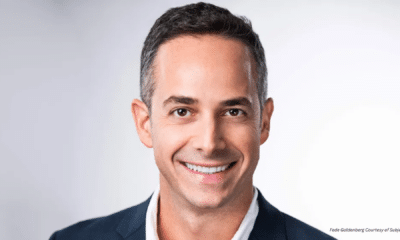
Michael Vito Valentino does not think brands have a social video problem. He thinks they have a television problem.
As Editor-in-Chief of digital media company NowThis, Michael is building serialized shows for Instagram, YouTube Shorts, and TikTok at the same time advertisers are still spending heavily on linear-first campaigns that later get cut down for vertical feeds. He believes social platforms are no longer just distribution channels. They are where the next generation of television is already being made.
NowThis, led by CEO Sharon Mussalli, is organizing around that thesis. The company had 90 million followers across platforms when Michael joined in July 2024. A year later, that figure has crossed 100 million, but Michael says that is not the most important measure.
“People don’t care about the number of followers you have,” he says. “It’s the marketers and advertisers who do because they’re putting that number in a deck.”
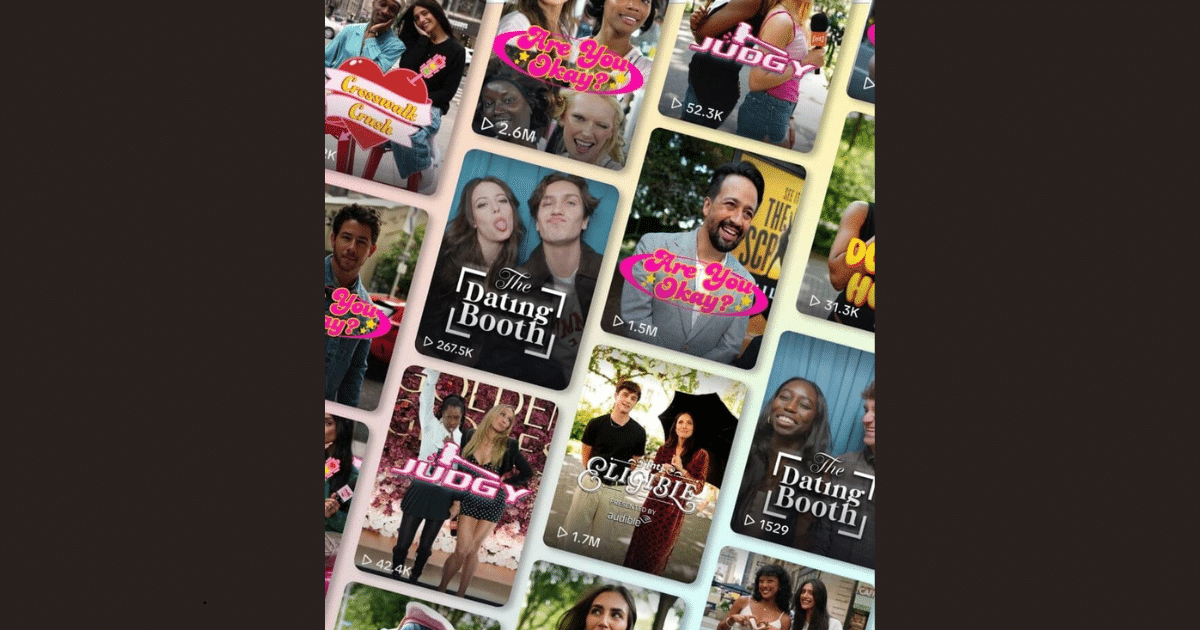
NowThis instead measures whether its shows are becoming culturally useful: whether celebrities ask to appear, whether advertisers want in before a show is formally pitched, and whether formats can move beyond the feed into live events, merchandise, and branded extensions. Its slate includes “Are You Okay?”, “Judgy,” “Salary Transparent Street,” “Crosswalk Crush,” and “Stand Up Desk,” which added more than 200,000 followers in roughly a month, according to Michael.

Programming for the Highest-Density Social Graph
NowThis positions itself as a network making shows with a focus on Gen Z women. “They have the highest density social graphs,” Michael explains. “If you go viral with them, you go viral with everyone.”
That logic extends to what the company builds. According to Michael, good format transcends the audience it was designed for. “The same energy that MTV had 40 years ago when they were starting, we’re seeing that also in the early days of our strategy at NowThis.”
The formats themselves often borrow from concepts that have existed for decades: confessional interviews, street games, and interactive comedic structures. “We take these formats, these tropes, these themes, and we make them work for this audience,” Michael says.
Each show follows what Michael calls his rules of content: genuine storytelling from the hosts, consistent structure across every episode, daily publishing to maintain algorithmic placement, and building natively for each platform rather than repurposing assets from elsewhere.
The output, he argues, is that branded episodes perform on par with regular editorial ones. “Even our advertisements look and feel like a normal episode,” he says. “Our audience is very forgiving and actually very willing to watch even our branded content.”
The Eight-Episode Window
NowThis does not expect every format to succeed. Michael shares that last year, the company developed 20 shows to land three hits. The evaluation period for each new format is eight episodes, during which the team iterates on structure, pacing, and cast before deciding whether to extend or sunset.
“Stand Up Desk” was originally pitched by Sheena Oglesby, the company’s VP of Digital Originals, and initially rejected by Michael. It was later rediscovered in the development archive by two other team members. After additional iteration, it launched and grew faster than anything NowThis has previously built. Michael notes the setback plainly: “Imagine if we were able to gain 200,000 followers in the past month. I could be at a million by now if I started a couple of months ago.”
The early indicators Michael watches are not the metrics most media analytics dashboards surface. Viewership and engagement come first. Then follower growth as a sign that the format is building a durable audience. Then what he considers the most meaningful signal: are celebrities responding unprompted, and are advertisers asking in before the show is formally pitched?
Talent attachment follows the same logic. When Joe Jonas messaged NowThis to express interest in appearing on “Are You Okay?”, the team brought him on. His episode generated 2.2 billion press impressions within 48 hours as outlets and broadcast programs picked up the sound bite, according to Michael. A similar moment with Dylan Efron in the show’s early run led Subway to build an entire campaign around a single offhand comment.
“People are born famous,” Michael says. “Celebrity is something they achieve.”
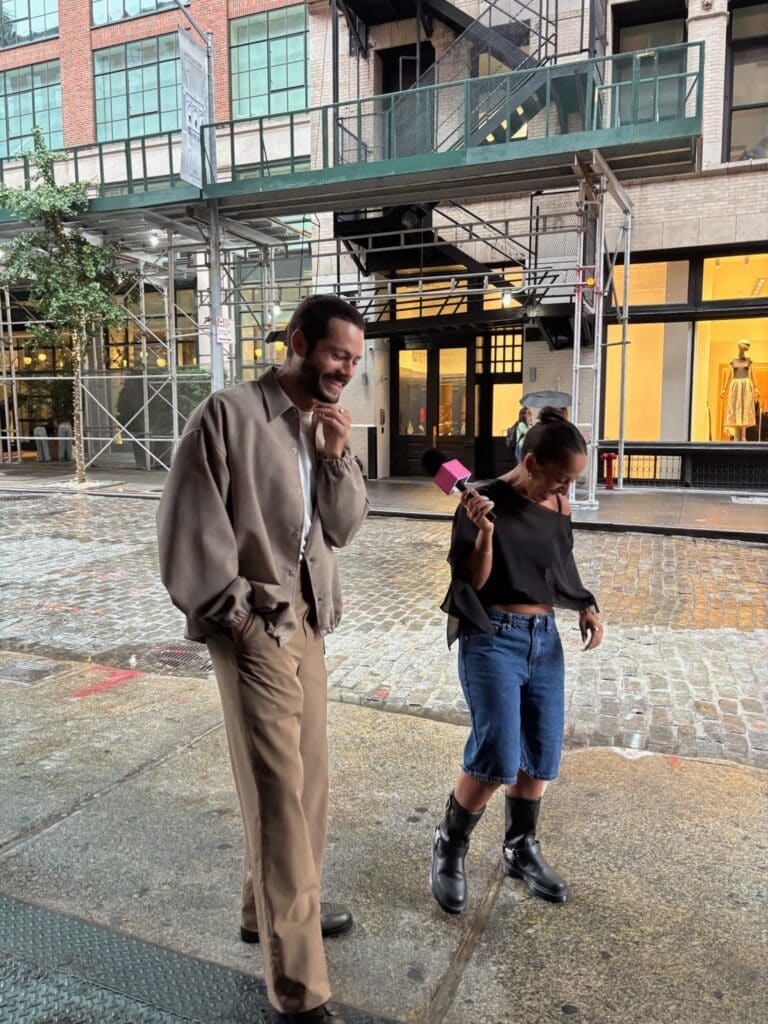
Photo: James Sweeney on “Are You Okay?”
Why IP Ownership Beats Platform Dependency
When TikTok faced potential removal from the United States, Michael says he felt briefly uneasy before realizing the platform represents only 11% of NowThis’s total distribution.
That portfolio approach ensures platform-agnostic IP rather than optimization for any single algorithm. The clearest evidence of that strategy is the company’s live events. During Halloween weekend, considered to be one of the year’s most competitive social periods, NowThis brought “Are You Okay?” to Los Angeles and Chicago. Both shows sold out the Laugh Factory. Weeks later, “Judgy” sold out Second City Williamsburg in Brooklyn on the night of the city’s worst blizzard of the year.
“We’re creating relationships, and we’re finding opportunities to show up in these fans’ lives outside of just the content itself,” Michael says. “They’re willing to come. And because of that, it’s priceless.”
The IP ownership thesis also extends to the host layer. Over 16 guest-hosted episodes of “Are You Okay?”, the show generated 18 million views with engagement equal to or better than standard episodes. “We’re actually building something that resonates beyond just one brand identity,” Michael says.
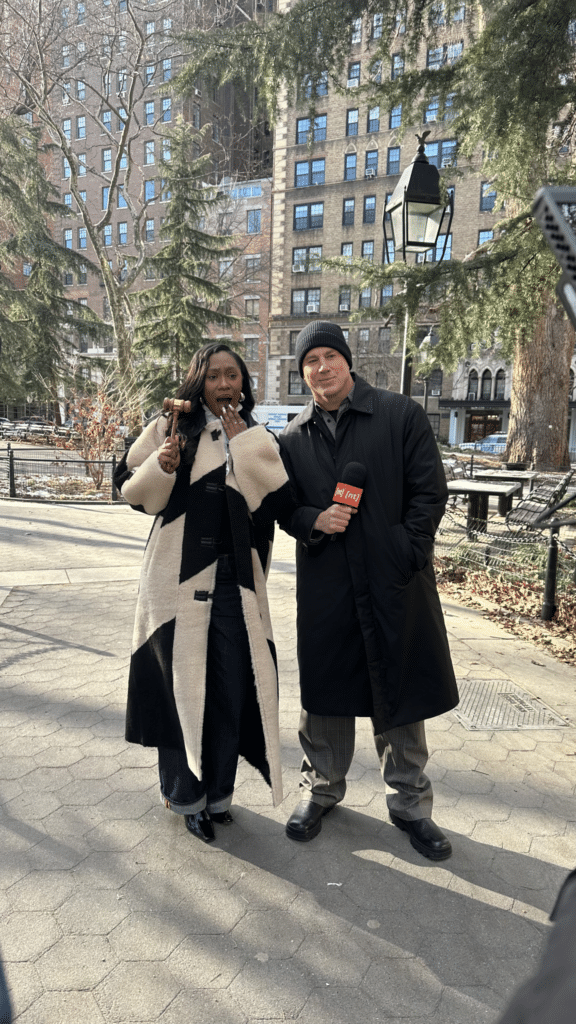
Photo: Channing Tatum on “Judgy”
‘Integration Is Dead’
Michael’s clearest assessment of where advertising on social platforms has gone wrong is also his most direct.
“Last year, everyone was talking about integration,” he says. “My message to advertisers today is that integration is dead. Now it’s only about elevation.”
The distinction matters operationally. Integration, as he describes it, is a brand placing messaging inside an existing format. Elevation means the brand actively improves the experience for the audience, either by enhancing the IP or by generating something culturally durable.
The “Got Milk” campaign with NowThis illustrates the difference. Rather than placing a product mention inside an episode, the team filled a kiddie pool with gallons of milk and filmed with internet personality the Rizzler on Sixth Avenue in Manhattan, generating a crowd of roughly 100 bystanders mid-commute. “People are still referencing that video,” Michael says.
The most developed version of the elevation model is NowThis’s work with Audible. After integrating the brand into existing shows, NowThis produced an original series called “Eligible” for Audible’s “Pride and Prejudice” campaign. The show, starring creator Tefi Pessoa, generated millions of views despite functioning as branded content. The campaign also included an exclusive live event mixing celebrities, creators, and fans.
“We’re reaching people not just on their screens,” Michael says. “It’s also about getting people to show up in the same way that we do in making sure that our IP is iconic and relevant.”
The TV Thesis
Michael is unambiguous about where he sees the next five years going. “I keep saying it’s the future, but I’m wrong,” he says. “The future is today.”
NowThis is expanding into long-form properties, which Michael says will generate increasing programmatic revenue alongside the branded work. Merchandise from existing shows sold out in under a day on its first release. Live events, already a revenue line, will continue.
The broader prediction collapses the category distinction entirely. In five years, Michael expects no meaningful difference between traditional broadcasting and platform-native programming in how either audiences or advertisers treat them.
“I don’t want to call it social TV,” he says. “It’s just TV.”
Subscribe to Our Newsletter
Check Out Our Podcast